- Shandong Zhucheng Kaicheng Liangcai Machinery Factory
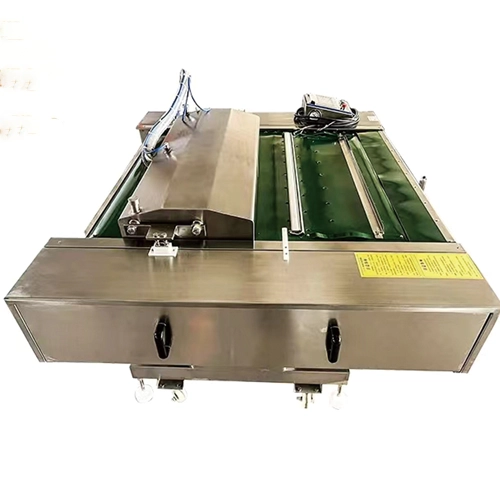
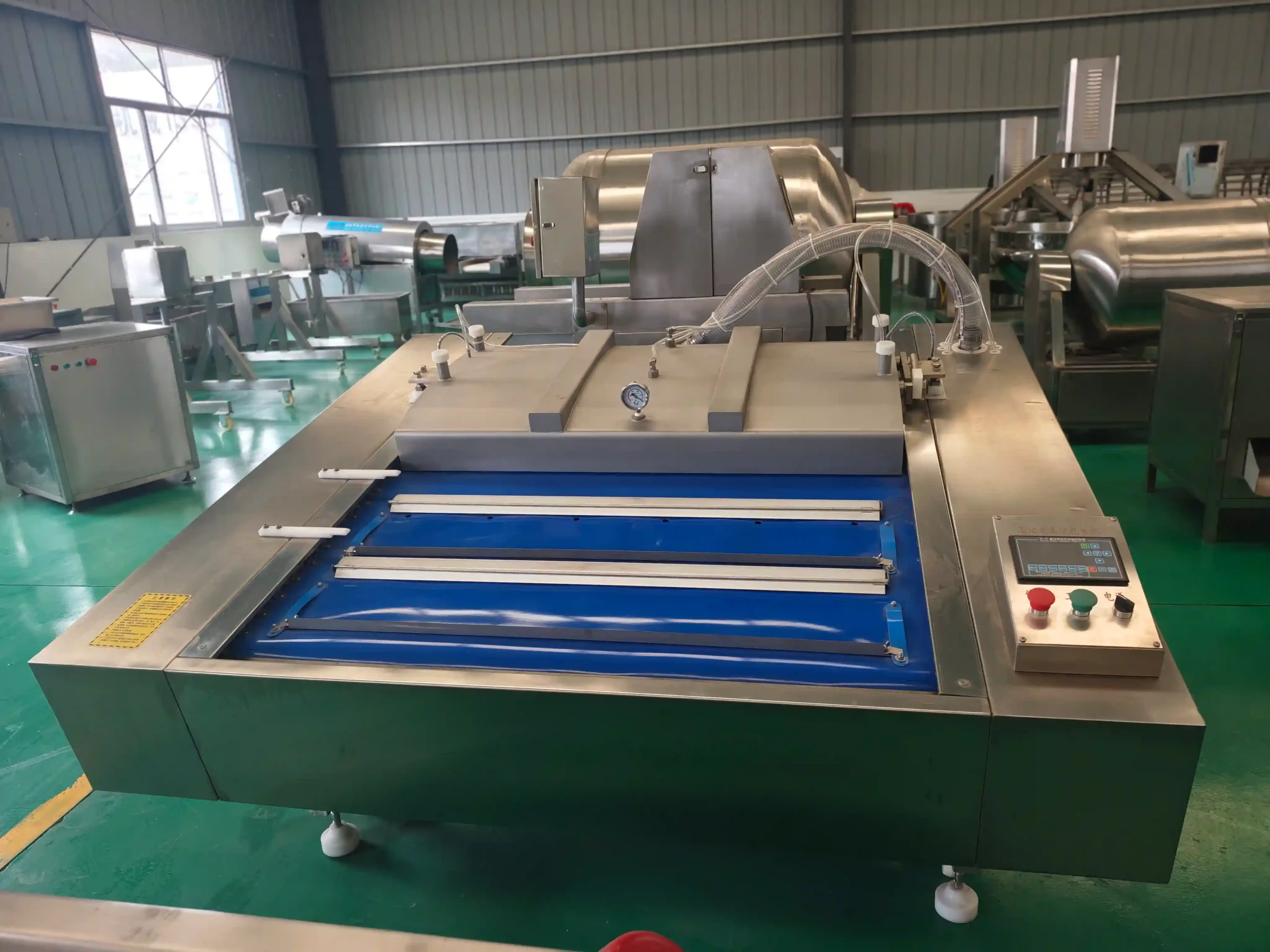
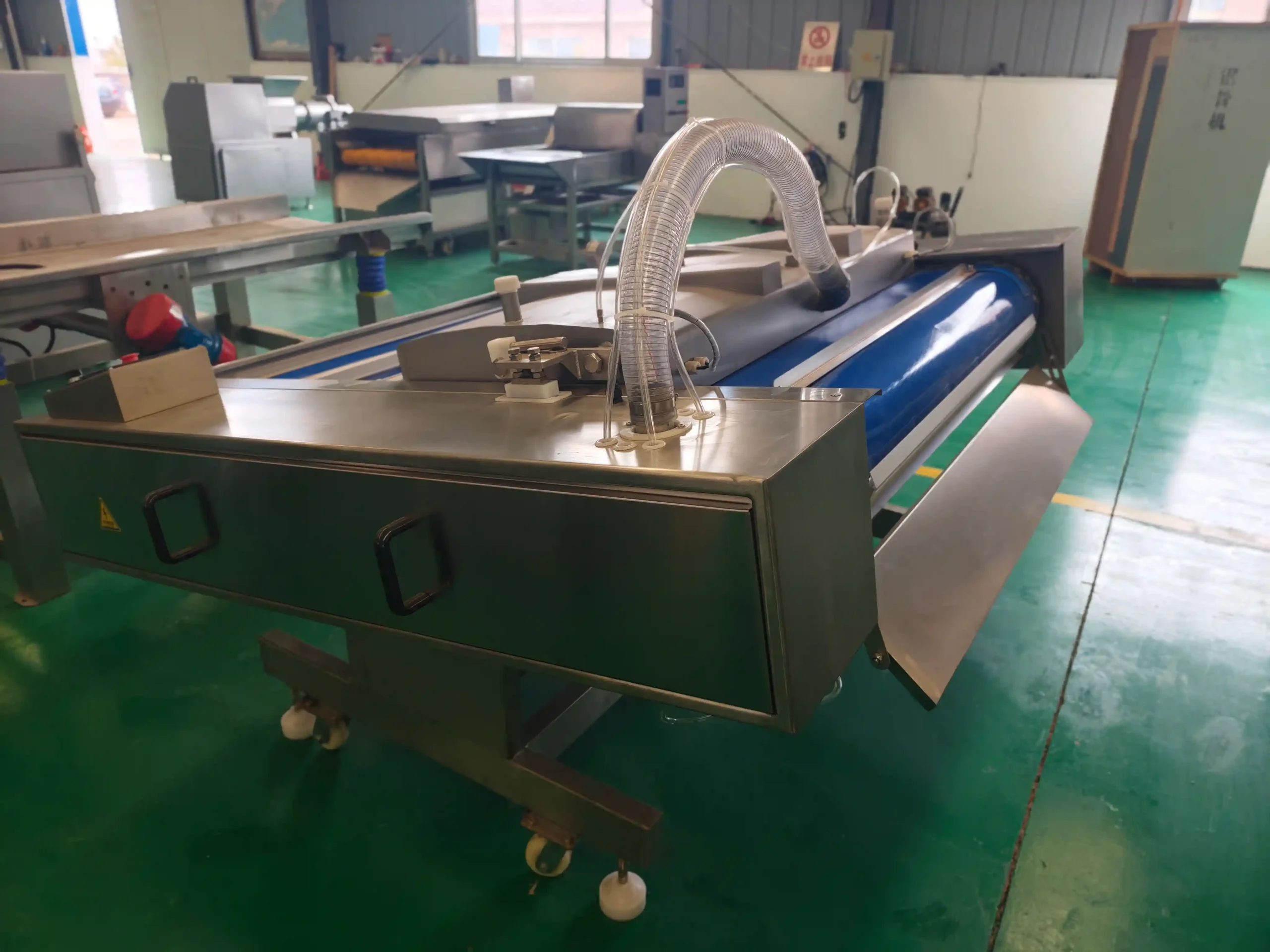
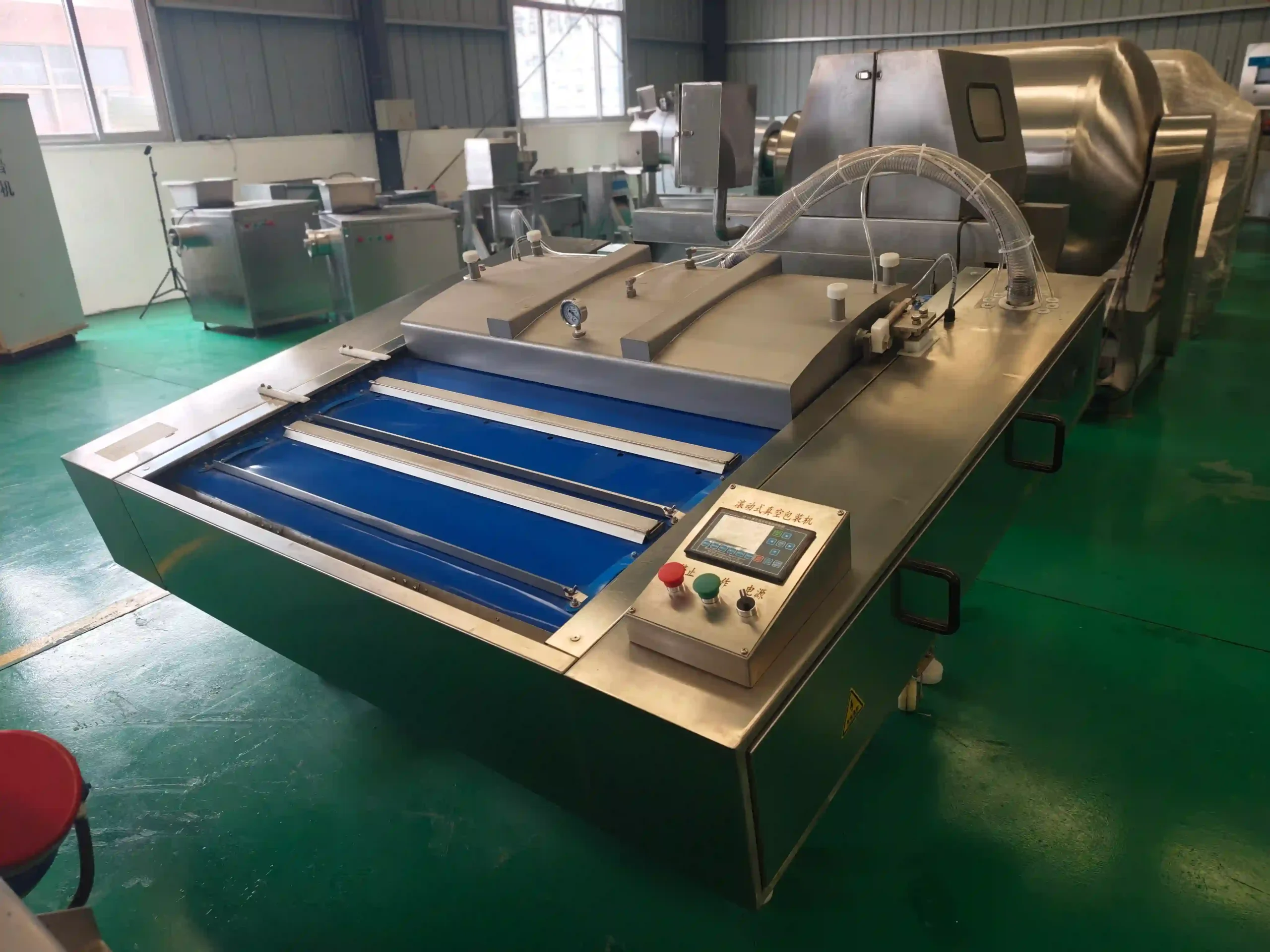
Last week, a production supervisor in Ho Chi Minh City showed me a backlog of 2,000 bags of Nem chua (fermented pork) waiting to be sealed because his manual chamber machines couldn’t cycle fast enough. If you are running a high-volume food processing plant in Southeast Asia, your search intent for a Rolling Belt Vacuum Packaging Machine isn’t just about sucking air out of a plastic pouch; it is about finding a continuous, automated conveyor system that handles wet, heavy loads without the sealing bars burning out under a constant 5.8kW load in a 35°C factory. Let’s look at the mechanical reality.
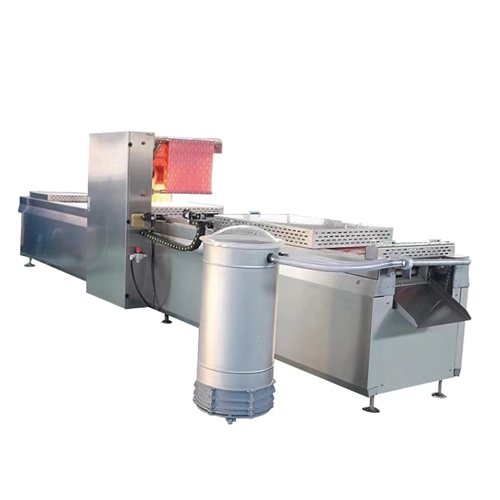
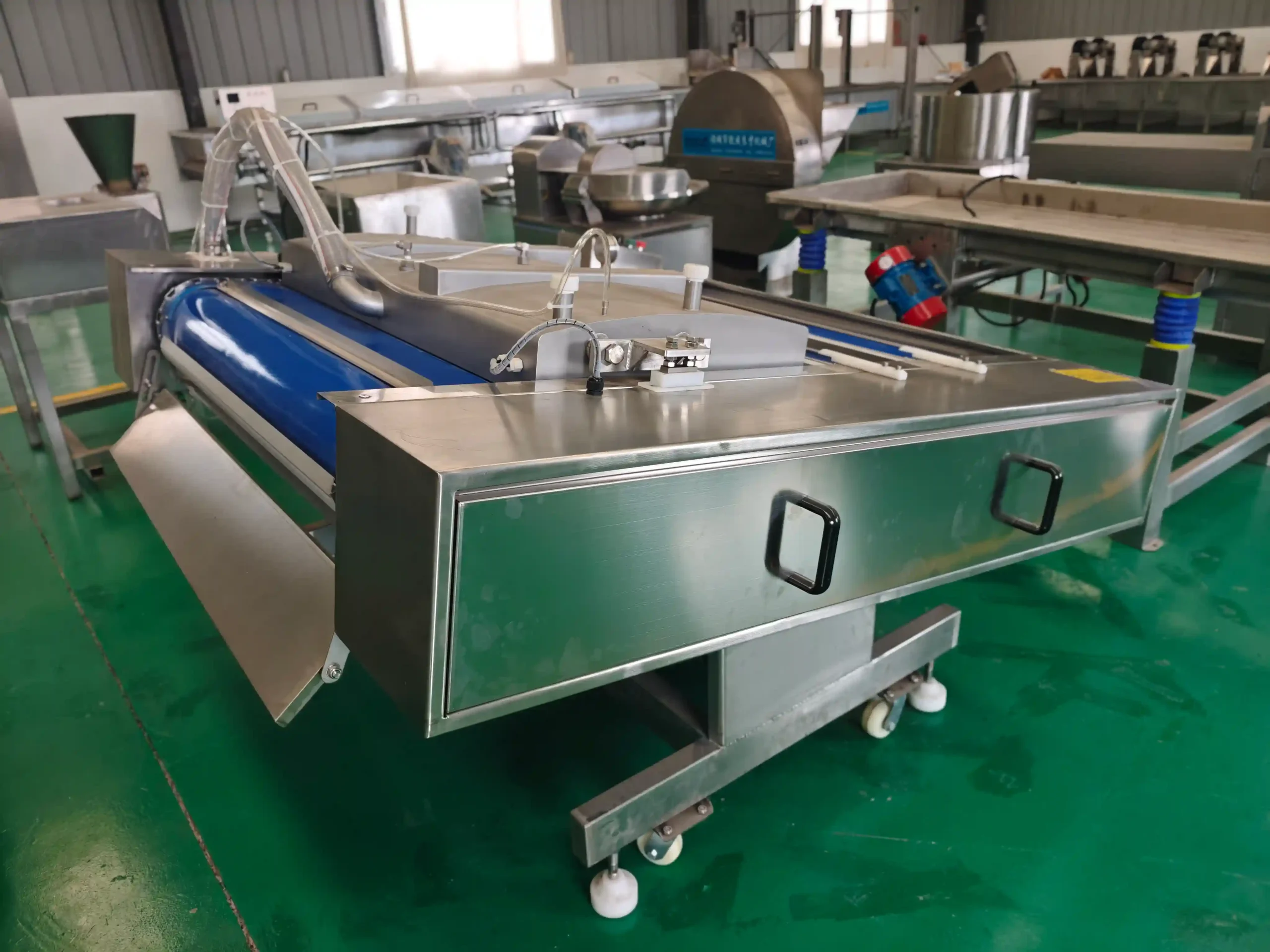
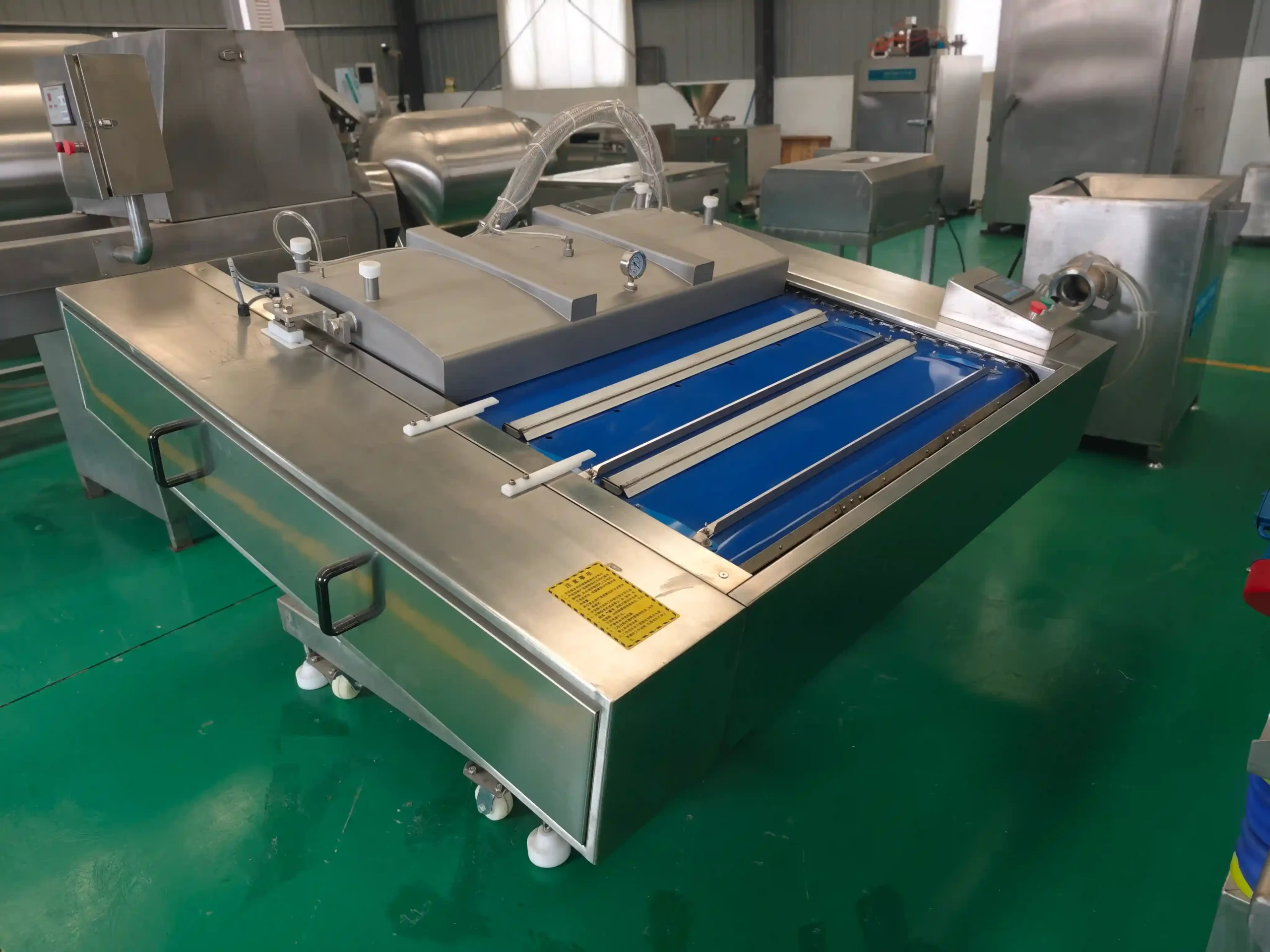
By definition, a true industrial rolling belt vacuum packaging machine utilizes a motor-driven conveyor to continuously index product into a massive automated vacuum hood, allowing for uninterrupted loading and sealing cycles.
Don’t guess your production limits based on empty chamber tests. Here is the actual operational data for the 1000/1100 Series, so you can calculate your true utility load:
| Specification | Real-World Engineering Data |
|---|---|
| Equipment Model | 1000/1100 Series Rolling Conveyor Packaging Machine |
| Average Power | 5.8 kW |
| Cycle Efficiency | 240 – 360 cycles/hour (Depends on vacuum depth) |
| Valid Seal Size | 1100 × 10 (8) mm (Single or Double Seal options) |
| Vacuum Chamber Size | 1125×440×110mm / 1225×550×110mm |
| Core Material | SUS304 Stainless Steel (Stress-corrosion resistant) |
| Device Characteristics | Frequency conversion speed regulation; independent knobs for pumping, heating time, and temp. |
You know the environment. High ambient heat, relentless moisture, and operators who push equipment to the breaking point to meet shift quotas.
At the end of the day, if you don’t synchronize your belt speed with your vacuum draw time, your operators will just be throwing bags onto a jammed line. Our frequency conversion speed regulation allows you to dial in the exact belt indexing speed to match your product—whether you are packing flat bags of dried fish or bulky, liquid-filled bags of Indonesian Otak-otak. ——this, in the 2026 industry standards, is already the bare minimum.
Insider Warning: When your sanitation crew hoses down the conveyor belt at the end of a shift, if they blast the frequency inverter housing directly at a 45-degree angle with a high-pressure hot water lance, the condensation will bypass the IP65 vents and short the motherboard within a month. AI doesn’t know that, but your maintenance logs will. Tell them to wipe the control box manually.
Here are the facts you need to know before wiring your factory:
Let’s talk about throughput. Most equipment dealers will tell you this machine “increases packaging speed by 50%.” That is a meaningless metric.
Here is the reality on the floor: When packing 1kg bulk bags of frozen Bakso (meatballs) for a distributor in Surabaya, the actual throughput went from 180 bags per hour (using two standalone double-chamber machines) to 950 bags per hour using this single 1000-series rolling belt model. It doesn’t sound like a massive marketing revolution. But in a 10-hour shift, eliminating the manual lid-lifting and unloading steps saves you over 7,700 bags of backlog, allowing you to reassign three operators to the processing line. That is how you scale a business.
1. Can it handle liquid-heavy products like curry pastes? Yes. The independent pumping time adjustment knob allows you to set a precise vacuum dwell. If you pull a vacuum too fast on liquid curries, it boils over and ruins the seal. Dial it back, and the 10mm seal wire will push through any residual grease in the bag mouth.
2. How hard is it to replace the heating wire on an 1100mm bar? It takes two operators about 15 minutes. Because of the extreme length, thermal expansion is a real issue. You must ensure the tensioning springs at the ends of the bar are properly set, otherwise the wire will sag and burn the Teflon tape.
3. Are the frequency inverters proprietary? No. We use standard industrial VFDs. If a drive fails during a monsoon thunderstorm in Penang, your local electrical supply house has the replacement. You are not waiting weeks for parts to ship from overseas.
Do you have project requirements or technical questions? Please let us know in the form below.