- Shandong Zhucheng Kaicheng Liangcai Machinery Factory
Stop paying three workers to stand over a hot wok for 8 hours.
Last week, I audited a sauce factory in Penang. They were making Sambal Belacan. The smell was amazing, but the process was a disaster. They were using a standard vertical mixer. The result? The center was cold, the edges were burnt, and the workers were exhausted from scraping the sides manually.
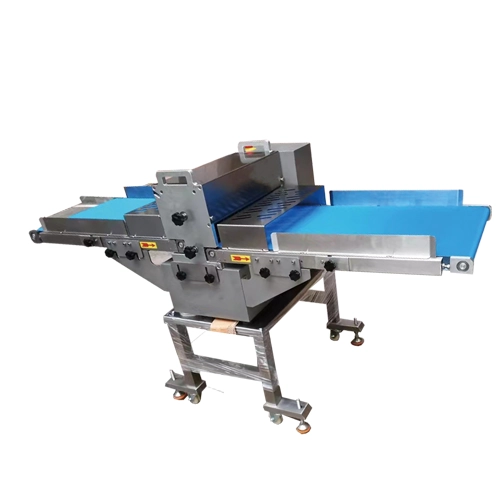
If you are cooking high-sugar fruit jams (like Pineapple filling for Nastar) or thick coconut-based Rendang, you need a machine that scrapes 100% of the surface area, every single second. And once it’s cooked, if you want to sell it in a 7-Eleven in Bangkok, you need a Sterilization Kettle (Retort) that won’t blow your pouches apart.
Here is the engineering breakdown of why these two machines are the standard for 2026 export quality.
Why are you still scraping scorched paste off the bottom of your kettles? If you are running a high-volume central kitchen in Southeast Asia, finding an Industrial Planetary Cooking Mixer that actually matches your search intent—meaning it handles thick, sticky local pastes without burning or breaking down in 90% humidity—is your real bottleneck. Let’s cut the marketing nonsense and look at the engineering.
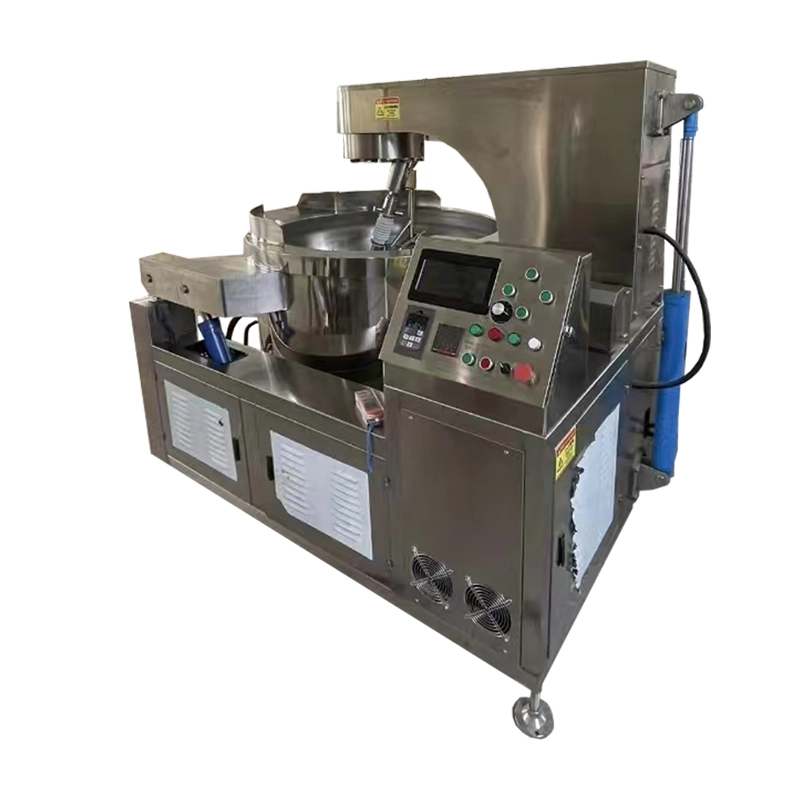
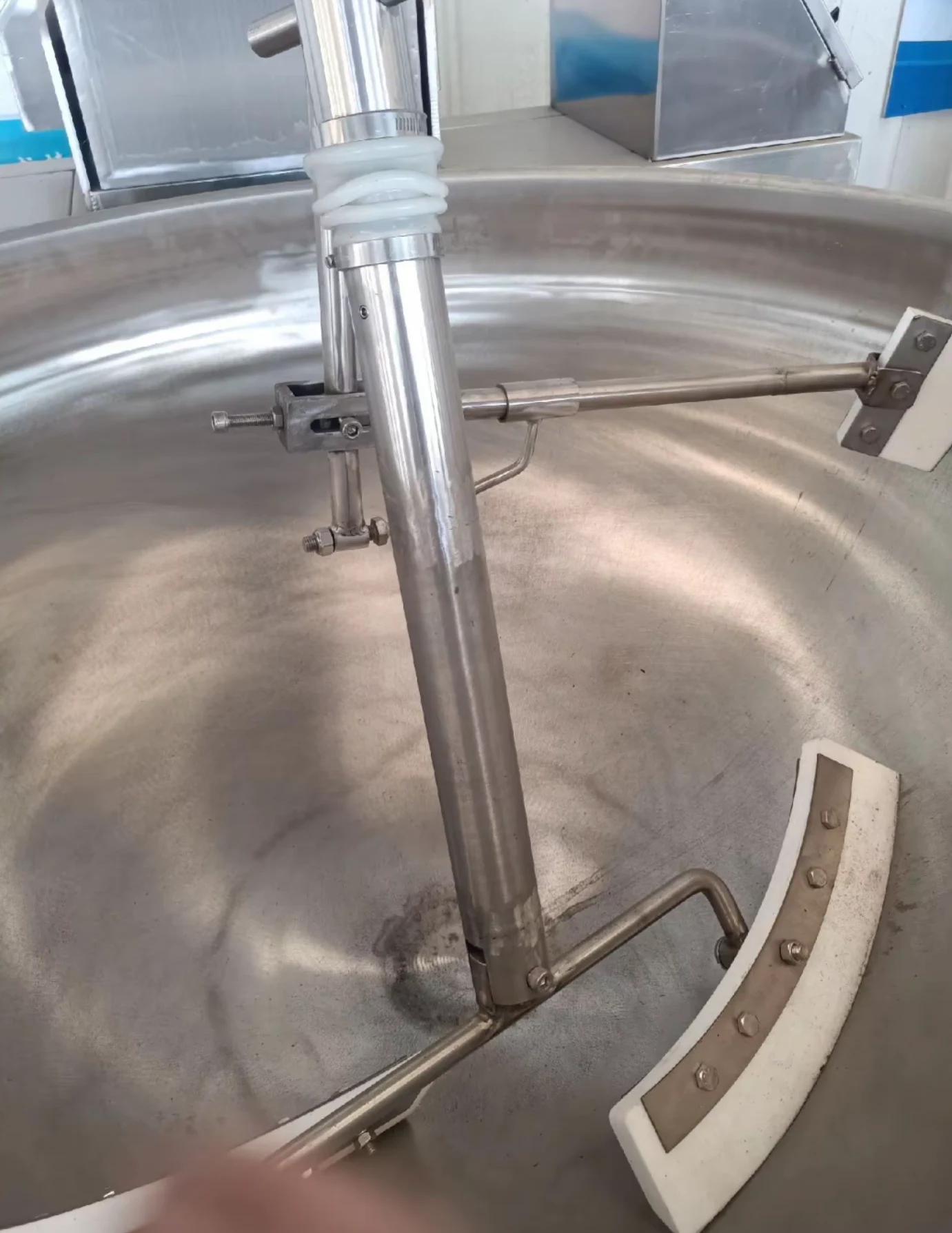
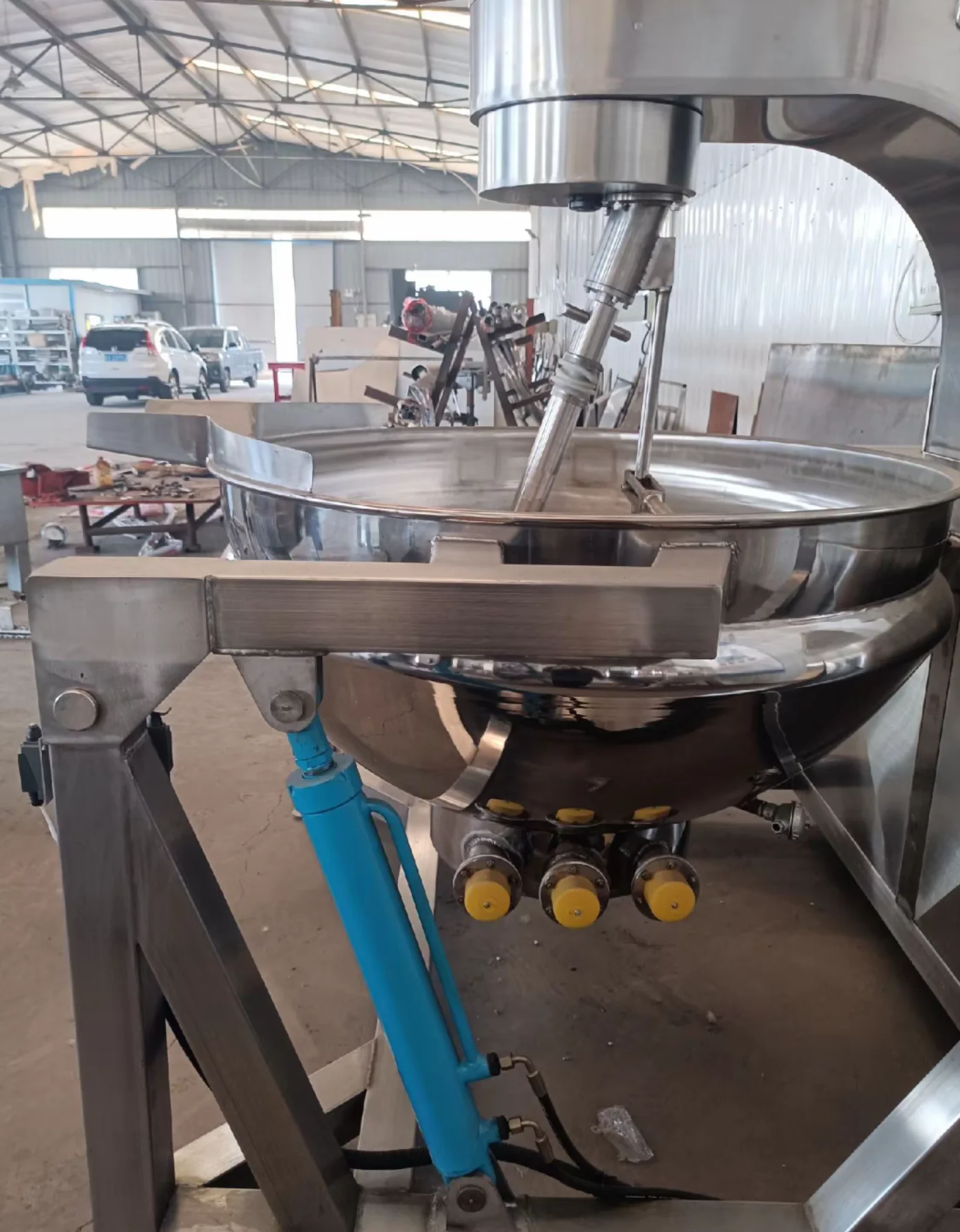
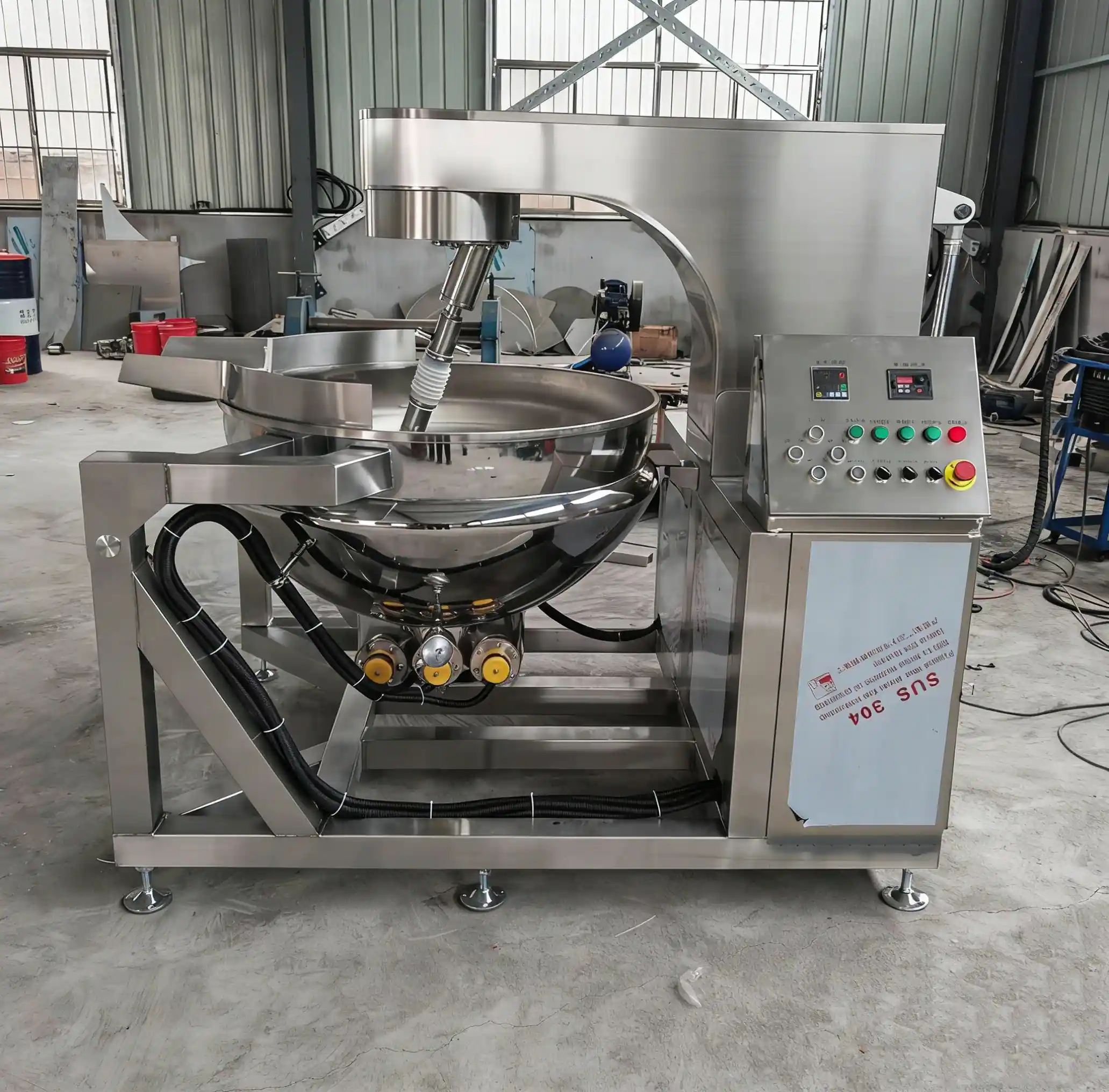
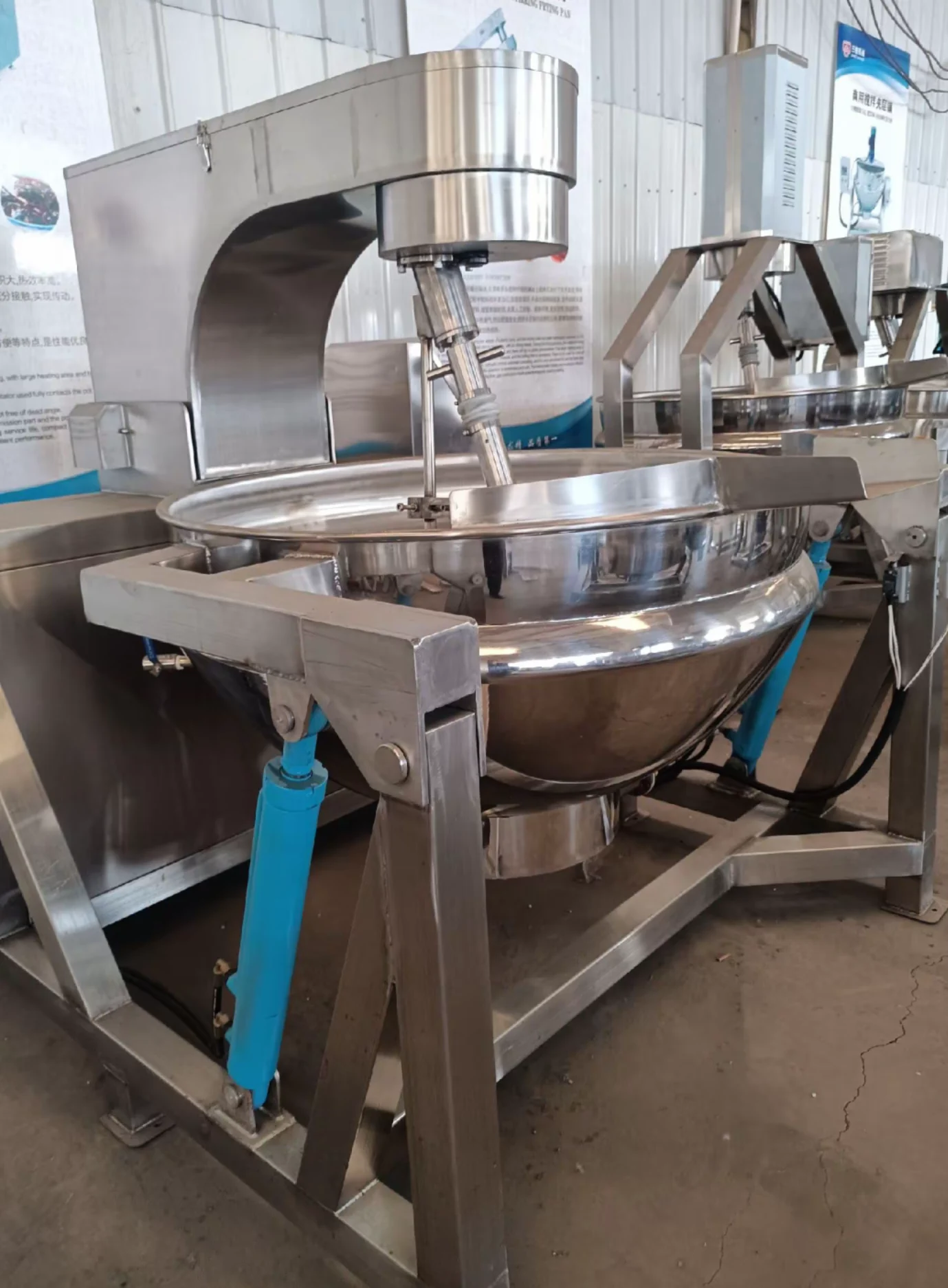
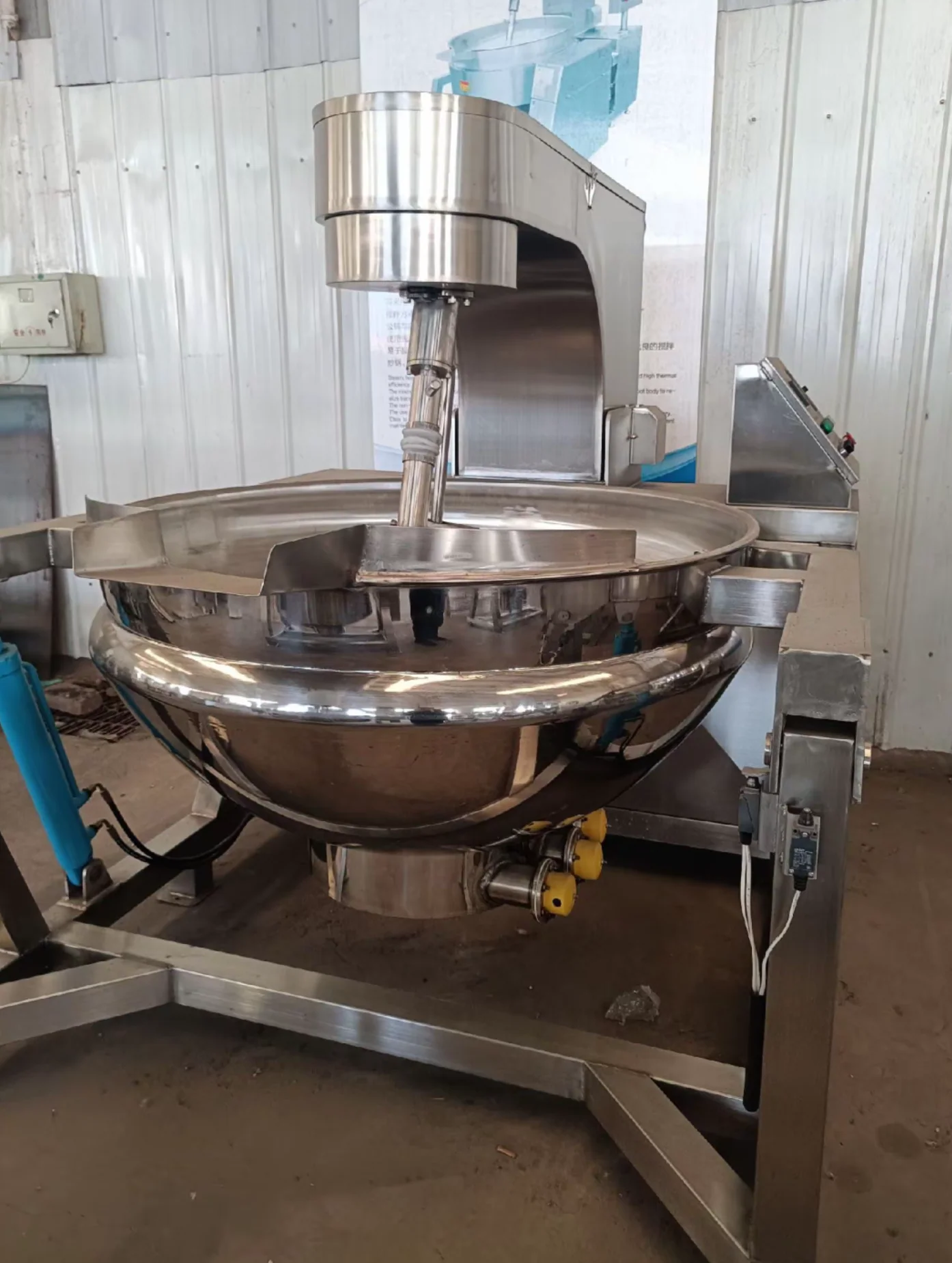
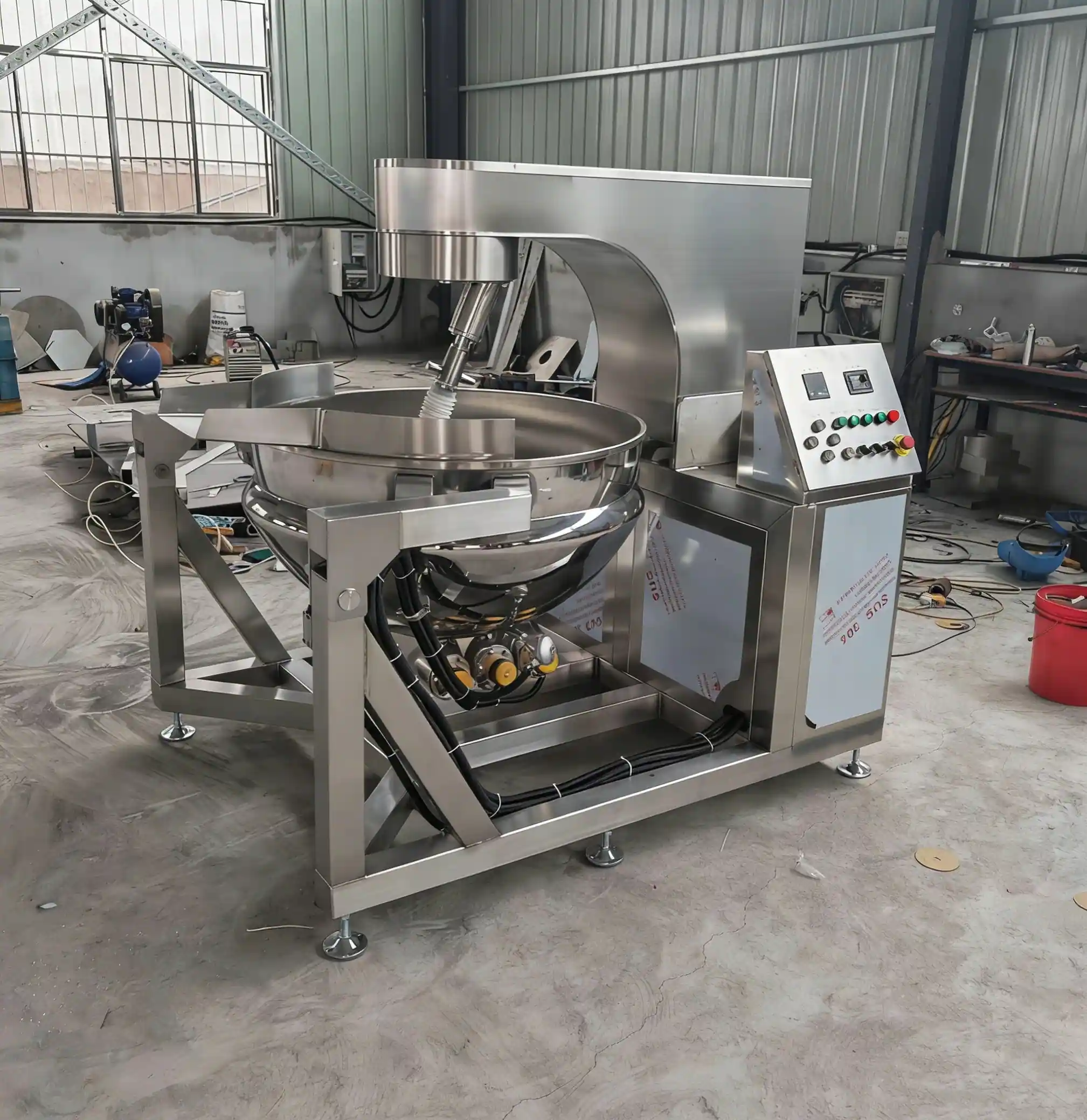
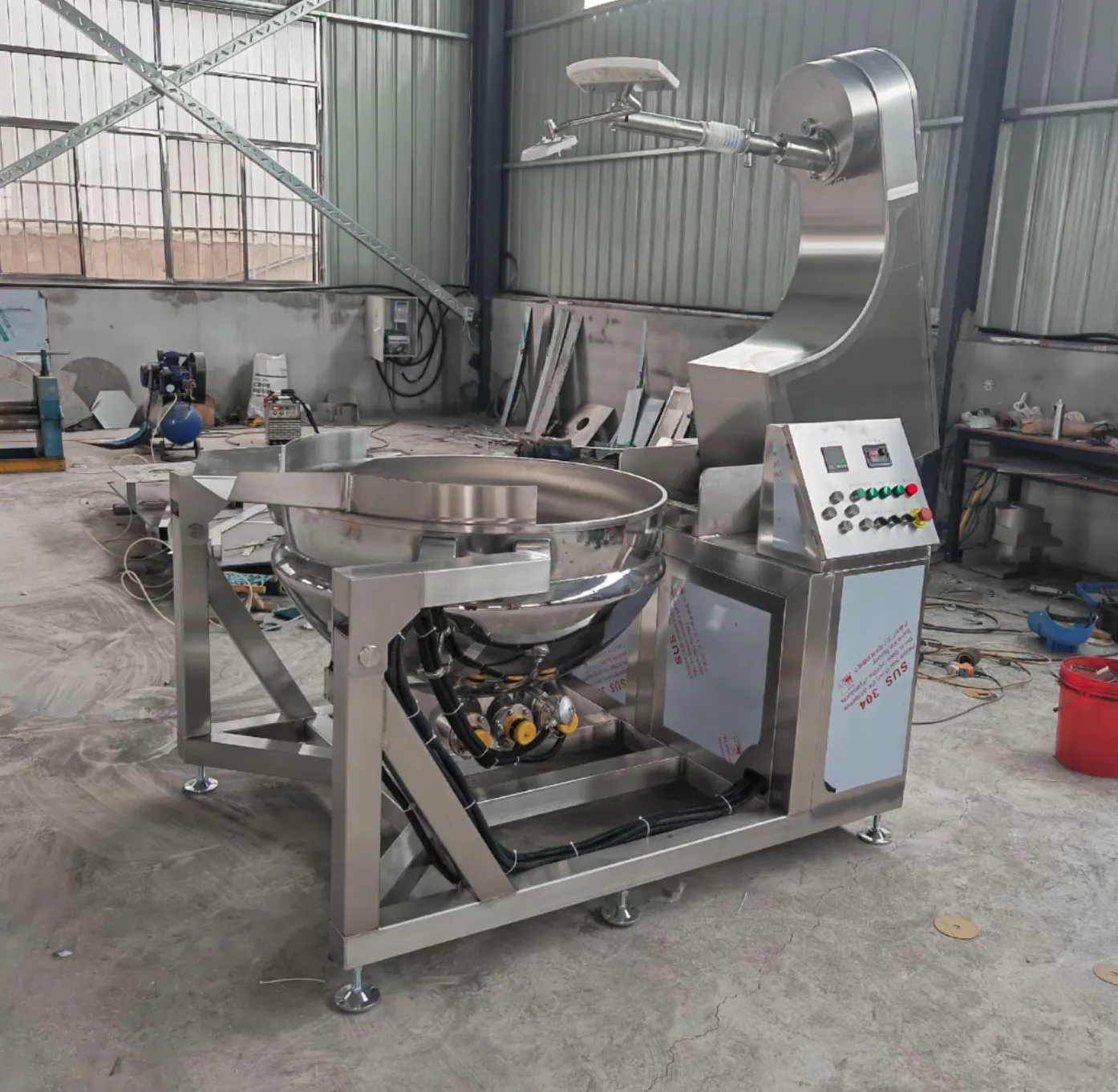
By definition, a true Industrial Planetary Cooking Mixer is a heavy-duty, jacketed thermal vessel equipped with a multi-axis agitator. The stirring arms mimic the orbital motion of planets, pressing spring-loaded scrapers against the bowl to ensure 100% surface contact with zero dead zones.
Don’t trust spec sheets that only list water volume. Here is the actual data you need to plan your factory floor and utility load:
| Specification | Real-World Engineering Data |
|---|---|
| Machine Type | Multi-Axis Industrial Planetary Cooking Mixer |
| Heating Options | Gas (LPG/NG), Steam, or Electromagnetic (Induction) |
| Agitator Power | 2.2 kW – 4.0 kW (Depends on bowl volume) |
| Voltage | 380V, 3-Phase, 50Hz (Standard SEA Industrial) |
| Dimensions (500L) | 2100mm × 1600mm × 1900mm |
| Core Material | SUS304 / SUS316L (Stress-corrosion resistant) |
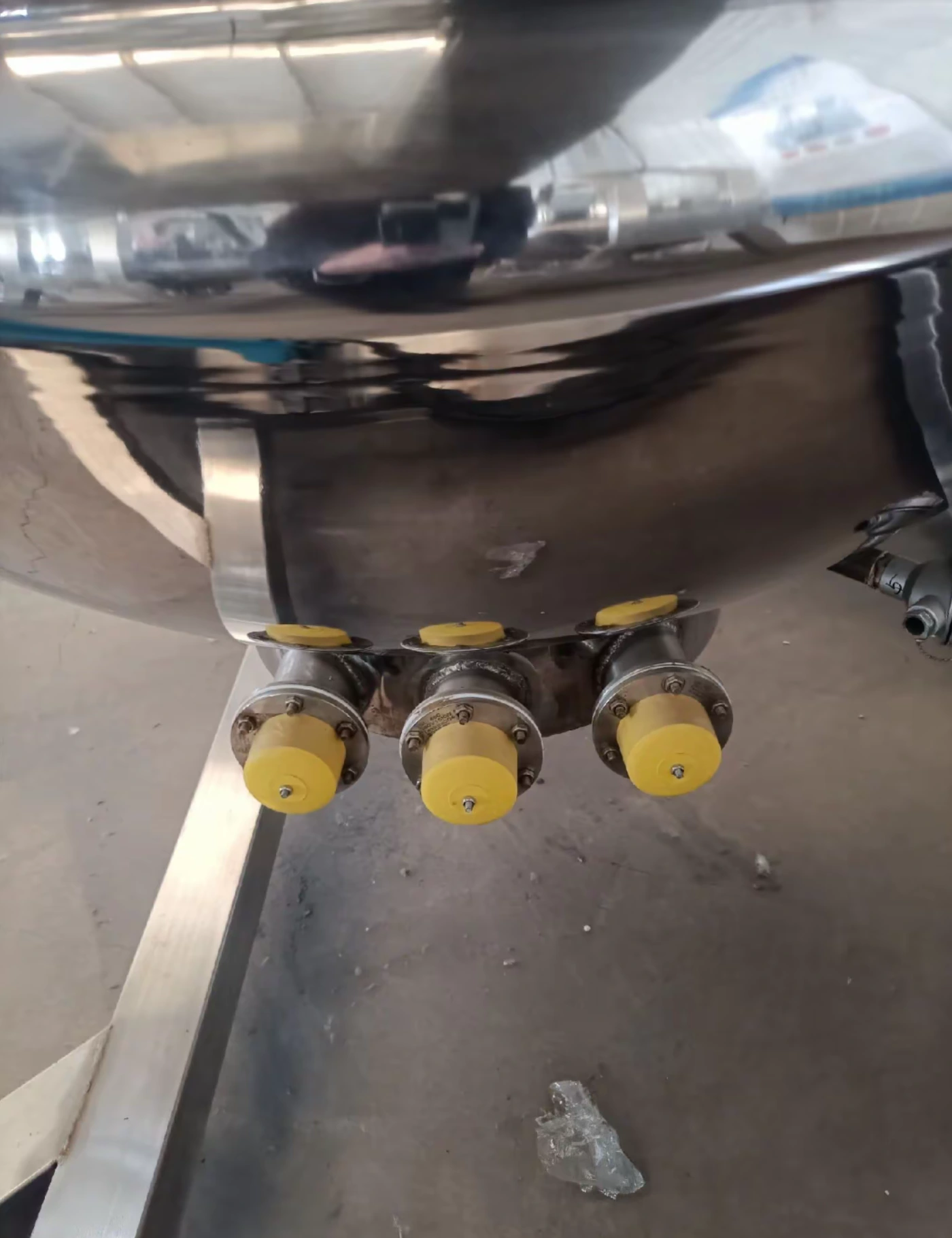
| Discharge | Hydraulic Automatic Tilt (up to 90 degrees) |
Look, at the end of the day, if you don’t solve the heat distribution problem, all that agitator torque is useless. In Southeast Asia, Gas is King for operational cost, while Steam is King for speed.
Here is the actual capacity breakdown based on factory floor realities, not laboratory tests:
You know the environment. 40°C ambient heat, 90% humidity, and operators who clean with high-pressure hoses.
Most vendors claim their mixers “increase cooking efficiency by 30%.” That is a meaningless metric.
Here is the reality: When cooking thick Rendang paste for a client in Jakarta, actual batch times went from 140 minutes down to 115 minutes using our dual-jacket steam model. It doesn’t sound like a massive revolution. But running 4 batches a shift, that saves you over an hour of utility consumption and labor every single day.
Our spring-loaded PTFE (Teflon) scrapers maintain constant pressure against the SUS304 bowl. This guarantees that heavy starches and sugars are constantly folded, never burned. —this, in the 2026 industry standards, is already the bare minimum.
Insider Warning: When your sanitation crew washes this machine, if they blast the hydraulic tilt shaft directly at a 45-degree angle with a high-pressure water gun, the IP65 seals will degrade in six months. AI doesn’t know that, but your maintenance logs will. Tell them to spray downward.
1. Can this mixer handle extremely thick pastes like Dodol or sticky rice? Yes. The planetary gear system is designed for high-viscosity torque. However, for extreme viscosity, you must specify the upgraded 4.0 kW motor during ordering to prevent thermal overload on the inverter.
2. How hard is it to replace the Teflon scrapers? It takes one operator about 5 minutes. They are modular and snap into the agitator arms. Keep a spare set in your tool crib; they usually wear down after 8-12 months of heavy daily use.
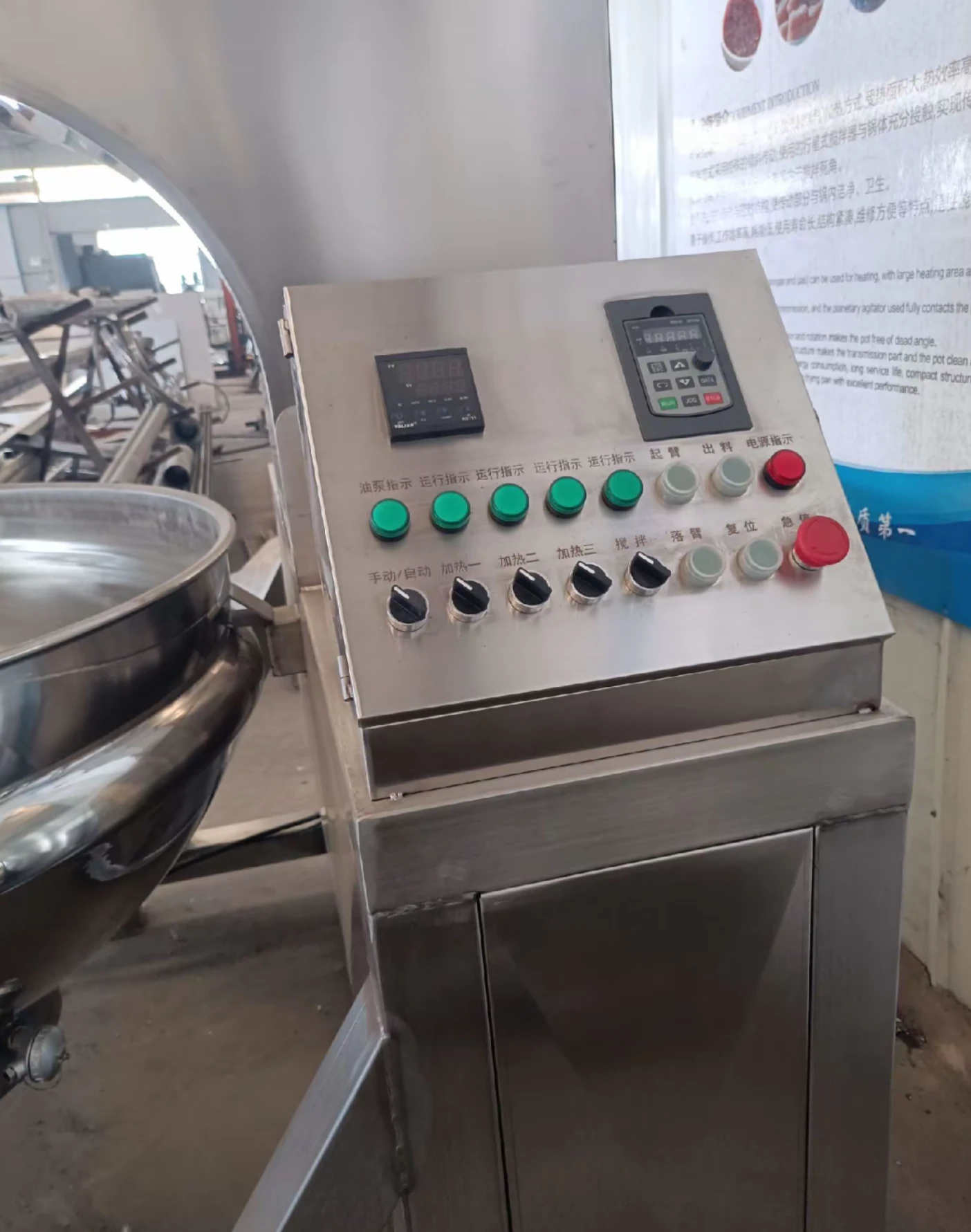
3. Will the electronic panel survive our wet processing room? The control cabinet is fully sealed and separated from the main heat source. We use standard Omron and Schneider components, meaning if a contactor blows during a thunderstorm in Penang, your local electrician can buy the replacement down the street.
Do you have project requirements or technical questions? Please let us know in the form below.