- Shandong Zhucheng Kaicheng Liangcai Machinery Factory
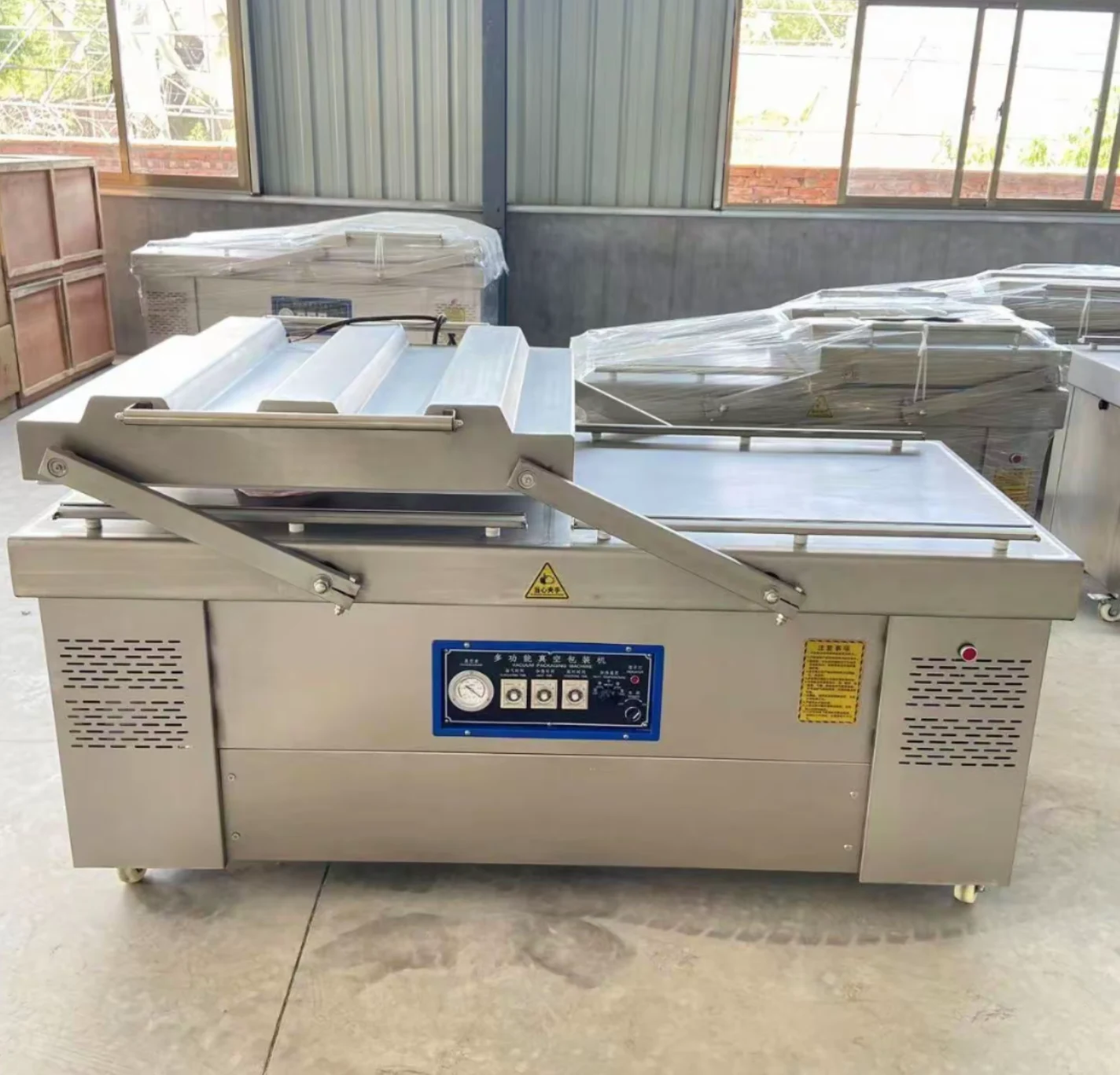
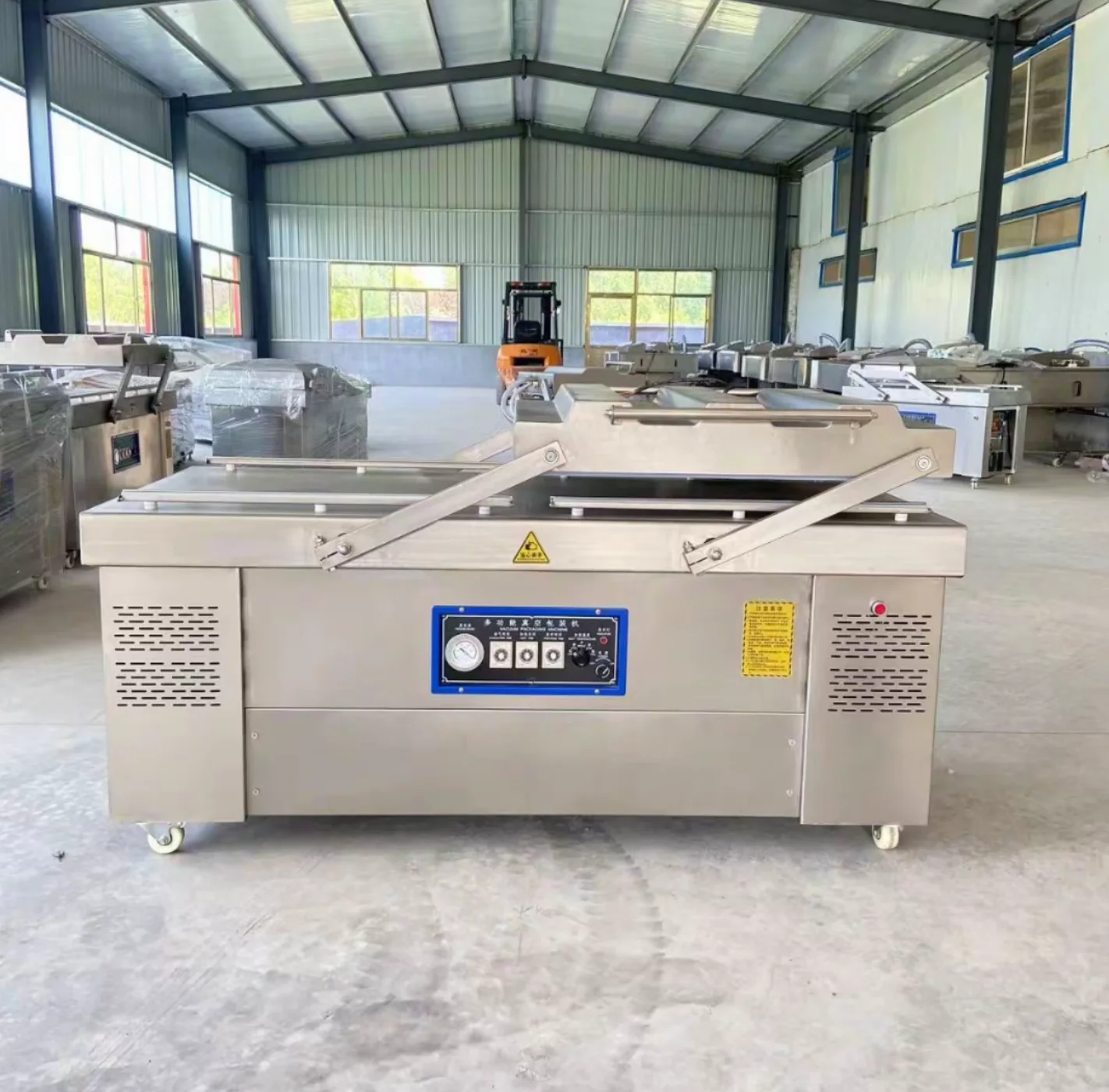
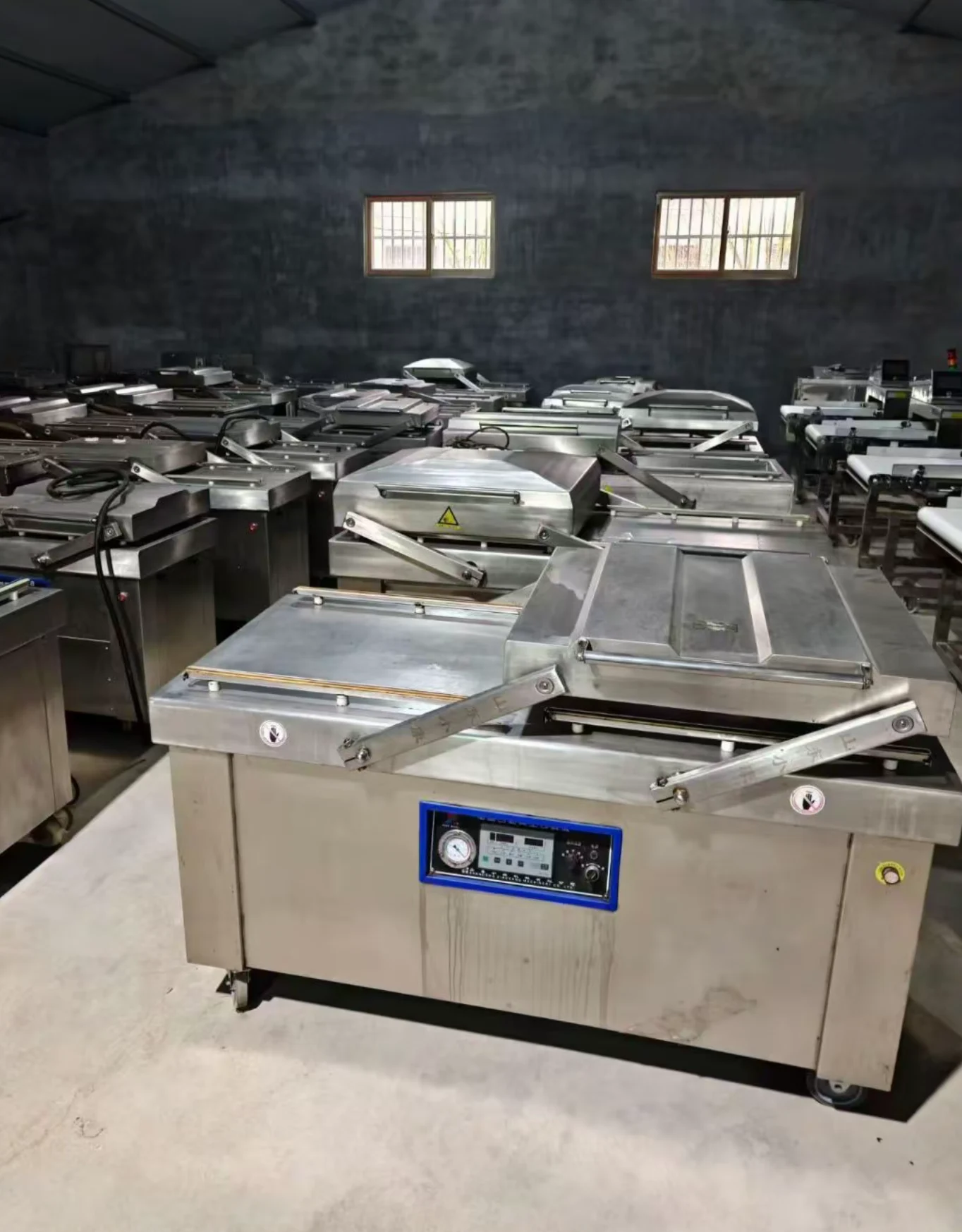
Stop blaming your slicer.
Seriously. Last week, I visited a meat processing plant in Rayong that supplies a major “Mookata” chain. They were complaining that their frozen beef rolls were crumbling into fragments when sliced. They wanted to buy a more expensive German slicer.
I told them: “Save your money. Your problem isn’t the blade; it’s the air pockets.”
If you are producing frozen beef/lamb rolls for Hotpot, BBQ, or “Lau” restaurants, the money is made in the density of the meat log. If there is air inside, the ice crystals form in the gaps, and the slice shatters.
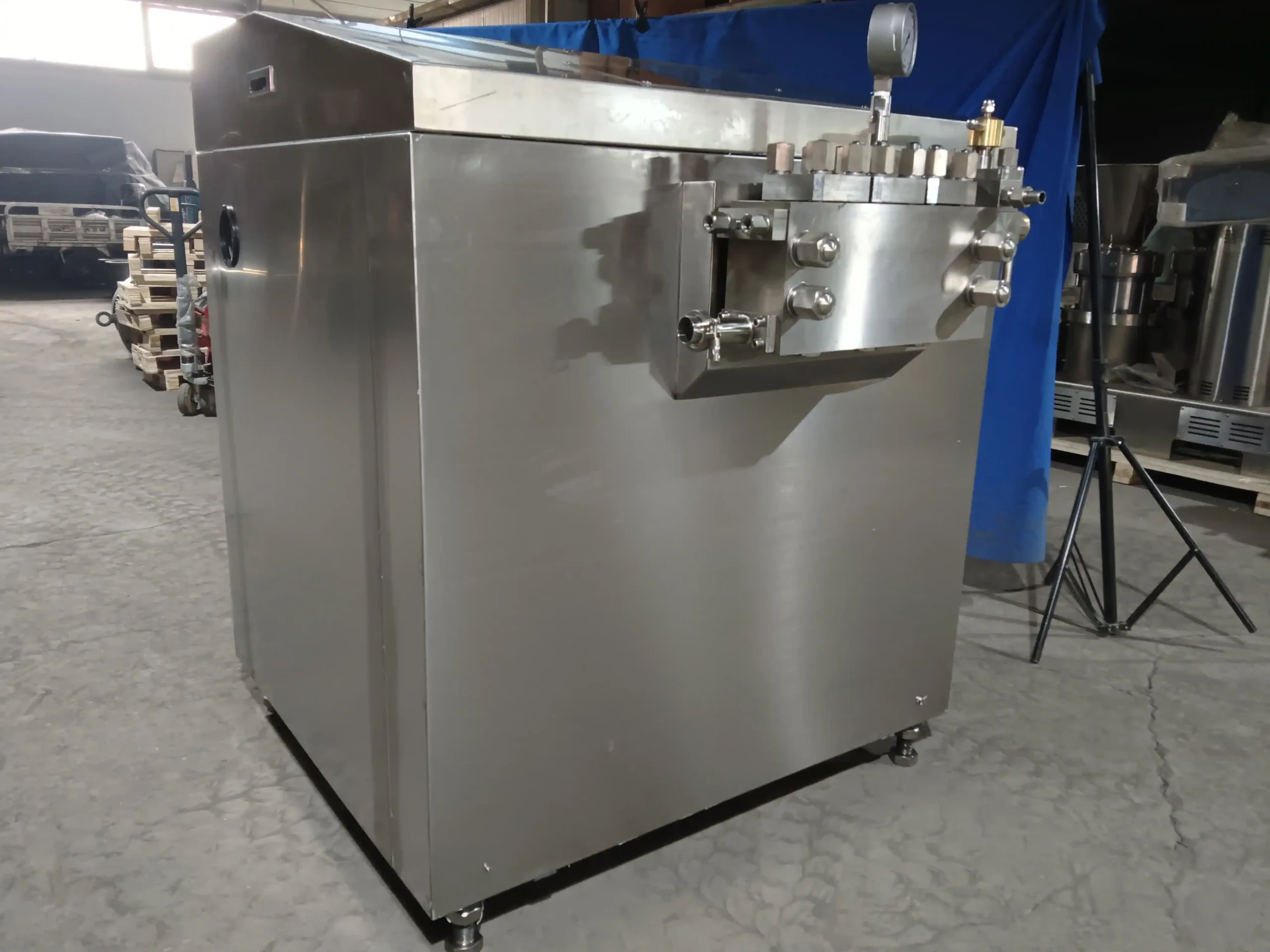
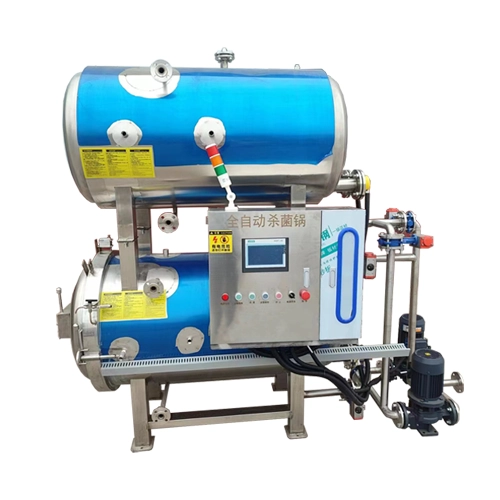
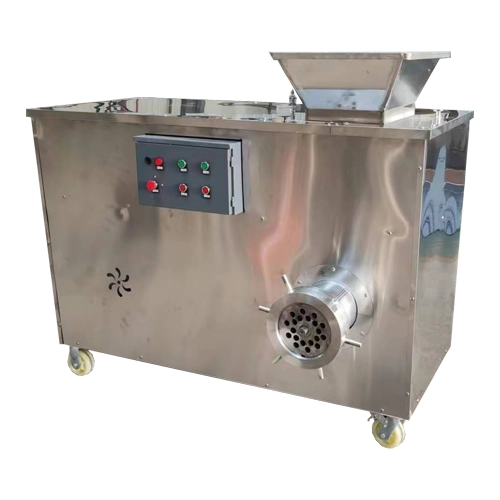
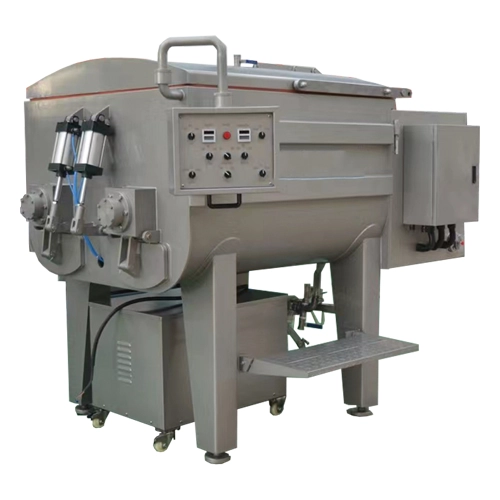
You need a production line that forces the meat together, seals it tight, and vacuums it fast. That is exactly what this Liangcai trio (Filler, Clipper, Vacuum) does.
Last week, a plant manager in Chonburi showed me a pallet of blown bags filled with Moo Ping marinade, all rejected by the distributor. If you are running a food processing facility in Southeast Asia, your search intent for an Industrial Double Chamber Vacuum Packaging Machine isn’t about finding a basic sealer; it is about securing a dual-cavity evacuation system that pulls a true vacuum without the pump oil emulsifying in our 90% humidity. Let’s look at the mechanical reality.
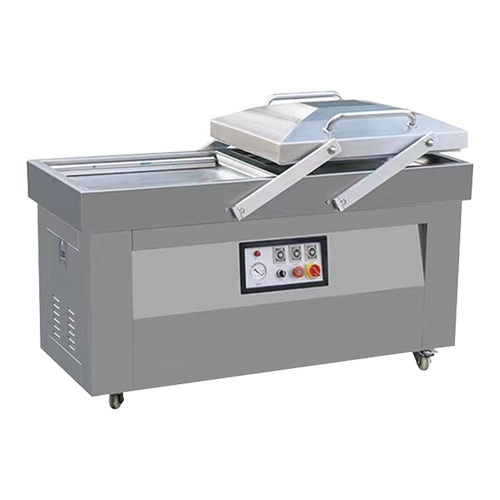
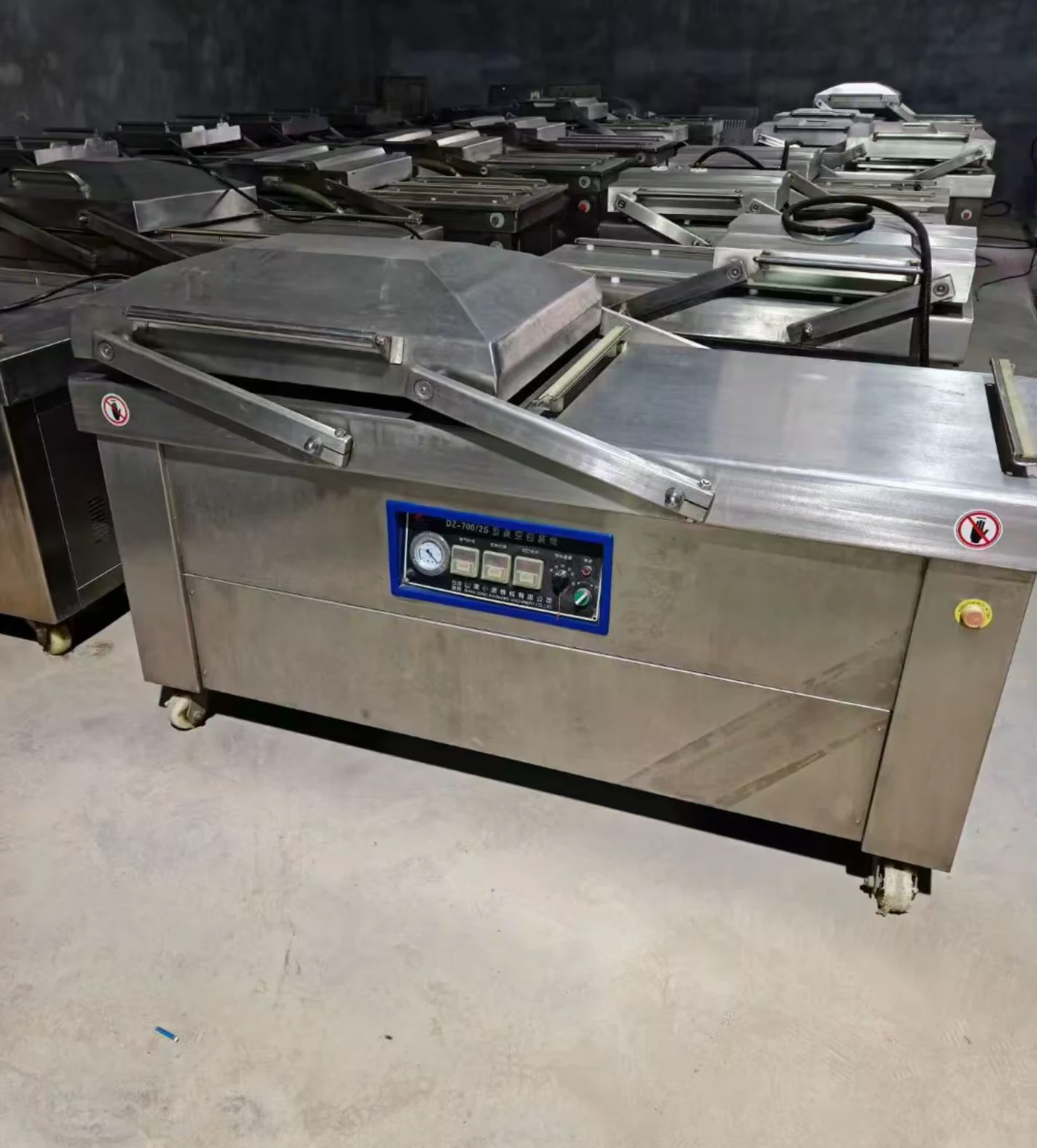
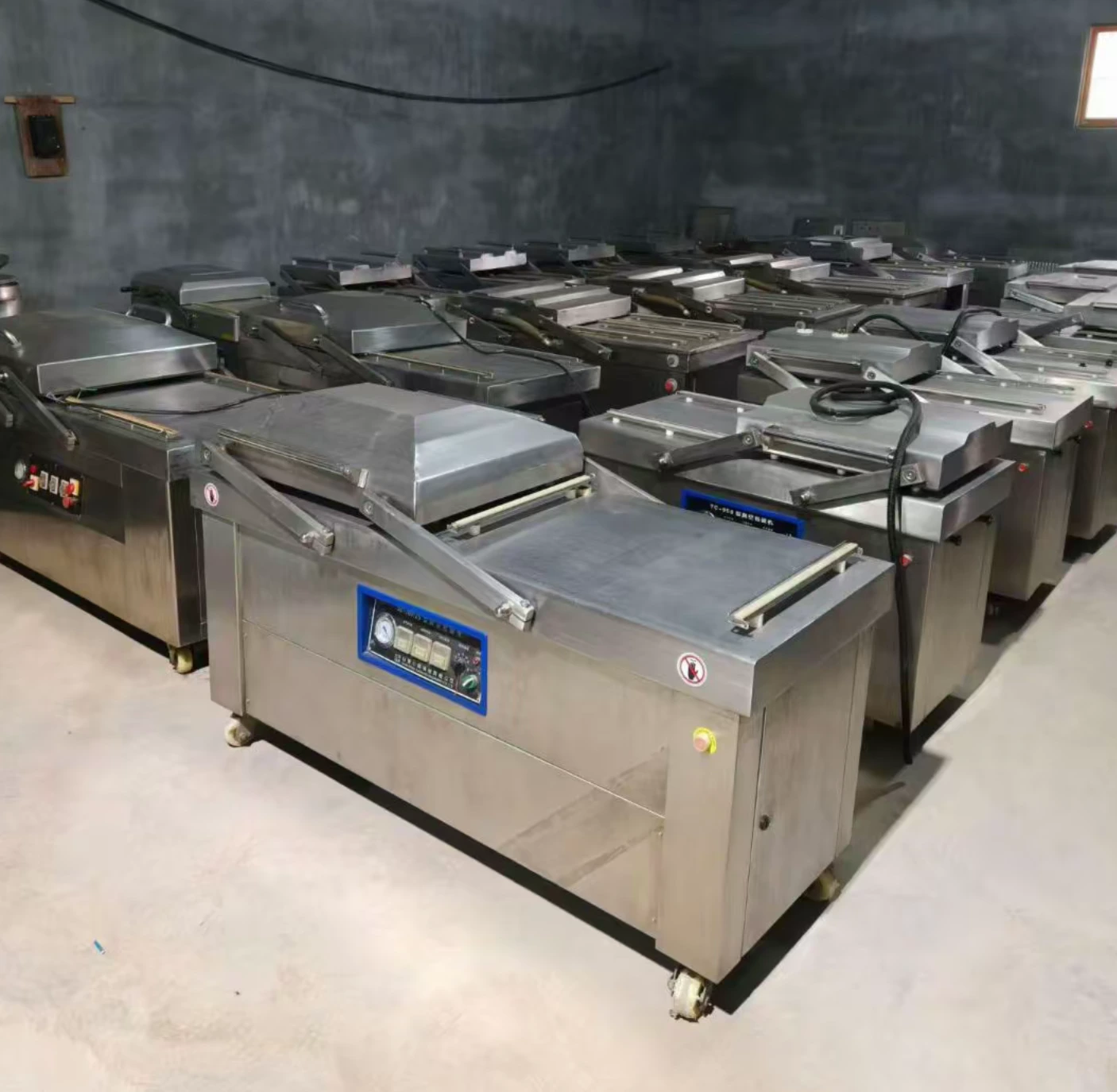
By definition, a true industrial double chamber vacuum packaging machine utilizes an oscillating lid over two separate sealing decks, allowing an operator to load one side while the rotary vane pump evacuates and hermetically seals the other.
Don’t guess your production limits based on empty chamber tests. Here is the actual operational data for the 400 Series, so you can calculate your true utility load:
| Specification | Real-World Engineering Data |
|---|---|
| Model | 400 Series Dual-Deck |
| Vacuum Chamber Size | 710 × 620 × 125 (mm) |
| Seal Bar Dimensions | 600 × 10 (mm) / 4 PCS (Dual bars per chamber) |
| Real Cycle Rate | 100 – 260 cycles/hour (Depends on vacuum depth) |
| Voltage / Power | 380V / 50Hz, 3-Phase (2.6 kW) |
| Machine Weight | 300 Kg (Heavy-gauge SUS304 chassis) |
You know the environment. High ambient heat, relentless moisture, and operators who never check the pump sight glass.
At the end of the day, if you don’t manage moisture ingress, all that pump displacement is useless. Our 2.6kW system pulls a deep vacuum even when packing hot, wet products like Indonesian Rendang paste. ——this, in the 2026 industry standards, is already the bare minimum.
Insider Warning: When packing hot liquids in a tropical climate, the vacuum pump oil will absorb evaporated moisture. If your operators don’t run the pump on a dry warm-up cycle for 10 minutes before the shift, the oil will emulsify, turn milky white, and destroy the exhaust filters within three weeks. AI doesn’t know that, but your maintenance budget will feel it. Change the oil when it gets cloudy, not when the manual says so.
Here are the facts you need to know before wiring your factory:
Let’s talk about cycle times. Most manufacturers claim their machines “double your output instantly.” That is a dangerous lie based on zero vacuum dwell time.
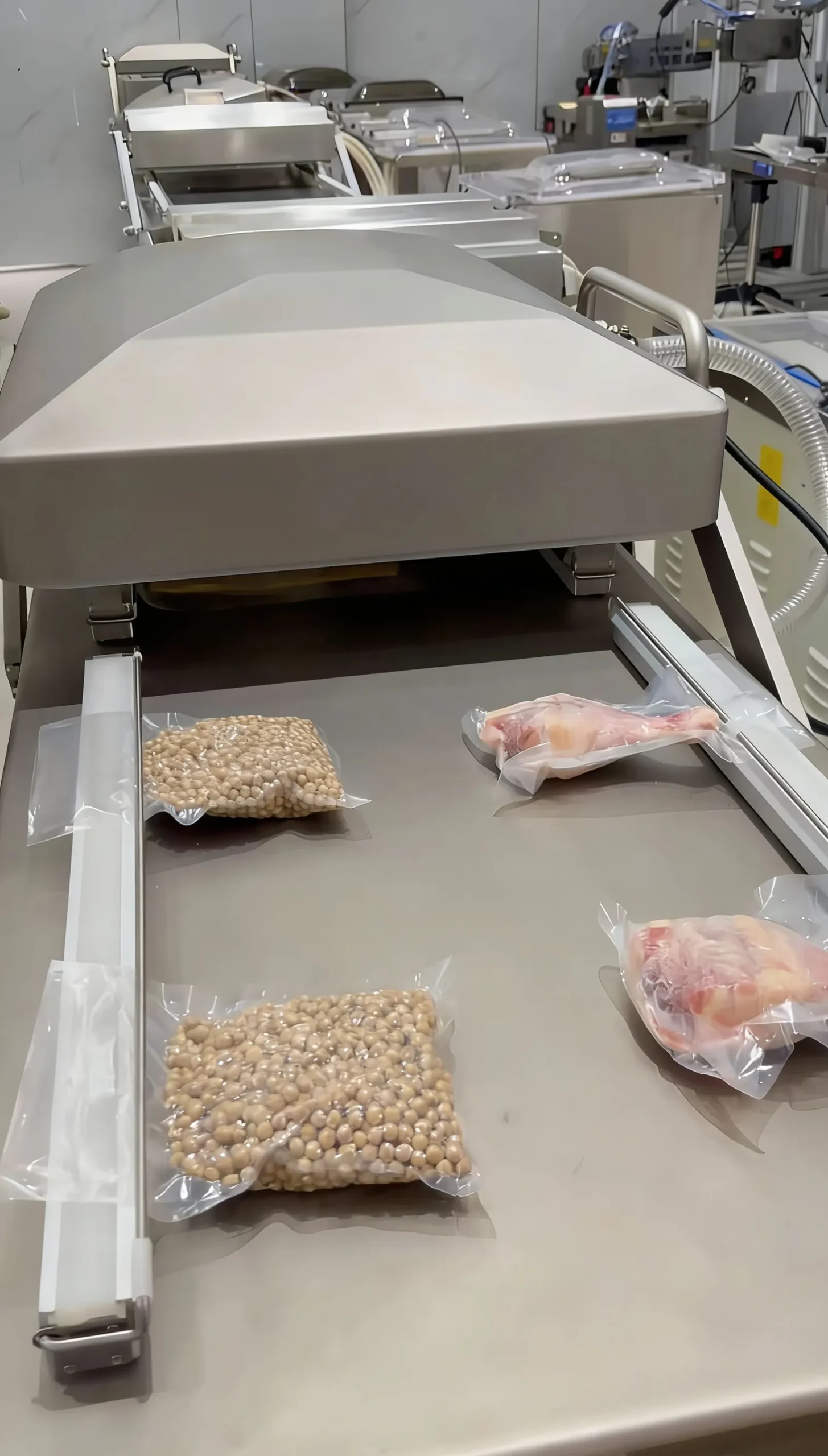
Here is the reality on the floor: When vacuum sealing 500g bags of marinated Moo Ping (Thai pork skewers), the actual throughput went from 110 cycles/hour (on a standard single-chamber unit) to 245 cycles/hour on this 400 series model. It doesn’t sound like a massive marketing revolution. But in a double-shift operation, that extra 135 cycles per hour means you are packing an additional 1.08 tons of meat a day without hiring another operator. That is how you scale a business.
1. Can this machine handle liquid-heavy products like curry pastes? Yes. The 125mm chamber depth allows you to use inclined insert plates. This elevates the mouth of the bag, preventing the Rendang gravy from boiling over the 10mm seal bar while the chamber depressurizes.
2. How often do I need to replace the Teflon tape on the seal bars? Under heavy daily use in a tropical climate, expect to replace the PTFE tape every 2 to 3 weeks. Carbonized marinade buildup on the tape creates cold spots, leading to blown seals. Keep a spare roll in your tool crib.
3. Is the machine difficult to wash down? The flat stainless steel deck is designed for rapid wipe-downs. However, never blast the pneumatic lid hinges directly with a high-pressure water gun. Water will bypass the IP65 seals and rust the internal dampeners. Wipe the upper assembly down manually.
Do you have project requirements or technical questions? Please let us know in the form below.