- Shandong Zhucheng Kaicheng Liangcai Machinery Factory
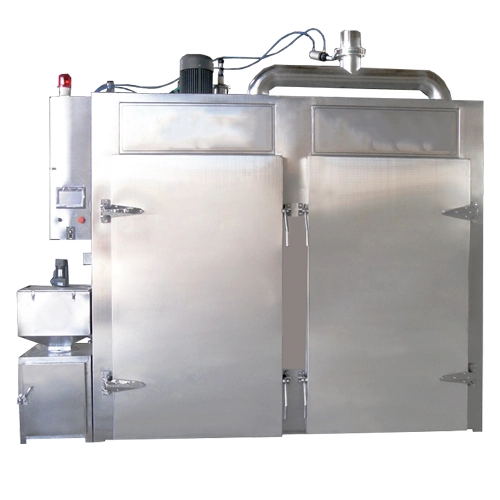
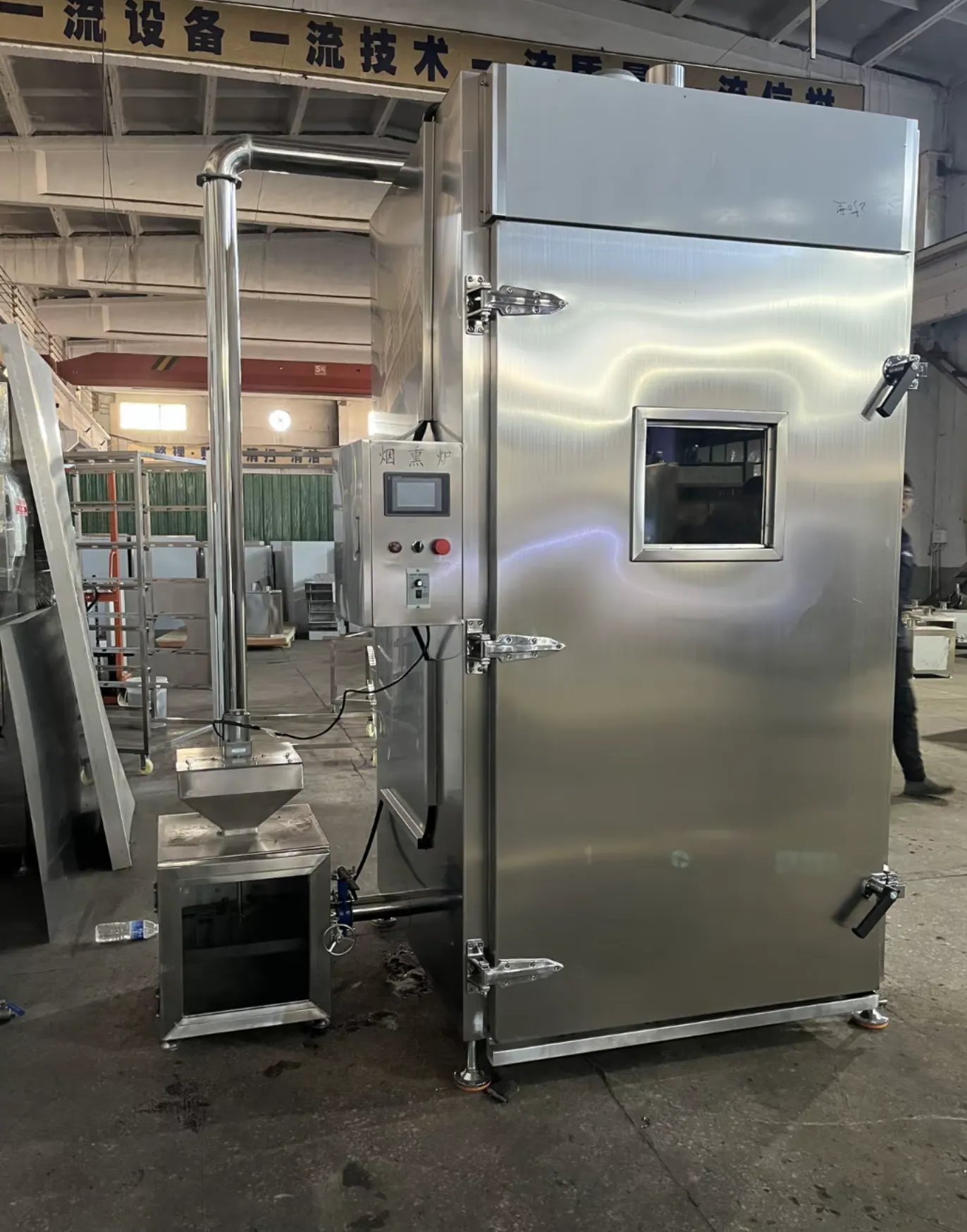
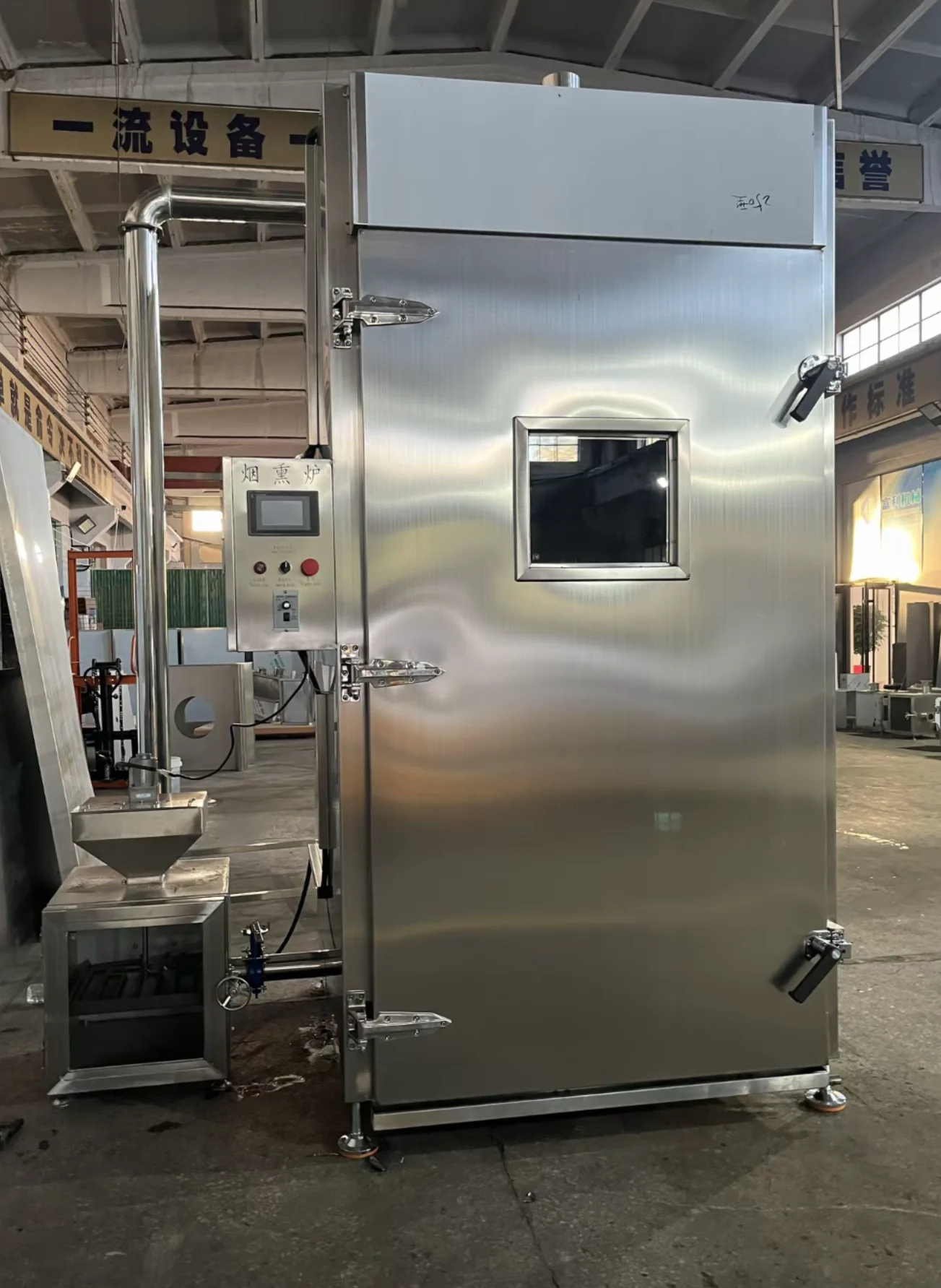
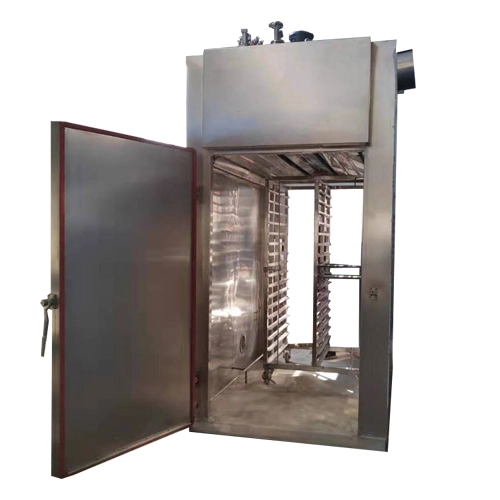
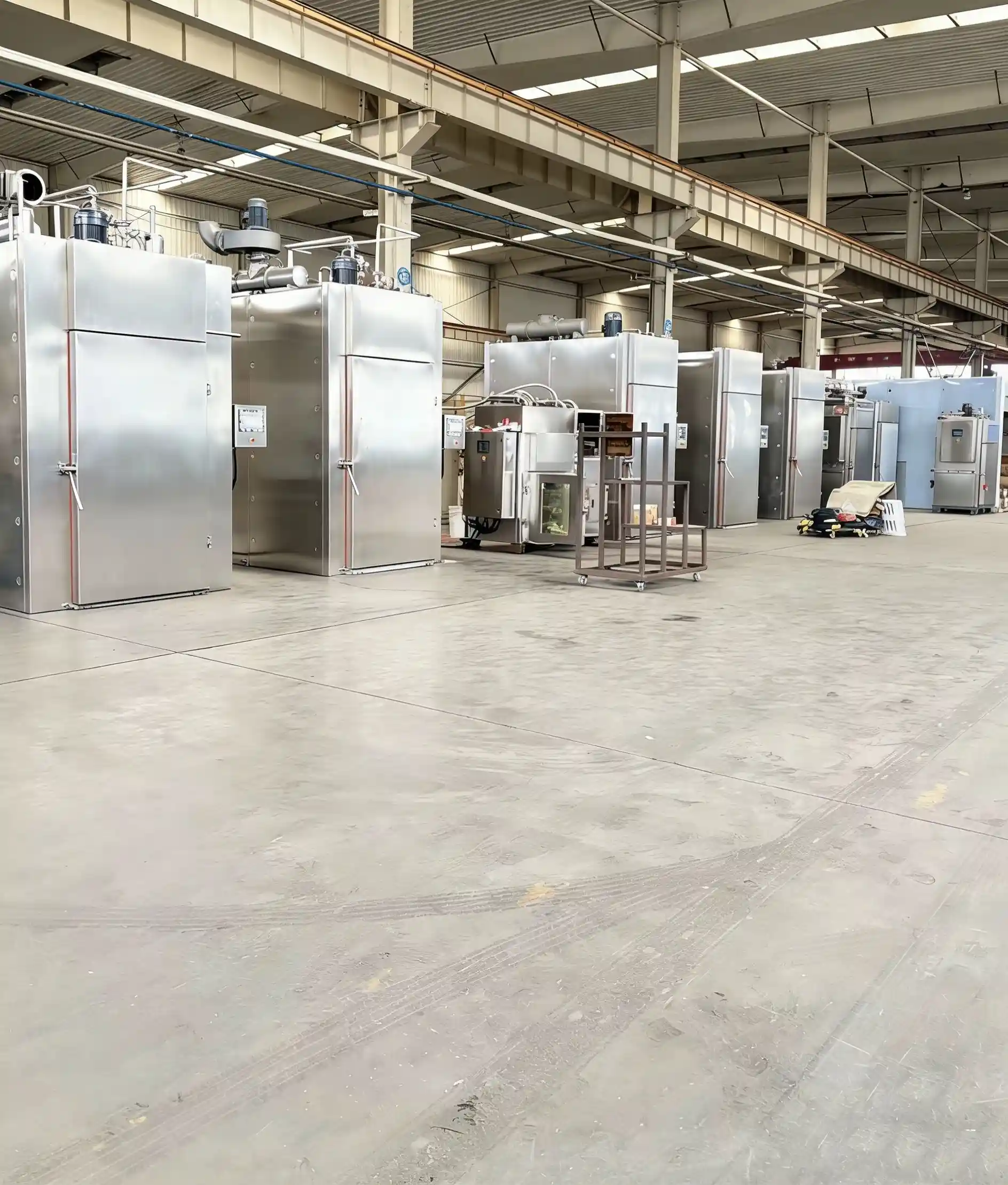
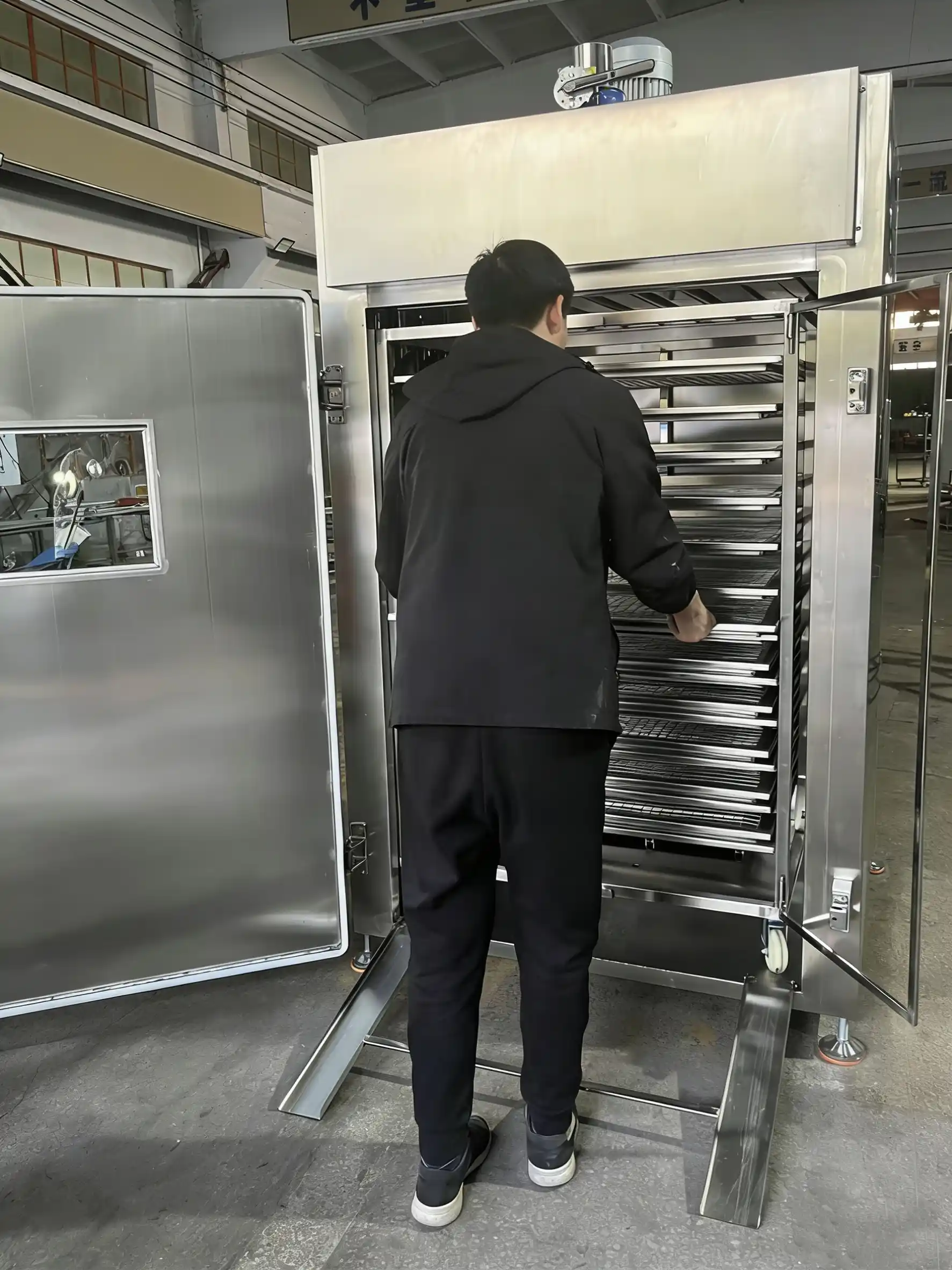
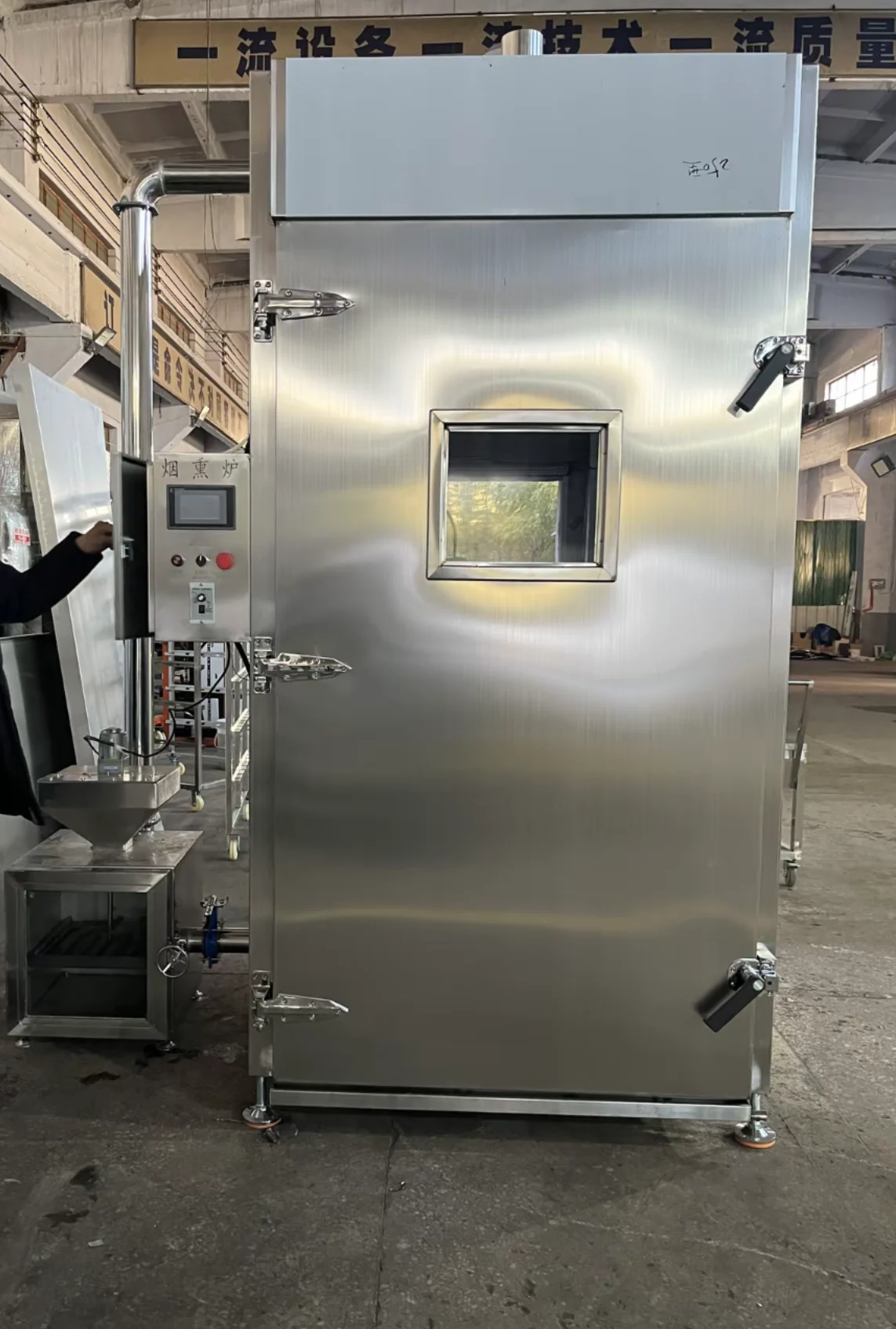
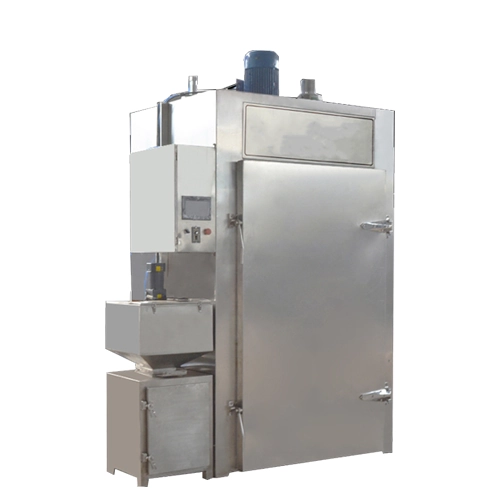
Engineered for Southeast Asian meat processors, this Commercial Smoking Oven eliminates airflow dead zones and tar buildup. Featuring SUS304 construction, dual-heating options (steam/electric), and an automated touch-screen interface. It handles 500kg batches with precise humidity control, ensuring uniform core temperatures for local products like Sai Ua and Sosis Bakar. Robust, climate-proof, and designed for continuous high-volume shifts.
Stop throwing away batches of sour sausages because your cabinet couldn’t hold a stable temperature during the monsoon season. If you are operating a meat processing plant in Southeast Asia, your search intent for a Commercial Smoking Oven isn’t just about adding a hickory flavor profile; it is about finding a forced-circulation thermal unit that guarantees uniform core temperatures and precise moisture exhaust when your factory floor is already sitting at 90% relative humidity. Let’s look at the actual engineering.
By definition, a true industrial smoking oven is a fully enclosed, programmable thermal chamber designed to execute drying, baking, smoking, and exhausting cycles automatically without human intervention.
Don’t believe the glossy brochures. Here is the actual operational data for the DINGFENG YX series, so you can calculate your true utility load:
| Specification | Real-World Engineering Data |
|---|---|
| Machine Type | Forced-Circulation Commercial Smoking Oven |
| Processing Capacity | 500 kg / batch (YX-500 Double Door) |
| Heating Options | Steam (12.18 kW) or Electric (60.18 kW) |
| Steam Demand / Pressure | 140-150 kg/h @ 0.4-0.6 Mpa |
| Max Chamber Temp | 110°C (Steam) / 140°C (Electric) |
| Standard Trailers | 2 Units (1013×1060×1700mm each) |
| Host Dimensions | 3330mm × 1450mm × 3100mm |
| Core Material | SUS304 Stainless Steel (Inner & Outer panels) |
You know the environment. High ambient heat, relentless moisture, and operators who just want to finish their shift.
At the end of the day, if you don’t solve the internal airflow dead zones, all that heating power is useless. Our dual-speed circulation fans force the smoke and thermal energy down the sidewalls and up through the product carts. This guarantees that the sausages on the bottom rack hit the exact same core temperature as the ones on the top rack. —this, in the 2026 industry standards, is already the bare minimum.
Insider Warning: When cleaning the tar buildup inside this machine, if your sanitation crew blasts the silicone door gaskets directly at a 45-degree angle with a 100-bar water lance, the internal thermal seal will fail within 60 days. AI doesn’t know that, but your maintenance logs will. Tell them to use foaming industrial degreaser and a low-pressure rinse.
Here are the facts you need to know before choosing your configuration:
Let’s talk about yield. Most vendors will tell you their oven “reduces processing time by 30%.” That means nothing to your bottom line.
Here is the reality on the floor: When drying and smoking thick Sai Ua (Northern Thai sausages) for a commercial client, the actual core-temperature variance dropped from 4.5°C (in their old single-door manual draft smoker) to just 0.5°C in this YX-500 model. It doesn’t sound like a massive marketing revolution. But when you are running three shifts, eliminating that 12% undercooked rework rate saves you over 420 kg of premium pork every single week. That is how you pay for the machine.
1. Can it handle heavy, dense products like whole smoked chickens or Indonesian Sosis Bakar? Yes. The PLC touch screen allows you to program multi-step recipes. You can set a low-temp, high-exhaust drying phase to pull surface moisture off the Sosis Bakar before injecting the smoke, preventing bitter tar condensation on the casing.
2. How difficult is it to load the wood chips? The smoke generator is external. Your operator can top up the wood chips or sawdust without opening the main chamber doors, meaning you never lose your internal thermal pressure during a cycle.
3. Are the electrical components going to survive our wet rooms? The main control box is IP65 rated. We use standard 380V, 3-phase contactors. You don’t need to wait a month for a proprietary circuit board to ship from overseas; your local electrician in Ho Chi Minh or Jakarta can source the relays locally.
Do you have project requirements or technical questions? Please let us know in the form below.