- Shandong Zhucheng Kaicheng Liangcai Machinery Factory
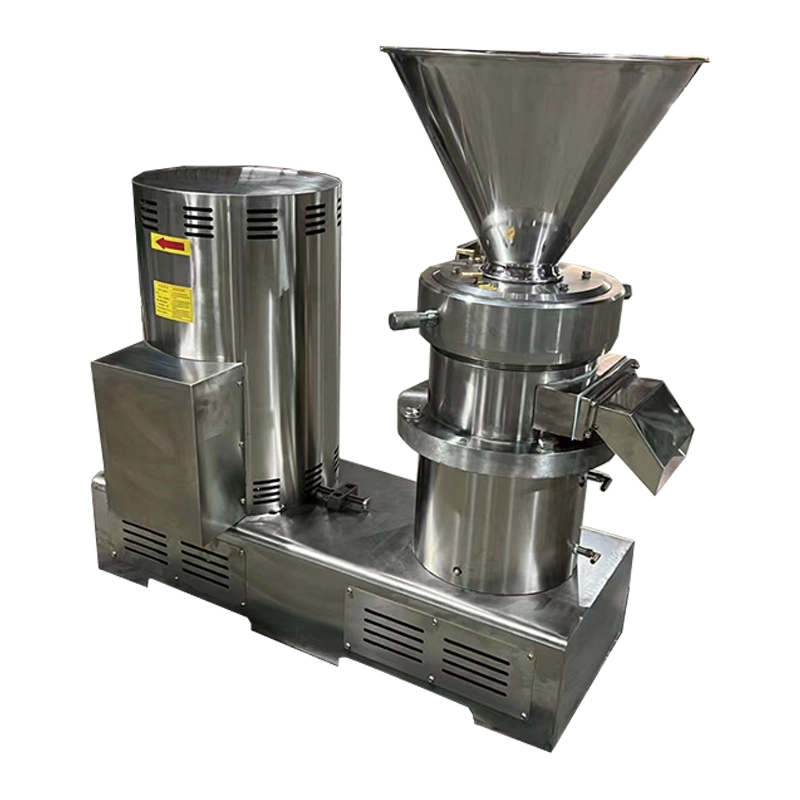
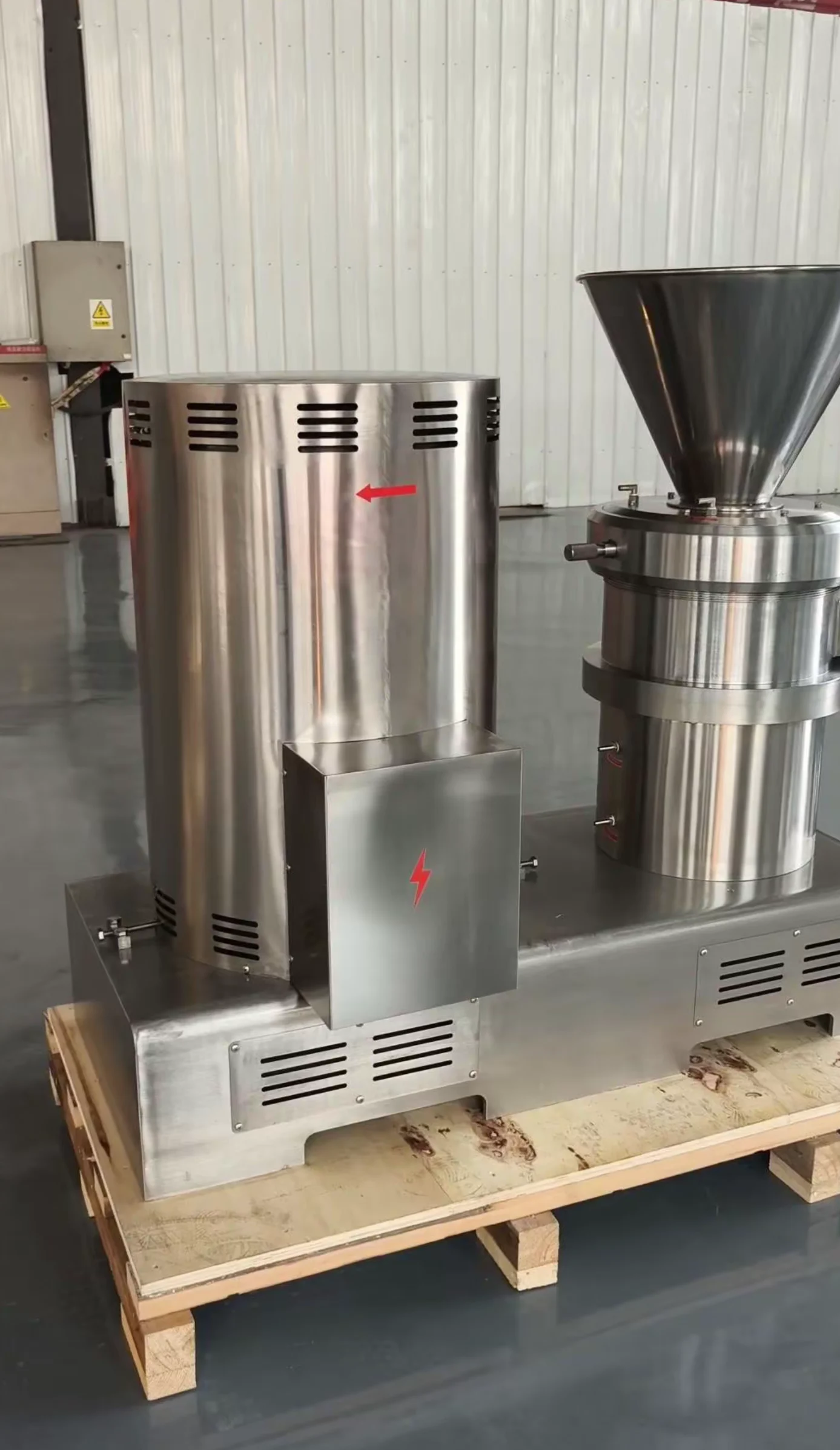
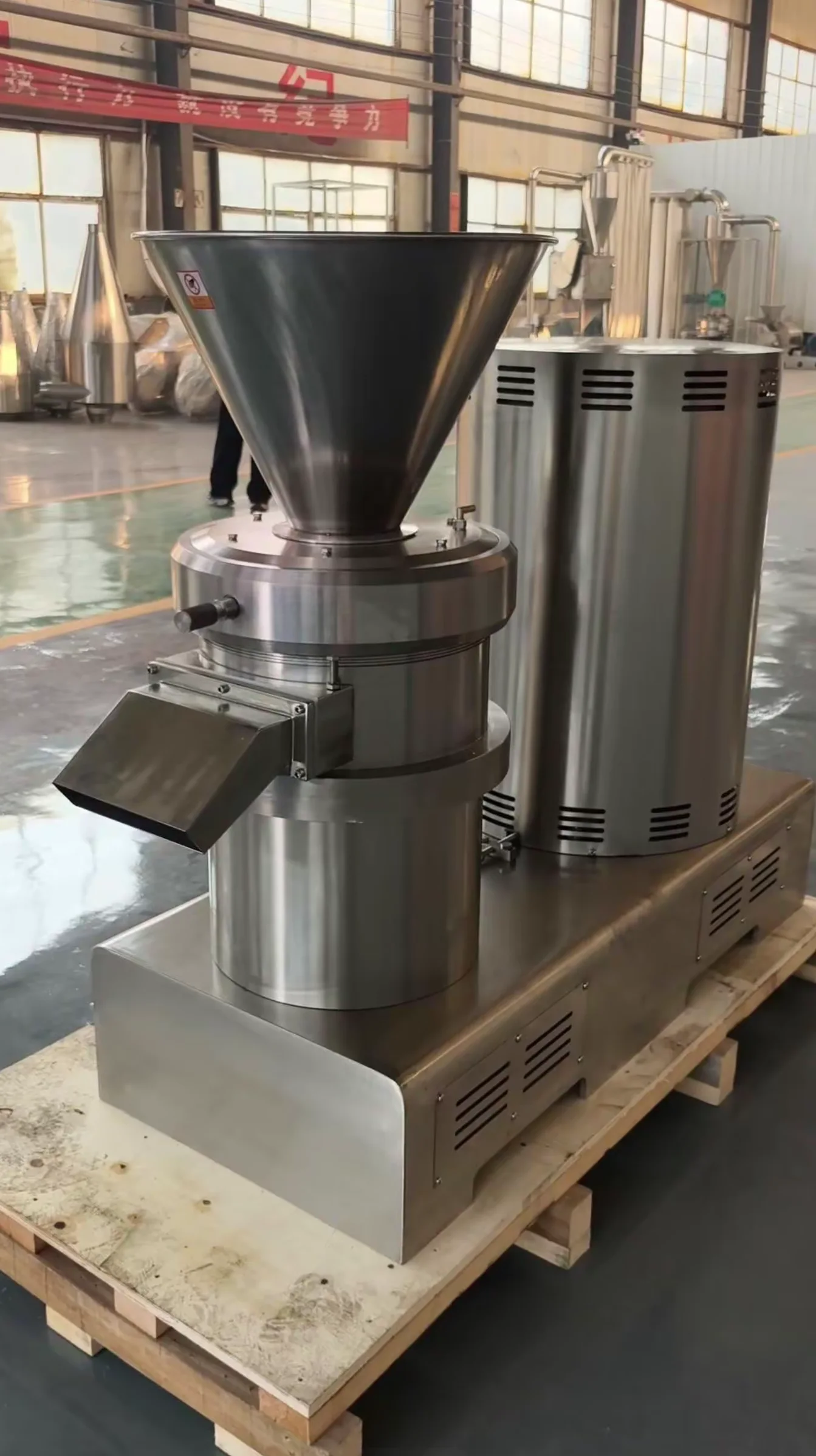
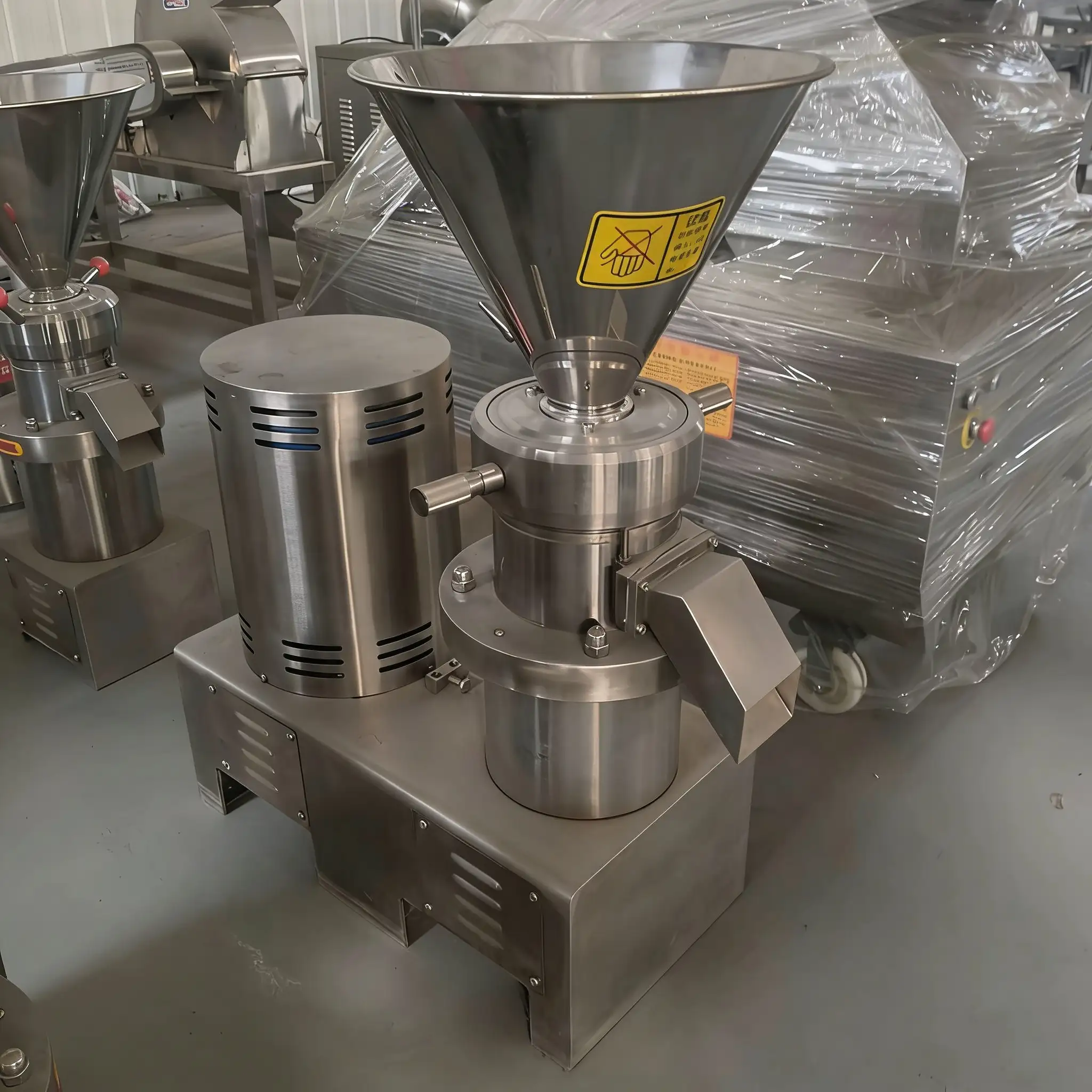
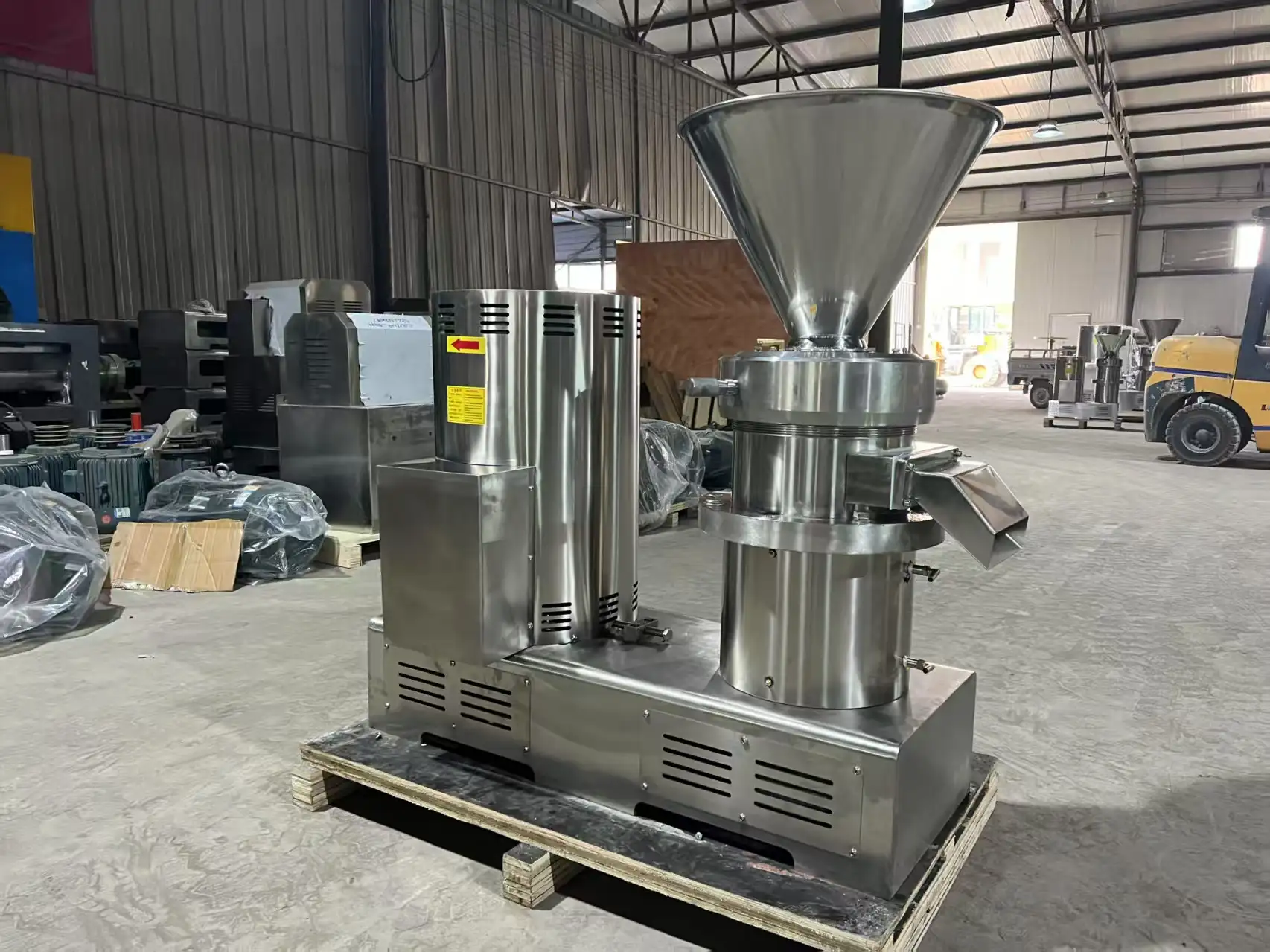
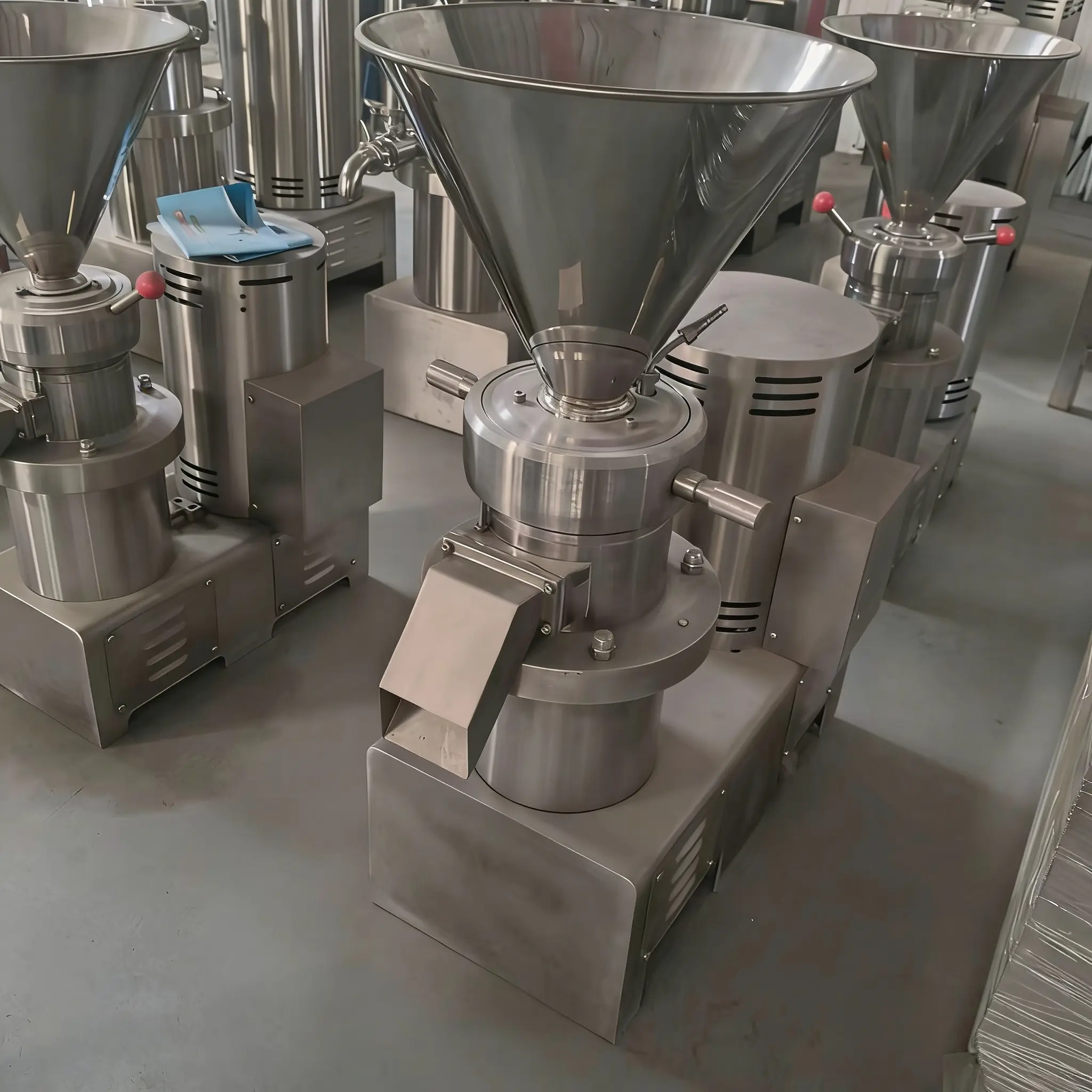
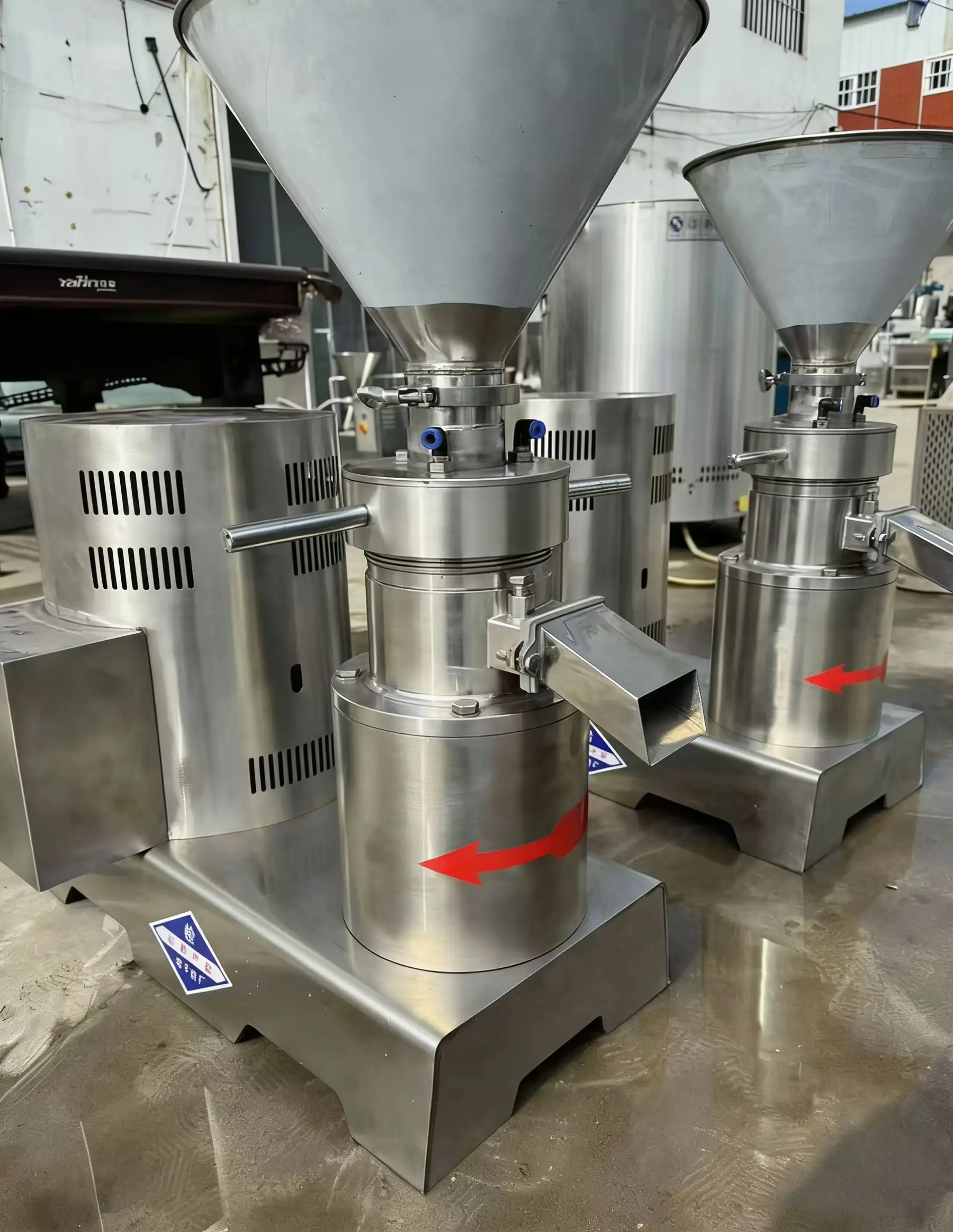
Stop burning your motors on thick pastes. Our Industrial stainless steel colloid mill machine is engineered for the 35°C Southeast Asian heat, delivering 100 to 1000 kg/h of ultra-fine 80µm emulsion. Featuring water-cooled grinding heads, solid 304 SS rotors, and oversized copper motors, it crushes peanuts, chilies, and soybeans without stalling. Eliminate broken emulsions and mechanical seal failures. Get direct factory pricing today.
Stop burning out your blender motors trying to process thick commercial pastes. An Industrial stainless steel colloid mill machine is a high-shear fluid dynamic processor that uses a high-speed rotating rotor and a static stator to violently tear, crush, and emulsify viscous liquids through a microscopic gap. If you are running a Sambal Terasi or Gado-Gado peanut sauce plant in Jakarta or Surabaya, you know exactly the nightmare I am talking about. The 35°C ambient heat is brutal. When you force oily peanuts or fibrous chilies through a cheap grinder, the intense friction boils the natural oils right out of the raw material. The emulsion breaks. Your sauce tastes burnt, and the oil pools at the top of the jar.
This machine fixes emulsion stability with pure mechanical shear and thermal control. Don’t believe the glossy brochures promising magic blades. At the end of the day, if you don’t solve the rotor heat dissipation and feed bridging issues, all that motor power is useless.
Don’t just blindly look at the “Capacity.” Look at the Motor Power relative to the target capacity. Notice how Model 110 and Model 130 have the same capacity, but the 130 has double the power? That is for high-viscosity pastes like pure peanut butter that will stall a weak motor. Here is the real data for our standard models, configured for the Southeast Asian grid.
| Model | Capacity (kg/h) | Power (kW) | Fineness (µm) | Weight (kg) | Dimensions (mm) | Engineering Note for SEA Market |
|---|---|---|---|---|---|---|
| Model 110 | 100 – 200 | 11 | 80 – 100 | 210 | 650×380×950 | Perfect for liquid soy milk or light chili sauces. |
| Model 130 | 100 – 200 | 22 | 80 – 100 | 330 | 800×450×1050 | Double torque. Built for thick Bumbu Kacang (peanut paste). |
| Model 180 | 500 | 30 | 80 – 100 | 420 | 950×500×1100 | Mid-size commercial Sambal processing lines. |
| Model 220 | 1000 | 30 | 80 – 100 | 800 | 1100×550×1200 | Heavy 304 SS base plate to absorb 2900 RPM vibration. |
Engineer’s Warning: These parameters represent wet-milling capacity. Never run this machine dry. Running a colloid mill without fluid will fuse the stator and rotor together in less than 60 seconds.
I’ve spent 20 years fixing food processing lines across Java and Sumatra. Most imported machines look beautiful in a showroom but destroy your yield in a real factory. Here is how we build them to survive.
Let’s talk about shear force. When you force roasted peanuts through a 0.1mm gap at 2900 RPM, the mechanical resistance is massive. Cheap mills use porous cast iron rotors coated in a fake stainless veneer. Under heavy load, they warp, the gap becomes uneven, and your paste comes out gritty. We use solid, CNC-machined 304 SS stators and rotors. The advantage? Relentless, uniform crushing. When processing roasted peanuts for Gado-Gado sauce, actual continuous yield went from 120 kg/h to 185 kg/h. It doesn’t look like a massive leap on paper, but in a double-shift operation, you are processing an extra 1.04 tons of smooth peanut paste a week without tripping the thermal overload relay. This is pure operational leverage.
Say it with me: if you don’t protect the mechanical seal, the motor is dead. When your night-shift sanitation team cleans the hopper at 2 AM, if they spray the high-pressure water gun at a 45-degree angle directly at the gap under the grinding head, the water blasts right past the primary O-ring. Salty soy sauce, chili seeds, and water seep into the main vertical drive bearings. The grease washes out, and the bearings seize in a week. We engineered a sloped 304 SS water slinger ring with a dedicated weep hole. Water physically cannot reach the drive shaft bearings. ——these are the basic bottom lines in the 2026 industry standards.
Salesmen will hand you a list of generic features. I’m going to give you the engineering facts, along with the dirty little secrets of the sauce processing floor.
No. This is a wet-milling fluid dynamic machine. If you dump dry roasted peanuts into the hopper without adding oil or water, the rotor will instantly jam, the thermal relay will trip, and you risk snapping the drive shaft. You must pre-mix the nuts with your base oil before feeding.
You do not need to dismantle it daily. While the machine is running, simply pump 80°C hot water mixed with a mild food-grade alkaline detergent through the hopper for 5 minutes. The high-shear action is self-cleaning. Flush with clean water, and you are done.
We use standard international metric mechanical seals. You can buy exact replacements in Jakarta’s Glodok industrial hardware market. You are never held hostage waiting for proprietary, weirdly shaped seals to be shipped from overseas.
Do you have project requirements or technical questions? Please let us know in the form below.