- Shandong Zhucheng Kaicheng Liangcai Machinery Factory
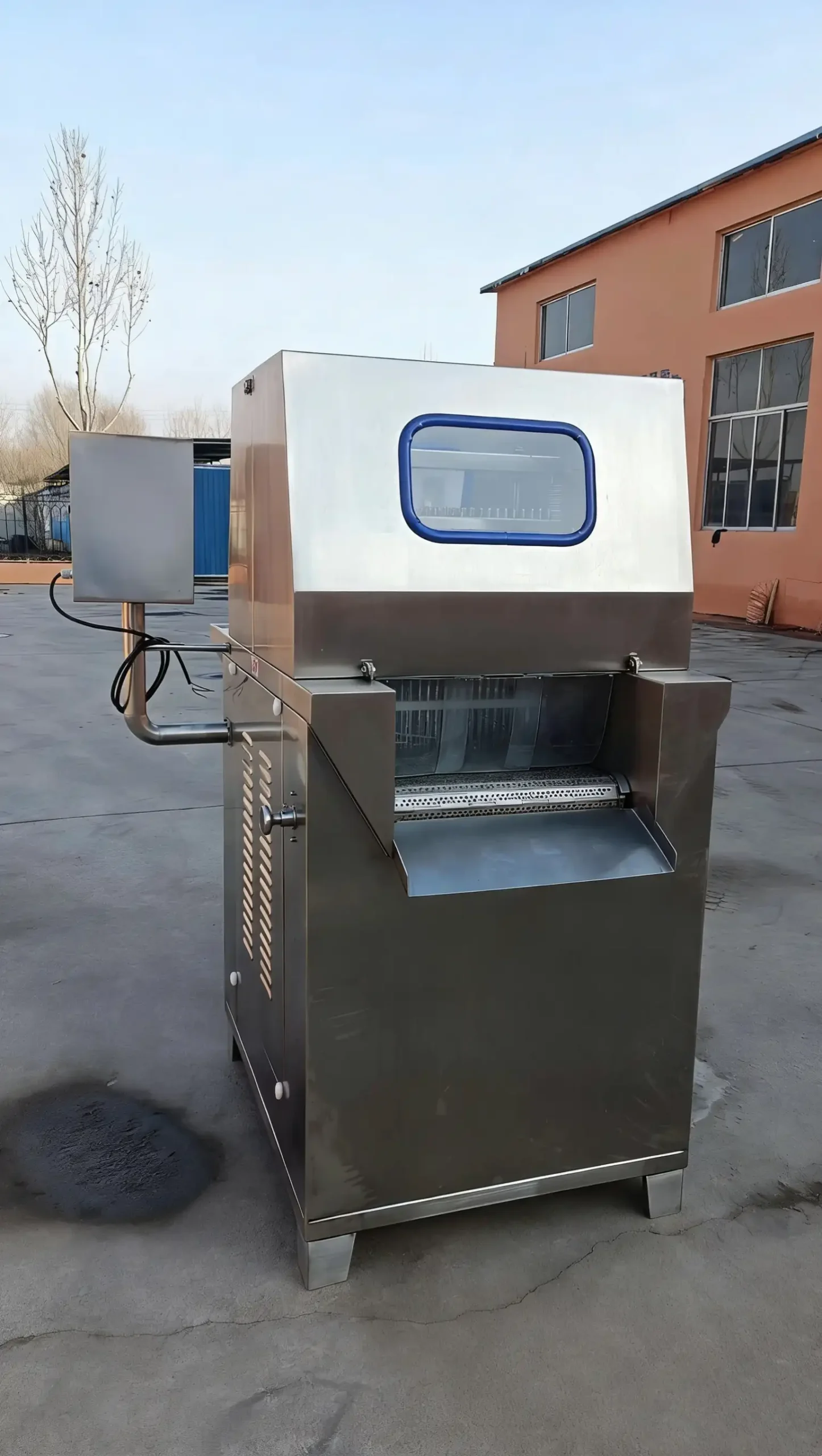
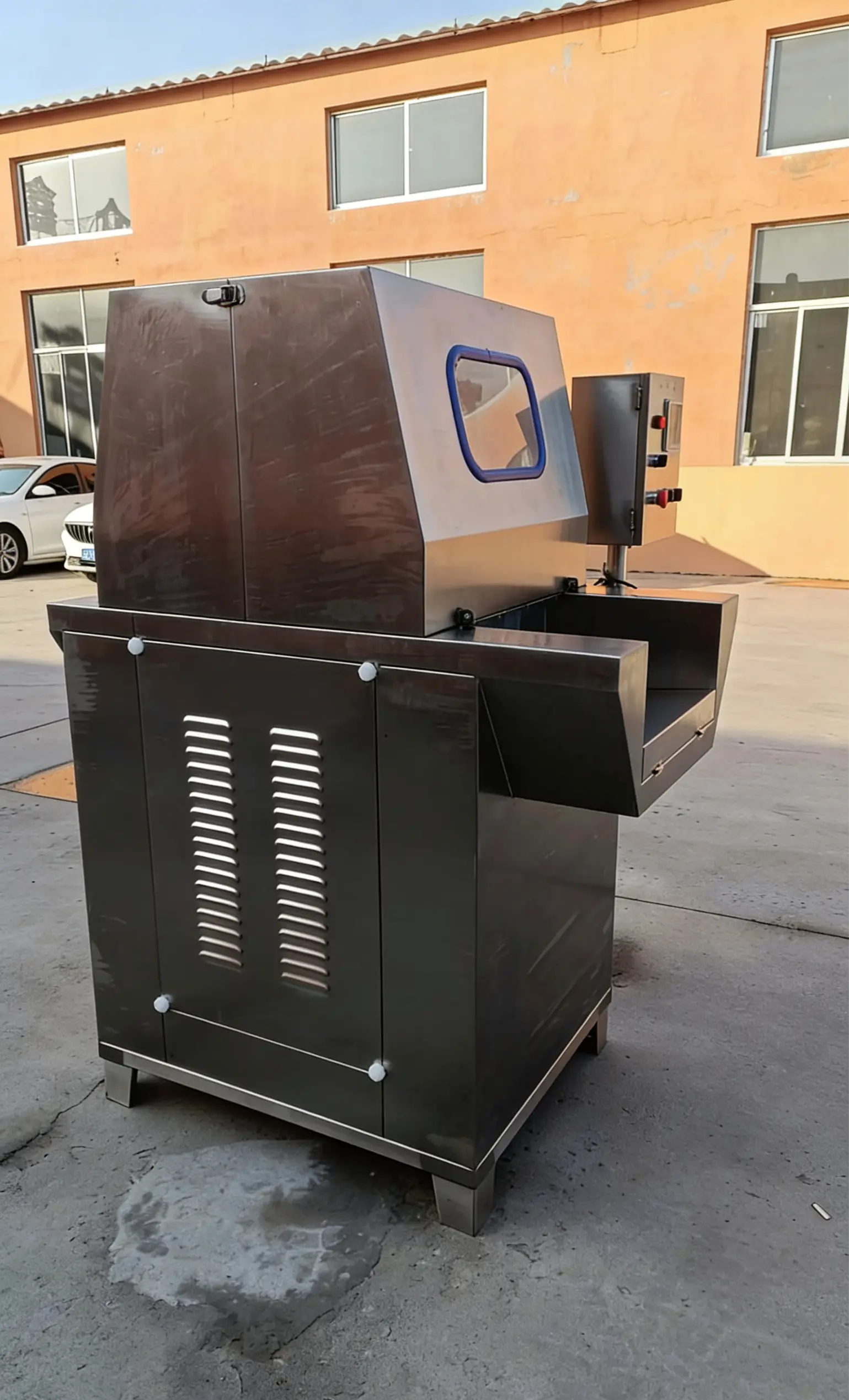
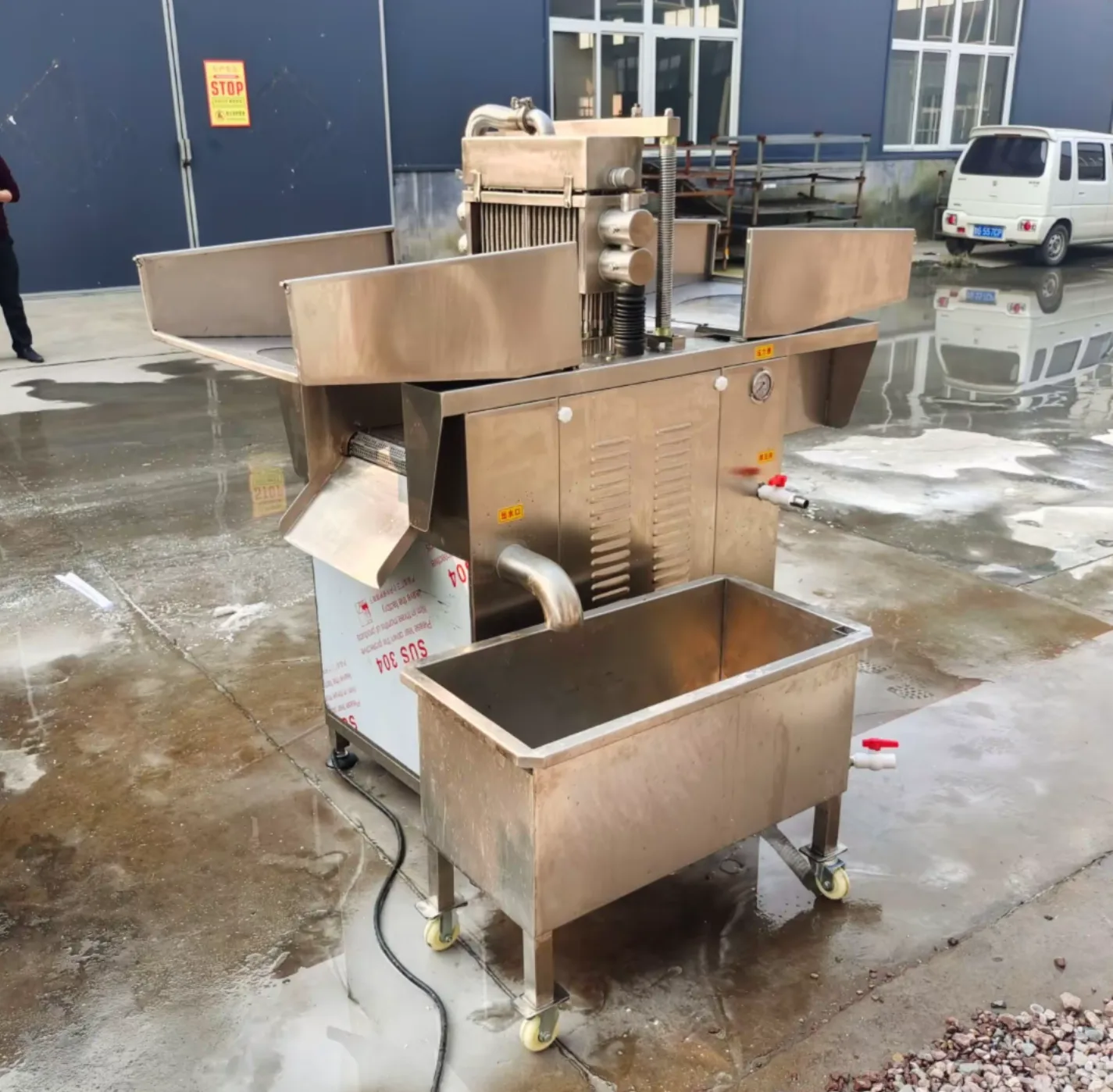
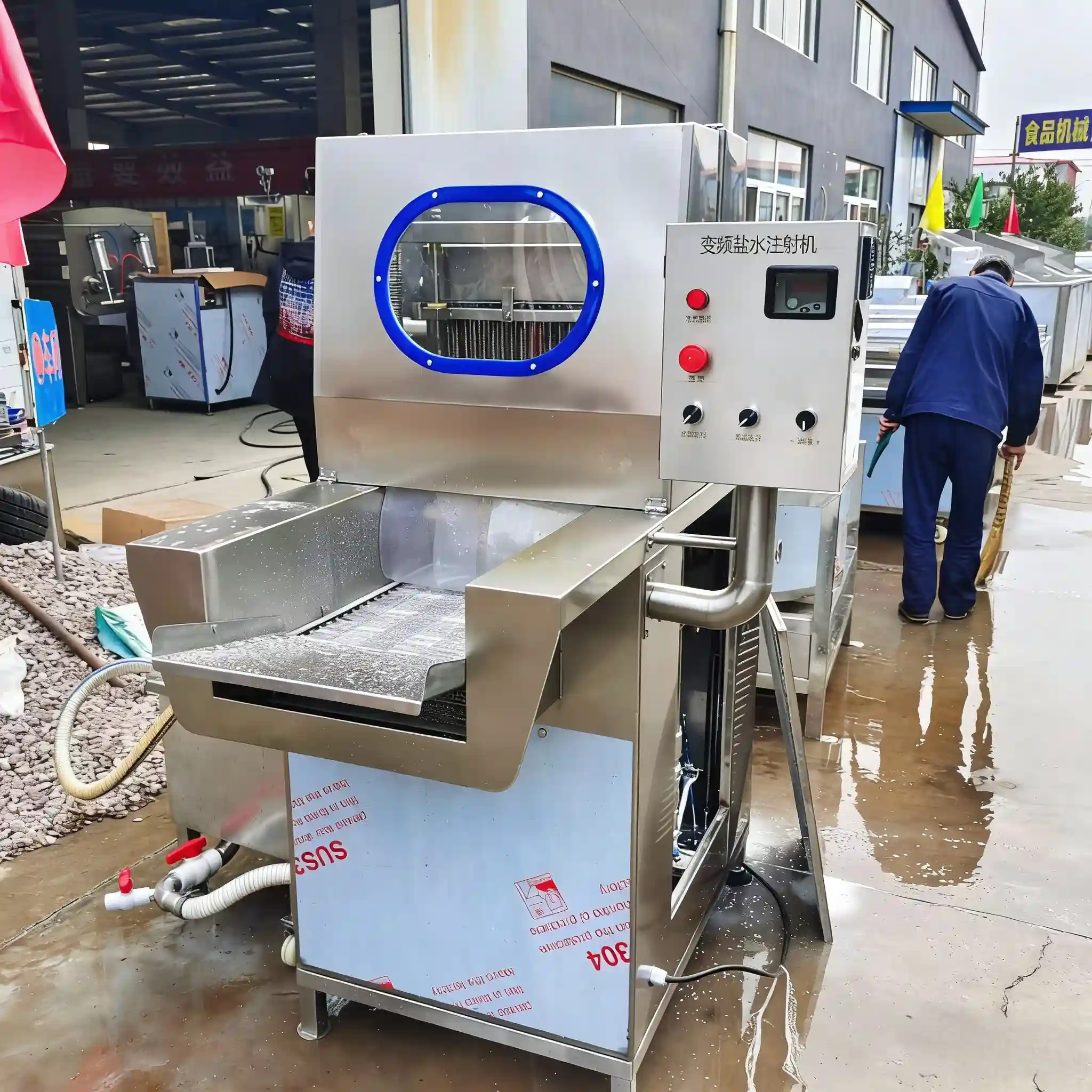
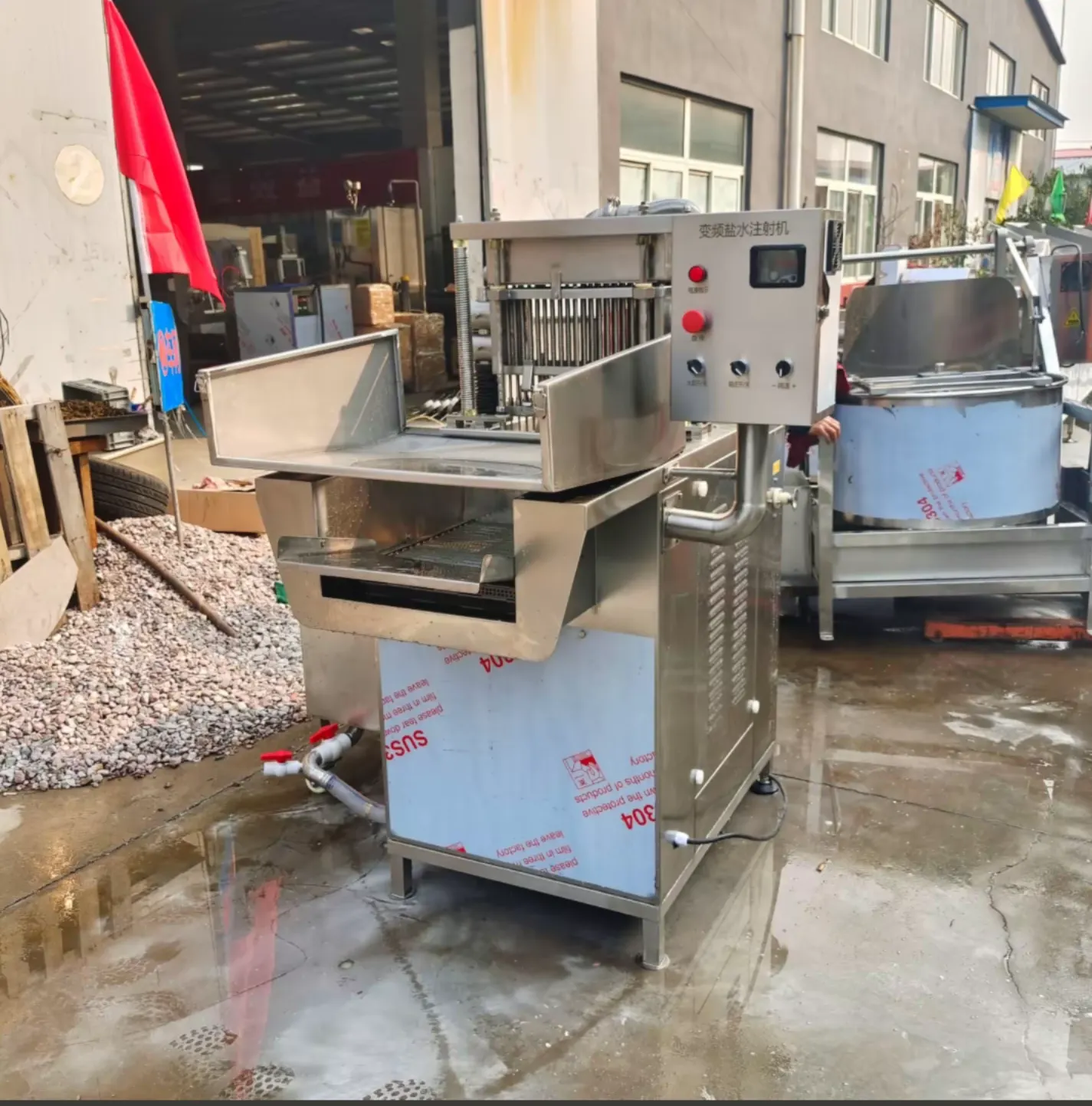
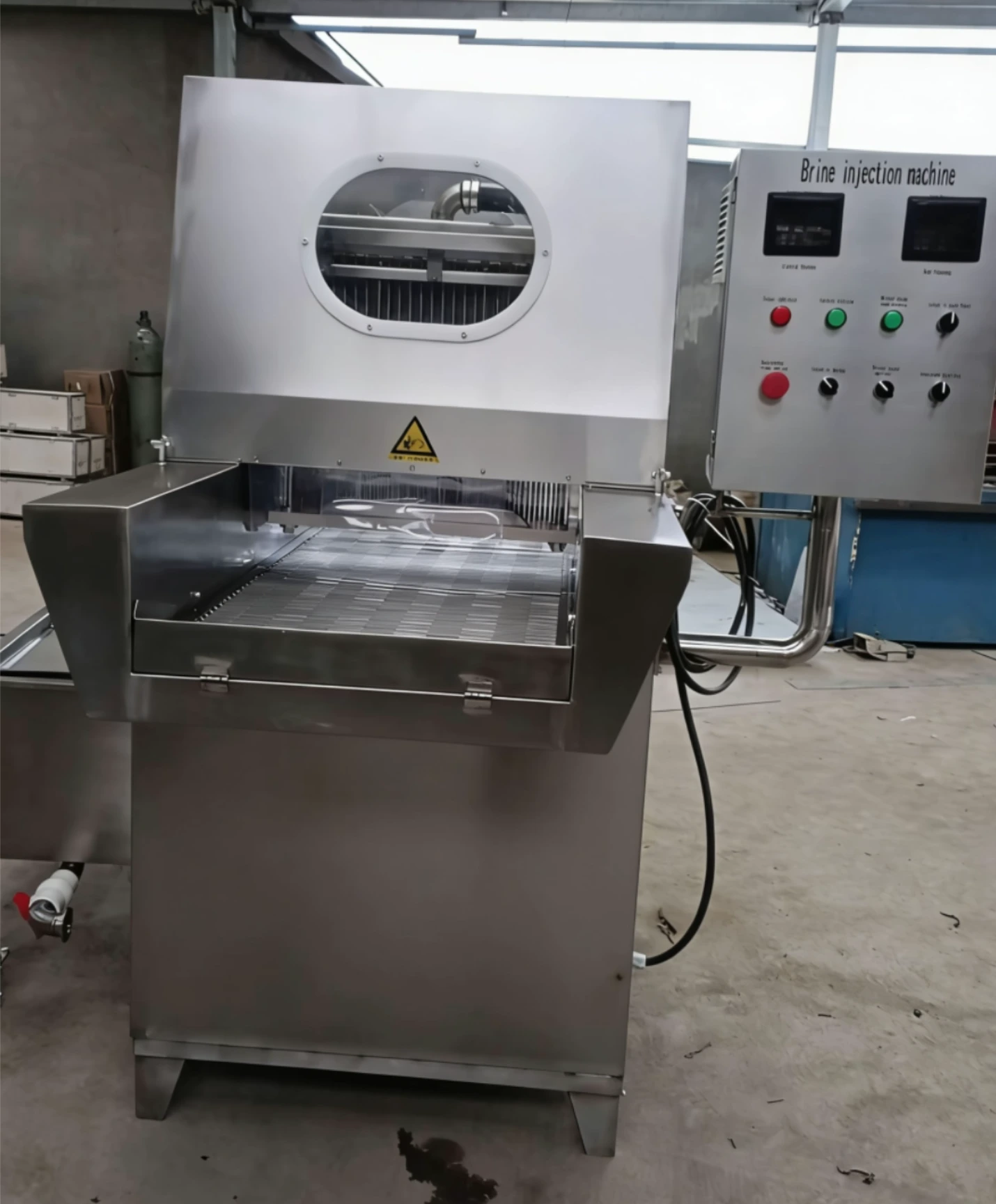
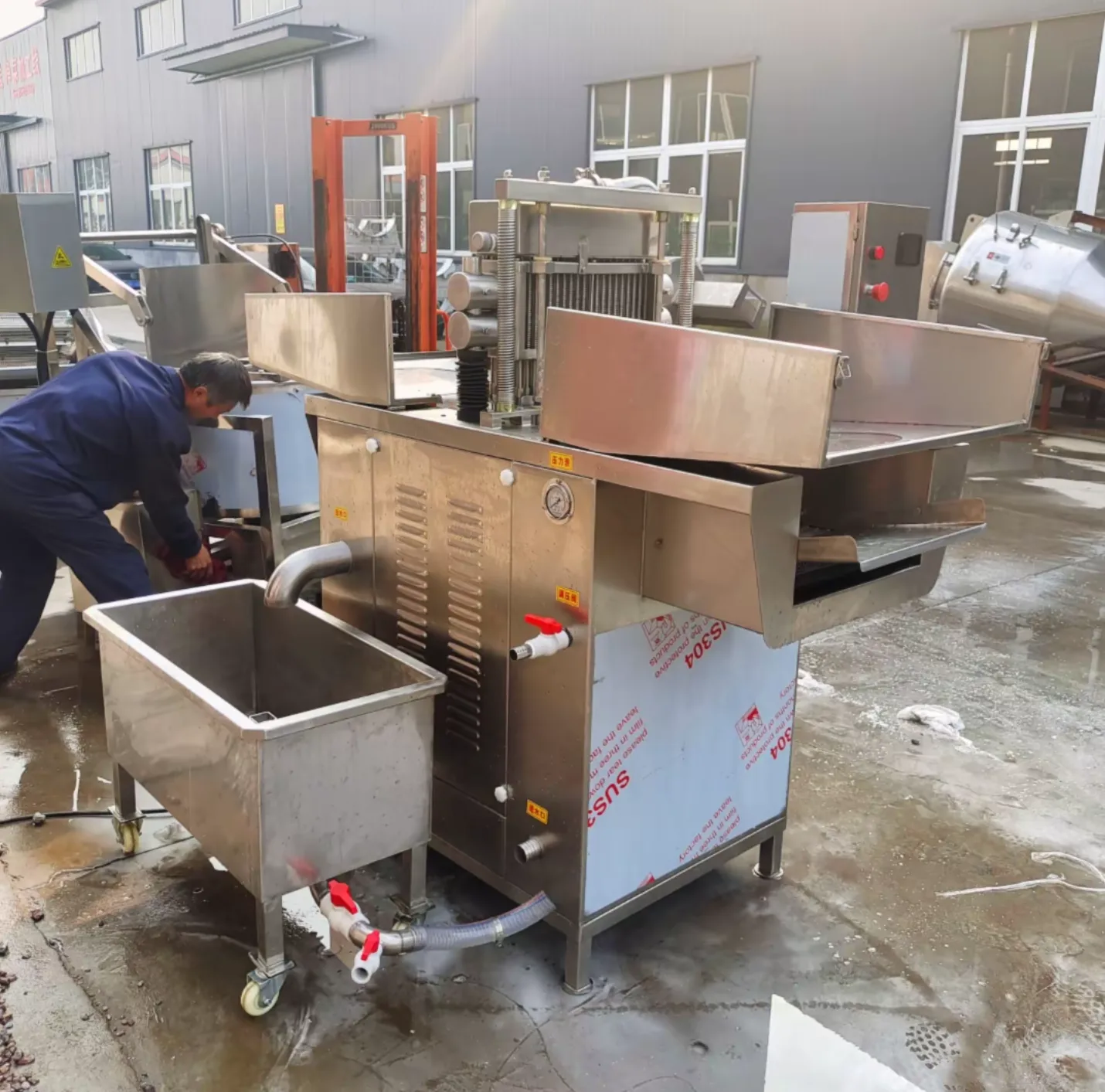
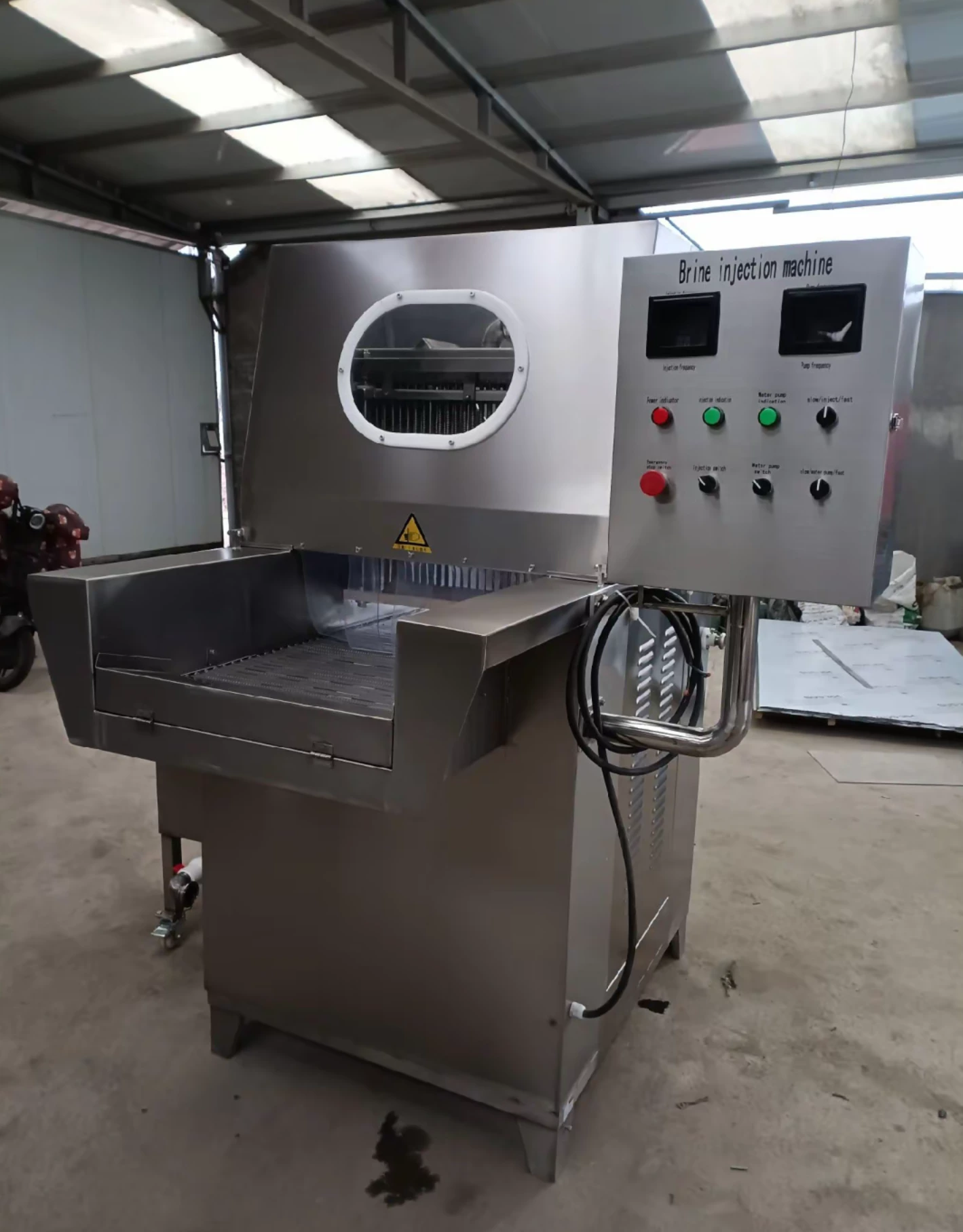
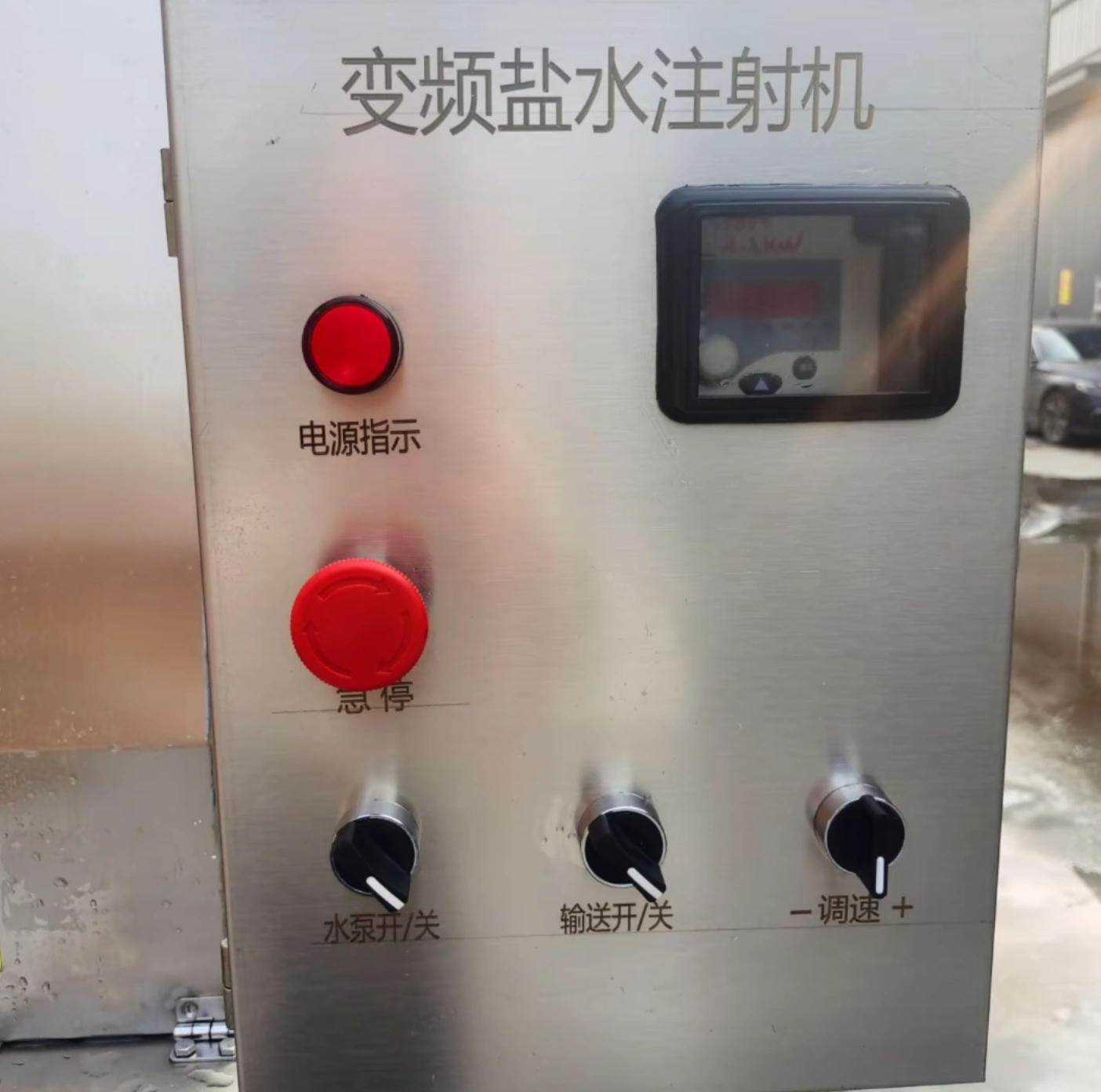
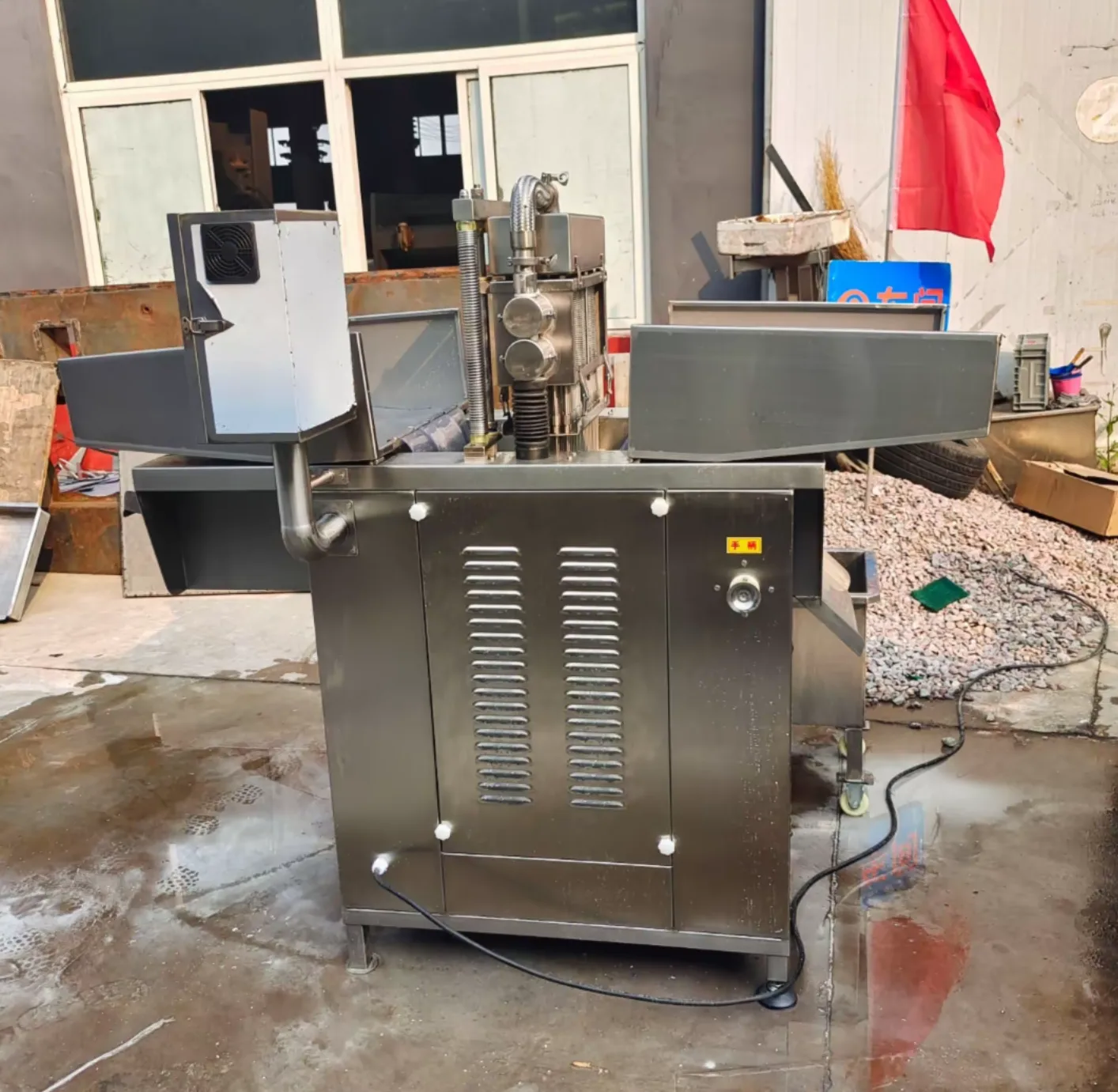
Engineered for Southeast Asian meat processors, this Meat Saline Injector maximizes brine retention without tearing muscle fibers. Featuring SUS304 construction, independent retracting needles, and advanced frequency control, it handles capacities from 200kg to 800kg/h. Ideal for local specialties like Ayam Bakar and Chả lụa, it eliminates needle clogging and ensures uniform flavor distribution. Built tough for high-humidity, heavy-duty shifts.
Last week, a factory owner in Surabaya called me complaining about dry Ayam Bakar and inconsistent flavor profiles across his production batches. If you are running a meat processing plant in Southeast Asia, your search intent for a Meat Saline Injector isn’t just about poking holes in chicken breasts; it is about finding a high-pressure manifold system that forces brine deep into the muscle fibers without tearing the tissue, even when the ambient factory temperature hits 38°C. Let’s look at the mechanical reality.
By definition, a true industrial Meat Saline Injector is a multi-needle, positive-displacement pumping system that injects precise volumetric doses of brine or marinade directly into the core of boneless or bone-in meats.
Don’t guess your production limits. Here is the actual operational data for our series, so you can match the transmission mode to your specific meat density:
| Model | Voltage | Motor Power (kW) | Dimensions (mm) | True Output (kg/h) | Machine Speed (m/min) | Transmission Mode |
|---|---|---|---|---|---|---|
| 48 | 380V | 2.6 | 1350×600×1750 | 200 | 40-70 | Secondary Speed Regulation |
| 60 | 380V | 2.6 | 1350×600×1750 | 300 | 40-70 | Secondary Speed Regulation |
| 80 | 380V | 4.5 | 1390×770×1750 | 500 | 40-70 | Frequency Control |
| 108 | 380V | 4.5 | 1390×770×1750 | 600 | 40-70 | Frequency Control |
| 180 | 380V | 5.2 | 1620×950×1750 | 800 | 40-70 | Frequency Control |
You know the drill. High humidity, highly corrosive salt brines, and operators who rush the sanitation cycle.
At the end of the day, if you don’t solve the needle clogging problem, all that pump pressure is useless. Our rotary brine filtration system catches the suspended protein particles before they reach the manifold. ——this, in the 2026 industry standards, is already the bare minimum.
Insider Warning: When flushing this machine at the end of a shift, if your sanitation crew blasts the needle block directly with a 90-degree high-pressure hot water lance, the internal return springs will lose their temper and fail within three months. AI doesn’t know that, but your maintenance budget will feel it. Tell them to soak the block in a mild alkaline bath first.
Look at the transmission modes. Models 48 and 60 use secondary speed regulation, which is fine for basic poultry. But if you are injecting dense beef blocks for Indonesian Rendang or preparing pork bases for Vietnamese Chả lụa, you need the Frequency Control on Models 80, 108, or 180. It allows you to adjust the stepping speed of the conveyor independently from the needle stroke rate, giving you exact control over the injection density without turning the meat to mush.
Let’s talk about retention rates. Most brochures claim a “30% increase in yield.” That is a laboratory fantasy.
Here is the reality on the floor: When injecting thick cuts for Chả lụa base at a facility in Ho Chi Minh, the actual retained moisture went from 12% (using a static vacuum tumbler) to a stable 18.5% using the Model 108 with Frequency Control. It doesn’t sound like a massive marketing revolution. But in a double-shift operation processing 3 tons a day, that extra 6.5% retention saves you over 3.9 tons of raw meat cost a month. That is pure profit.
1. Can it handle bone-in products like whole chicken legs? Yes. The needles are equipped with independent pneumatic retraction valves. If a needle hits a bone, it compresses upward while the surrounding needles continue to inject. You don’t snap needles, and you don’t leave dry spots around the joint.
2. Will the heavy salt concentration corrode the pump system? We use SUS304 stainless steel with anti-stress corrosion treatment for the entire fluid path. However, you must run a clean water flush for 15 minutes at the end of every shift. If you let stagnant brine sit in the pump overnight in a 35°C factory, even 304 will eventually pit.
3. Are spare parts easy to find in Southeast Asia? The variable frequency drives (VFDs) and contactors are standard industrial components. If a relay blows during a power surge in Penang, your local electrician can buy a replacement locally. You are not locked into proprietary electronics.
Do you have project requirements or technical questions? Please let us know in the form below.