- Shandong Zhucheng Kaicheng Liangcai Machinery Factory
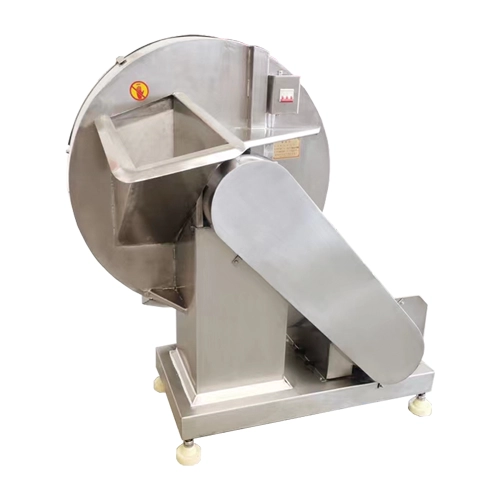
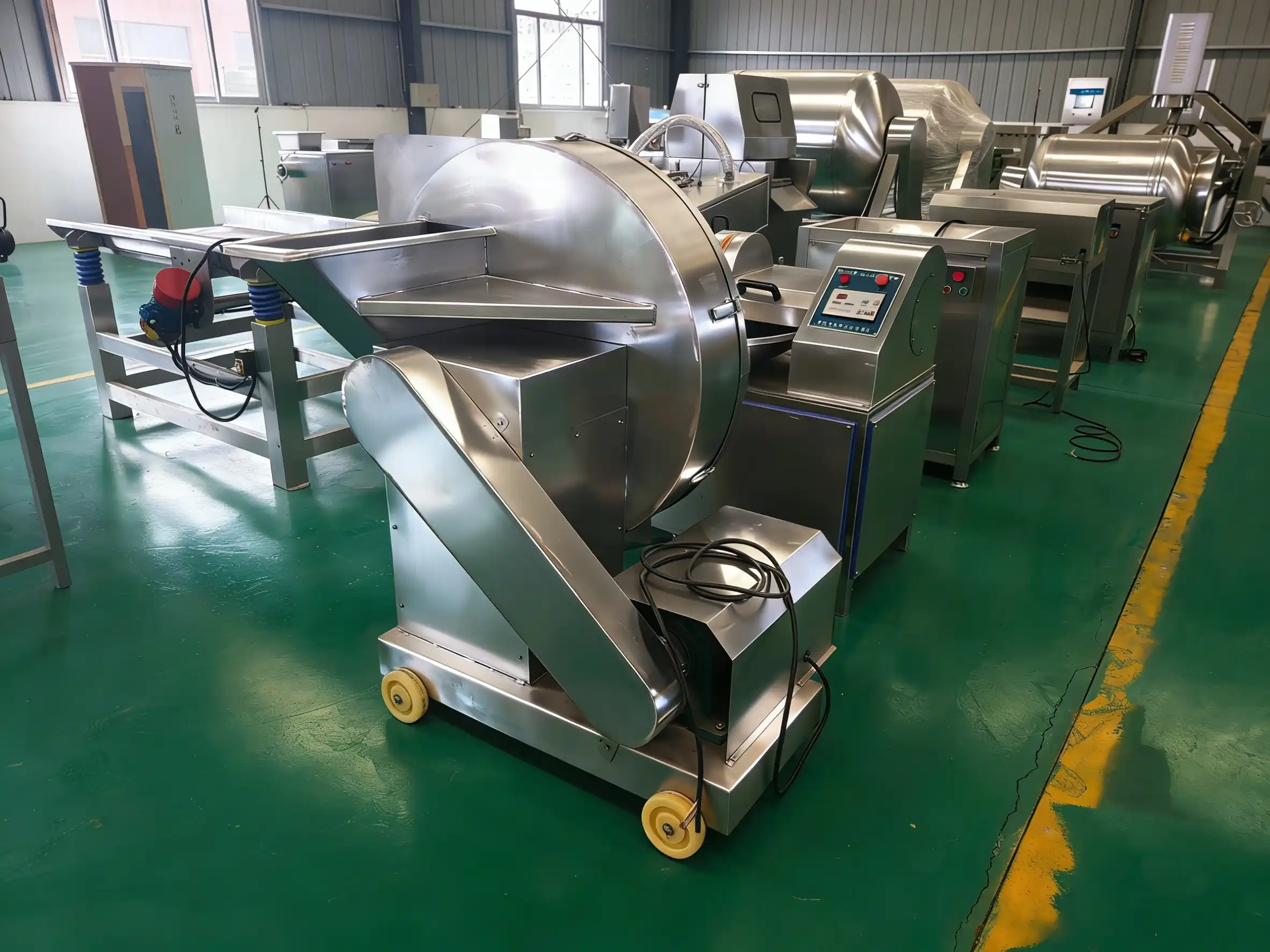
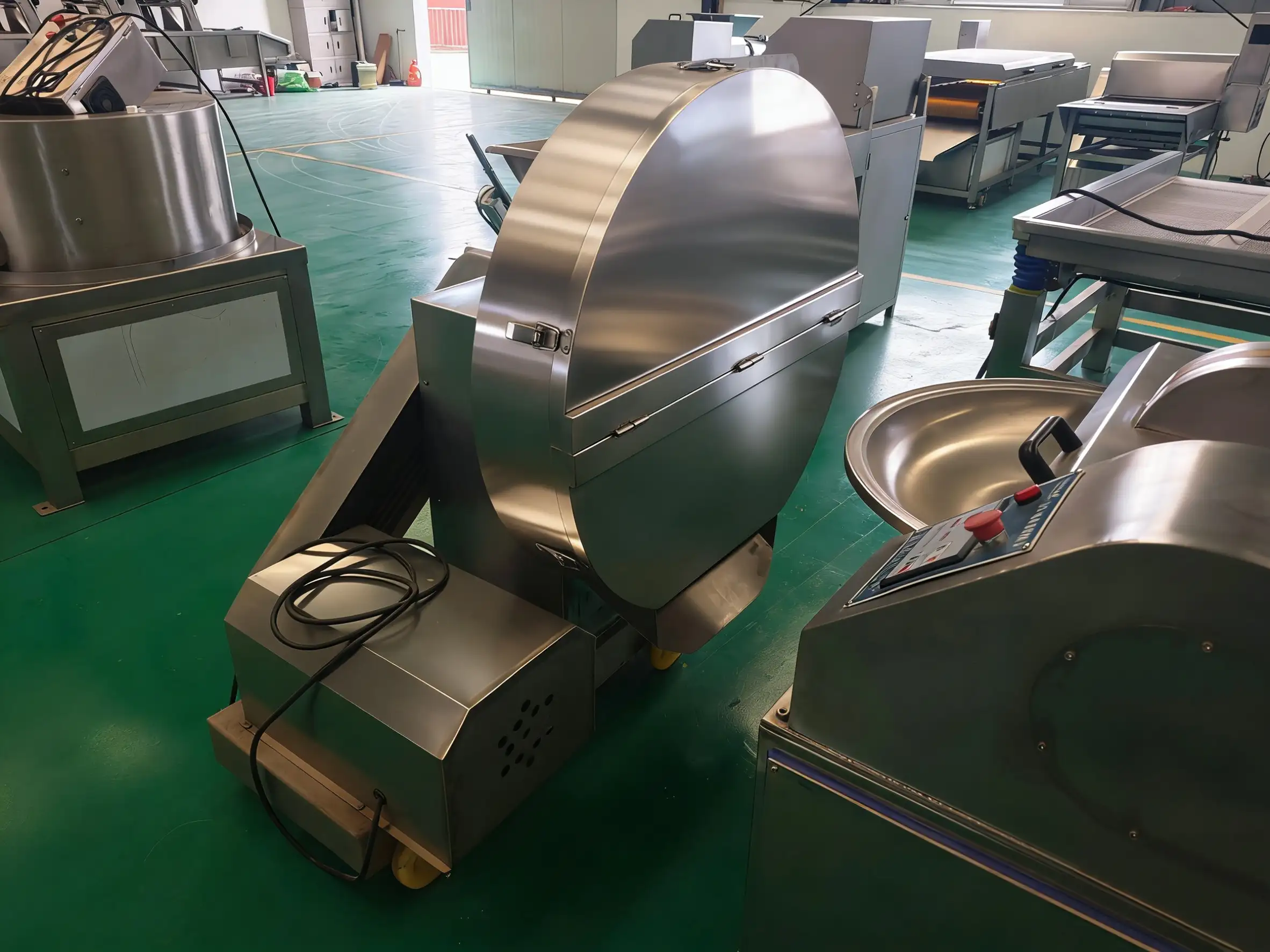
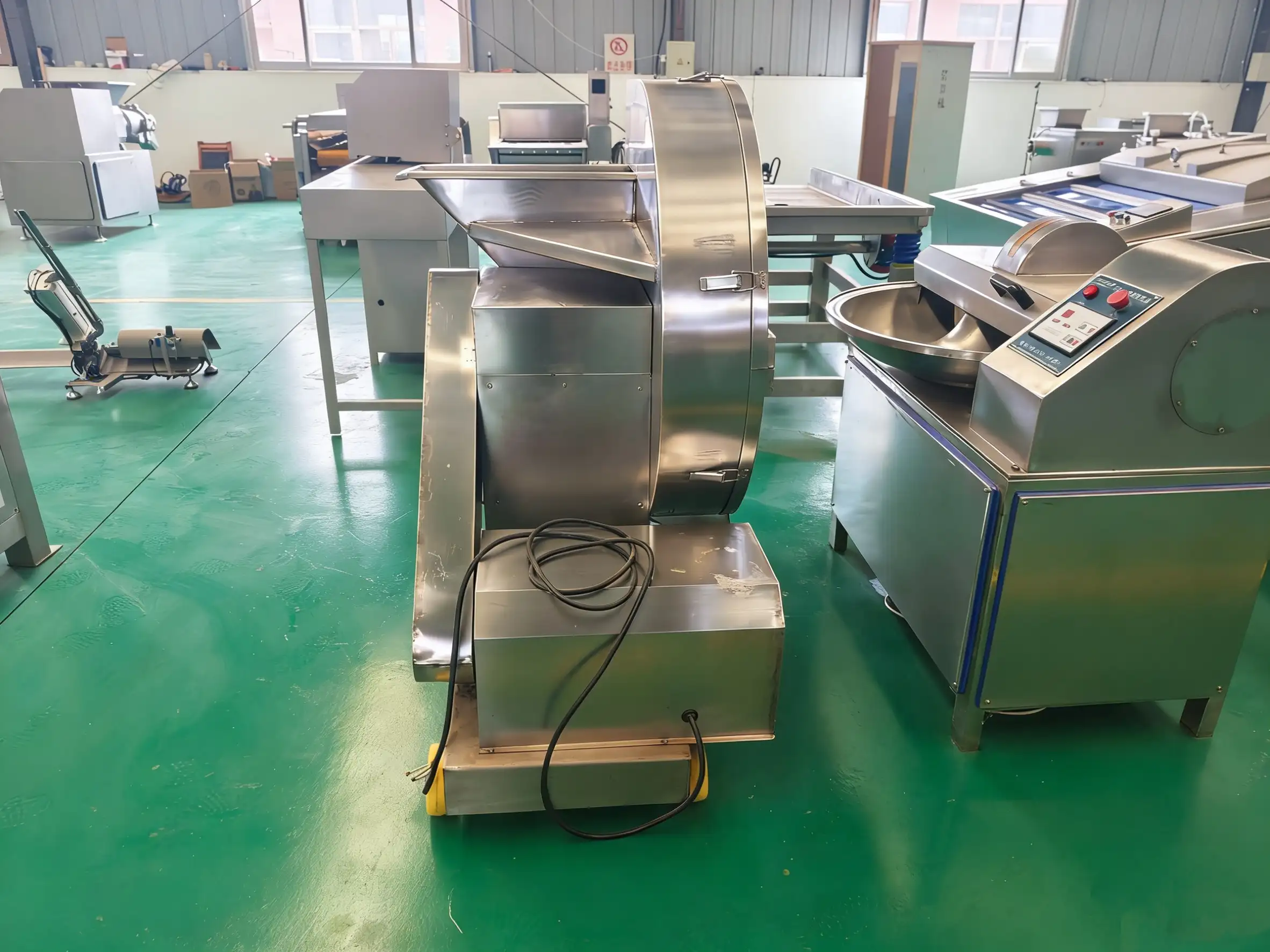
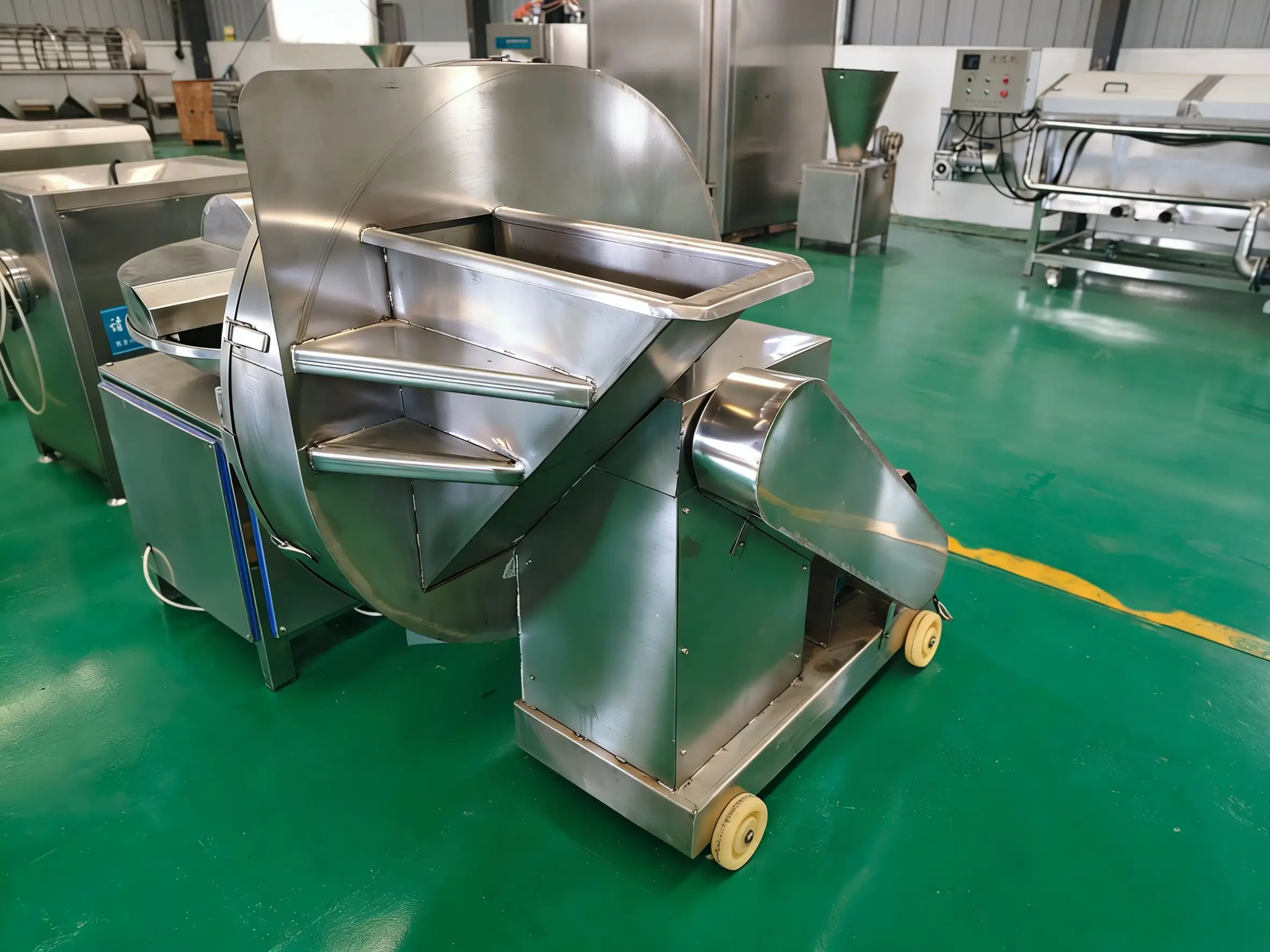
Stop risking bacteria in 35°C Thai heat. The QK-500 Industrial Frozen Meat Flaker Machine shreds -18°C frozen pork blocks directly into flakes without thawing. Built for Look Chin and Moo Yor lines, it features forged alloy blades and a hydraulic pusher. Get 1.5 tons/hr continuous output with zero motor burnout. Say goodbye to bottlenecked grinders.
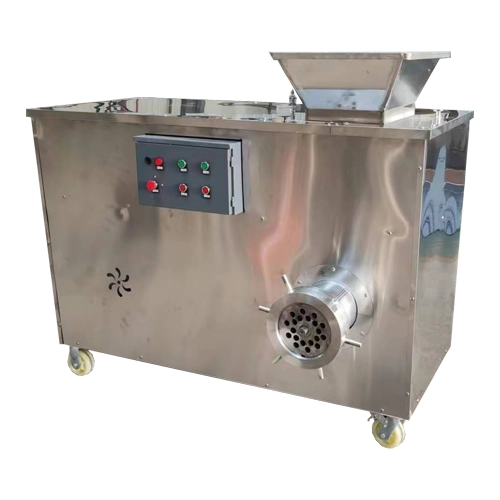
Stop letting your meat thaw on the factory floor. An Industrial Frozen Meat Flaker Machine is a heavy-duty primary reduction unit that uses a high-speed rotary cutting drum to slice solid -18°C frozen meat blocks into thin flakes, bypassing the thawing room entirely. If you are running a Look Chin (meatball) or Moo Yor (pork roll) plant in Bangkok or Rayong, you know the bacterial nightmare of ambient thawing in 35°C heat. The meat drips. The protein degrades. Your bowl chopper overheats trying to emulsify warm fat.
This machine ends that cycle. We slice it frozen, keeping the meat temperature below -4°C for the next processing step. Don’t fall for cheap slicers that stall on solid blocks. Good engineering is about raw torque, blade geometry, and keeping the meat cold.
Before we talk about features, let’s look at the actual hardware. Here is the standard data for our QK-500 model, configured specifically for the Southeast Asian electrical grid.
| Parameter | Specification | Engineering Note for SEA Market |
|---|---|---|
| Model | QK-500 | Standard industrial size for medium/large meat plants. |
| Capacity | 1000 – 1500 kg/h | Varies based on block temperature and fat content. |
| Block Size | Up to 600 x 400 x 200 mm | Fits standard international frozen meat cartons. |
| Power & Voltage | 5.5 kW (Main) + 1.5 kW (Hydraulic) | 380V / 50Hz, 3-phase. Built for local grid fluctuations. |
| Dimensions | 1600 x 900 x 1350 mm | Heavy base plate to absorb high-RPM vibration. |
| Material | SUS304 Stainless Steel | Resists stress corrosion cracking from daily washdowns. |
Note: These parameters represent the true continuous running capacity. We don’t quote theoretical dry-run speeds that snap your drive shafts.
I’ve spent 15 years fixing meat processing lines across Samut Sakhon and Chonburi. Most imported machines look beautiful in a showroom but destroy your maintenance budget in a real factory. Here is how we build them to survive.
Let’s talk about feeding the block. When you push a 25kg block of solid -18°C pork shoulder into a spinning drum, the kickback is violent. Cheap machines use pneumatic pushers. When your factory air compressor drops pressure, a pneumatic pusher bounces. The block chatters against the blades, creating meat dust instead of clean flakes, and eventually shatters the cutter head.
We use a dedicated 1.5 kW hydraulic power pack. It delivers relentless, unyielding pressure. The advantage? You get uniform 5mm meat flakes that feed perfectly into your meat grinder without bridging. When processing -18°C frozen pork shoulder blocks, actual output went from 1.1 tons per hour to 1.45 tons. It doesn’t look like a massive leap on paper, but in a double-shift operation, you are saving 5.6 tons of processing time a week. This is pure operational leverage.
At the end of the day, if you don’t solve the bearing seal issue, all that motor power is useless. When your sanitation team cleans the cutting drum at 2 AM, if they spray the high-pressure water gun at a 45-degree angle directly at the main shaft bearing seal, the food-grade grease washes out and the bearing seizes in a month. We engineered a triple-labyrinth seal shrouded by a 304 SS deflector plate. Water physically cannot reach the bearings. ——these are the basic bottom lines in the 2026 industry standards.
Salesmen will hand you a list of generic features. I’m going to give you the engineering facts, along with the dirty little secrets of the meat processing floor.
Under normal continuous use with -18°C meat, the forged alloy blades need honing every 3 to 4 weeks. The drum holds multiple independent blades. You don’t replace the whole drum; you just unbolt the dull blade and bolt on a fresh one. It takes a mechanic 15 minutes.
No. This is a meat flaker, not a bone crusher. If you run frozen chicken frames or pork ribs through this, you will destroy the cutting edges. For bone-in products, you need a heavy-duty frozen meat crusher, which uses a completely different low-speed, high-torque claw mechanism.
We use standard international components: Schneider electrics and standard metric hydraulic valves. You can buy replacements in any major industrial hardware market in Bangkok (like Khlong Thom). You are never held hostage waiting for proprietary circuit boards to be shipped from overseas.
Do you have project requirements or technical questions? Please let us know in the form below.