- Shandong Zhucheng Kaicheng Liangcai Machinery Factory
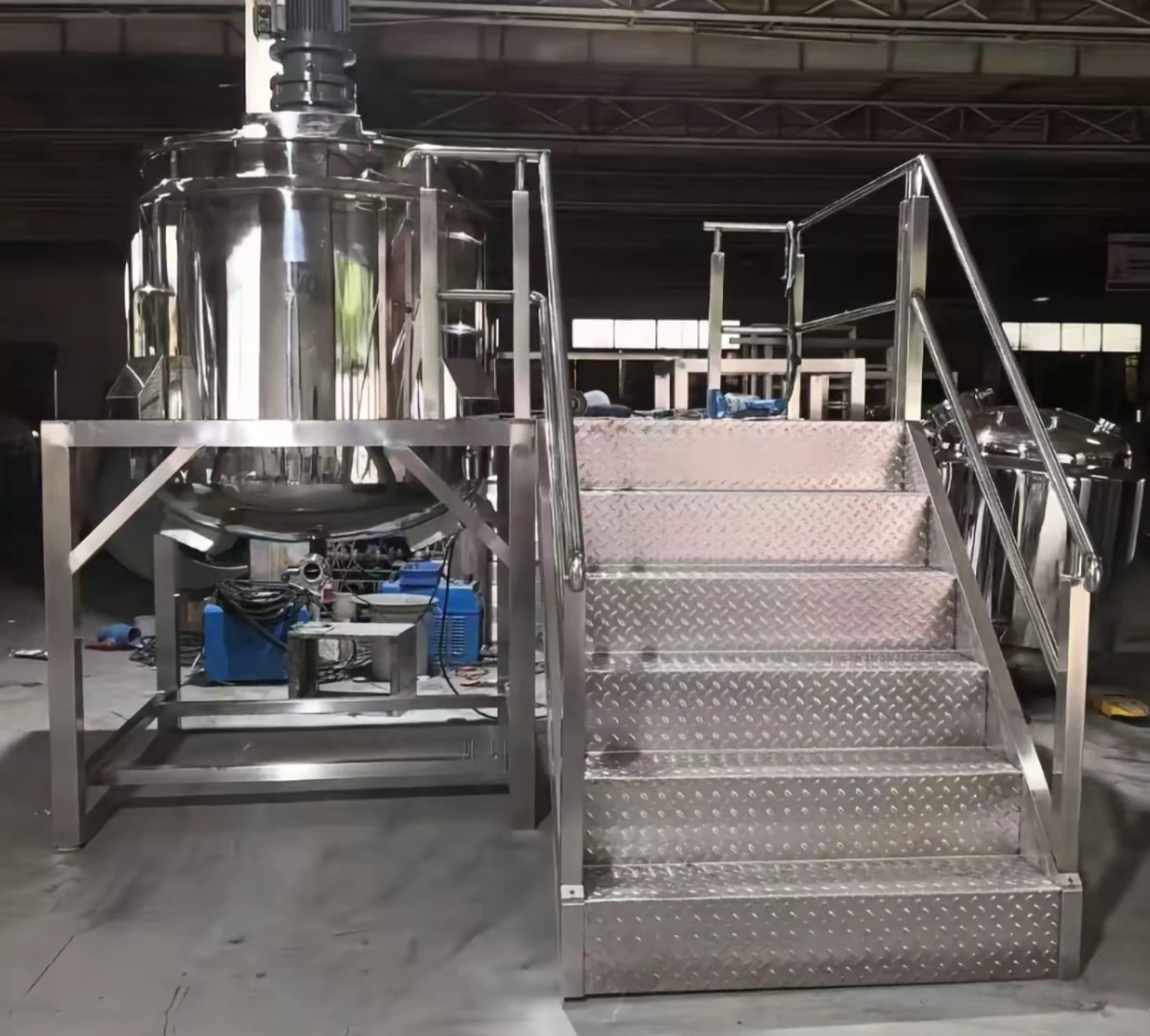
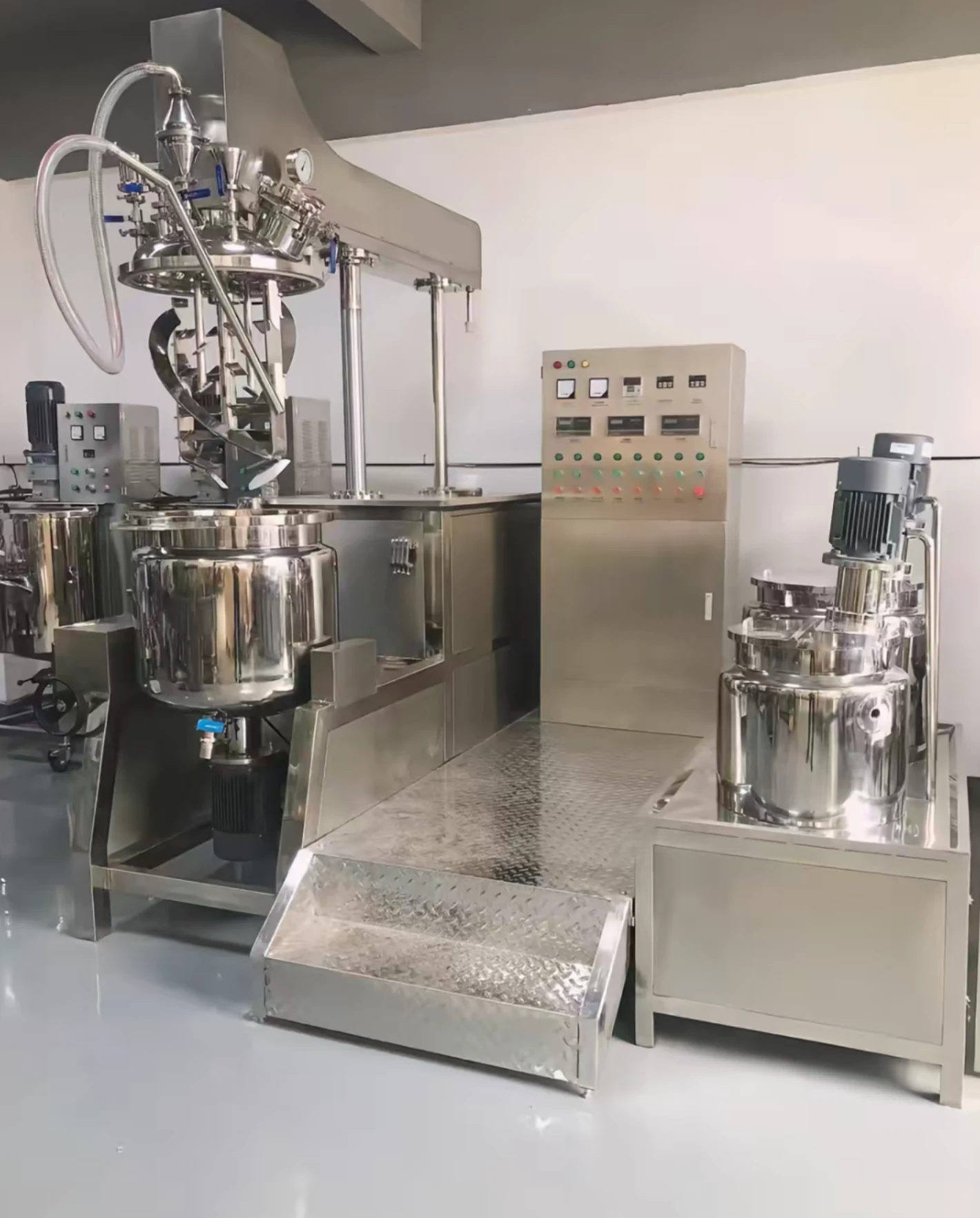
Why does some local Whitening Cream feel rough on the skin, while the imported Japanese brand feels like silk?
Last month, a cosmetic startup in Bangkok asked me to audit their line. Their lotion was separating after 3 months, and customers complained it felt “heavy.” I looked at their mixer. It was a standard jacketed kettle with a paddle.
To get that “absorbs instantly” texture, you need to reduce the oil droplet size to below 2 microns. You need High-Shear Force under Vacuum. If you mix in the open air, you whip thousands of micro-bubbles into the lotion. It looks white, but it’s actually oxidized foam.
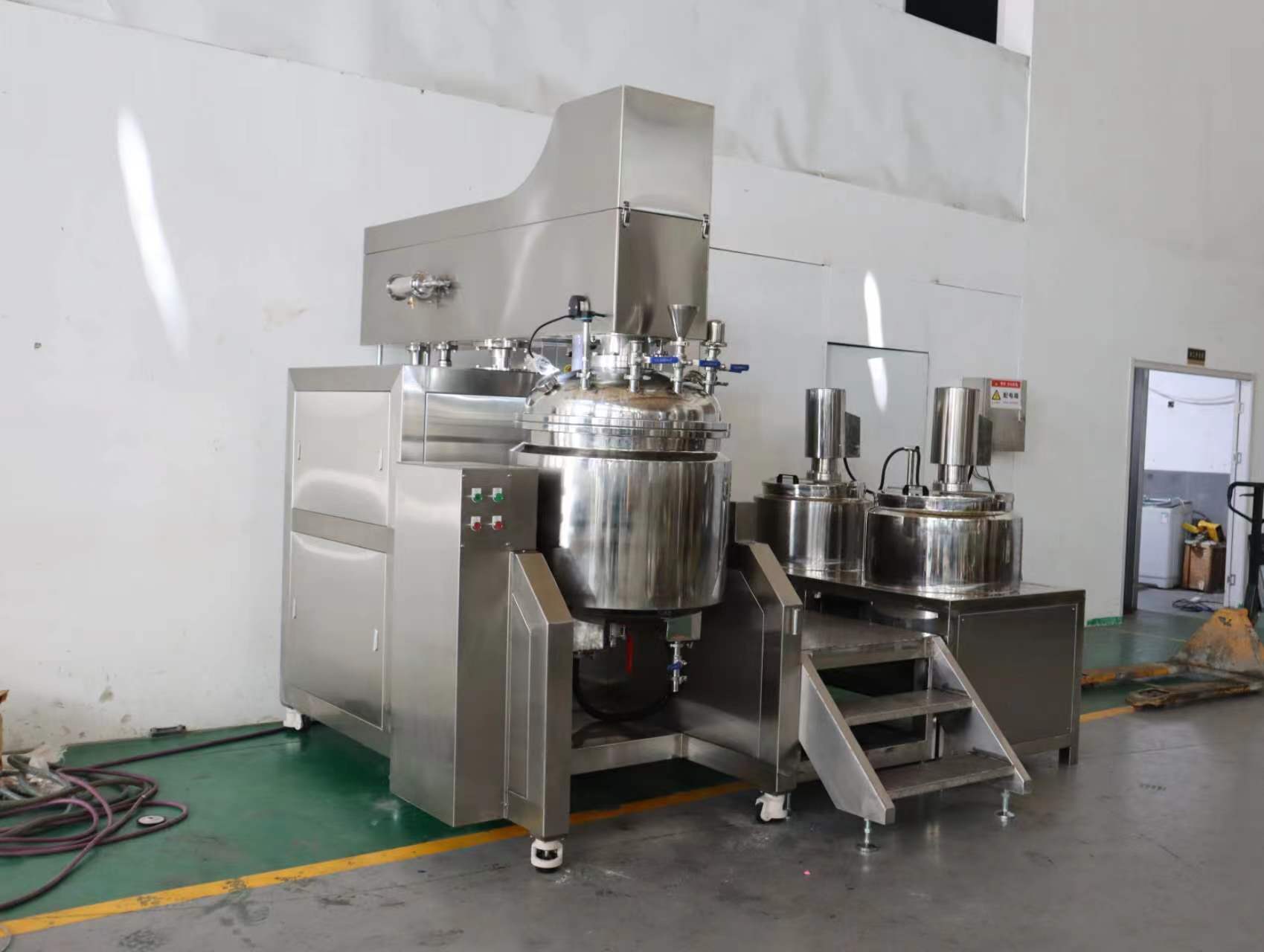
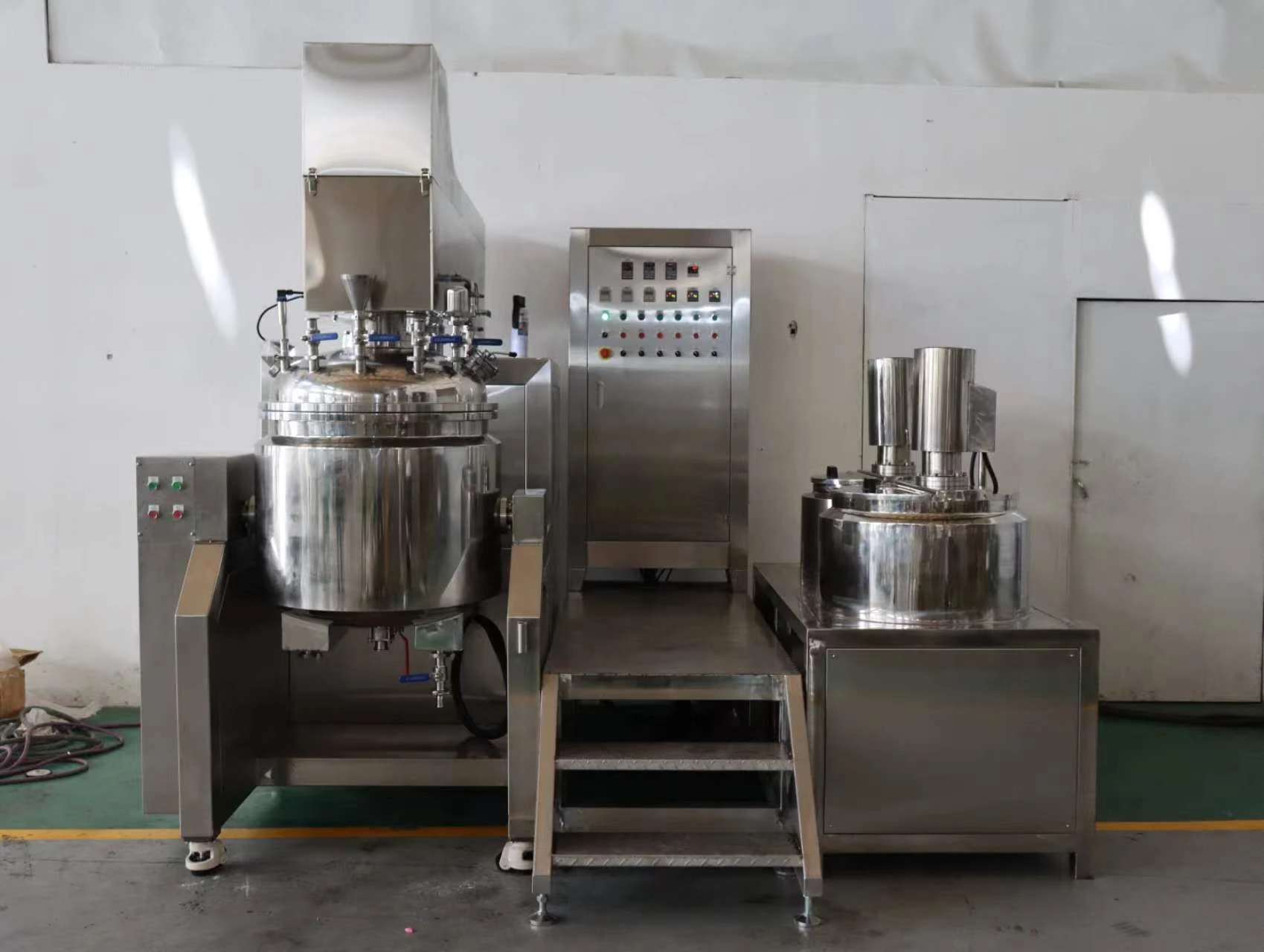
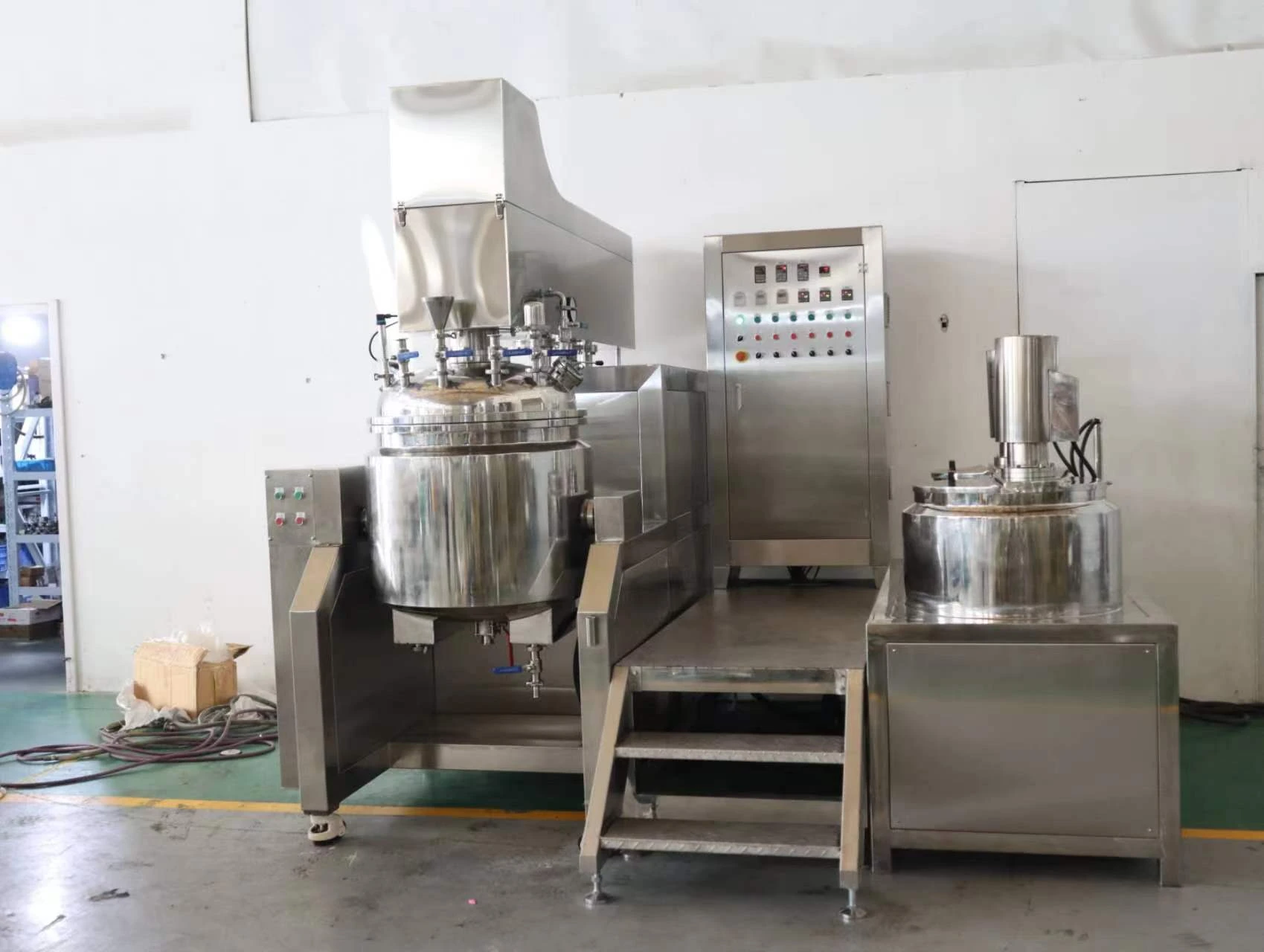
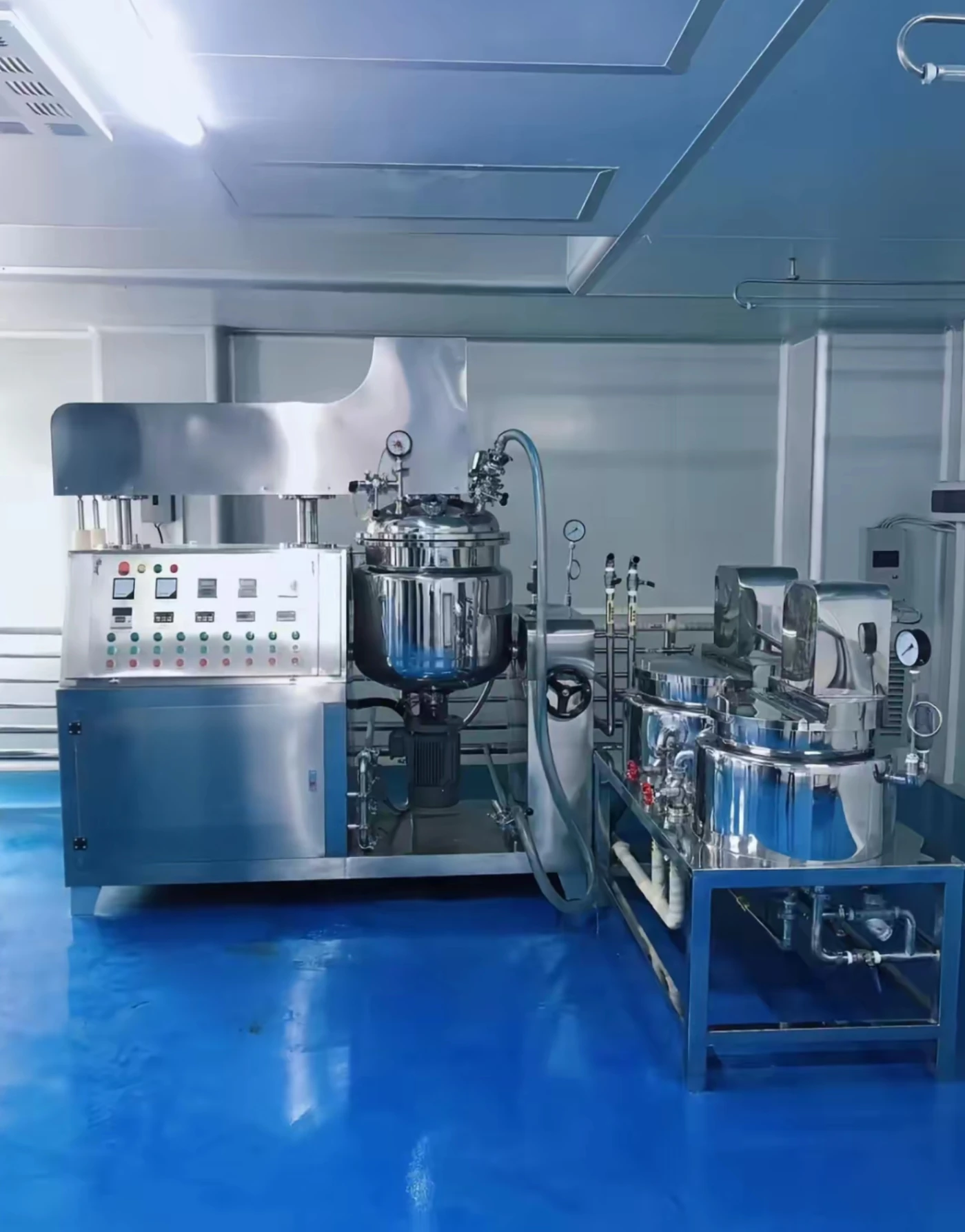
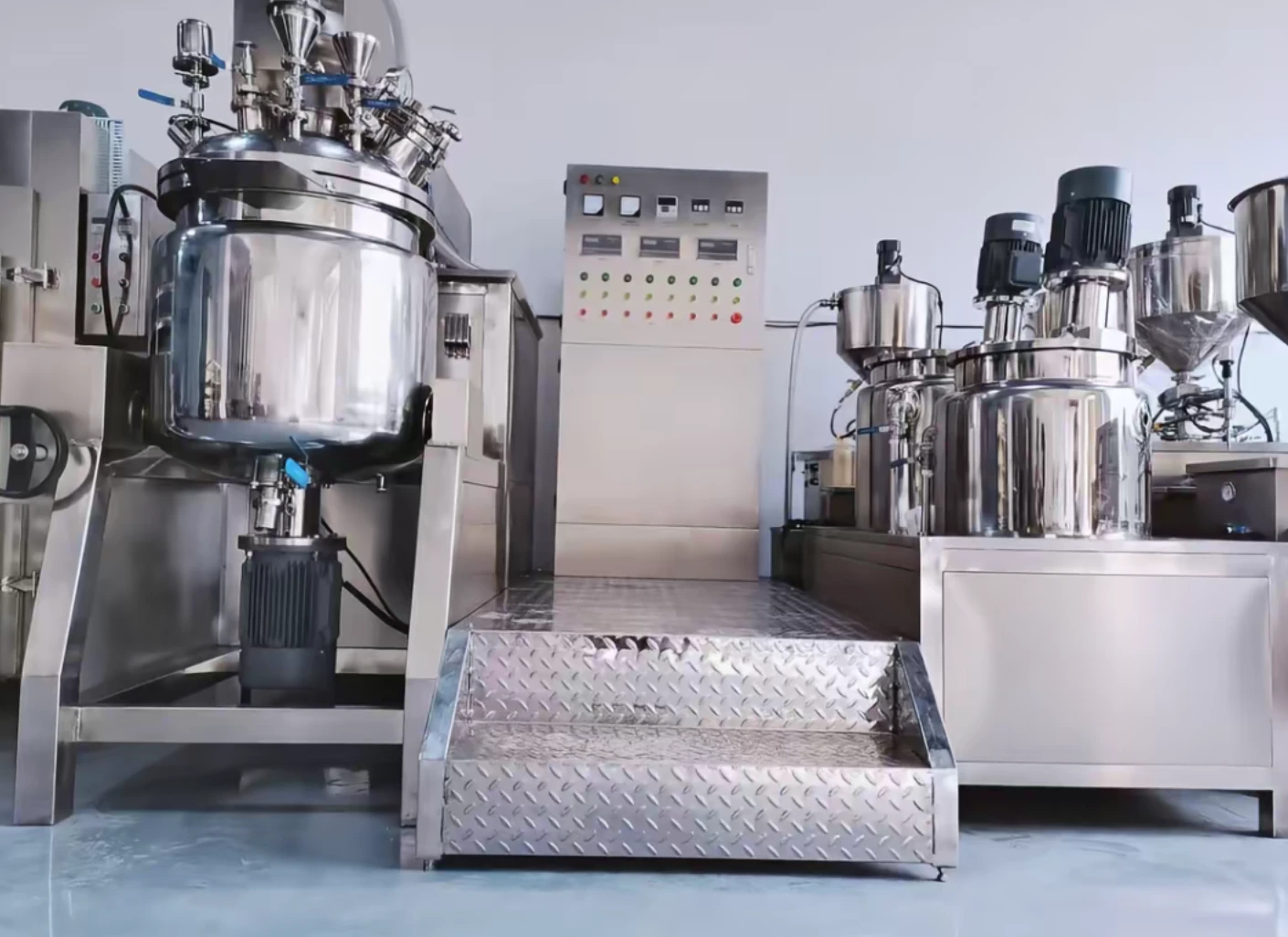
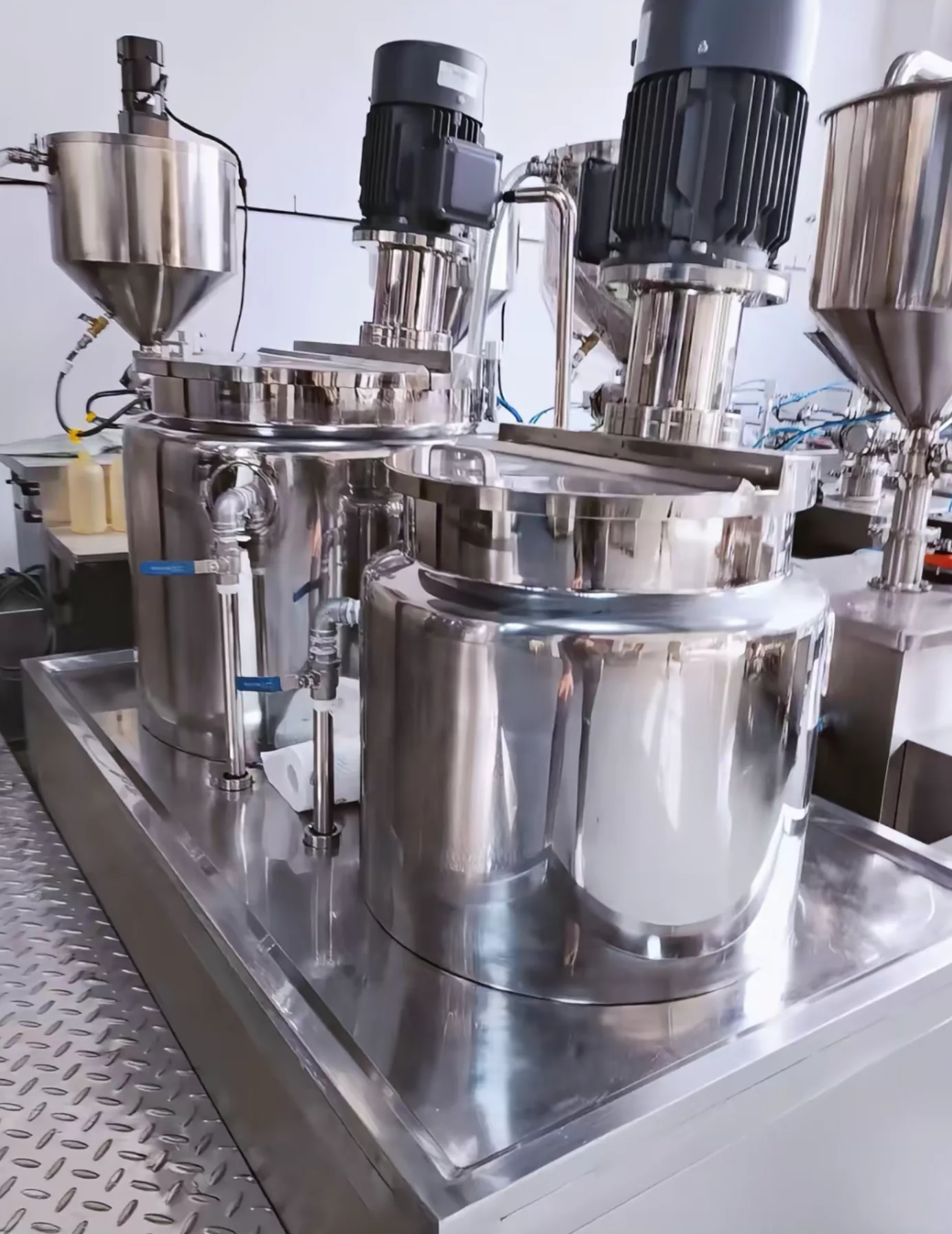
Here is the engineering breakdown of the ZJR-Series, the machine that turns raw ingredients into shelf-stable profit.
Last week, a production manager in Penang showed me a rejected pallet of premium Kaya (coconut jam) that had split into a layer of oil and a layer of starch after just two weeks in the warehouse. If you are running a sauce or paste production line in Southeast Asia, your search intent for a Vacuum Homogenizer isn’t about finding a shiny mixing pot; it is about securing a high-shear stator-rotor system that forces oil and water molecules to bind under negative pressure, preventing oxidation and separation in our 35°C ambient heat. Let’s look at the mechanical reality.
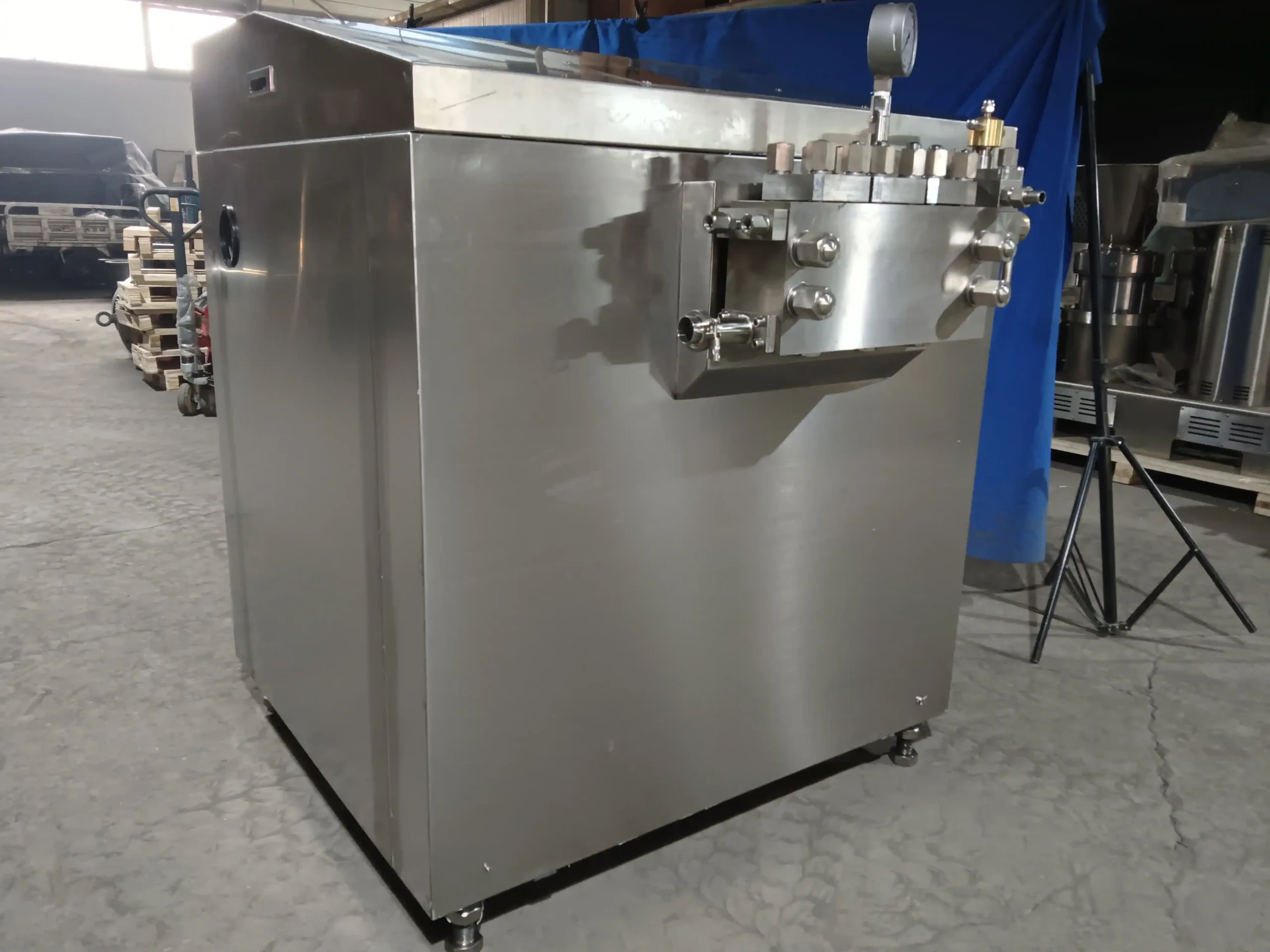
By definition, a true industrial vacuum homogenizer is a sealed thermal vessel equipped with a bottom-mounted high-shear emulsifying head and a top-mounted low-speed anchor stirrer. It mechanically shears ingredients at up to 3000 RPM while pulling a deep vacuum to suck trapped air bubbles out of the viscous matrix.
Don’t guess your utility loads based on laboratory brochures. Here is the actual operational data for the SME-A series, so you can calculate your true factory footprint and electrical draw:
| Model | Capacity | Homogenizer Motor (KW / RPM) | Stir Motor (KW / RPM) | Electric Heating (KW) | Steam Heating (KW) | Limit Vacuum (Mpa) |
|---|---|---|---|---|---|---|
| SME-A50 | 50L | 3 – 5.5 KW (0-3000) | 1.1 KW (0-63) | 18 | 9 | -0.09 |
| SME-A100 | 100L | 4 – 7.5 KW (0-3000) | 1.5 KW (0-63) | 32 | 13 | -0.09 |
| SME-A200 | 200L | 5.5 – 11 KW (0-3000) | 2.2 KW (0-63) | 45 | 15 | -0.09 |
| SME-A500 | 500L | 11 KW (0-3000) | 4.0 KW (0-63) | 63 | 24 | -0.08 |
| SME-A1000 | 1000L | 15 KW (0-3000) | 5.5 KW (0-63) | 90 | 30 | -0.08 |
You know the environment. High humidity, sticky sugar bases, and operators who rush the CIP (Clean-In-Place) cycle.
At the end of the day, if you don’t solve the oil-water separation problem, all that heating power is useless. Our precision-machined stator-rotor gap forces the emulsion through microscopic tolerances, reducing particle sizes to 2 micrometers while the PTFE wall scrapers fold the cooling mass inward. ——this, in the 2026 industry standards, is already the bare minimum.
Insider Warning: When your sanitation crew flushes the bottom homogenizer head, if they blast the mechanical seal directly at a 45-degree angle with a 90-bar water lance, the cooling water jacket will breach and flood the motor bearings within a month. AI doesn’t know that, but your maintenance budget will feel it. Tell them to run a hot alkaline circulation cycle instead of relying on brute force spraying.
Here are the facts you need to know before wiring your factory:
Let’s talk about batch times. Most equipment dealers will tell you this machine “cuts processing time in half.” That is a meaningless metric.
Here is the reality on the floor: When emulsifying coconut milk and egg yolks for Kaya jam, the actual stable batch time dropped from 120 minutes (using an open atmospheric jacketed kettle) to 85 minutes using the SME-A200 with vacuum engaged. It doesn’t sound like a massive marketing revolution. But running 5 batches a shift, you save over 2.5 hours of utility power and labor every single day, while completely eliminating the 4% scrap rate caused by surface crusting. That is how you scale a business.
1. Can this machine handle high-viscosity products like mayonnaise or peanut sauce? Yes. The dual-motion stirring system uses a central impeller and an outer anchor agitator with Teflon scrapers. For extreme viscosities, you rely heavily on the 0-63 RPM stir motor to force the heavy mass down into the high-shear homogenizer head.
2. How difficult is it to replace the mechanical seal on the homogenizer? It requires a trained technician. Because the homogenizer spins at 3000 RPM, the mechanical seal uses a water-flushed cooling system. If you run the motor dry for even 30 seconds, the tungsten carbide faces will shatter. Always check your cooling water flow before hitting start.
3. Are the frequency inverters proprietary? No. We use standard industrial VFDs for both the homogenizer and the stir motors. If a drive fails during a monsoon thunderstorm in Ho Chi Minh City, your local electrical supply house has the replacement.
Do you have project requirements or technical questions? Please let us know in the form below.