- Shandong Zhucheng Kaicheng Liangcai Machinery Factory
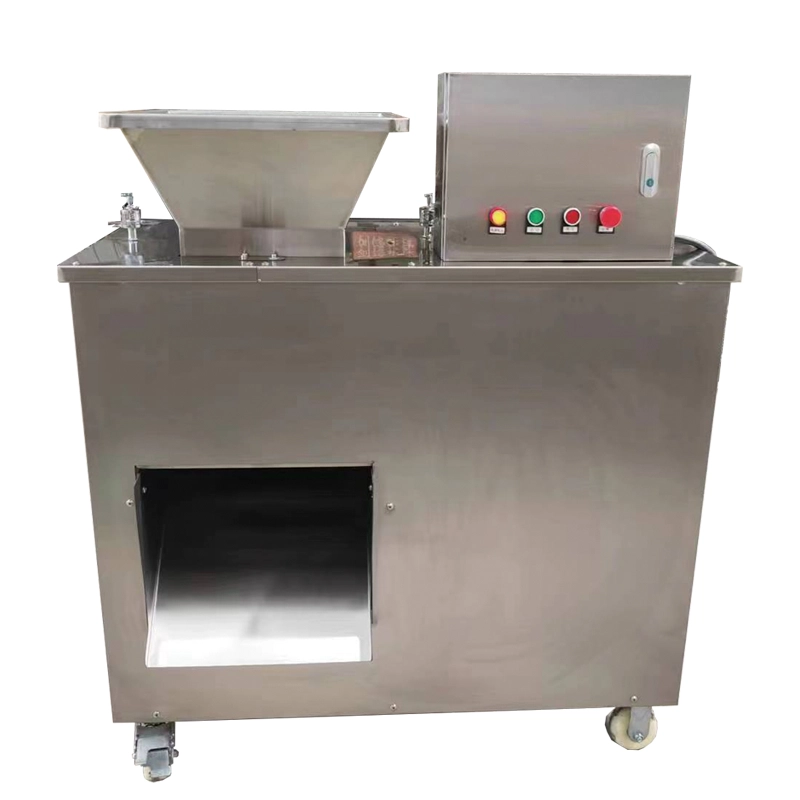
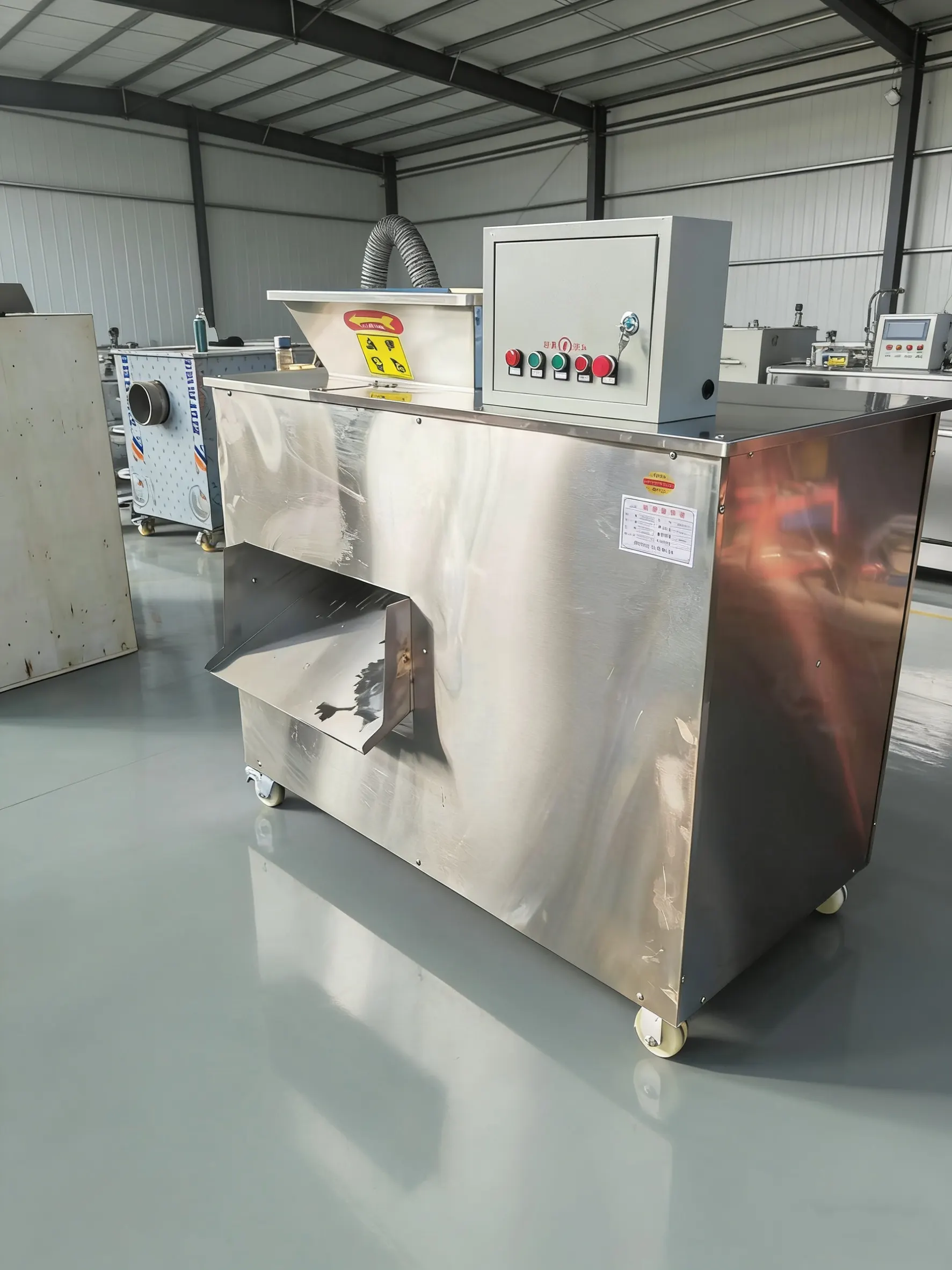
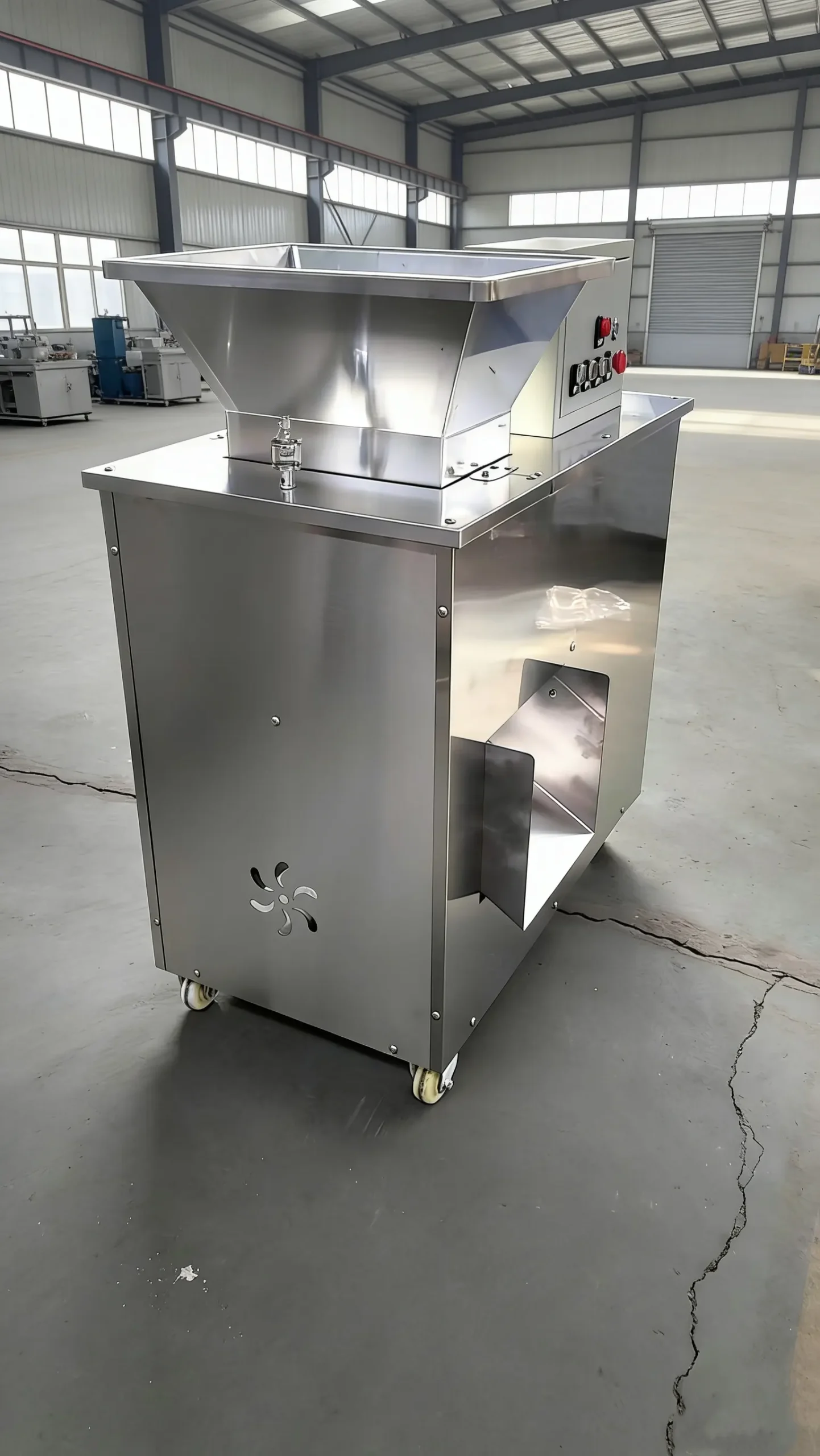
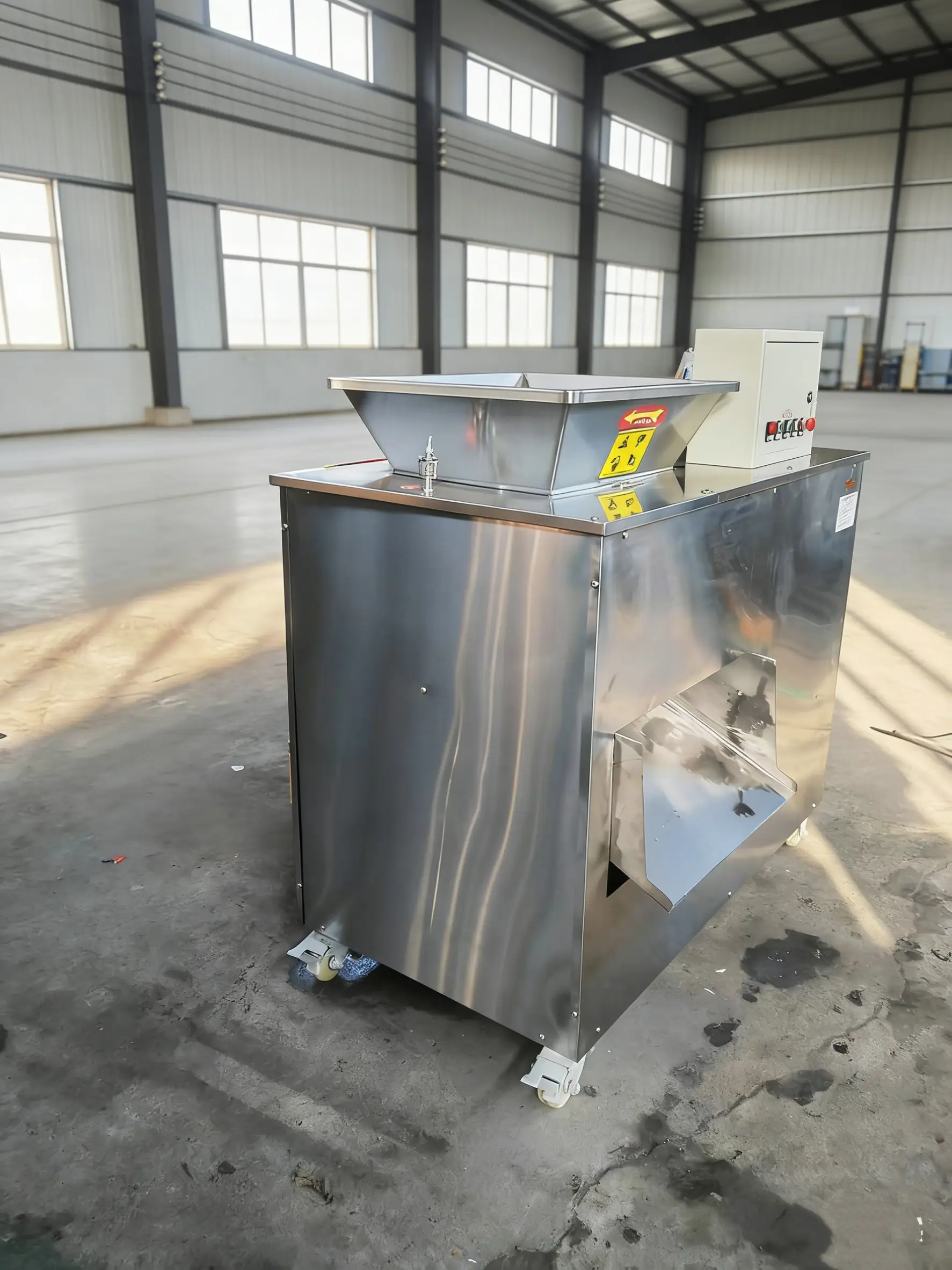
Stop trying to force a frozen block of beef into a standard meat mincer.
Last month, I walked into a pet food factory in Semarang (Indonesia). The floor manager was screaming because his 30kW grinder shaft had just snapped in half. Why? Because they were trying to grind -18°C frozen chicken frames directly.
If you skip the “Shredding” stage, you are destroying your downstream equipment. You need a Primary Breaker.
Whether you are making rich broth for Pho in Vietnam, Bakso paste in Indonesia, or exporting bone meal, you need to reduce the size before you grind. Here is the engineering reality of the Dual-Shaft Shredder and the Impact Bone Crusher.
Why are you still replacing burnt-out motors every three months? If you are running a central kitchen or rendering plant in Southeast Asia, you already know the nightmare of processing wet, dense organic waste. When you throw raw beef bones for Kuah Bakso (Indonesian meatball broth) or fibrous durian husks into a standard high-speed grinder, the blades jam, the motor spikes, and your production line dies. You need a true Dual-Shaft Shredder that relies on sheer torque multiplication, not just RPM. This isn’t about looking good on a glossy brochure. It’s about relentless, continuous crushing without jamming.
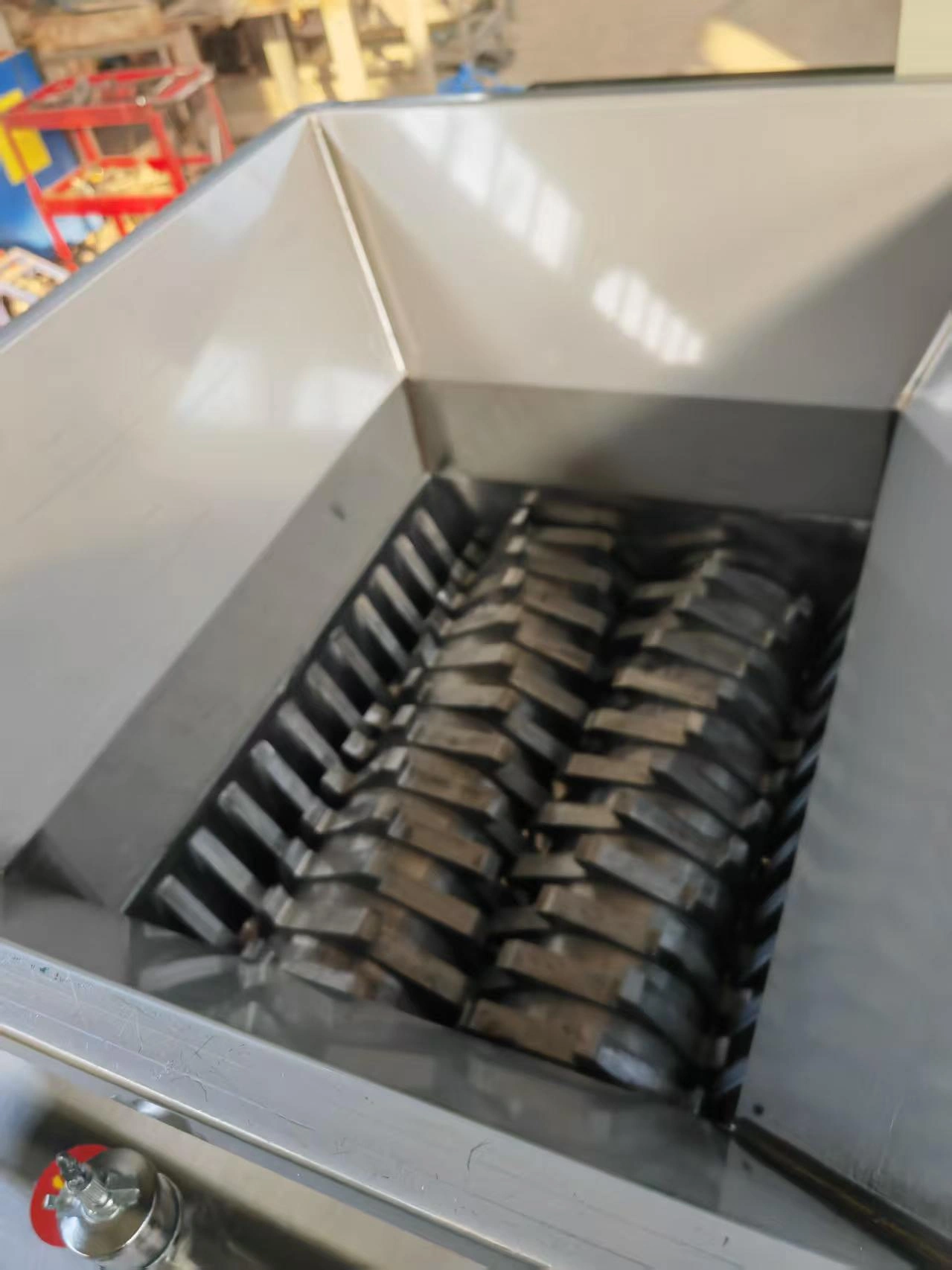
Definition: A high-torque, low-speed industrial crusher utilizing a twin-shaft interlocking blade system. It is designed to shear, tear, and fracture heavy-duty animal bones, commercial fruit/vegetable waste, and tough organic materials down to a uniform 6-30mm discharge size, relying on gear reduction rather than high-speed impact.
| Model | Inlet Size (mm) | Power of Reducer (kW) | Output (kg/h) | Machine Weight (kg) | Product Size (mm) | Industry Reality Check (The “Hidden Rule”) |
|---|---|---|---|---|---|---|
| 280 Type | 430 × 510 | 7.5 | 800 | 600 | 1080×750×1200 | Good for central kitchen organic waste. Don’t feed it whole cattle femurs. |
| 400 Type | 550 × 510 | 11 | 1300 | 750 | 1350×800×1250 | The sweet spot for heavy-duty animal bone crushing. |
| 600 Type | 670 × 750 | Dual 15 (30 Total) | 3000 | 1300 | 2150×950×1450 | Requires stable 380V 3-phase power. Check your factory grid before ordering. |
(Note: Production finished material size across all models is strictly controlled at 6-30 mm depending on blade configuration).
Most suppliers will try to sell you on motor horsepower alone. At the end of the day, if you don’t solve the material bridging issue in the hopper, all that power just spins empty air. We use a precisely calculated twin-shaft interlocking blade shredder mechanism that actively pulls material down into the shear zone. The Advantage: It relies on massive torque at low speeds (usually under 30 RPM). It bites, shears, and forces the material through. The Benefit (Your Profit): Equipment reps love throwing around fake numbers like “efficiency increased by 30%.” Ignore them. Look at the reality. When processing frozen cattle femurs and pork joints, actual throughput on our 400 Type stabilizes at a constant 1.35 tons per hour instead of peaking at 1.5 tons and jamming every ten minutes. It doesn’t sound like a massive revolution. But run that across a double shift, and you save 3 hours of manual unjamming downtime a week, keeping your operators safe and your line moving. ——this in the 2026 industry standards, is the absolute baseline.
Southeast Asian factories are brutal on gearboxes. An ambient temperature of 35°C combined with 90% humidity and aggressive chloride-based cleaning foams will destroy cheap bearings. The Advantage: The crushing chamber is built from sanitary stainless steel, but more importantly, the bearing housings are physically separated from the cutting chamber. The Benefit (Your Profit): Less catastrophic downtime. Here is a dirty little secret: when operators wash down a stainless steel food waste crusher, if they blast the main shaft seals at a 45-degree angle with a high-pressure water gun, the water bypasses standard lip seals and mixes with the reducer oil. The gearbox turns into a blender full of mayonnaise, and your bearings disintegrate. We engineered a secondary purge gap and shrouded the labyrinth seals. You won’t be rebuilding gearboxes just because your night shift got aggressive with the hose.
Q: Will this machine handle highly fibrous waste like palm empty fruit bunches (EFB) or coconut shells? Yes. The high-torque, low-speed industrial crusher design is specifically meant for this. High-speed grinders will just tangle and choke on palm fibers. Our interlocking blades shear the fibers cleanly. Just ensure you specify your material so we can optimize the blade hook angle before shipping.
Q: How hard is it to source replacement reducers or electrical parts in Indonesia, Thailand, or Vietnam? We don’t use proprietary, locked-down electronics. The 7.5 kW to Dual 15 kW reducers and motors run on standard SEA 380V 50Hz 3-phase power. The electrical contactors are universal. You can source replacements from our local distributors within 24 hours, or even find compatible industrial pneumatics at your local hardware supplier in a pinch.
Q: How do I control the final output size? The discharge size (6-30mm) is physically dictated by the thickness of the blades and the number of hooks on each blade disk. It is a mechanical certainty, not a guess. If you need a finer paste for your food processing plant, you run this shredder as a primary volume-reduction step, then feed the 10mm chunks into a secondary colloid mill. Don’t try to make one machine do both jobs poorly.
Do you have project requirements or technical questions? Please let us know in the form below.