- Shandong Zhucheng Kaicheng Liangcai Machinery Factory
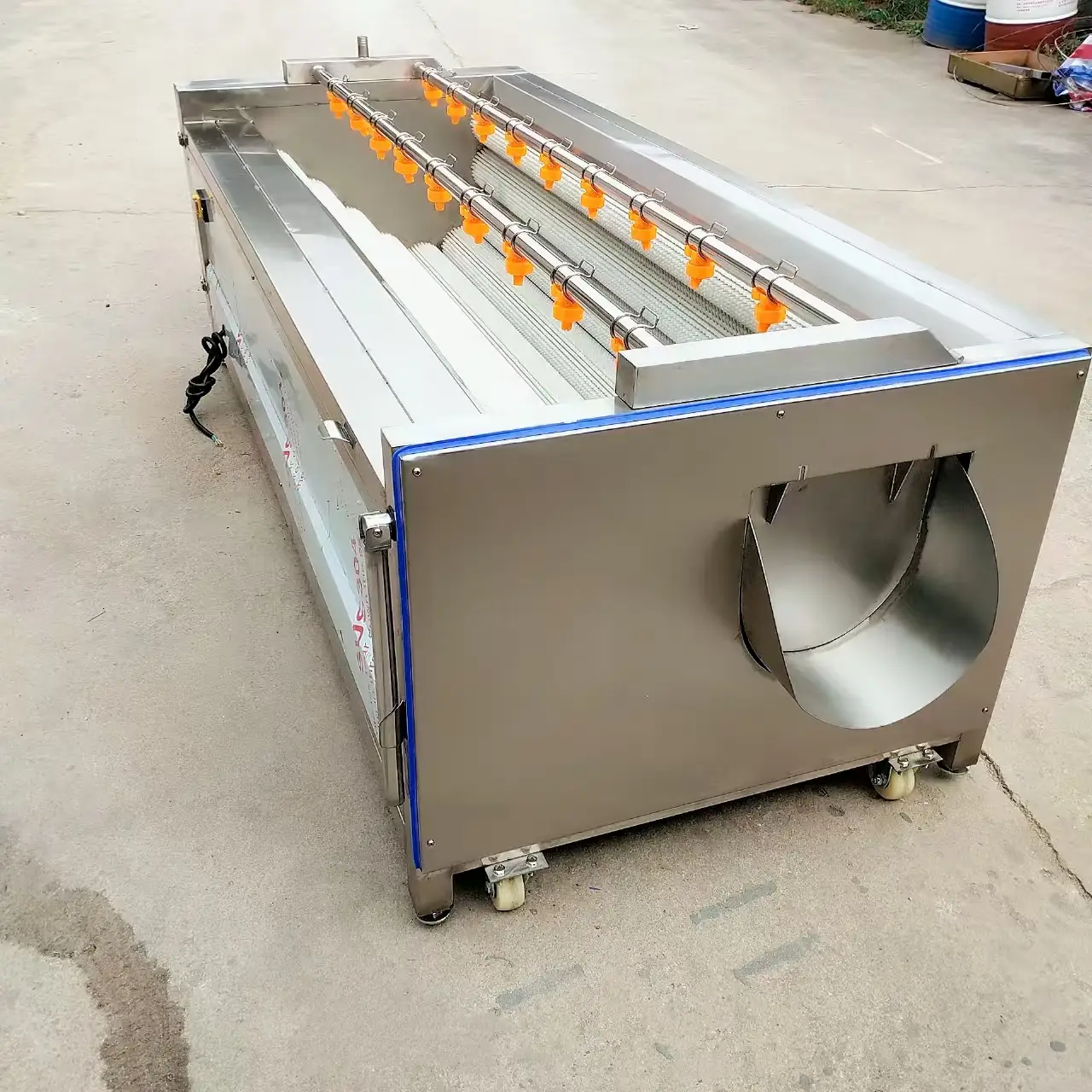
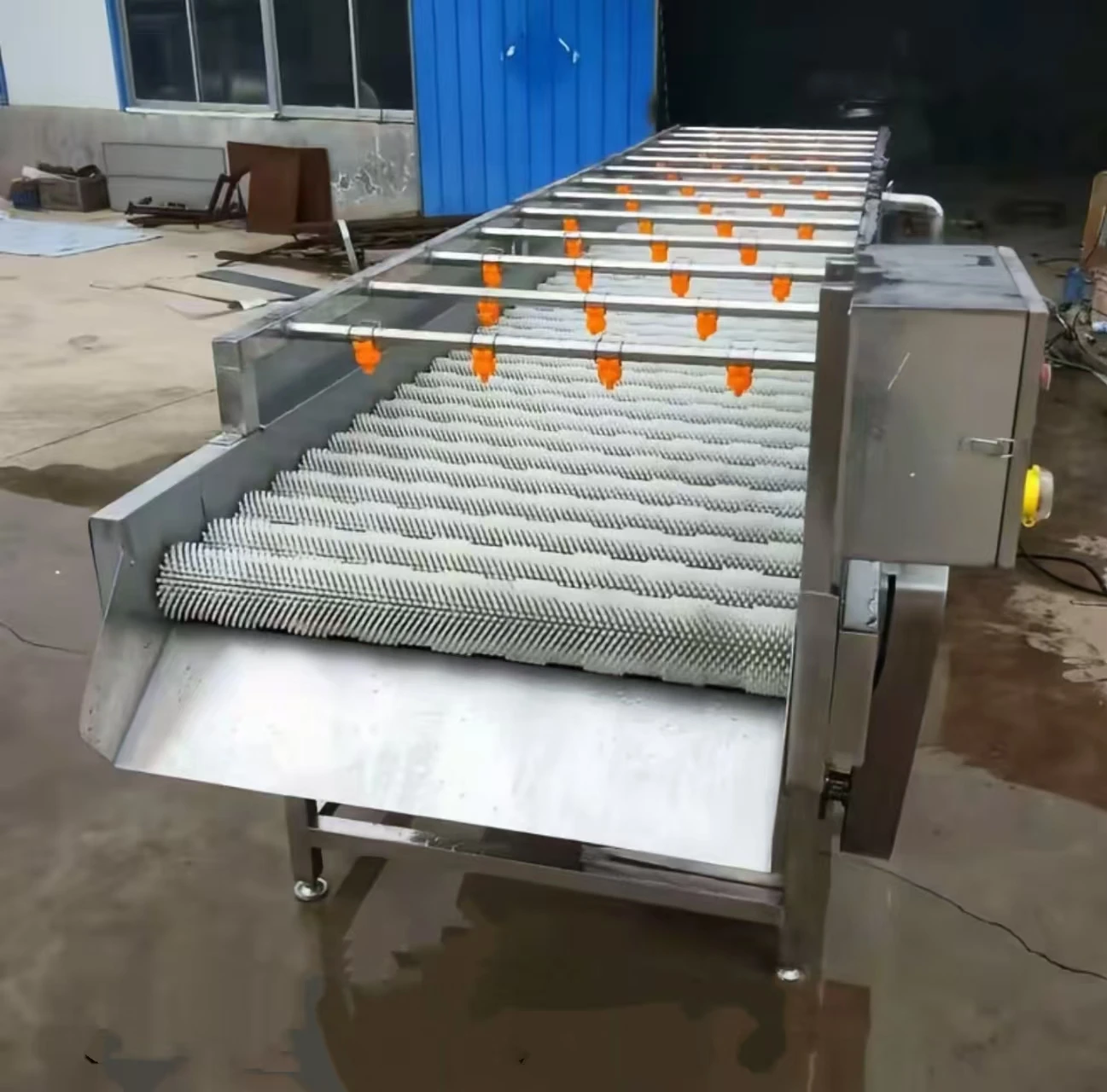
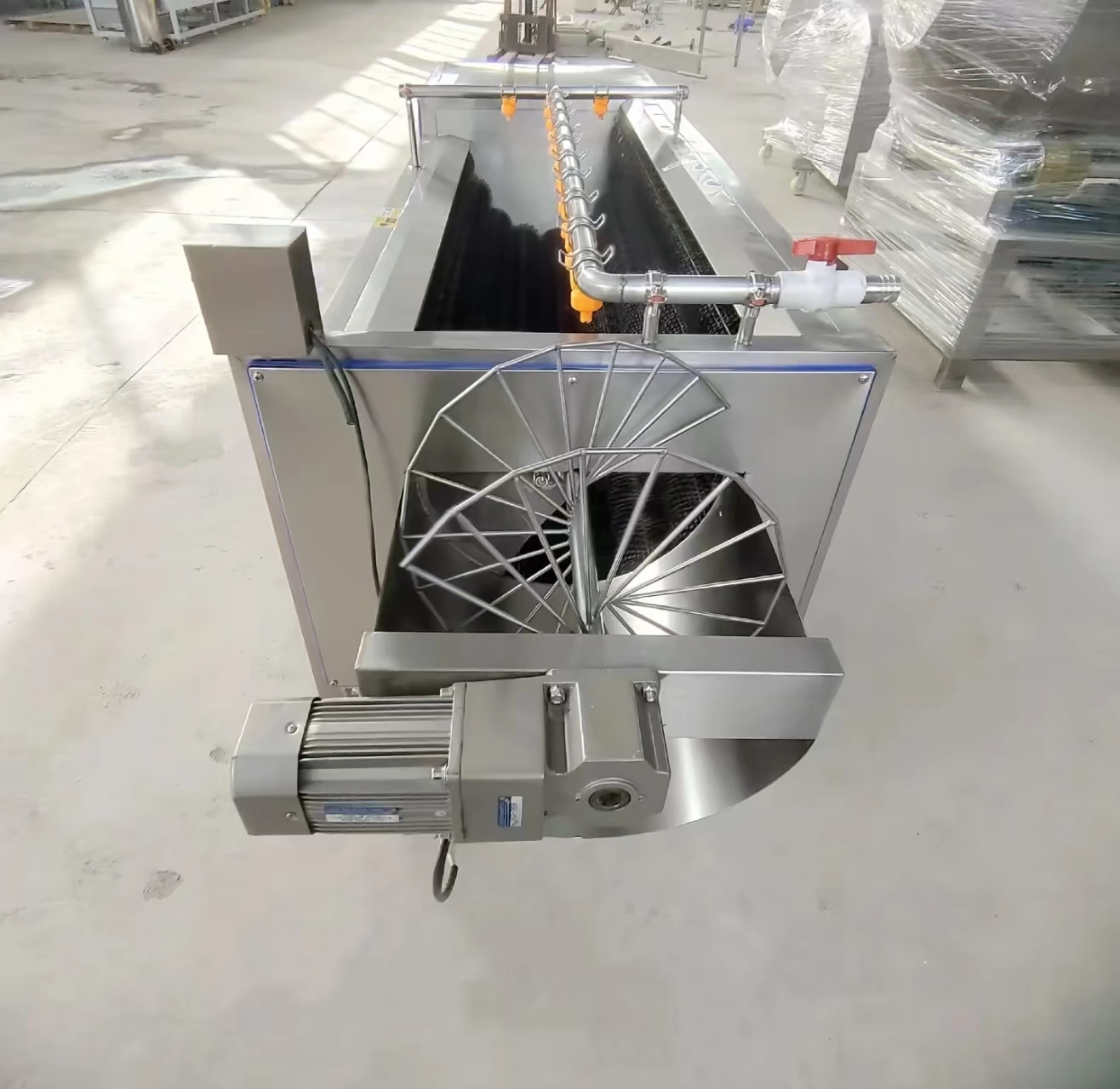
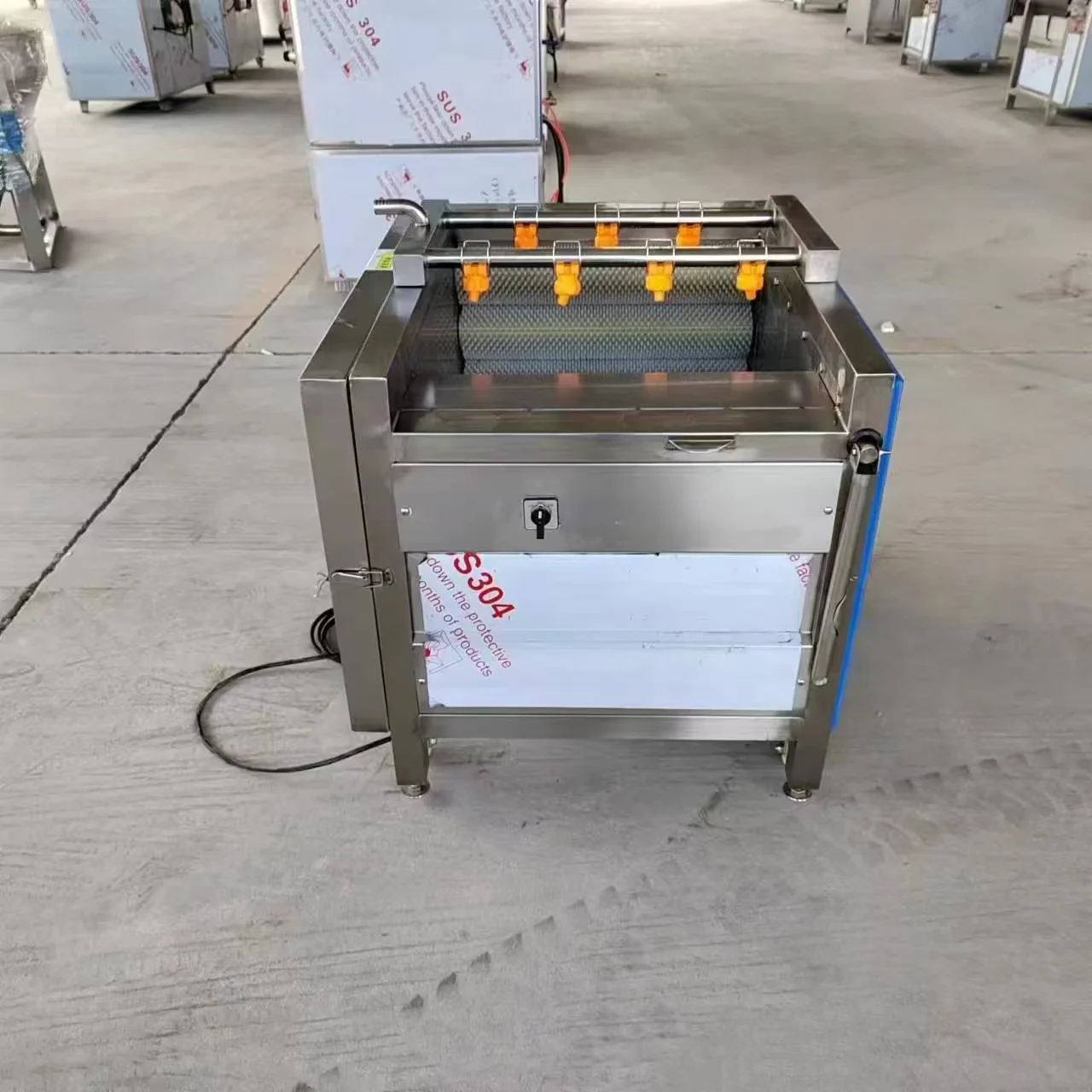
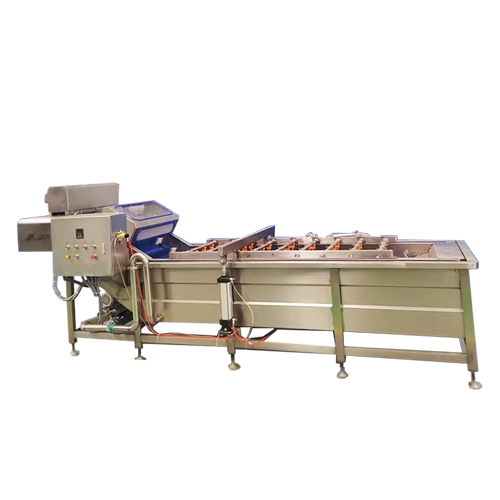
Our industrial brush roller washing machine is designed for efficient cleaning of potatoes, cassava, ginger, taro, carrots, and other root vegetables. With durable stainless steel construction and strong brush roller action, it removes mud, sand, and surface impurities quickly and evenly. The machine is easy to operate, simple to clean, and suitable for continuous use in hot and humid food processing environments like Indonesia. It is an ideal choice for vegetable processing plants, central kitchens, and cassava or root crop production lines.
For food processors in Indonesia, washing is not a small step. It affects product hygiene, labor cost, line speed, and even how your final product looks on the shelf. This industrial brush roller washing machine is built for factories and central kitchens that need fast, consistent cleaning for potatoes, carrots, cassava, ginger, taro, sweet potatoes, and other root vegetables. It handles stubborn soil well, works steadily in hot and humid conditions, and helps reduce manual washing time without making maintenance a headache.
In Indonesia, raw materials often arrive with heavy mud, fine sand, and uneven surface dirt. Hand washing takes time. Water usage climbs. Workers get tired fast. This machine is designed to solve that problem in a practical way.
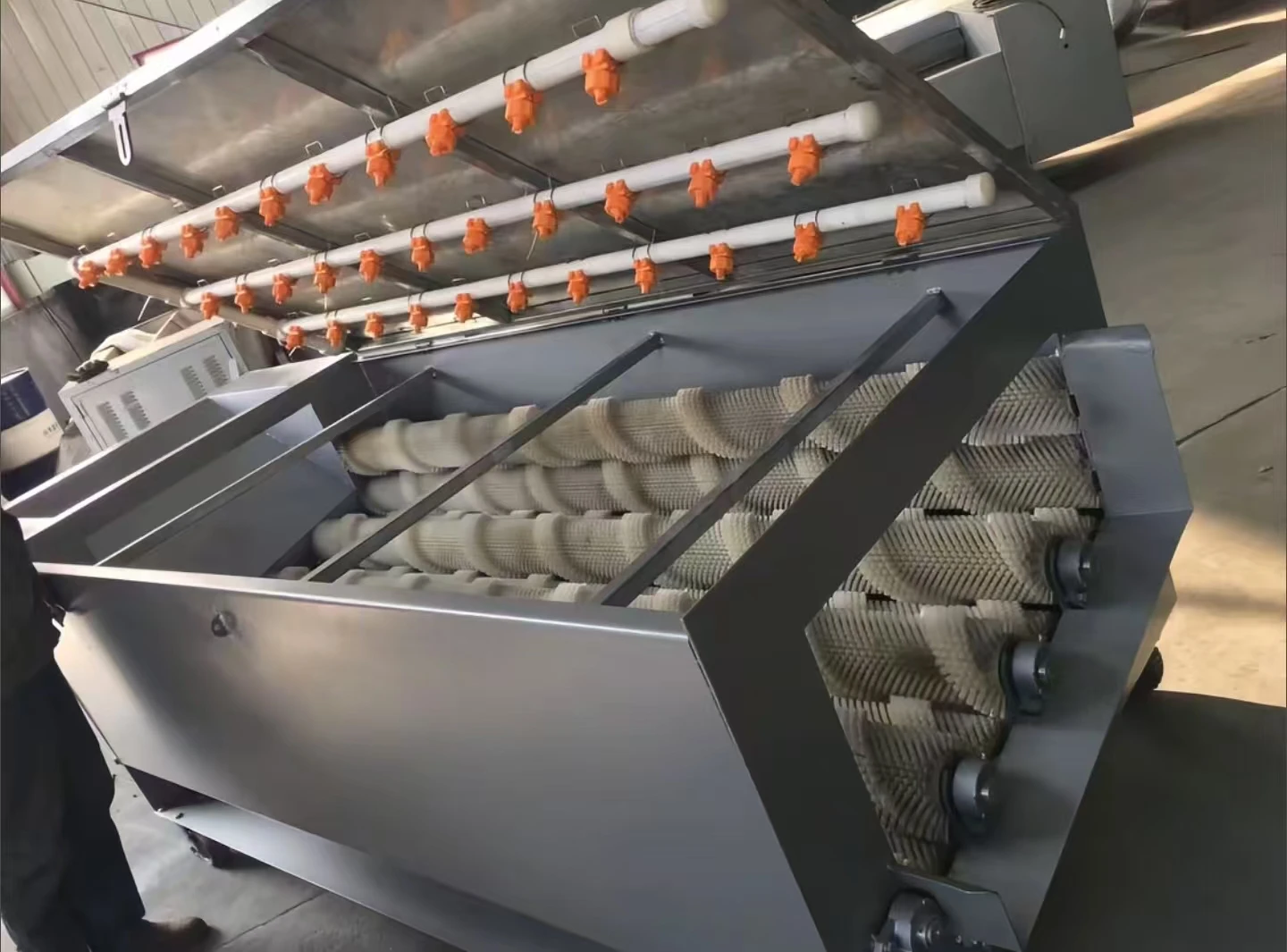
The core of the machine is its rotating brush roller structure.
This means the machine can wash delicate vegetables or handle harder root crops, depending on your production needs.
High humidity and constant operation can wear down ordinary equipment quickly. That is why this machine is designed with food-contact parts made from stainless steel, helping improve durability in Southeast Asian conditions.
For Indonesian processors, that matters. Equipment that looks fine on day one but starts corroding after months of wet use is never a bargain.
This machine is not just about washing produce. It is about making the whole line smoother.
The brush rollers rotate continuously while water flushes the product surface.
For small and medium food factories, that translates into fewer delays between receiving and downstream processing.
Depending on the brush type and machine setup, the equipment can be used for:
This is especially useful for products like:
For Indonesian food businesses processing cassava snacks, frozen vegetable products, spice ingredients, or ready-to-cook packs, this flexibility is a real advantage.
Not every plant wants a complicated control system. This machine is designed for straightforward use.
That is valuable in factories where labor turnover can affect production rhythm.
The real value is not the machine alone. It is what the machine helps your business avoid.
Manual washing of muddy root crops takes a lot of hands. And a lot of patience.
With an industrial brush roller washing machine, your team can:
A cleaner raw material means a better-looking final product.
If you sell to supermarkets, foodservice distributors, or export buyers, visual consistency matters more than many factories expect.
When upstream washing is unstable, the whole line slows down. This machine helps maintain a more reliable flow.
For growing food factories in Indonesia, speed without chaos is the sweet spot.
This machine is widely used in vegetable processing plants, frozen food factories, central kitchens, agricultural product workshops, and snack manufacturing lines.
It can be used for cleaning or surface treatment of:
It fits well in processing lines for:
In Indonesia, cassava and root crop processing is a strong match. The machine helps remove mud and improve preparation speed before slicing, frying, steaming, or packing.
Here is the core buying logic in a clean format:
| Feature | Advantage | Customer Benefit |
|---|---|---|
| Brush roller cleaning structure | Strong friction cleaning for irregular surfaces | Removes mud and dirt faster than manual washing |
| Stainless steel contact parts | Better resistance to rust and moisture | More suitable for humid Indonesian factories |
| Continuous operation design | Stable washing for repeated batches | Higher throughput and smoother workflow |
| Optional soft/hard brushes | Flexible for different vegetables and root crops | One machine can handle more product types |
| Simple operating system | Easy for workers to learn | Less training time and fewer operating mistakes |
| Easy-clean structure | Convenient for daily sanitation | Saves maintenance time and supports food safety |
This is where the machine earns its place on the production floor: less mess, less labor pressure, more consistent output.
A washing machine should not become another cleaning problem. This model is designed with maintenance practicality in mind.
Brush rollers are wear parts over time, especially under heavy daily use. A good industrial setup makes replacement straightforward.
For export markets like Indonesia, easy maintenance is not just a nice extra. It protects uptime.
Factories do not all run the same electrical standard, so voltage flexibility matters.
This machine can usually be customized for:
This makes it easier for Indonesian buyers to match the equipment with existing workshop power conditions. For larger factories, 3-phase configurations are often the practical choice for stable continuous running.
A machine sells once. Reliable support keeps the customer.
For Indonesian importers, distributors, and processing plants, quick access to wear parts and clear service communication can make a big difference after delivery.
This equipment is a strong fit for:
If your production still depends on manual washing for muddy raw materials, this machine can quickly improve efficiency and consistency.
Below are the questions buyers usually care about before placing an order.
It is mainly used for potatoes, cassava, sweet potatoes, taro, carrots, ginger, radish, yam, and other root vegetables or tubers. Brush type can be selected according to the product surface and cleaning target.
Yes, some configurations support light peeling or washing plus peeling. This depends on the brush material, brush hardness, and machine design.
No. The machine is designed for practical daily cleaning. Stainless steel structure and accessible internal areas make washdown easier than many closed or complicated systems.
Yes. Brush rollers are normal wear parts, and replacement is usually straightforward. Preparing spare brushes in advance is recommended for factories with continuous production schedules.
Capacity depends on machine size, product type, and cleaning requirement. Small and medium models are suitable for workshop use, while larger configurations can be matched to industrial processing lines.
Yes. This is one of its strong points. Stainless steel construction and a simple mechanical structure make it more suitable for hot and humid environments than ordinary low-grade equipment.
Yes. Common options such as 220V and 380V are typically available, depending on factory power supply and motor configuration.
Yes, especially for businesses that process root vegetables in repeated batches and want to reduce labor cost while improving cleaning consistency.
This machine does not try to be flashy. It solves a real production problem.
You receive dirty raw materials. You need them cleaned fast. You do not want too many workers standing over tanks all day. You also do not want fragile equipment that struggles in a wet workshop. That is exactly where an industrial brush roller washing machine makes sense. It gives food processors a cleaner upstream step, steadier output, and a more manageable production routine.
For Indonesian factories handling cassava, potatoes, taro, ginger, and similar products, this machine is a practical investment with direct value on the floor.
Do you have project requirements or technical questions? Please let us know in the form below.