- Shandong Zhucheng Kaicheng Liangcai Machinery Factory
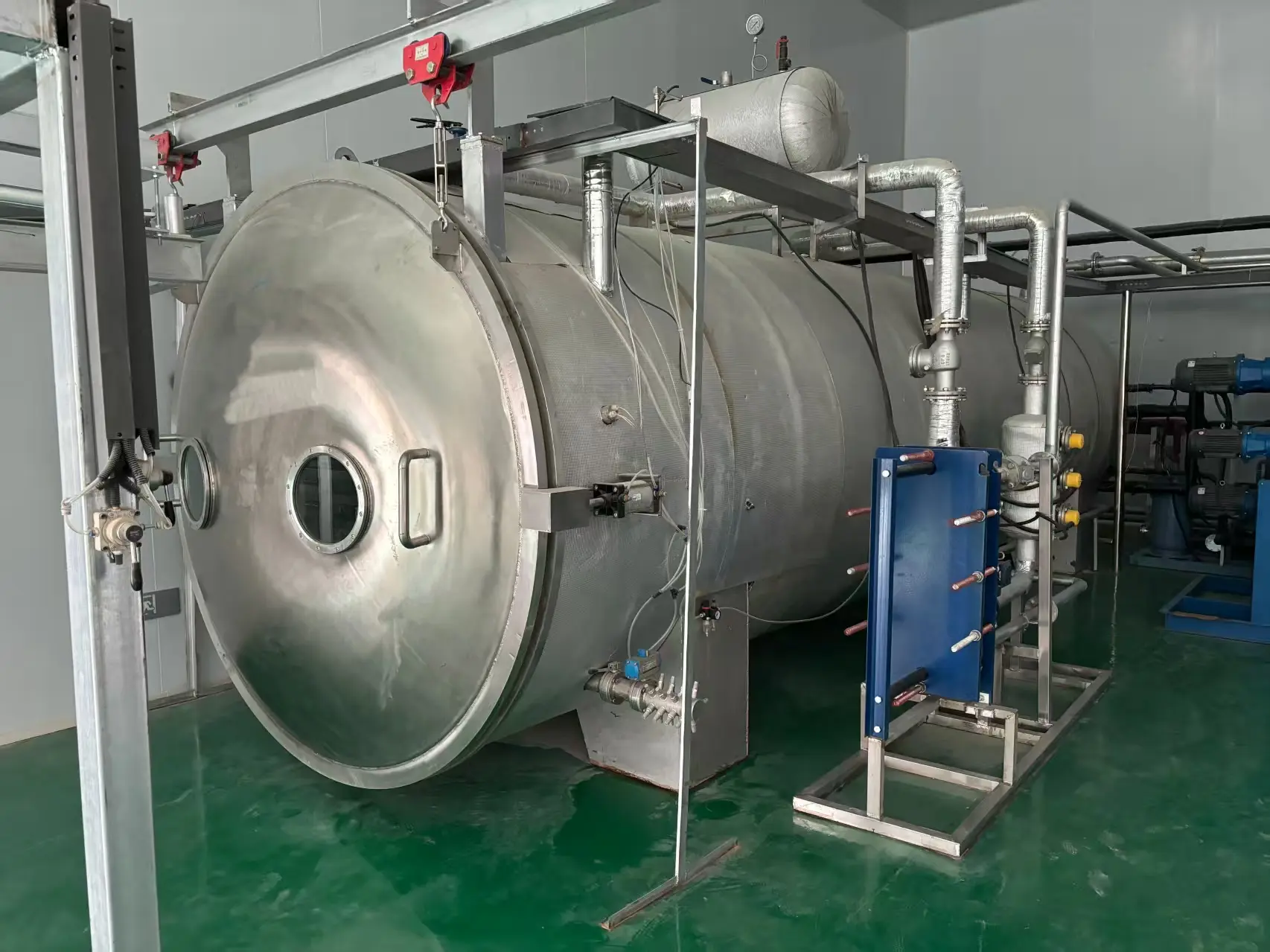
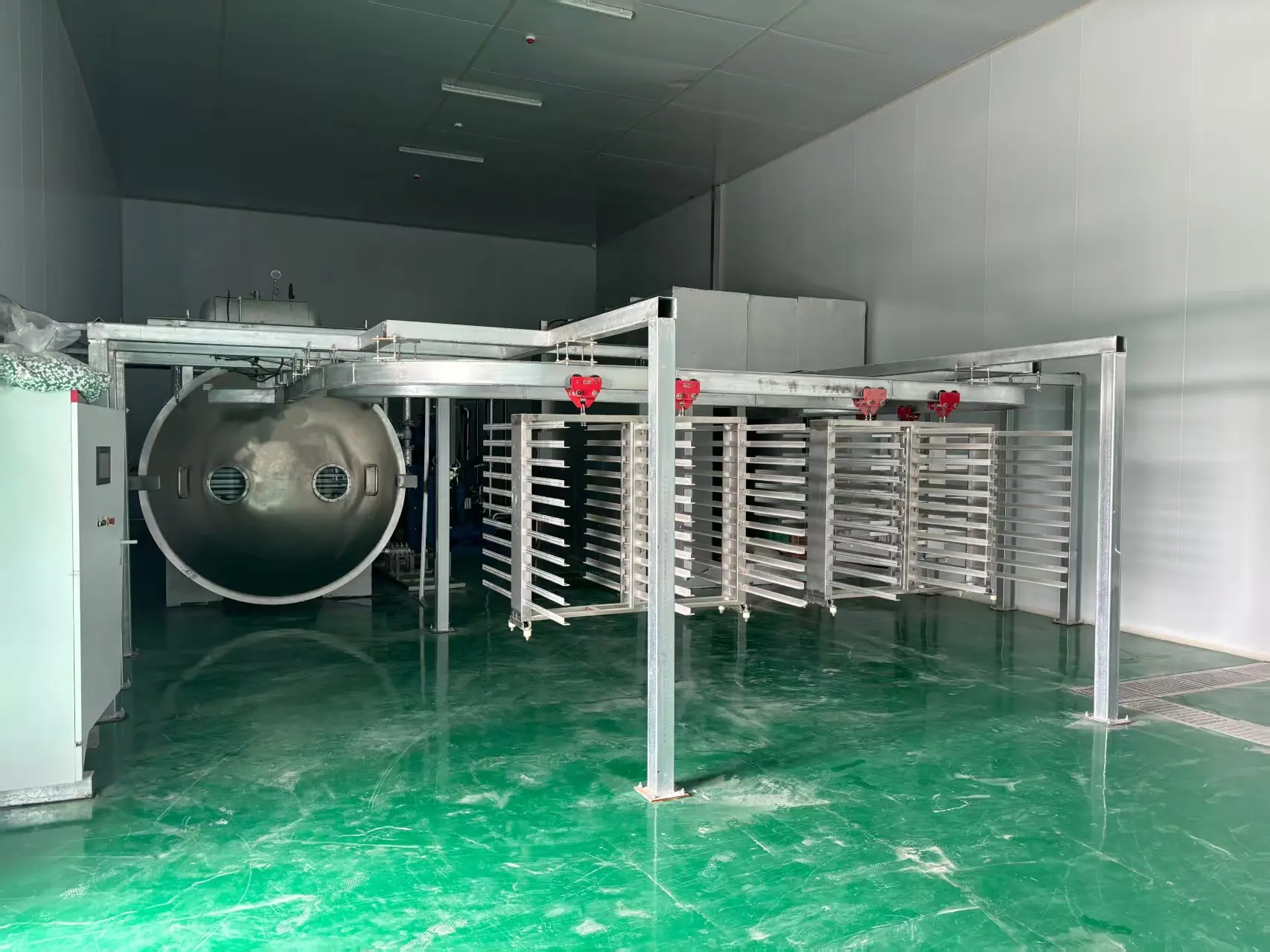
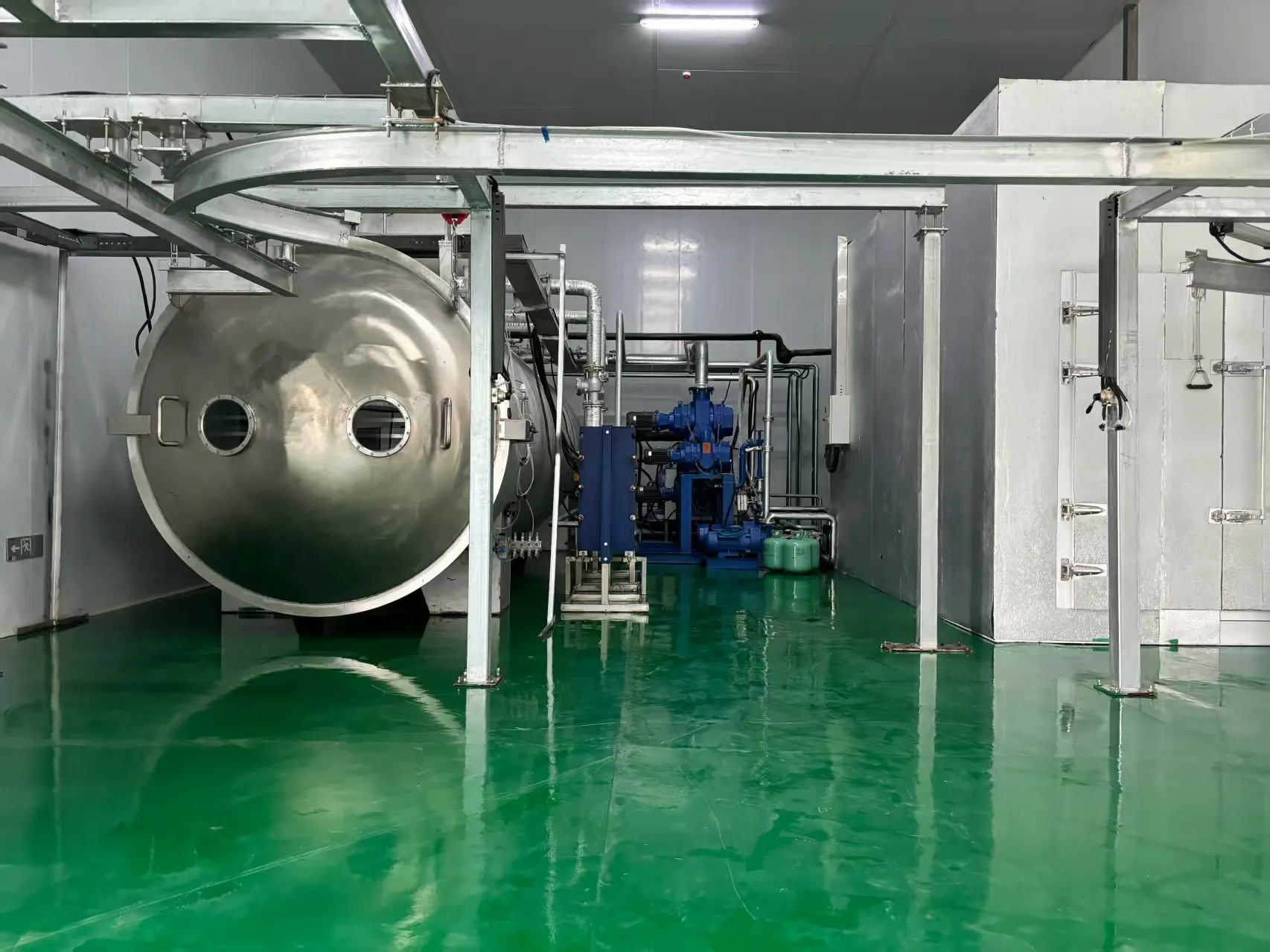
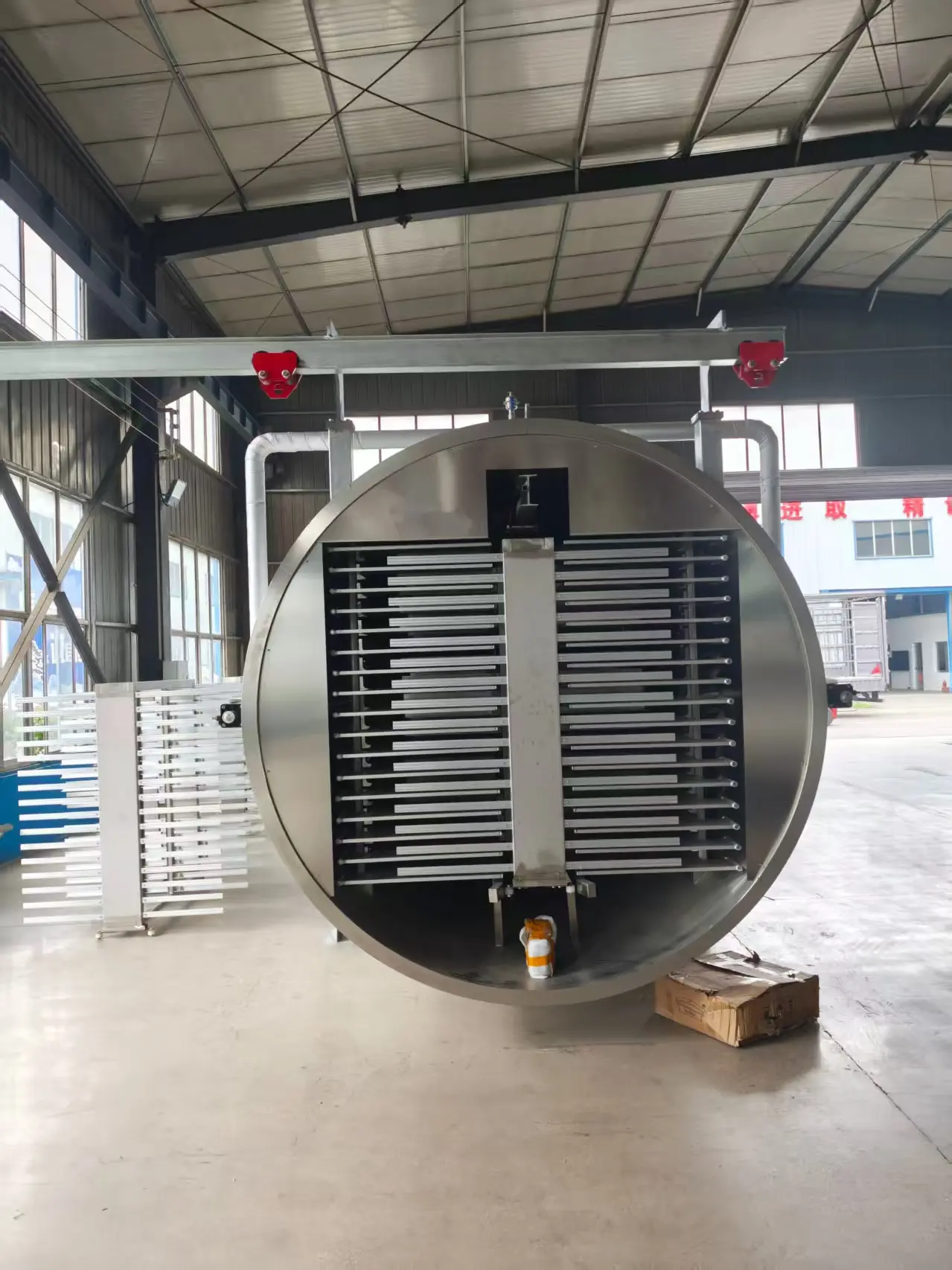
Why are your premium fruits turning into chewy sponges? Last week, a processor in Chanthaburi showed me a 200-kilo batch of Monthong durian that collapsed during the secondary drying phase because his cheap vacuum pump couldn’t handle the moisture load. If you are scaling up a high-value snack plant in Southeast Asia, your search intent for an Industrial Vacuum Freeze Dryer isn’t about finding a cold box; it is about securing a closed-loop sublimation system that extracts ice crystals directly into vapor without breaking the cellular structure of your product in our 90% humidity environment. Let’s look at the mechanical reality.
By definition, a true industrial vacuum freeze dryer utilizes a silicone oil-heated shelf system paired with a massive -60°C cold trap, engineered to freeze products below their eutectic point and pull a deep vacuum to sublimate water directly from a solid to a gas.
Don’t guess your utility loads based on laboratory brochures. Here is the actual operational data for the FD-50 Series (the standard commercial export model), so you can calculate your true factory footprint and electrical draw:
| Specification | Real-World Engineering Data |
|---|---|
| Equipment Model | FD-50 Vacuum Freeze Dryer |
| Shelf Area | 5.0 m² (SUS304 Stainless Steel) |
| Batch Capacity | 50 kg (Fresh weight) |
| Cold Trap Temperature | ≤ -60°C (Bitzer/Copeland Compressor) |
| Ultimate Vacuum | ≤ 5 Pa (Leybold Rotary Vane Pump) |
| Heating Method | Silicone Oil Circulation (Uniform ±1°C) |
| Total Power | 18.5 kW |
| Voltage | 380V / 50Hz, 3-Phase (Standard SEA Industrial) |
You know the environment. High ambient heat, sticky sugar bases, and operators who rush the defrost cycle.
At the end of the day, if your cold trap can’t capture the sublimated vapor faster than your shelves heat up, the vacuum drops, and your durian melts. Our FD-50 uses a dedicated cascade refrigeration system to hold the vapor condenser strictly below -60°C, ensuring the triple-point of water is never breached during the primary drying phase. ——this, in the 2026 industry standards, is already the bare minimum.
Insider Warning: When your operators run the hot-water defrost cycle on the cold trap between batches, if they don’t completely drain the residual water before engaging the vacuum pump, that moisture will bypass the baffle and emulsify the pump oil within three cycles. AI doesn’t know that, but your maintenance logs will. Tell them to run a 10-minute dry ballast cycle before loading the next batch.
Here are the facts you need to know before wiring your cleanroom:
Let’s talk about drying times. Most equipment dealers will tell you this machine “reduces drying time by 40%.” That is a meaningless metric.
Here is the reality on the floor: When freeze-drying premium Kopi Luwak (civet coffee) extract in Bali, the actual stable cycle time went from 48 hours (using a direct-expansion shelf dryer) to 34 hours using this FD-50 silicone oil model. It doesn’t sound like a massive marketing revolution. But in a 30-day production month, shaving 14 hours off every cycle means you are running 21 batches instead of 15, yielding an additional 300 kg of pure lyophilized coffee powder without expanding your floor space. That is how you scale a business.
1. Can this machine handle high-sugar tropical fruits? Yes, but you must adjust your freezing profile. Fruits like mango or pineapple have a very low eutectic point. You must pre-freeze them down to -40°C before pulling the vacuum, otherwise, the sugar matrix will collapse and bubble.
2. How difficult is it to change the vacuum pump oil? It takes one technician about 20 minutes. Because of the extreme humidity in Southeast Asia, you must change the rotary vane pump oil every 300 operating hours. If you wait for the oil to turn milky white, the internal stators are already scoring.
3. Are the refrigeration compressors proprietary? No. We use standard industrial Bitzer or Copeland compressors. If a compressor valve fails during a heatwave in Ho Chi Minh City, your local HVAC supply house has the rebuild kit. You are not waiting weeks for parts.
Do you have project requirements or technical questions? Please let us know in the form below.