- Shandong Zhucheng Kaicheng Liangcai Machinery Factory
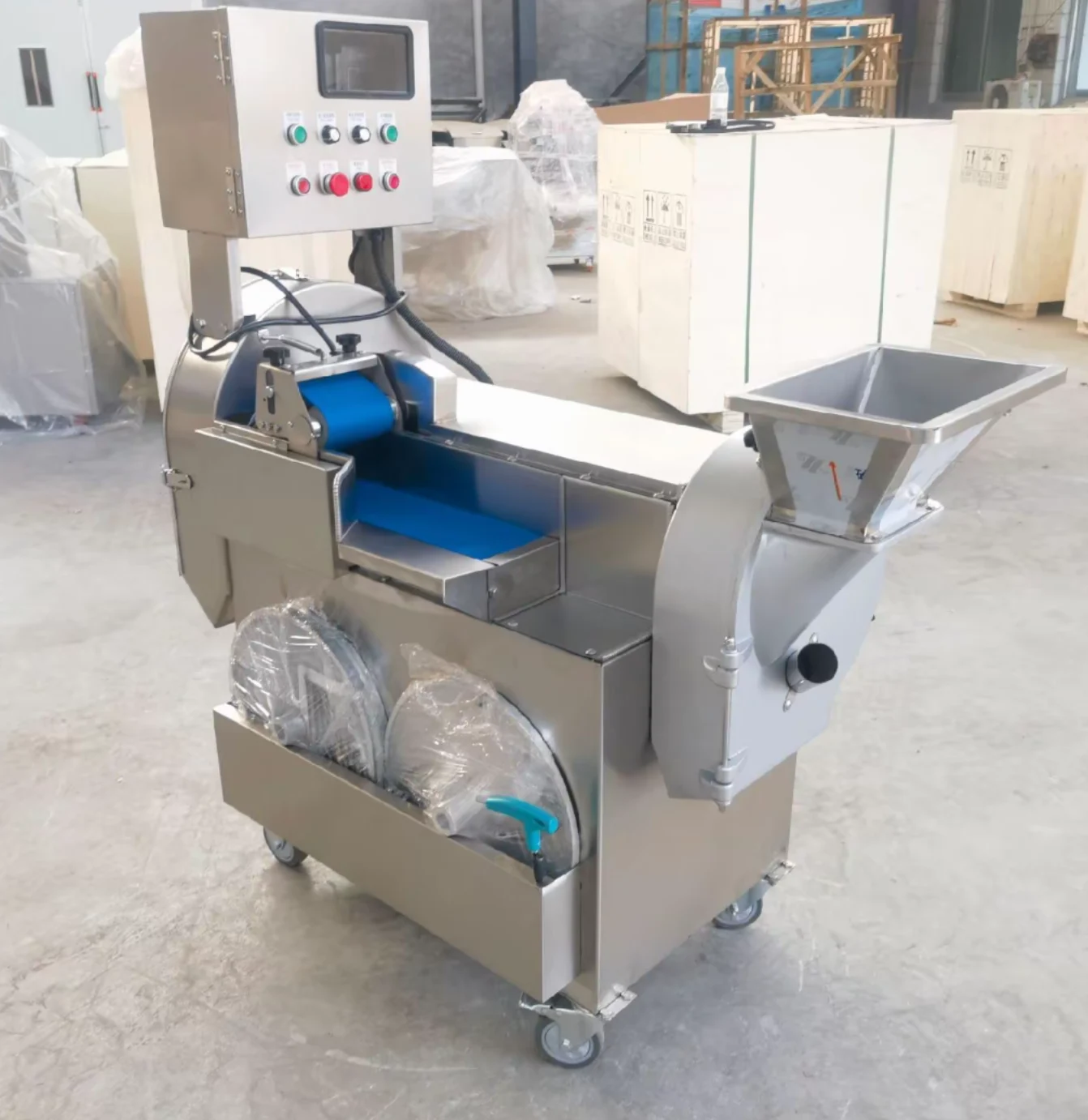
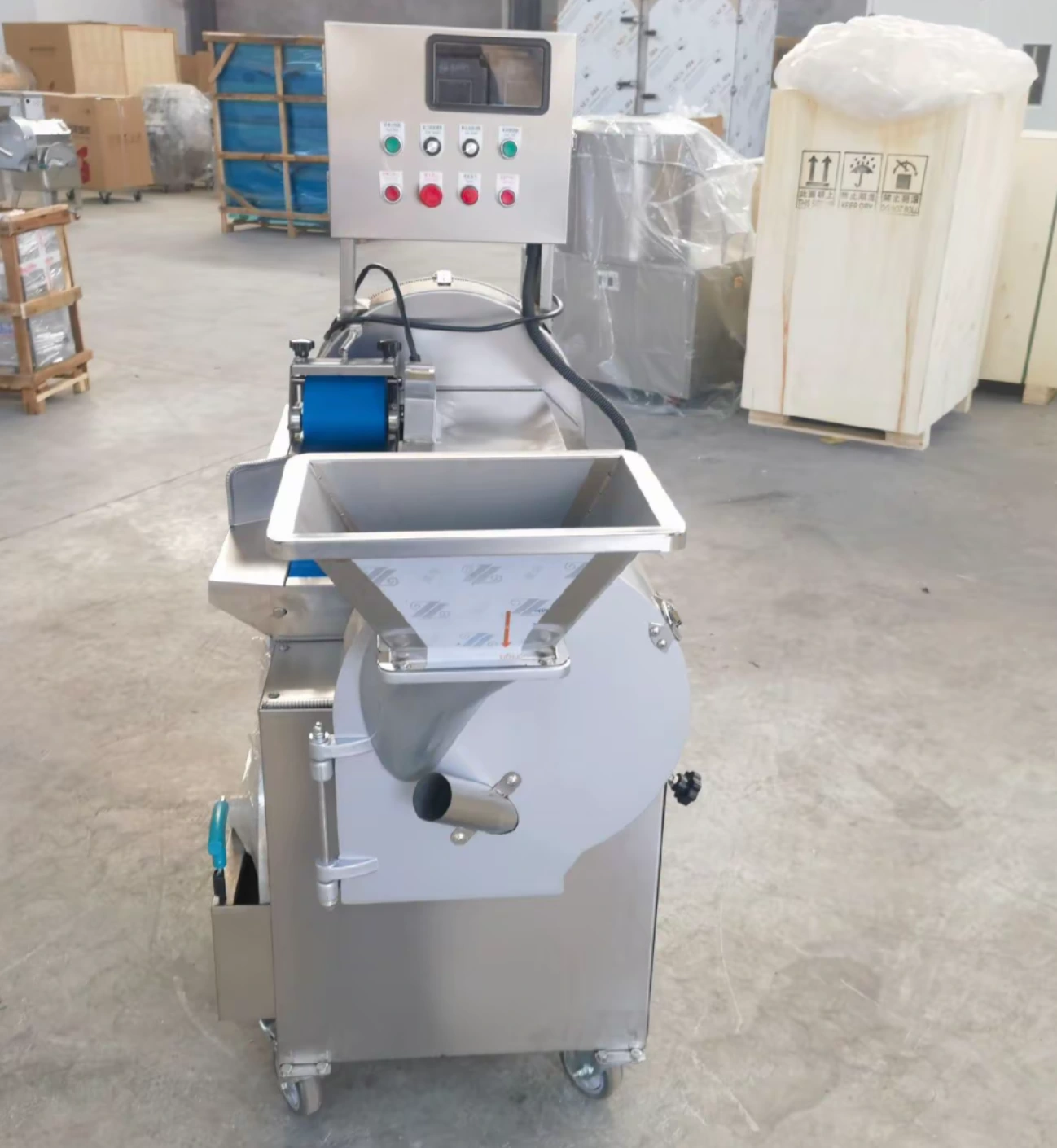
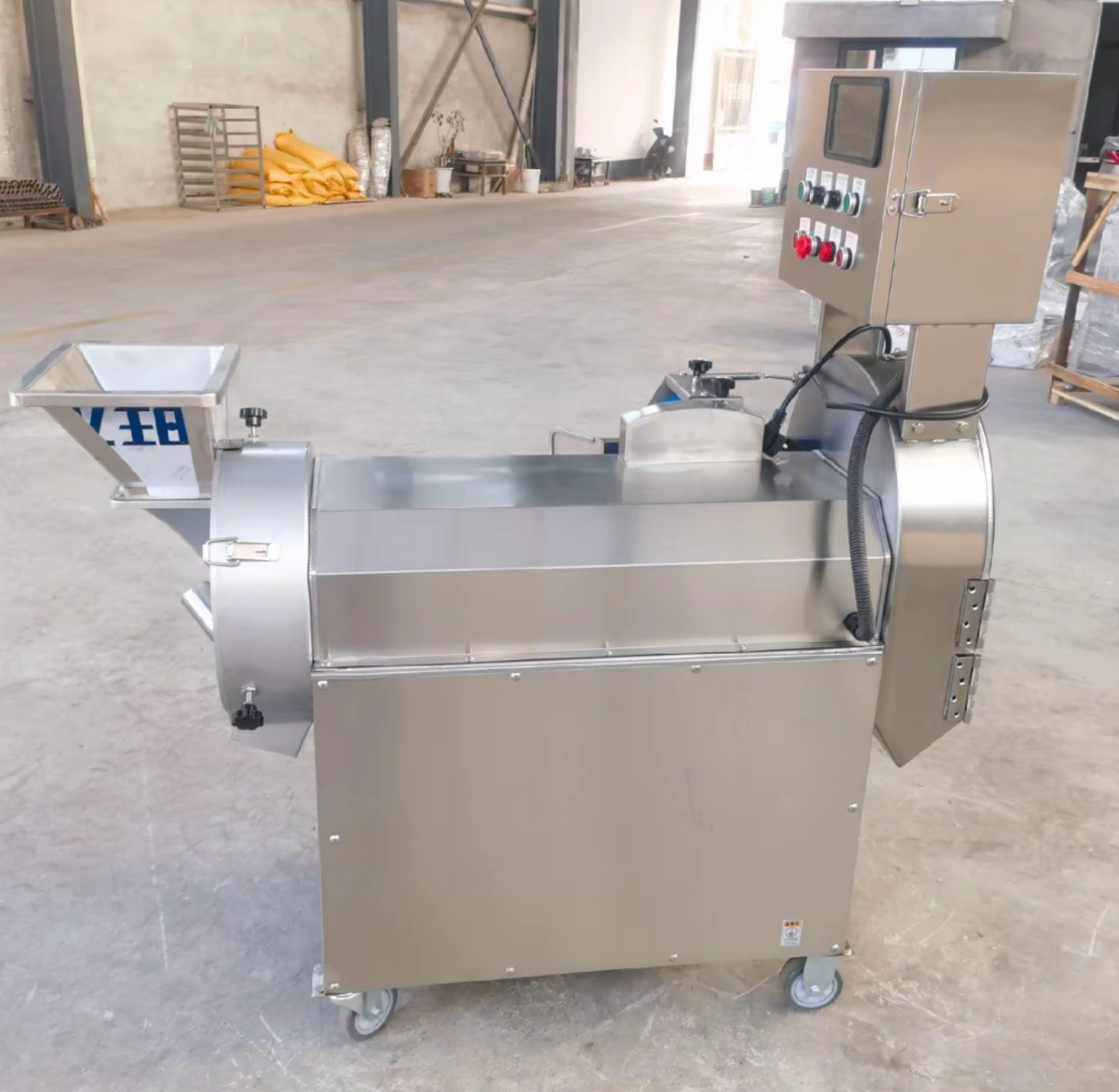
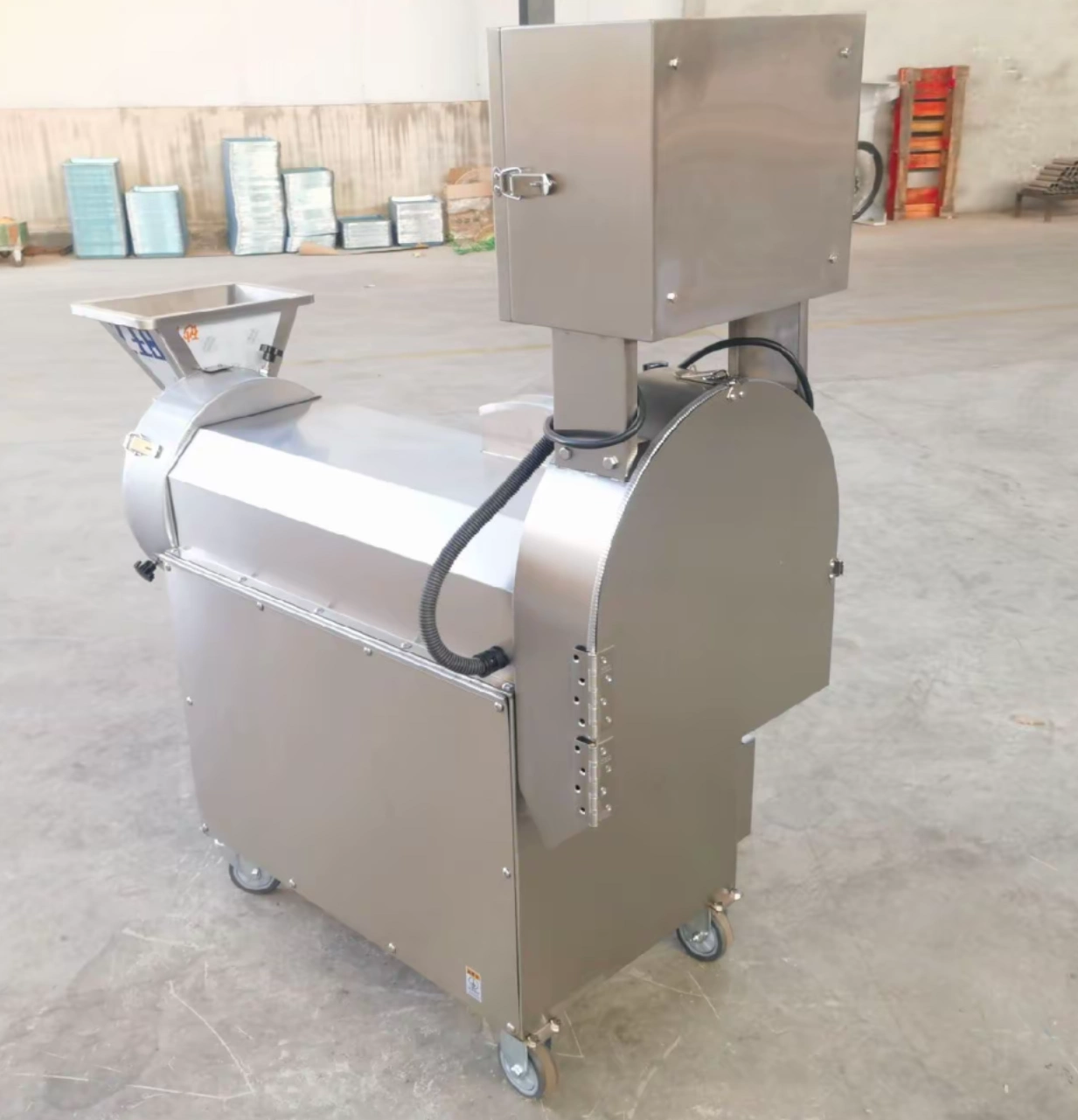
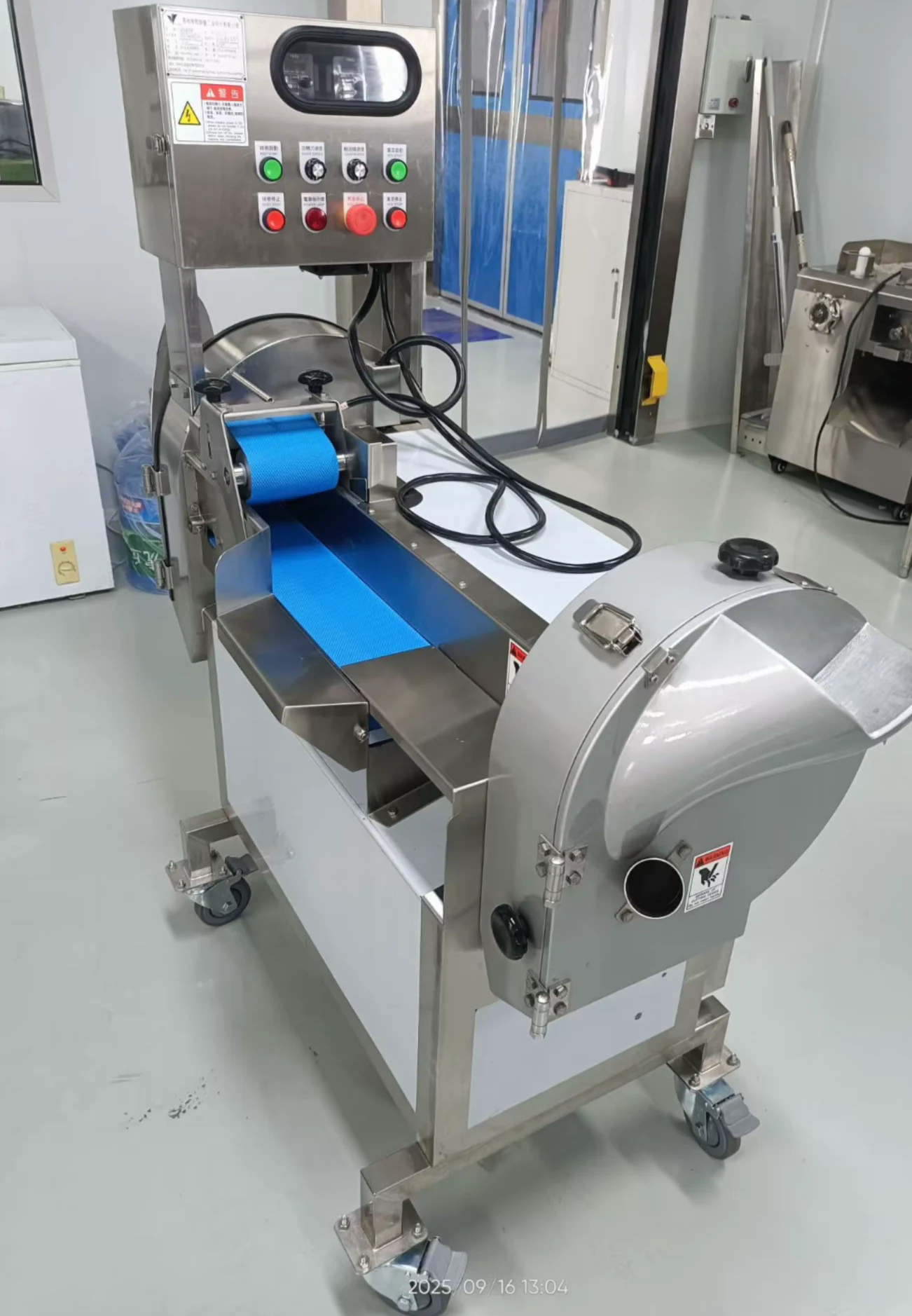
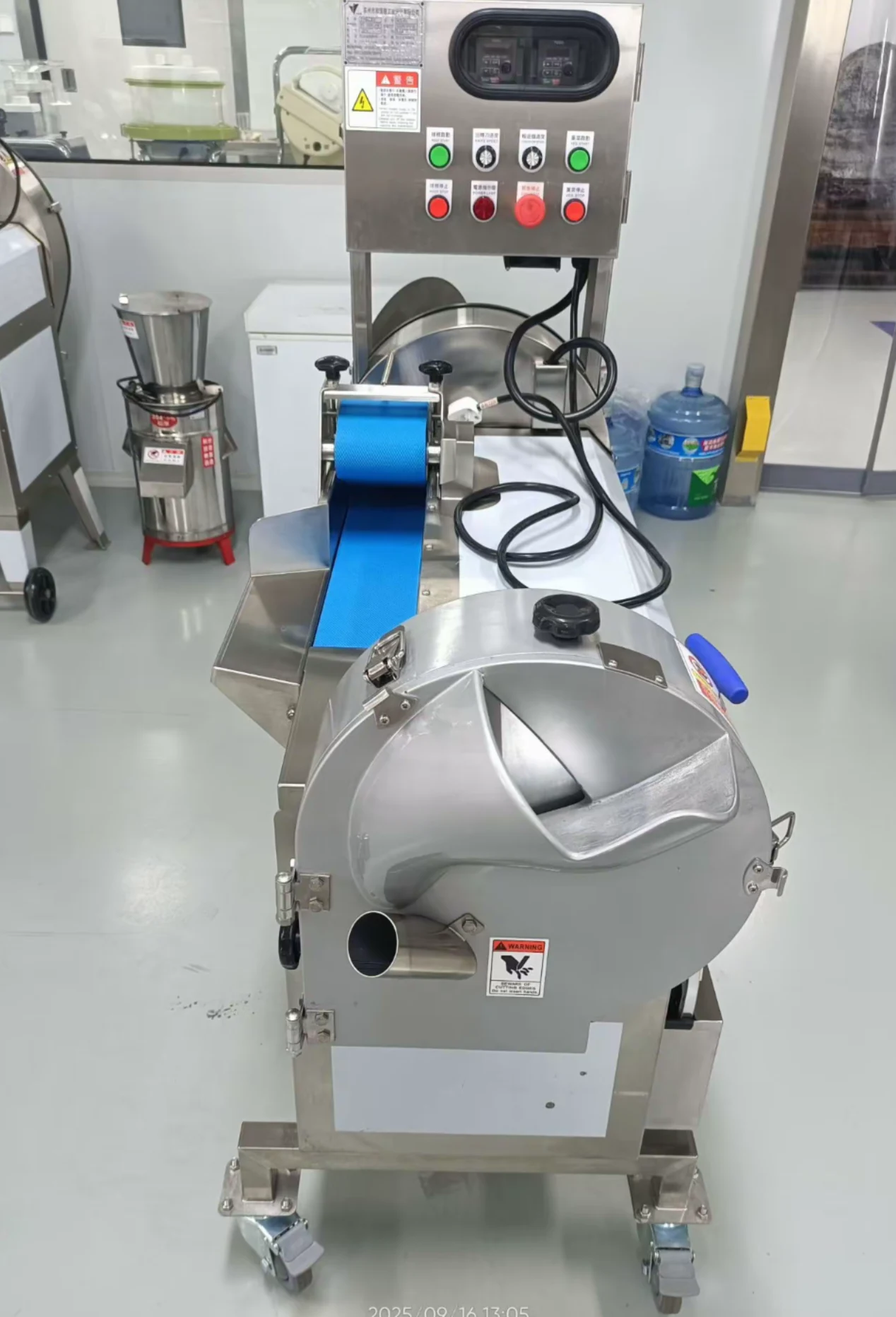
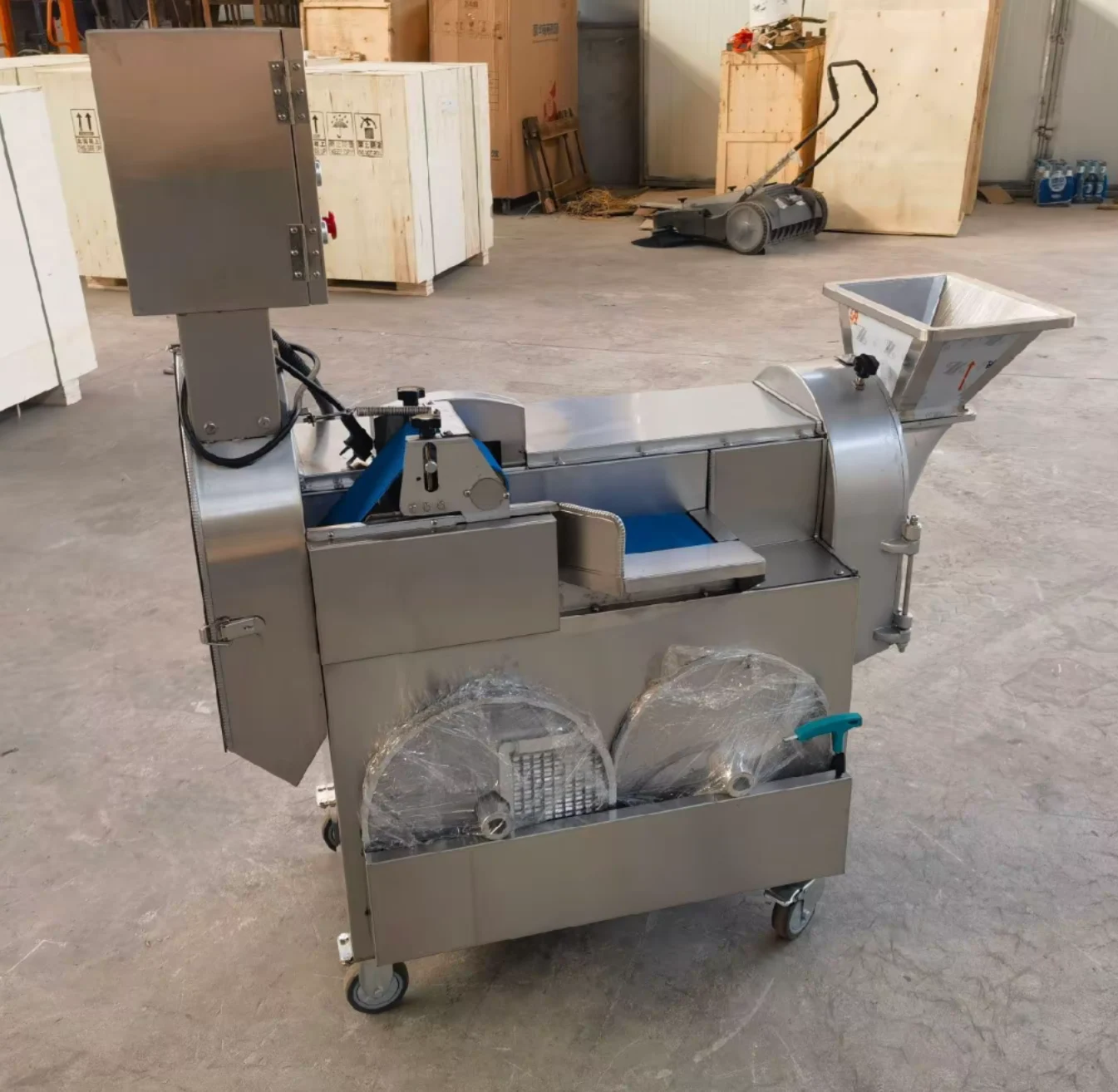
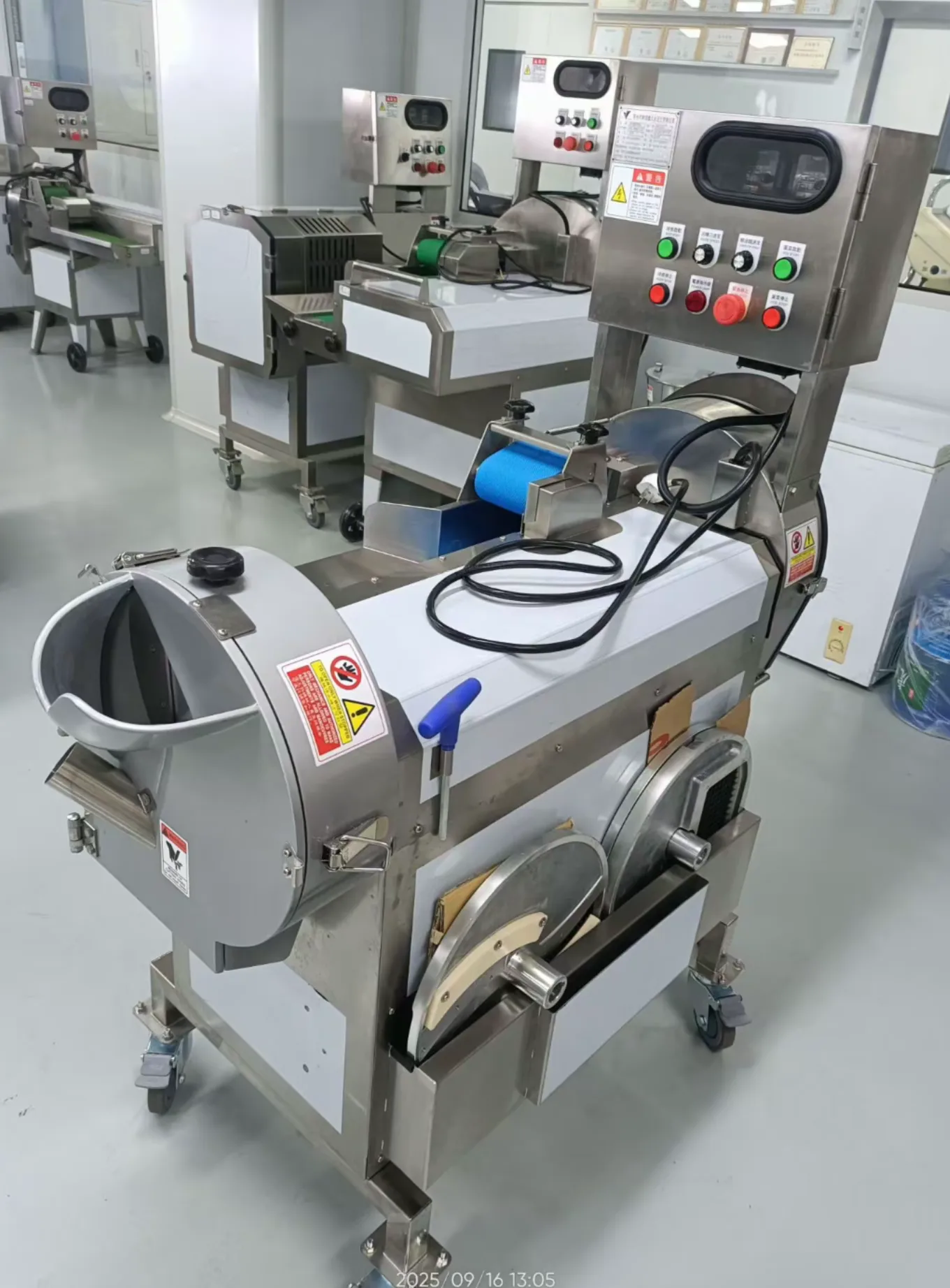
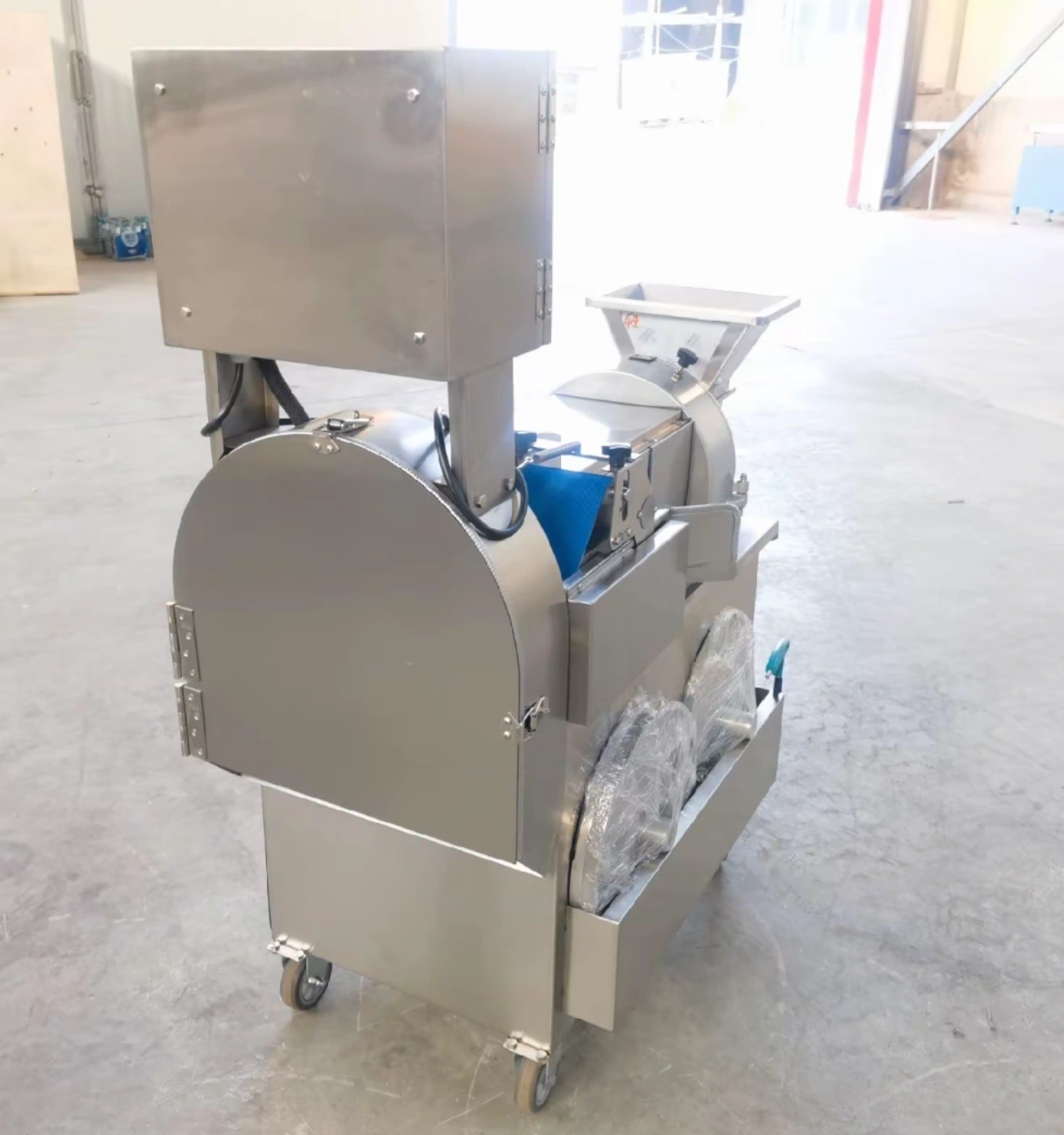
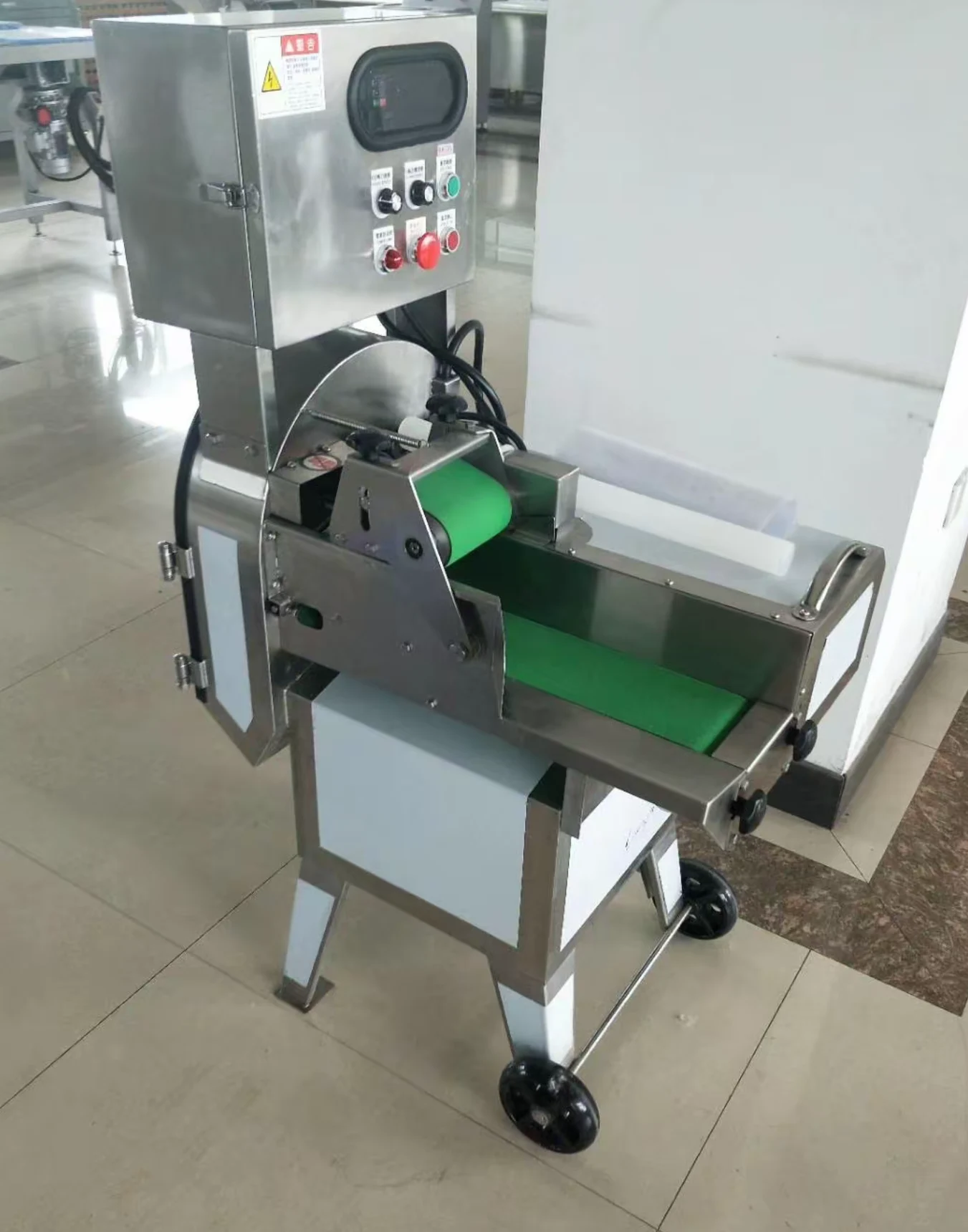
Engineered for Southeast Asian commercial kitchens, this Multi Function Vegetable Cutting Machine utilizes a dual-head design to process both leafy greens and hard tropical roots. Featuring independent VFD controls, a 1.5kW dual-motor system, and SUS304 construction, it easily handles tough ingredients like galangal and green papaya. Ideal for high-volume catering, it eliminates manual prep errors and guarantees precise, unbruised cuts every time.
Last week, a central kitchen manager in Bangkok called me in a panic because his cheap single-motor slicer was turning fresh galangal and lemongrass into a fibrous, stringy mess. His blades were dulling after just two hours of prep for Tom Yum soup base. If you are running a commercial catering facility in Southeast Asia, your search intent for a Multi Function Vegetable Cutting Machine isn’t about finding a basic food processor; it is about securing a dual-head, variable-frequency drive (VFD) system that independently controls conveyor speed and blade RPM to slice both delicate leafy greens and dense tropical roots without crushing the cellular structure. Let’s look at the mechanical reality.
By definition, an industrial dual-head vegetable cutter features two independent cutting stations powered by separate copper-core motors: a conveyor-fed guillotine side for leafy vegetables, and a rotary centrifugal hopper side for slicing, dicing, and julienning hard root vegetables.
Don’t guess your production lines based on empty-hopper lab tests. Here is the actual operational data for this commercial unit, directly from the factory floor:
| Specification | Real-World Engineering Data |
|---|---|
| Equipment Model | YQC-1000 Dual-Head Vegetable Cutter |
| Production Capacity | 300 – 1000 kg/h (Depends heavily on cut size) |
| Total Power | 1.5 kW (Dual Motor System) |
| Voltage | 220V Single-Phase or 380V 3-Phase / 50Hz (SEA Standard) |
| Conveyor Belt | 120mm Food-Grade Blue PU (Anti-slip texture) |
| Cutting Range (Leafy) | 1 – 60 mm (VFD Stepless Adjustable) |
| Machine Dimensions | 1300 × 600 × 1050 mm |
| Core Material | SUS304 Stainless Steel (Anti-corrosion frame) |
You know the environment. High ambient heat, highly acidic plant juices, and operators who ignore blade sharpening schedules.
At the end of the day, if you don’t synchronize the belt feed rate with the guillotine strike, you aren’t cutting—you are bruising. Our machine uses an independent VFD control panel to dial in the exact pitch of the cut, ensuring a clean shear through tough Kangkung (water spinach) stems without squeezing out the moisture. ——this, in the 2026 industry standards, is already the bare minimum.
Insider Warning: When your sanitation crew cleans the blue PU belt at the end of a shift, if they spray the rotary control panel directly with a 100-bar pressure washer, the moisture will bypass the IP65 membrane and short the inverter board. AI doesn’t know that, but your electrician will. Tell them to use a damp cloth on the panel and strictly foam down the mechanical zones.
Here are the facts you need to know before wiring your prep room:
Let’s talk about prep efficiency. Most equipment catalogs will tell you this machine “does the work of 10 people.” That is a meaningless metric.
Here is the reality on the floor: When julienning green mangoes and carrots for a salad commissary in Ho Chi Minh City, the actual usable yield went from 150 kg per hour (using manual mandolines) to exactly 680 kg per hour using the rotary head of this machine. It doesn’t sound like the 1000 kg/h brochure maximum. But in a morning prep shift, that consistent 680 kg/h means you are processing an additional 2.1 tons of perfect juliennes a week, while dropping your scrap rate from 12% to under 3% because the blades don’t wander. That is how you scale a profitable catering business.
1. Can it dice hard tropical roots like Taro and Cassava? Yes. You simply swap the rotary slicing head for the dicing grid assembly. The high-torque motor easily pushes through dense starches without stalling. Just ensure the grid blades are torqued tightly before starting the motor.
2. How difficult is it to change the conveyor-side blades? It takes one operator a 14mm wrench and two minutes. The guillotine blade is externally mounted on a heavy-duty cam. Keep a spare sharpened blade on the wall rack so you never have to stop production to hone an edge.
3. Are the electrical components proprietary? No. We use standard industrial VFDs and contactors. If a relay burns out during a power surge in Jakarta, your local electrical supply house has the exact DIN-rail replacement. You are not waiting weeks for parts
Do you have project requirements or technical questions? Please let us know in the form below.