- Shandong Zhucheng Kaicheng Liangcai Machinery Factory
Why did the supermarket chain in Bangkok reject your shipment of Water Spinach (Kangkong) yesterday?
It wasn’t because of the taste. It was because of the bruising.
Last month, I audited a salad processing plant in Cikarang (Indonesia). They were using a standard “Bubble Washer” for everything. It worked fine for tomatoes. But when they threw in long-stemmed vegetables like Spinach or uncut Mustard Greens (Sawi), the turbulence tied the vegetables into knots. The result? Broken stems, bruised leaves, and a rejection rate of 15%.
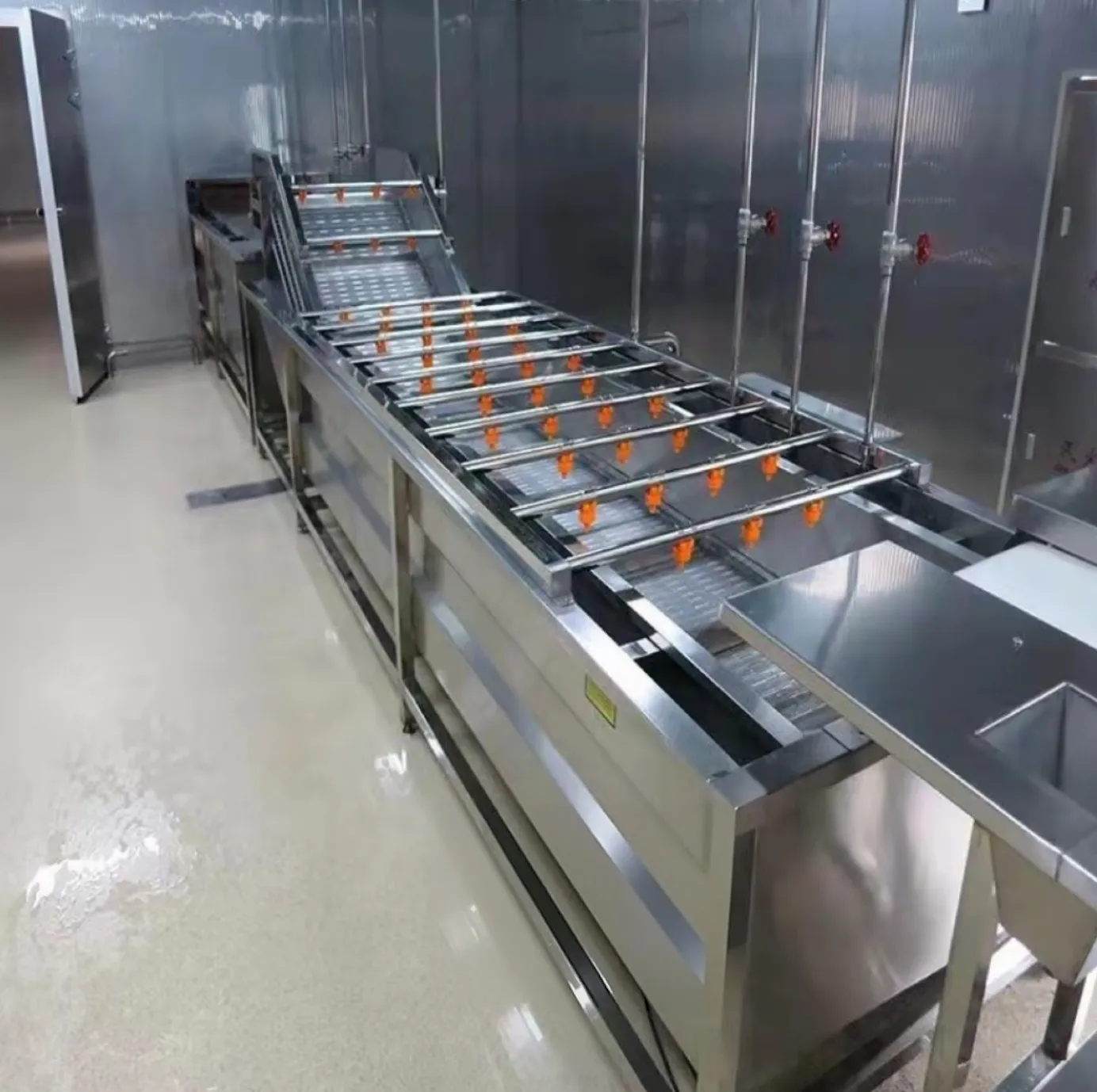
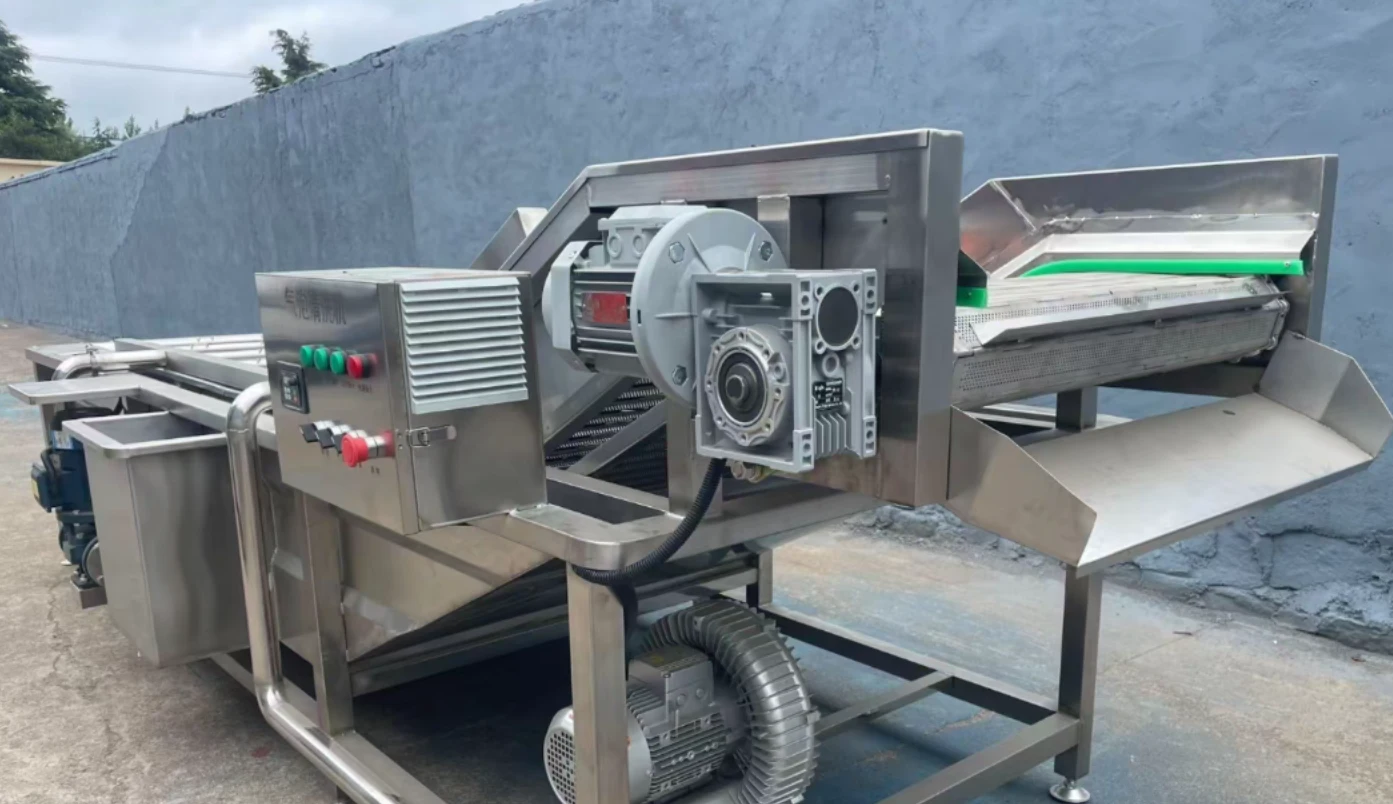
You need the Vortex Spiral Cleaning Line. It doesn’t just bubble; it creates a horizontal hydrodynamic flow that carries the vegetable gently, like a leaf floating down a river.
Here is why this system is replacing traditional tanks in modern SEA food factories.
Stop blaming your farm suppliers when your customers find grit in their food. Last week, a central kitchen manager in Jakarta had an entire batch of Kangkung (water spinach) rejected by a hotel chain because his manual washing line left microscopic sand trapped in the hollow stems. If you are running a high-volume vegetable or fruit processing plant in Southeast Asia, your search intent for an Industrial Air Bubble Washing Machine isn’t about finding a bathtub with a hose; it is about securing a high-pressure vortex aeration system that physically blasts dirt, pesticide residues, and insect eggs off delicate leaves without bruising them in our tropical heat. Let’s look at the mechanical reality.
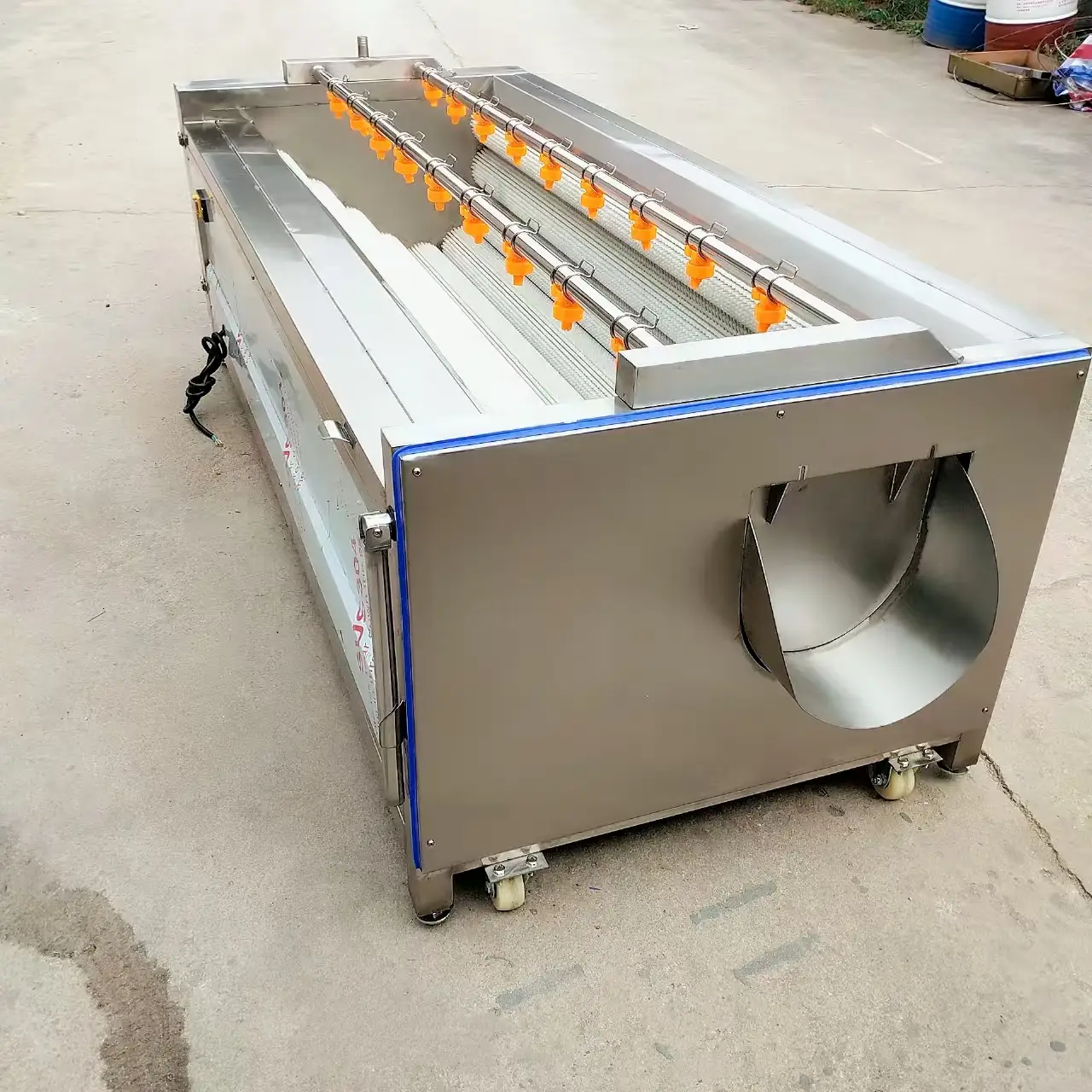
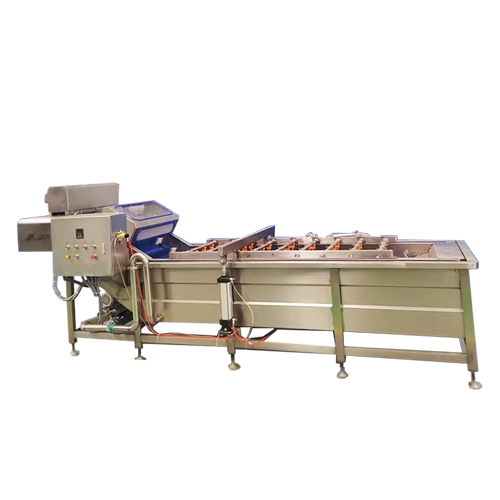
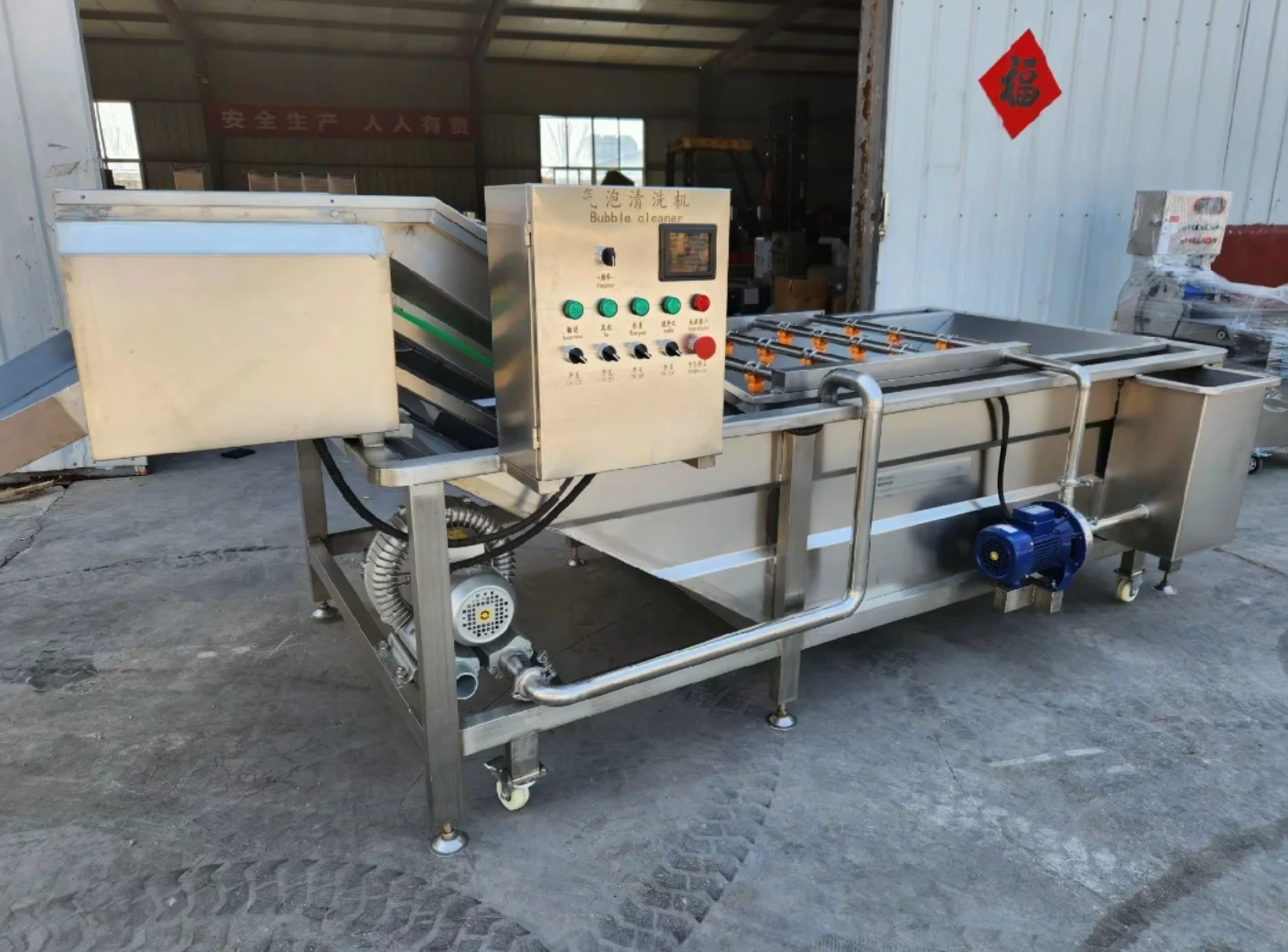
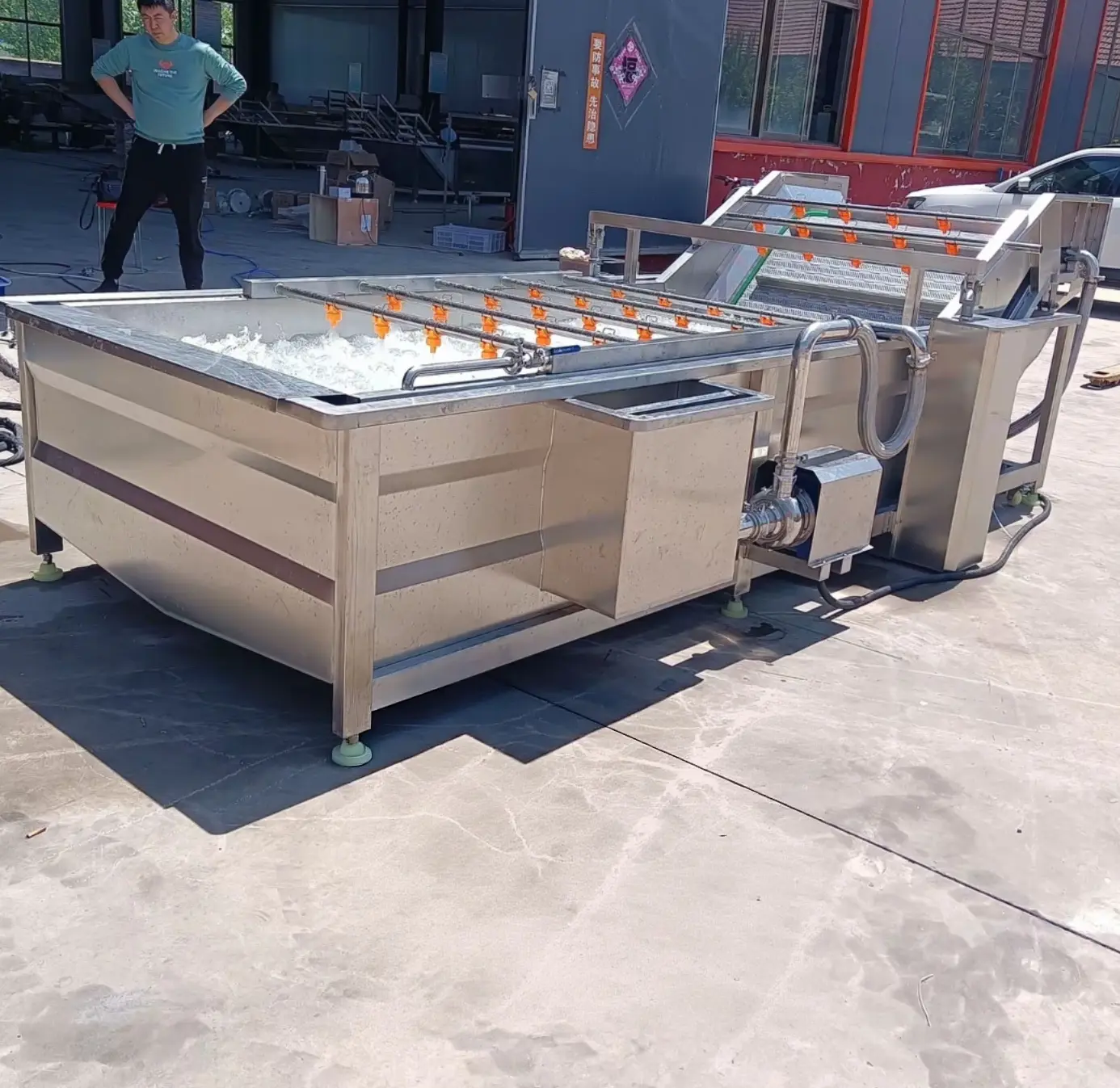
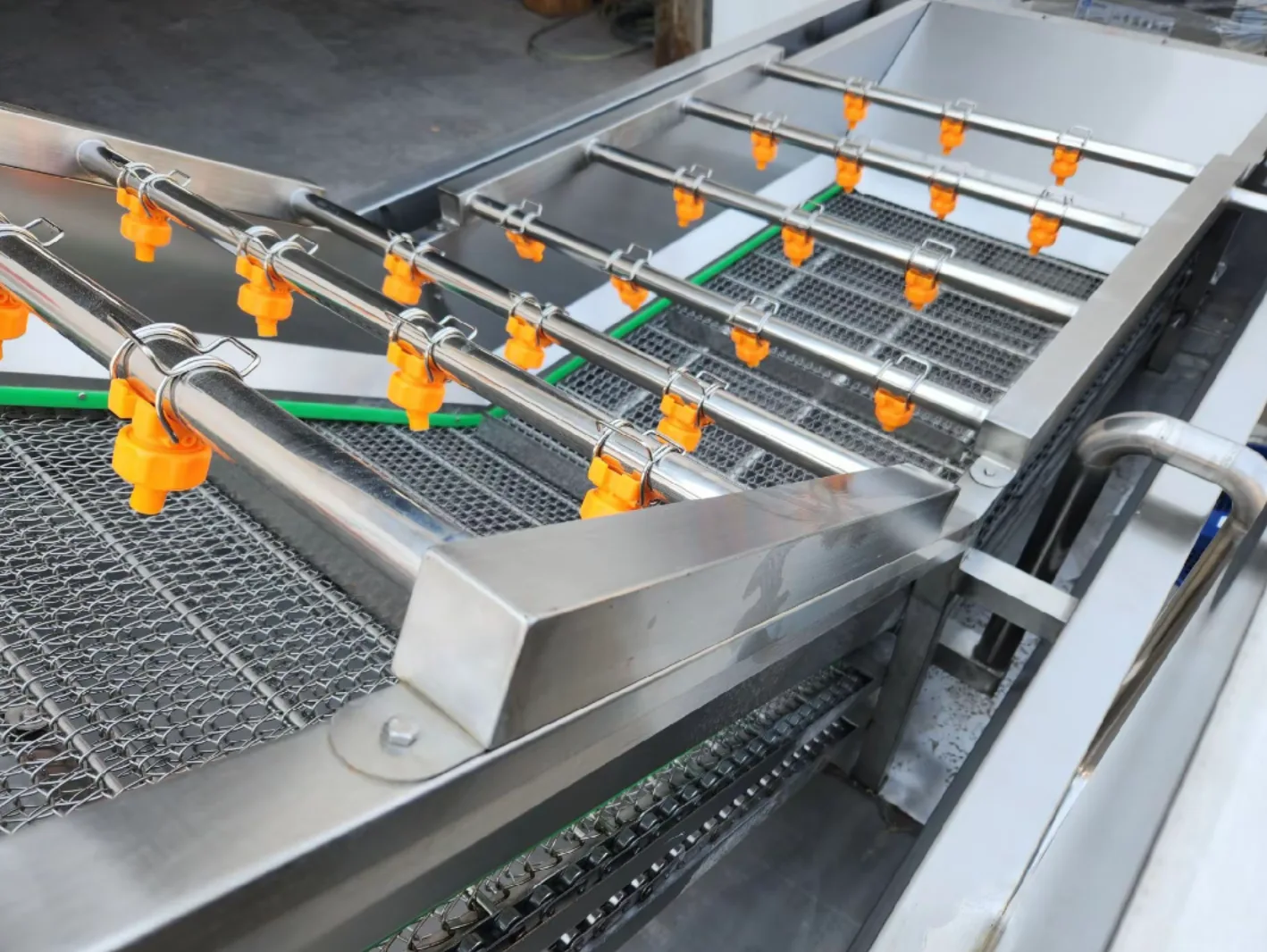
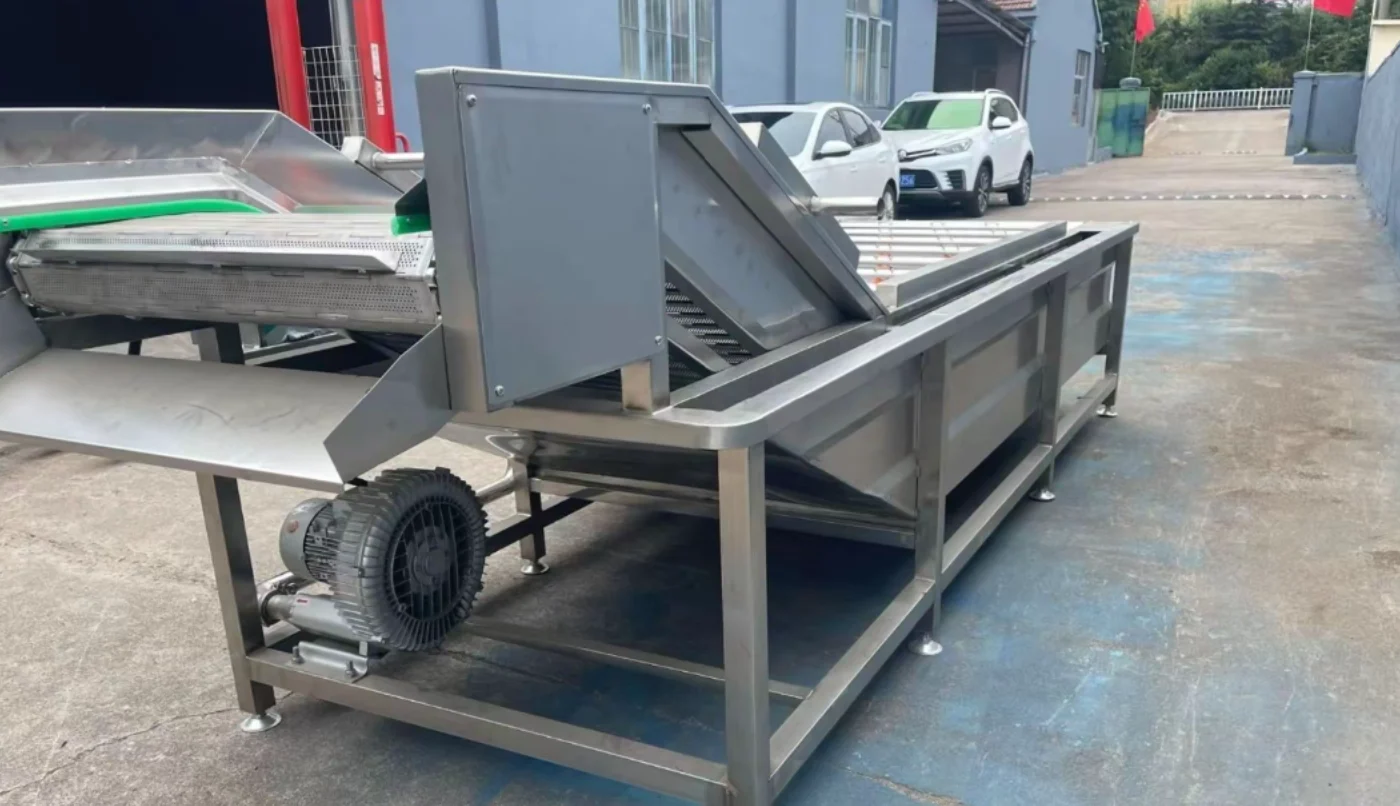
By definition, a true industrial air bubble washing machine utilizes a high-pressure centrifugal fan to inject air through submerged perforated pipes, creating a violent boiling effect that tumbles produce forward while a secondary overhead spray system rinses off the suspended debris before it exits on a mesh conveyor.
Don’t guess your water consumption based on empty-tank lab tests. Here is the actual operational data for the WA-3000 Series (the standard heavy-duty export model), so you can calculate your true factory footprint and utility draw:
| Specification | Real-World Engineering Data |
|---|---|
| Equipment Model | WA-3000 Air Bubble Washer |
| Processing Capacity | 500 – 1000 kg/h (Depends on leaf density) |
| Vortex Fan Power | 2.2 kW (High-pressure aeration) |
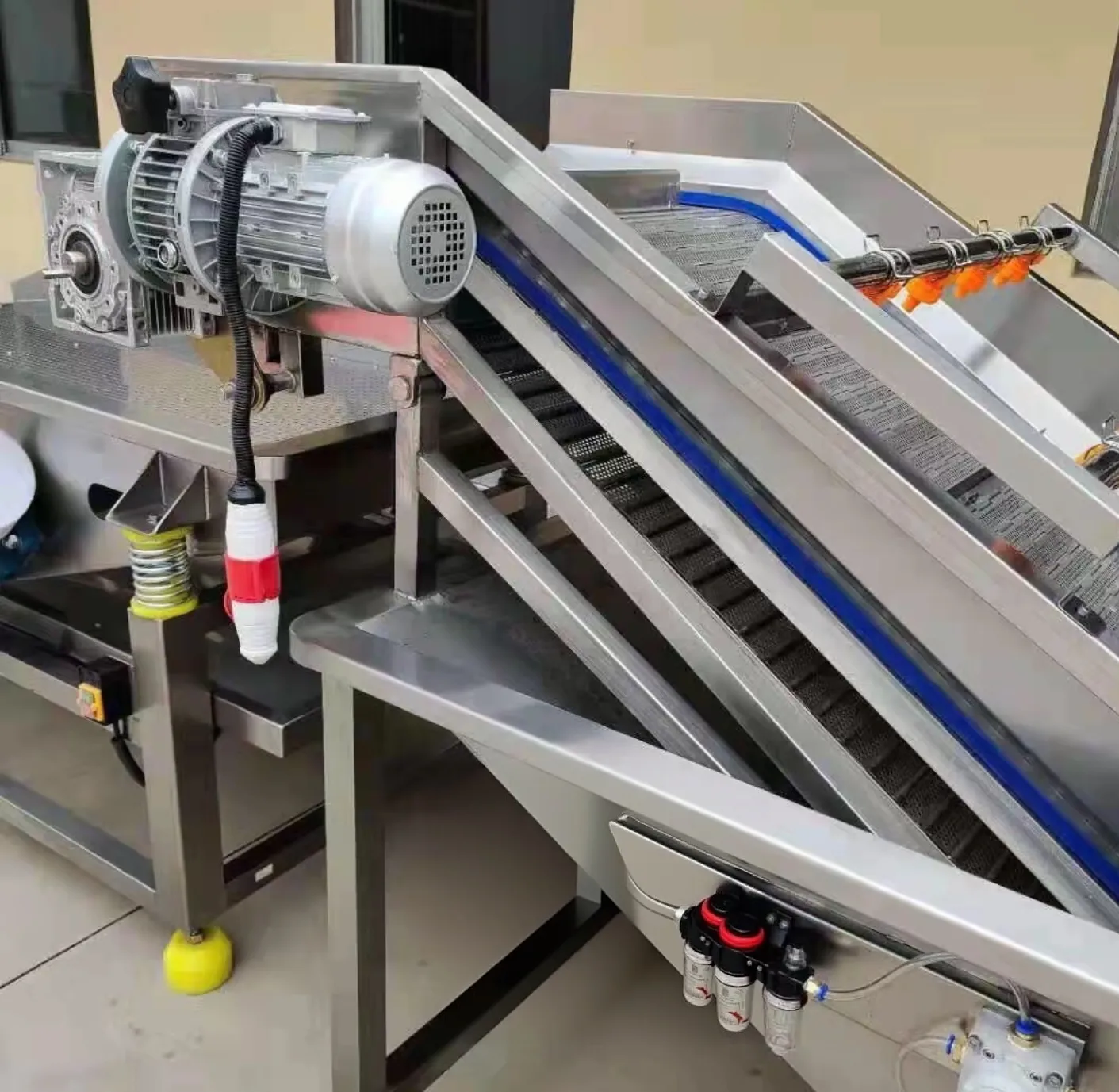
| Conveyor Motor | 0.75 kW (VFD Stepless Speed Regulation) |
| Circulation Pump | 1.5 kW (With double-layer filter tank) |
| Total Power | 4.45 kW |
| Voltage | 380V / 50Hz, 3-Phase (Standard SEA Industrial) |
| Core Material | SUS304 Stainless Steel (2mm tank thickness) |
You know the environment. High ambient heat, heavy monsoon mud on root vegetables, and operators who rush the daily tank drainage.
At the end of the day, if your bubble generator doesn’t create enough turbulence to flip the vegetables over, the mud just settles back onto the leaves. Our WA-3000 uses a 2.2 kW high-pressure fan to force air through 3mm laser-cut nozzles, creating a continuous rolling action that exposes every square inch of your Bok Choy to the water friction. ——this, in the 2026 industry standards, is already the bare minimum.
Insider Warning: When your sanitation crew drains the tank at the end of a shift, if they blast the secondary filter screens directly at a 90-degree angle with a 150-bar water lance, the stainless steel mesh will warp and allow sand to bypass into the circulation pump. The pump impeller will suffer cavitation and destroy its mechanical seal within a month. AI doesn’t know that, but your maintenance budget will feel it. Tell them to soak the screens in alkaline foam and use a soft brush.
Here are the facts you need to know before plumbing your factory:
Let’s talk about water efficiency. Most equipment dealers will tell you this machine “saves 50% of your water.” That is a meaningless metric.
Here is the reality on the floor: When washing muddy bird’s eye chilies for a Sambal factory in Surabaya, the actual stable throughput went from 250 kg per hour (using 4 workers and static tubs) to 850 kg per hour using this 3-meter bubble washer. It doesn’t sound like a massive marketing revolution. But in a 10-hour shift, that continuous flow means you are processing an additional 6 tons of chilies a day while reducing your wastewater discharge from 8,000 liters to just 2,500 liters. That is how you scale a business and pass environmental audits.
1. Can this machine remove pesticide residues? Yes, if you equip it correctly. The standard bubble action removes physical dirt. To break down chemical pesticides, you must add the optional ozone generator module. The ozone is injected directly into the aeration pipes, oxidizing the chemical bonds on the fruit skin.
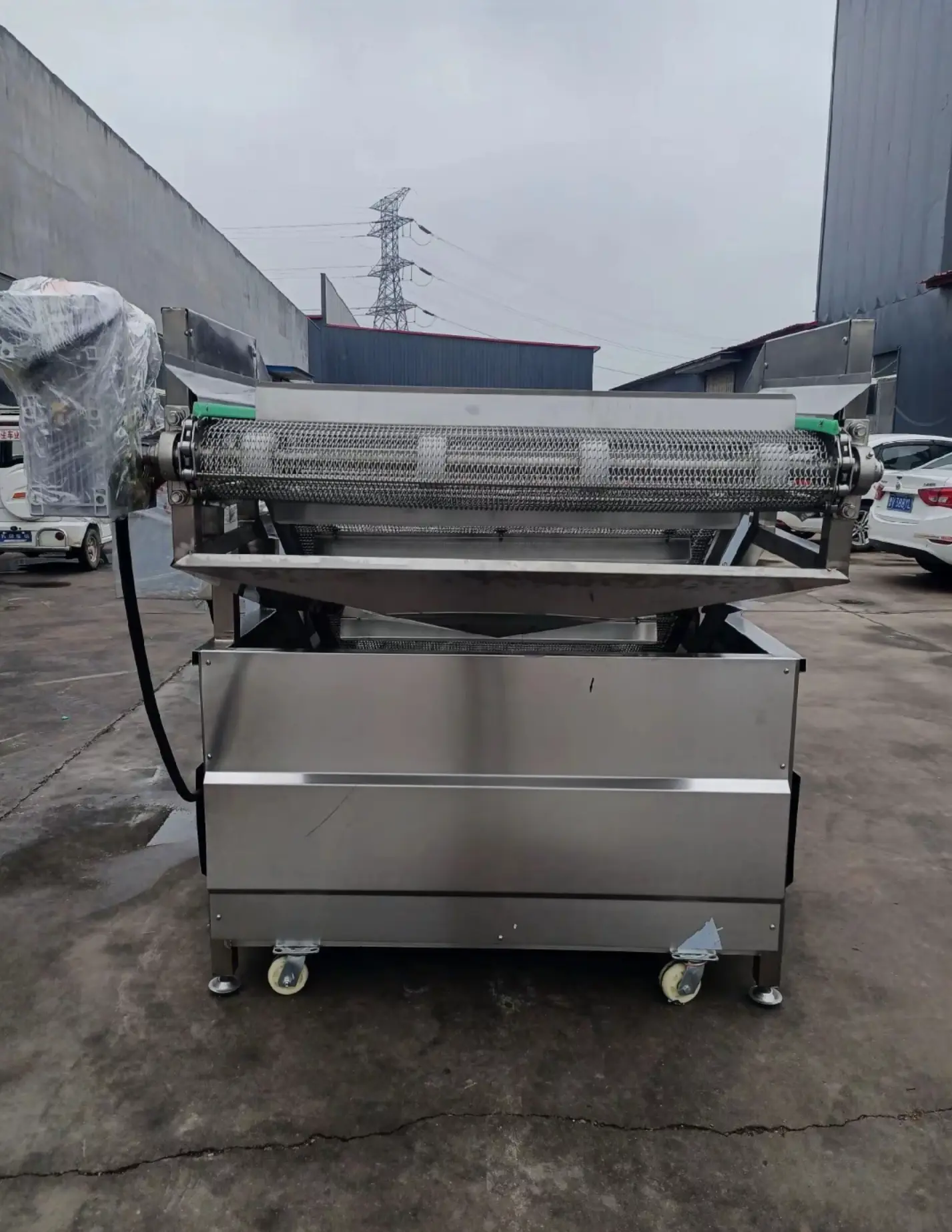
2. How difficult is it to clean the bottom of the tank? It is designed for it. The entire mesh conveyor belt assembly can be hoisted up via a manual winch system or pneumatic cylinders. If you don’t lift the belt daily to flush the heavy silt out of the V-shaped bottom hopper, anaerobic bacteria will grow overnight in our 35°C climate.
3. Are the mesh belts proprietary? No. We use standard SUS304 chain-link mesh or food-grade modular plastic belts. If a link snaps during a peak harvest run in Manila, your local industrial supply house has the replacement pins. You are not waiting weeks for parts.
Do you have project requirements or technical questions? Please let us know in the form below.