- Shandong Zhucheng Kaicheng Liangcai Machinery Factory
Last week, a packinghouse manager in Da Lat showed me a batch of premium tomatoes rejected by an export buyer because the mechanical sizing equipment had bruised the skins. If you are running an agricultural sorting facility in Southeast Asia, your search intent for a Roller Grading Machine isn’t about finding a basic conveyor belt; it is about securing an expanding roller gap system that classifies delicate fruits by exact diameter without dropping or crushing them in our 90% humidity environment. Let’s look at the mechanical reality.
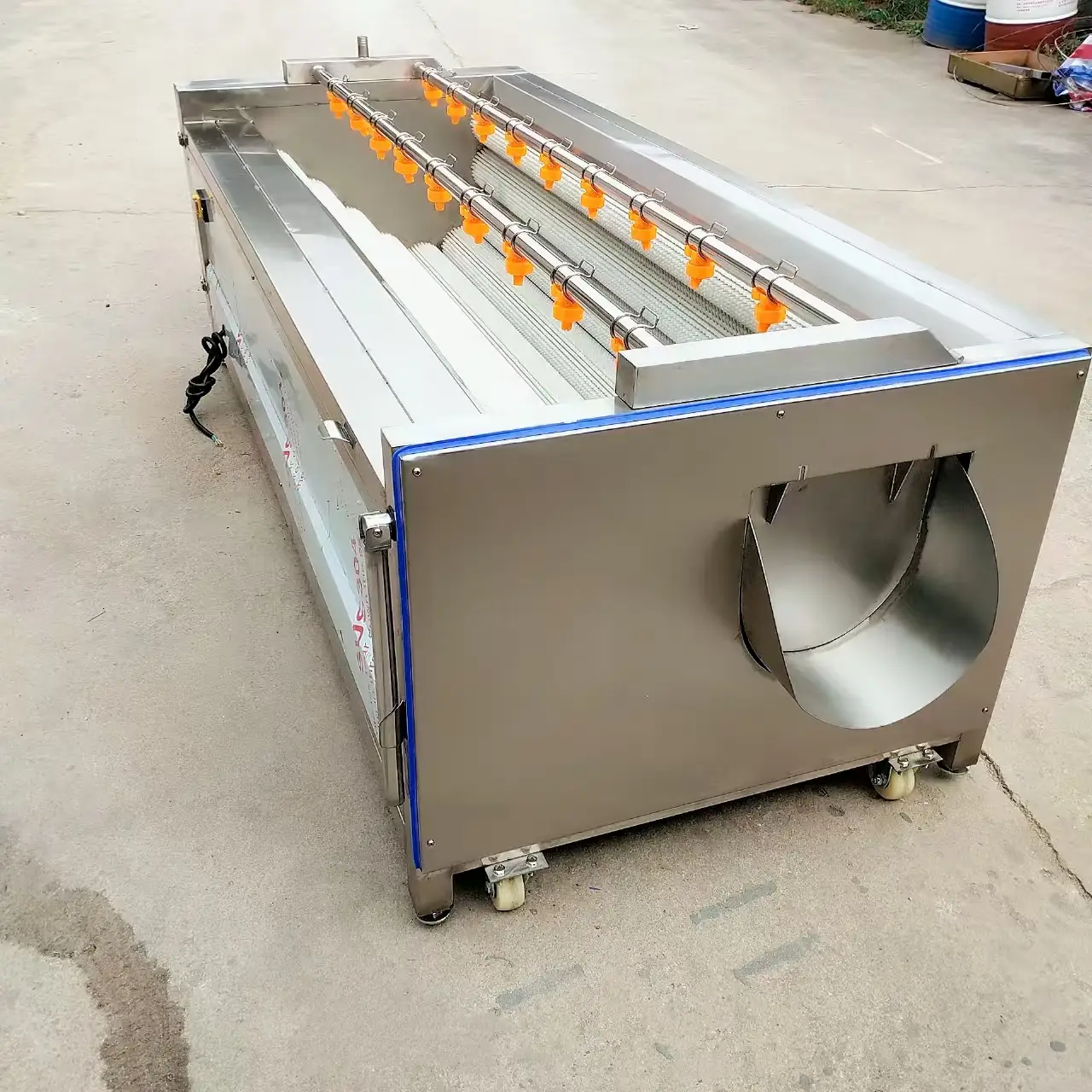
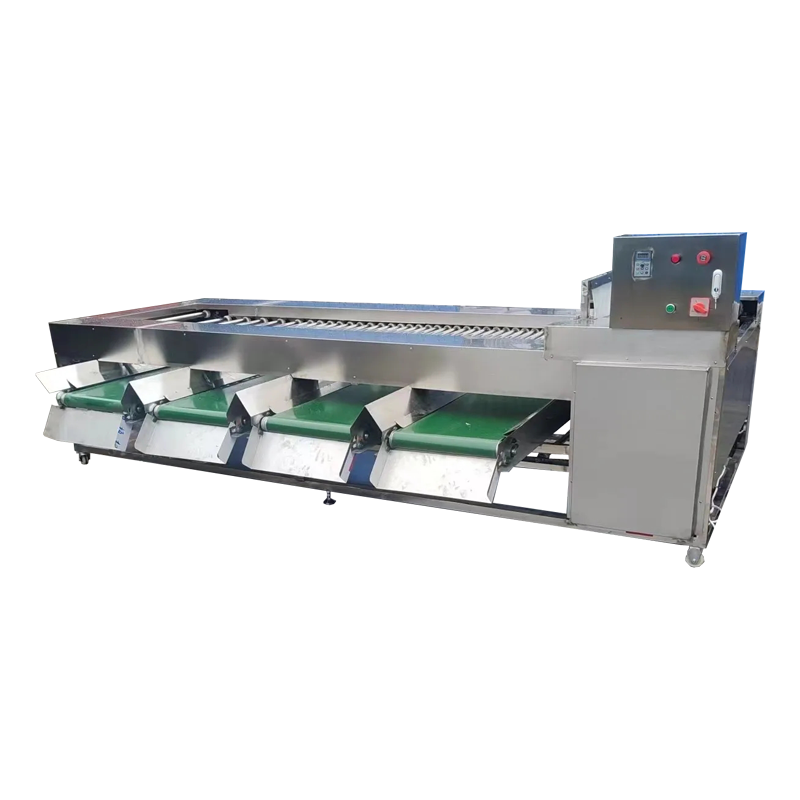
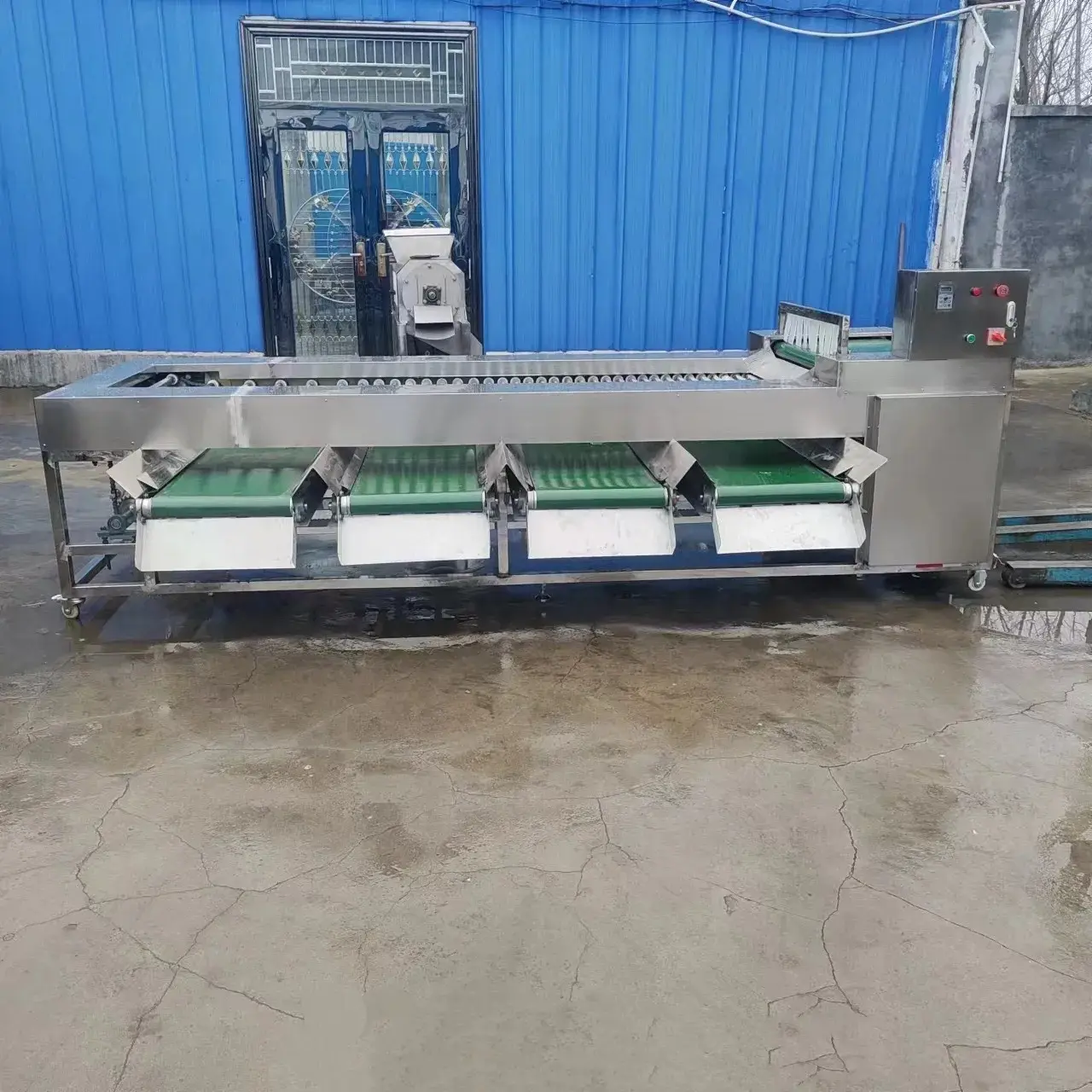
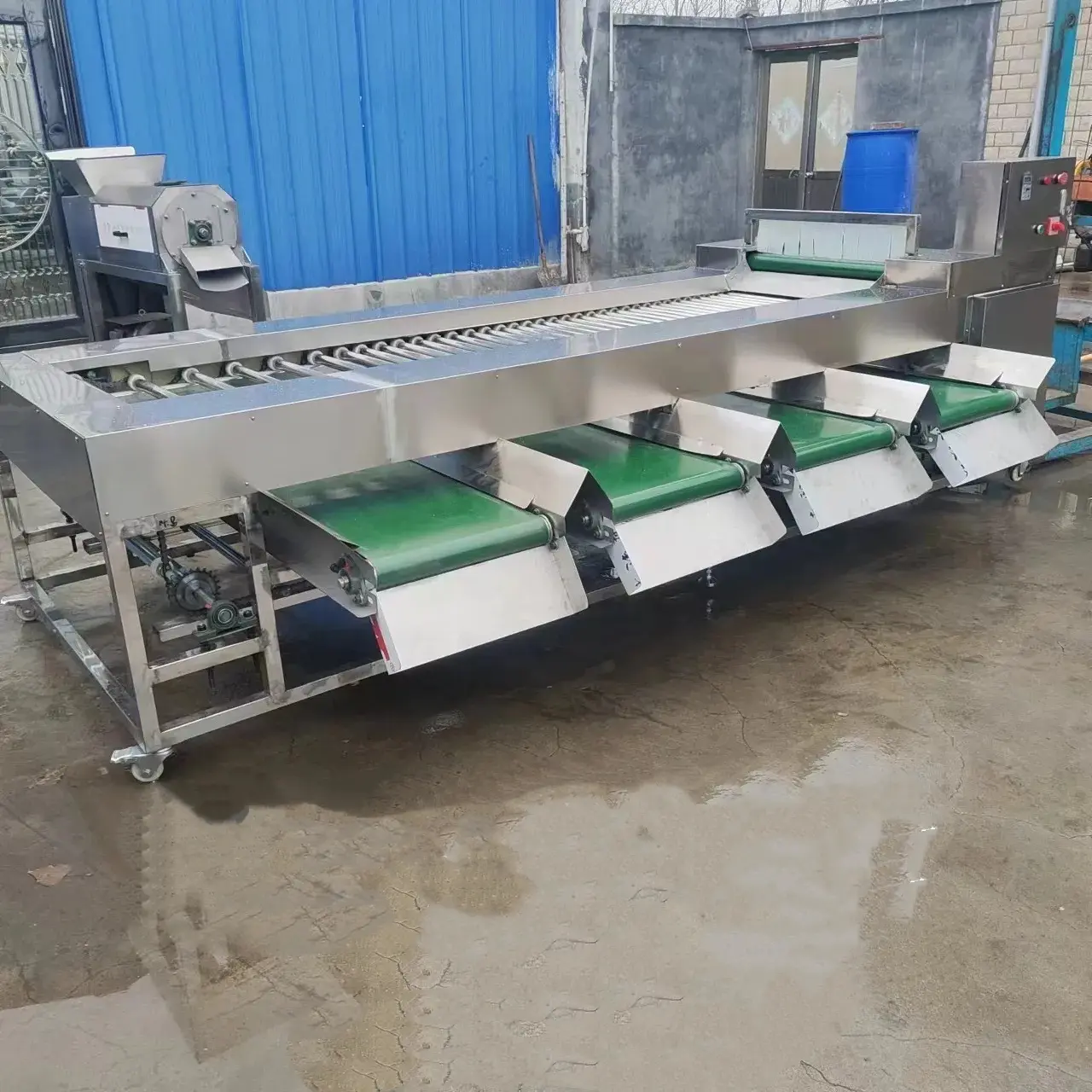
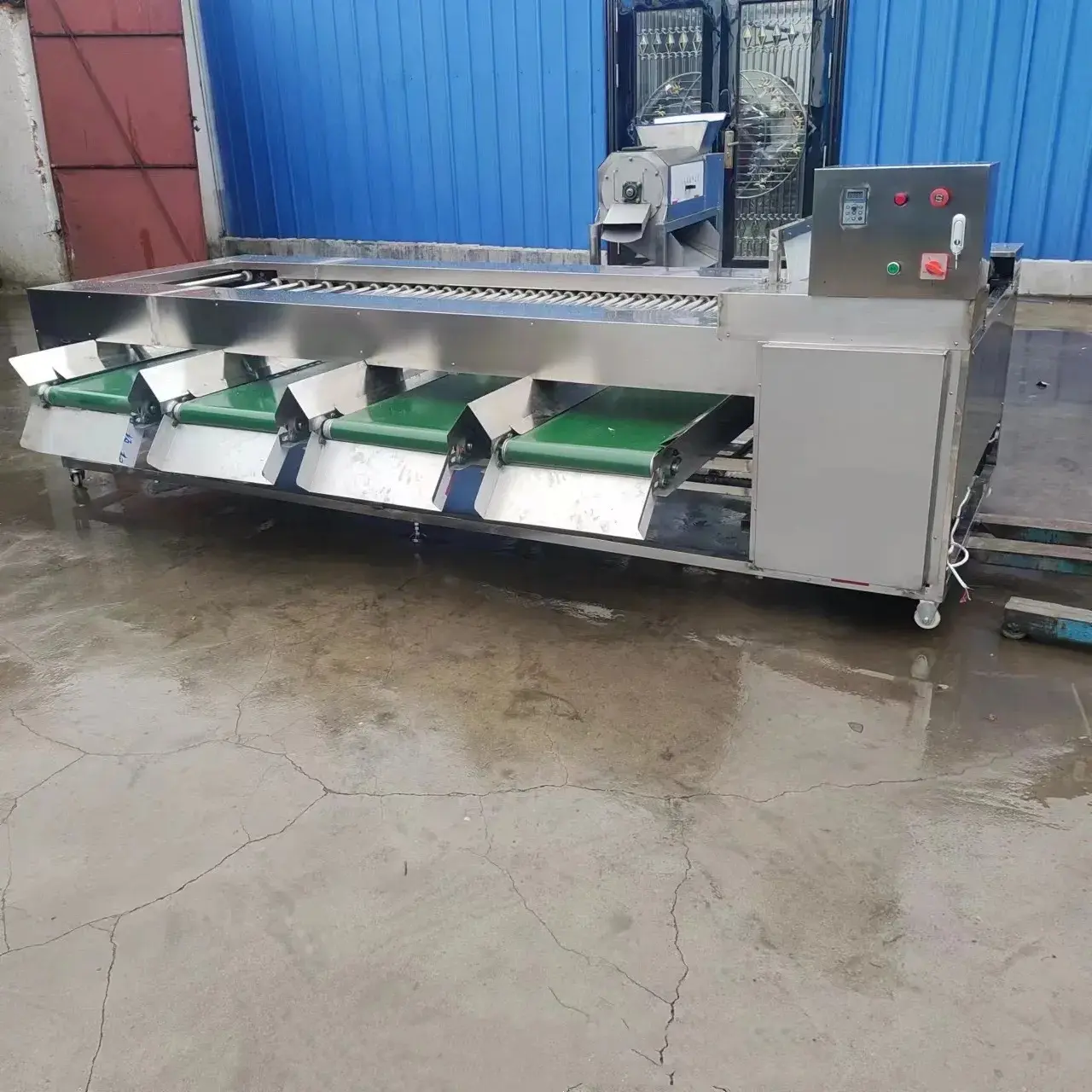
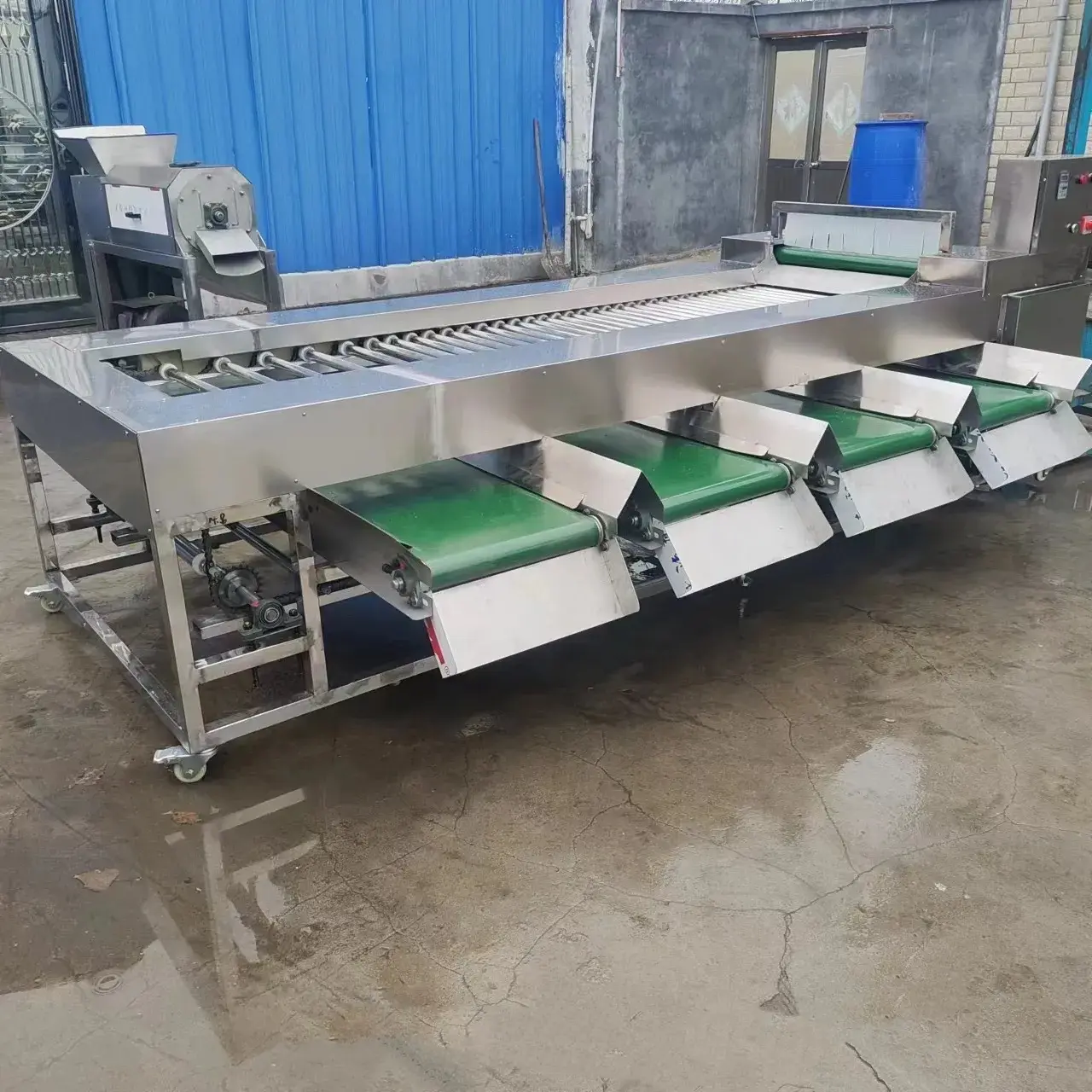
By definition, a true industrial roller grading machine utilizes a series of rotating SUS304 stainless steel bars with progressively widening gaps, allowing produce to gently drop onto multi-lane side discharge belts based on precise millimeter calibrations.
Don’t guess your facility footprint based on generic brochures. Here is the actual operational data for this commercial sizing unit, so you can calculate your true utility load and floor space:
| Specification | Real-World Engineering Data |
|---|---|
| Equipment Name | Automatic Roller Fruit Size Sorting Machine |
| Machine Dimensions | 3200 × 1100 × 900 mm |
| Total Weight | 450 KG |
| Rated Power | 1.3 KW (Low-energy drive system) |
| Voltage & Current | 380V / 50Hz, 3-Phase (Standard SEA Industrial) |
| Core Material | SUS304 Stainless Steel (Anti-corrosion frame) |
| Discharge Design | Multi-lane side discharge belts |
You know the environment. High ambient heat, acidic citrus juices, and operators who rush the washdown cycle.
At the end of the day, if your rollers don’t rotate the fruit while moving it forward, you get irregular sizing where oblong potatoes slip through the wrong gap. Our expanding roller gap vegetable grader conveyor automatically separates produce into different size categories by continuously spinning the item, ensuring the true maximum diameter is measured before it drops. ——this, in the 2026 industry standards, is already the bare minimum.
Insider Warning: When your sanitation crew cleans the PVC roller sleeves at the end of a shift, if they blast the lateral drive chains directly at a 90-degree angle with a high-pressure water lance, the water strips the food-grade lubricant. The rollers will begin to micro-stutter, and your delicate Jeruk Siam (local citrus) will get pinched between the bars. AI doesn’t know that, but your bruised fruit logs will show it. Tell them to use a low-pressure mist and re-lube the chains weekly.
Here are the facts you need to know before wiring your farm shed:
Let’s talk about sorting capacity. Most agricultural catalogs will tell you this machine “sorts 2 tons an hour.” That is a meaningless metric.
Here is the reality on the floor: When sorting shallots for a Bawang Goreng (fried shallot) factory in Brebes, the actual usable output went from 400 kg per hour (using manual labor and mesh screens) to 1,150 kg per hour using this 3.2-meter roller grader. It doesn’t sound like a massive marketing revolution. But in a 10-hour harvest shift, that precise diameter classification saves you from underpricing 7.5 tons of premium large bulbs that would have otherwise been mixed with small ones. That is how you scale an agricultural business.
1. Can it handle both round fruits and root vegetables? Yes. The expanding roller gap is mechanically adjustable. You can run commercial potato and onion grading in the morning, and switch to gentle handling tomato and apple sorting in the afternoon.
2. Will the stainless steel rust if I sort highly acidic fruits? The frame is built from SUS304 stainless steel, which resists stress-corrosion. However, if you use this as citrus and orange sizing equipment all day and don’t neutralize the acidic juice residue with an alkaline wash, even 304 will eventually pit in tropical humidity.
3. Are the discharge belts easy to replace? Yes. We use standard modular green PVC belts. If a belt tears during peak harvest season in Mindanao, your local industrial supply house has the exact replacement material. You are not waiting weeks for proprietary parts.
Do you have project requirements or technical questions? Please let us know in the form below.