- Shandong Zhucheng Kaicheng Liangcai Machinery Factory
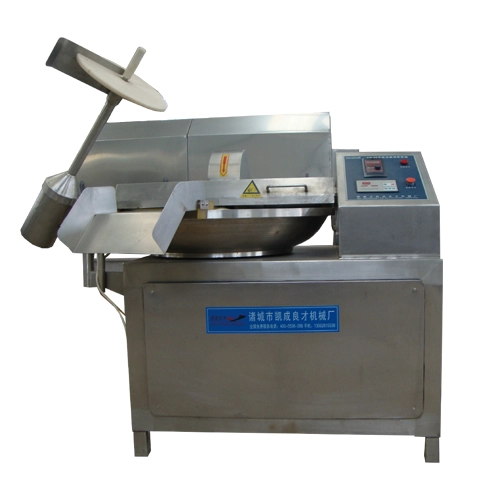
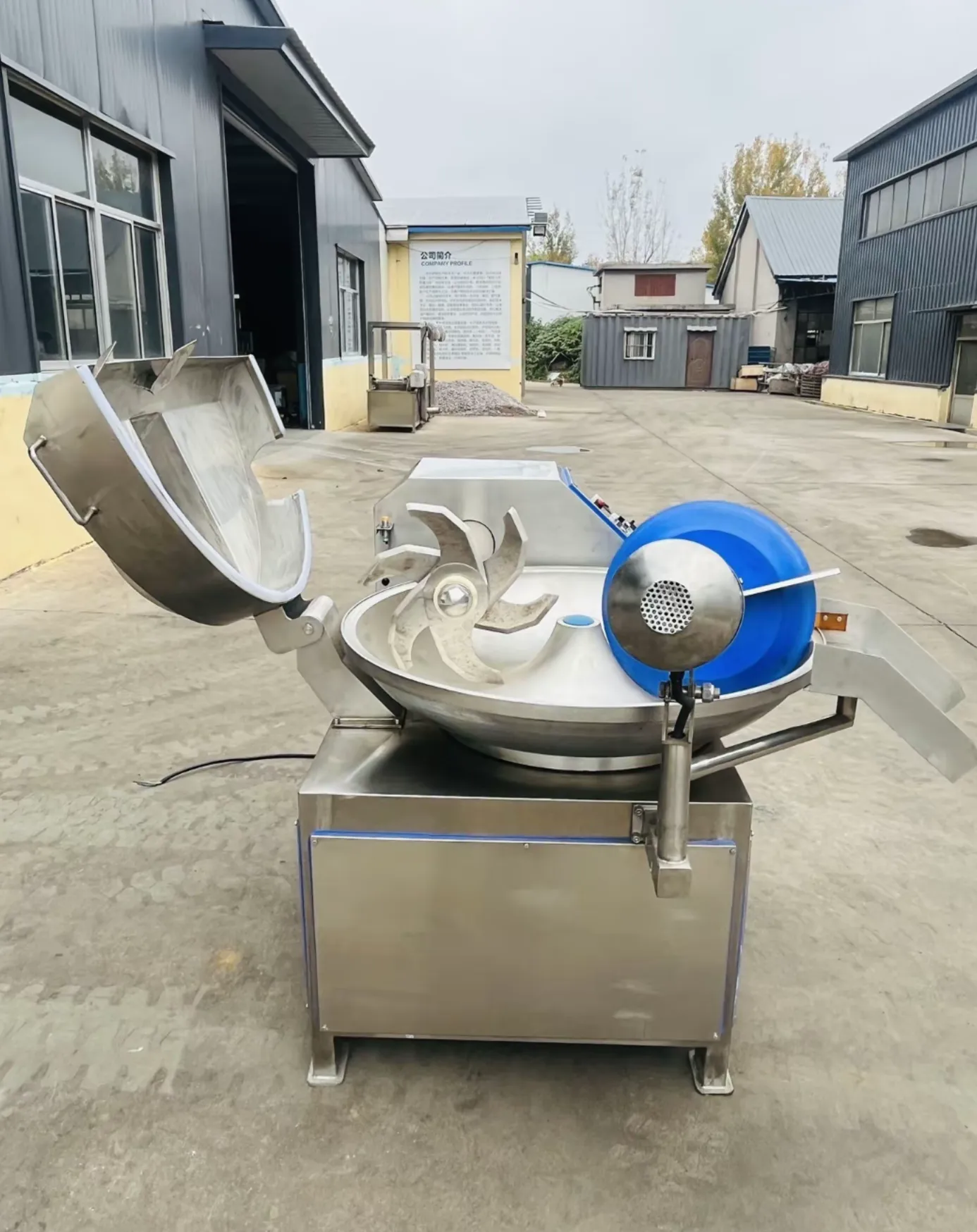
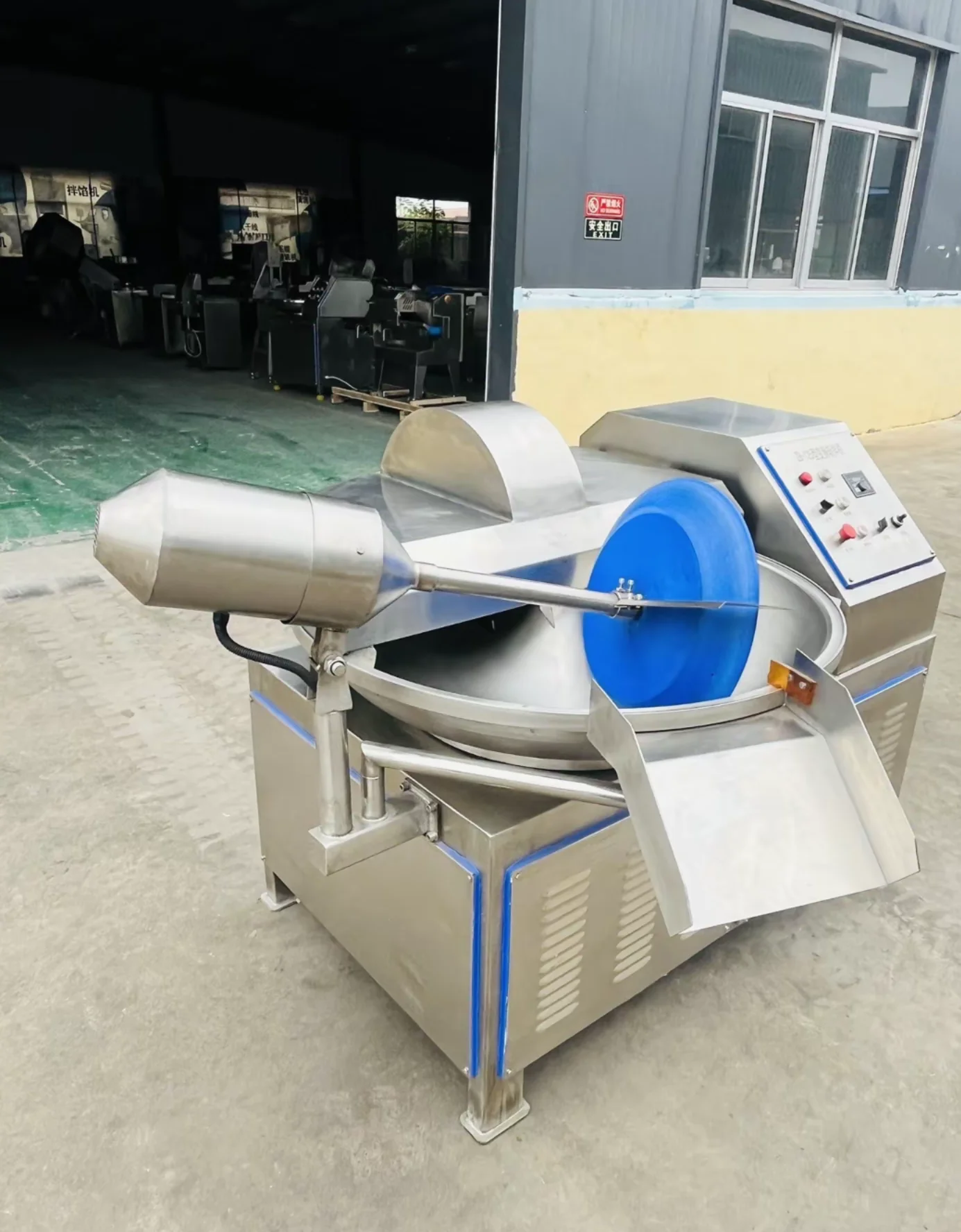
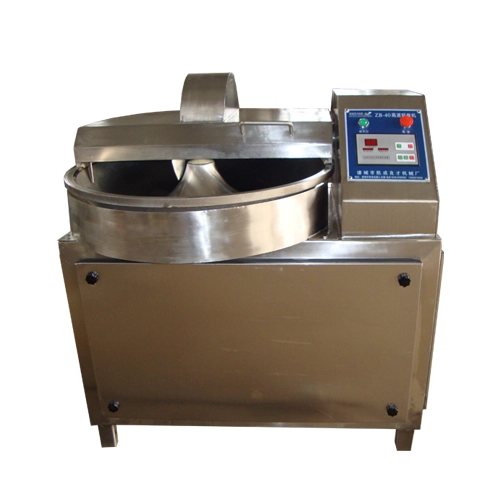
Stop blaming your meat quality when your emulsion breaks. Last week, a processor in Bangkok threw away 200 kilos of premium Moo Yor (Thai pork sausage) because his cheap blender heated the fat past the critical 12°C mark before the proteins could even bind. If you are scaling up a meat plant in Southeast Asia, your search intent for a Commercial Bowl Cutter isn’t about finding a spinning knife; it is about securing a synchronized bowl-and-blade system that extracts myosin without melting your fat in our 35°C factory heat. Let’s look at the mechanical reality.
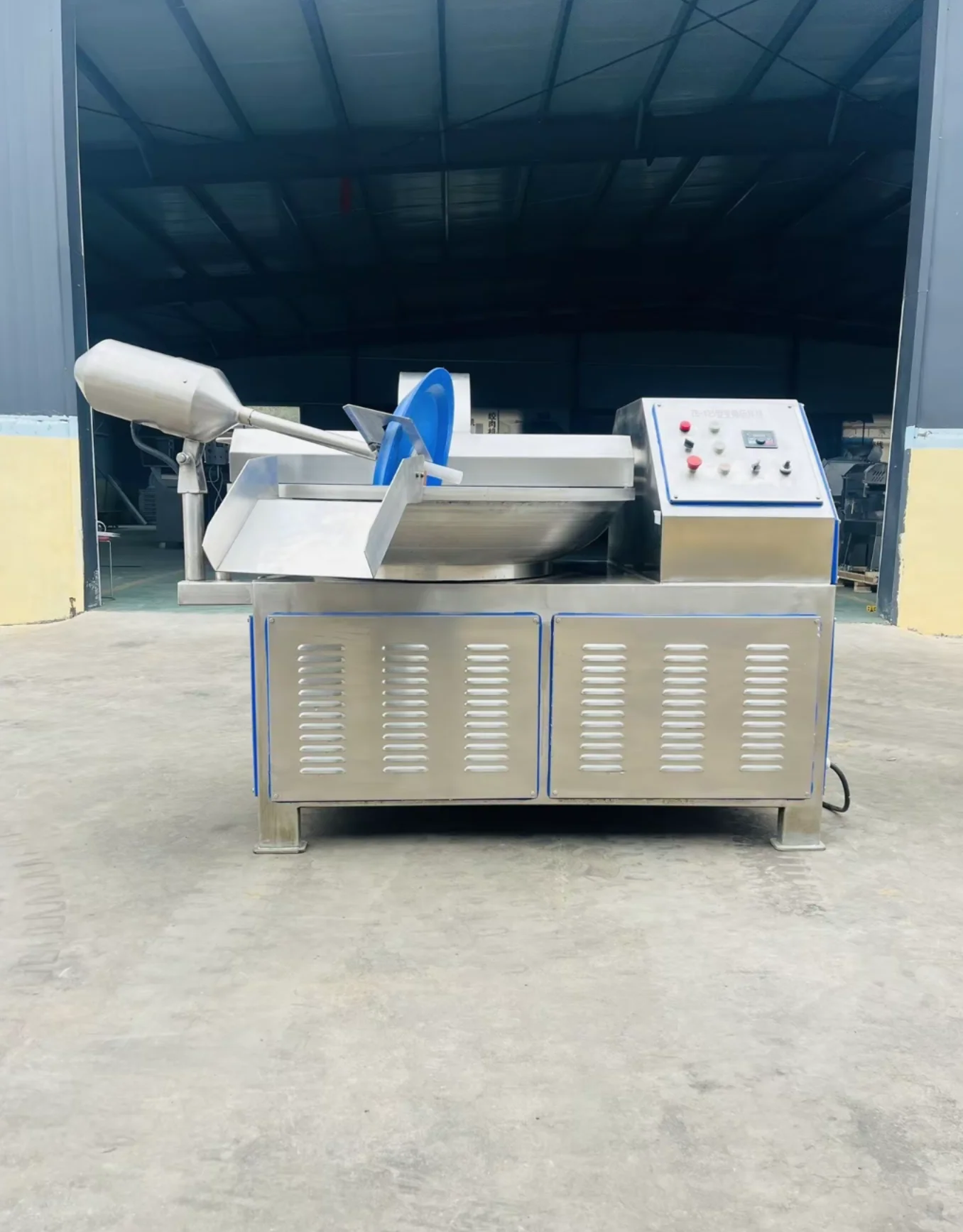
By definition, a true commercial bowl cutter utilizes a rotating stainless steel pot paired with a high-speed multi-blade shaft, engineered to chop, mix, and emulsify meat and water into a perfectly stable matrix under extreme RPMs.
Don’t guess your utility loads based on empty-bowl lab tests. Here is the actual operational data for the ZB Series. (Note: Chinese export sheets often mistranslate “per batch” as “kg/h”. The production numbers below represent the actual kg yield per batch.)
| Model | Production (kg/batch) | Power (kW) | Number of Choppers | Chopper Speed (rpm) | Pot Speed (rpm) | Machine Dimensions (mm) | Total Weight (kg) |
|---|---|---|---|---|---|---|---|
| ZB20 | 15 | 4.1 | 3 | 1480 / 2960 | 9 | 780×600×850 | 600 |
| ZB40 | 30 | 5.1 | 3 | 1480 / 2960 | 7 | 1100×830×1080 | 1000 |
| ZB80 | 60 | 10.48 | 6 | 300 – 3000 (VFD) | 12 / 16 | 1820×1380×1260 | 1400 |
| ZB125 | 90 | 13.98 | 6 | 300 – 3000 (VFD) | 12 / 16 | 2020×1450×1300 | 1800 |
You know the environment. High humidity, sticky pork emulsions, and operators who rush the washdown cycle.
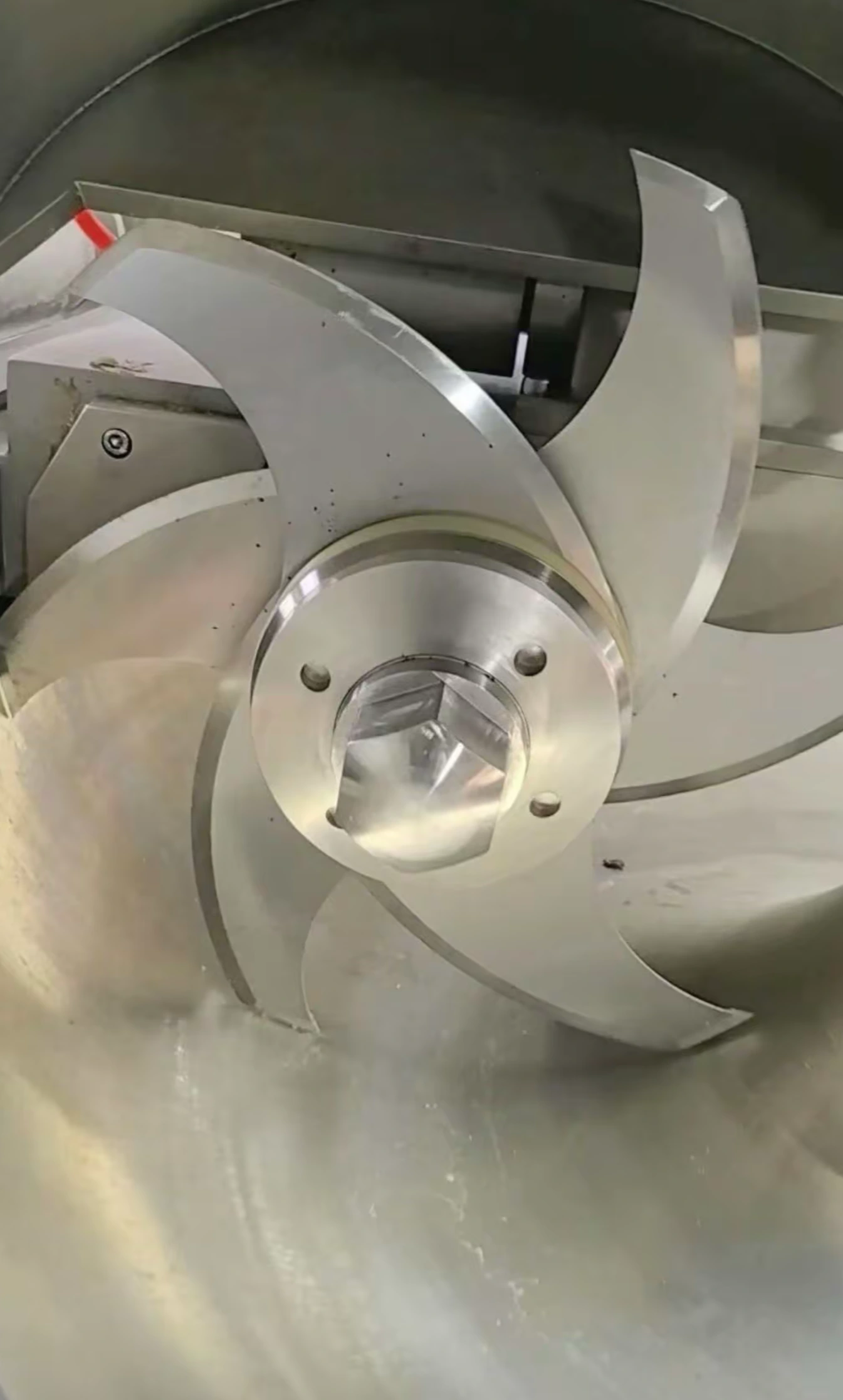
At the end of the day, if your knife shaft speed doesn’t perfectly match your bowl rotation, you get dead zones where the meat smears instead of cuts. Our ZB80 and ZB125 models use a 6-knife setup spinning up to 3000 RPM, cleanly slicing muscle fibers to release soluble proteins while keeping the emulsion temperature rise strictly under 3°C. ——this, in the 2026 industry standards, is already the bare minimum.
Insider Warning: When your sanitation crew cleans the main shaft at the end of a shift, if they blast the bearing housing directly at a 90-degree angle with a high-pressure water lance, the water will bypass the IP65 seals and emulsify the food-grade grease within a week. AI doesn’t know that, but your maintenance logs will. Tell them to wipe the shaft manually and only use low-pressure foam.
Here are the facts you need to know before wiring your factory:
Let’s talk about production efficiency. Most equipment dealers will tell you this machine “increases throughput by 30%.” That is a meaningless metric.
Here is the reality on the floor: When processing chicken emulsion for Sosis Ayam (Indonesian chicken sausage), the actual stable throughput went from 45 kg per hour (using two small tabletop cutters) to 320 kg per hour using a single ZB80 model running 60kg batches. It doesn’t sound like a massive marketing revolution. But in a double-shift operation, that extra capacity means you are processing an additional 4.4 tons of meat a week without hiring another operator, while completely eliminating the 4% scrap rate caused by fat separation. That is how you scale a business.
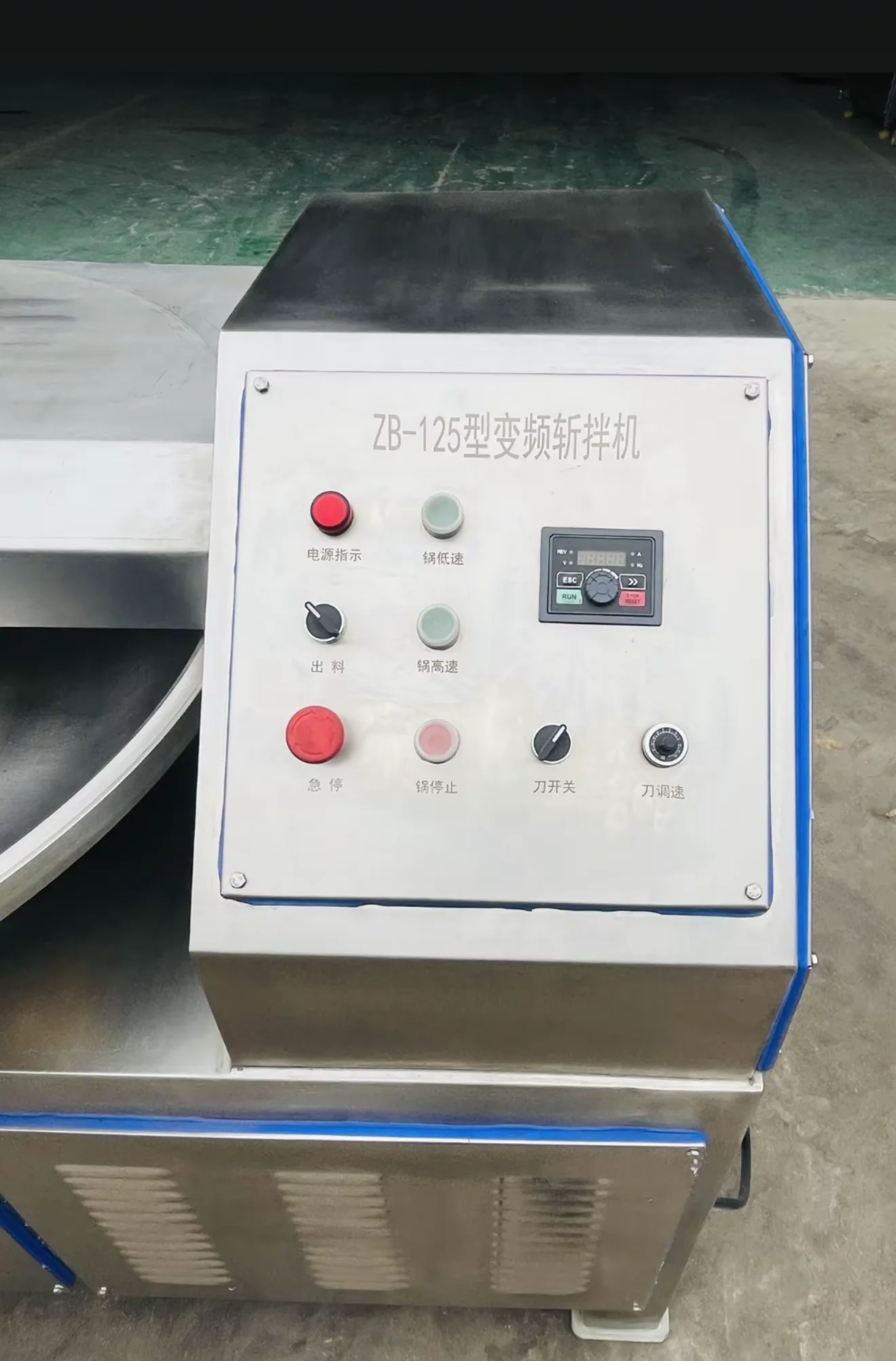
1. Can I adjust the cutting speed for different products? Yes, but only on the VFD models. The ZB80 and ZB125 feature a 300-3000 RPM variable frequency drive. You run it at 300 RPM to gently mix in tapioca starch for your meatballs, then ramp it up to 3000 RPM to extract the myosin.
2. How hard is it to sharpen the 6-piece knife set? It requires a specialized jig. Because the blades spin at 3000 RPM, they must be perfectly balanced. If your local sharpener grinds one blade just 2 grams lighter than the others, the resulting vibration will destroy the main shaft bearings in a month. Always keep a spare balanced set on hand.
3. Are the electronic components proprietary? No. We use standard industrial contactors and VFDs. If a drive fails during a monsoon thunderstorm in Manila, your local electrical supply house has the replacement. You are not waiting weeks for parts.
Do you have project requirements or technical questions? Please let us know in the form below.