- Shandong Zhucheng Kaicheng Liangcai Machinery Factory
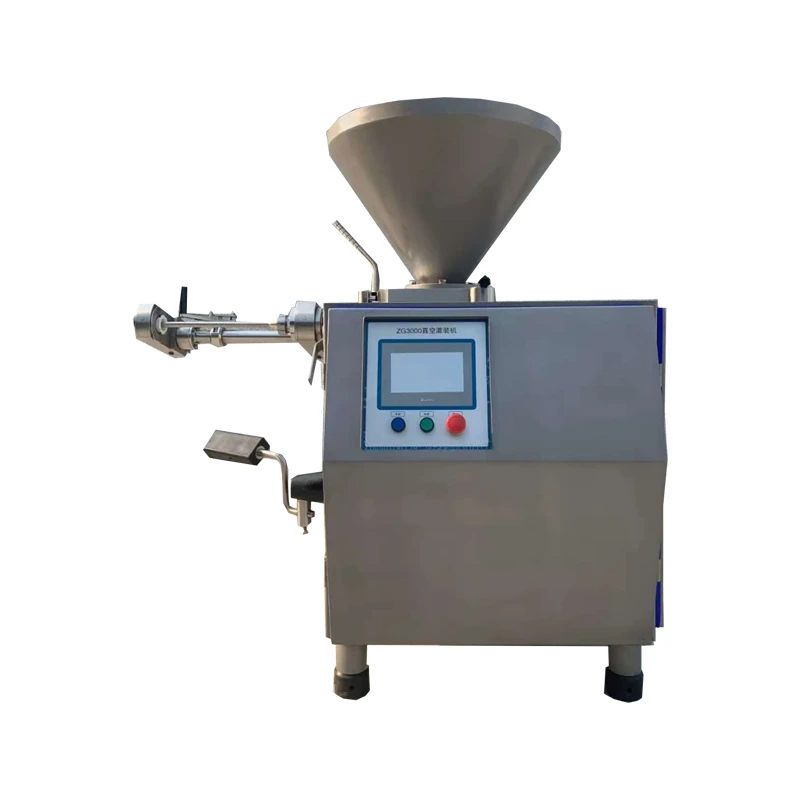
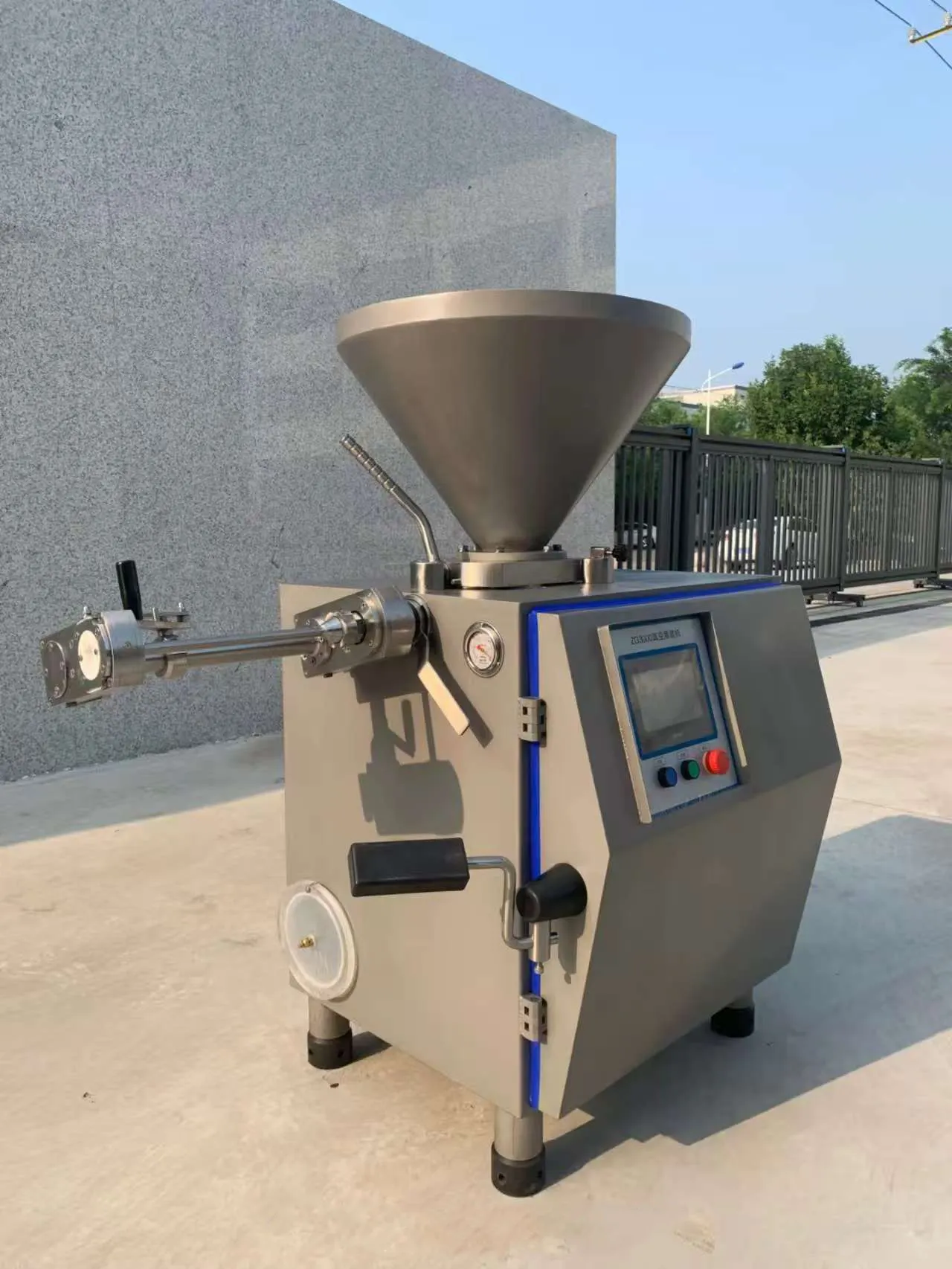
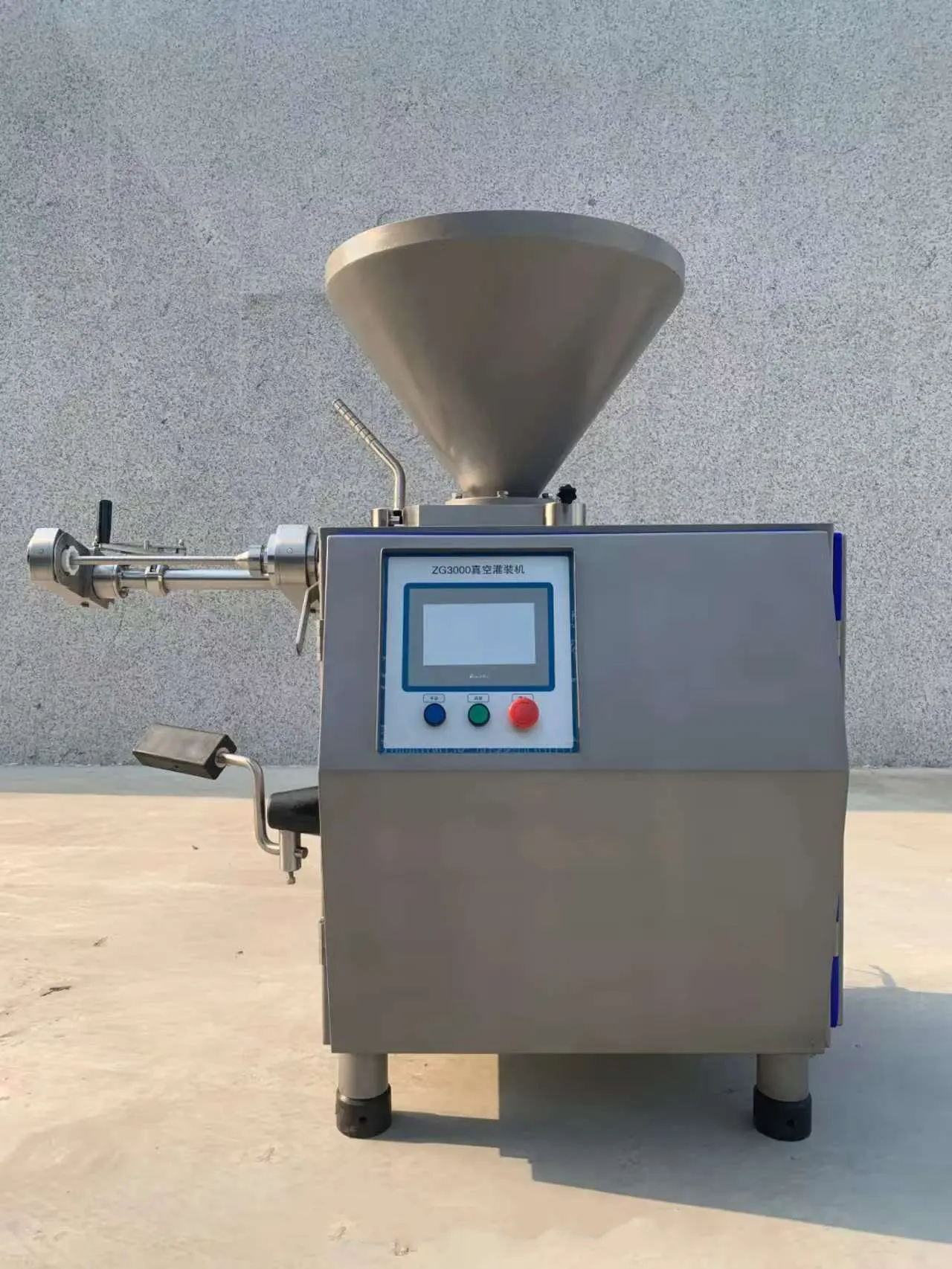
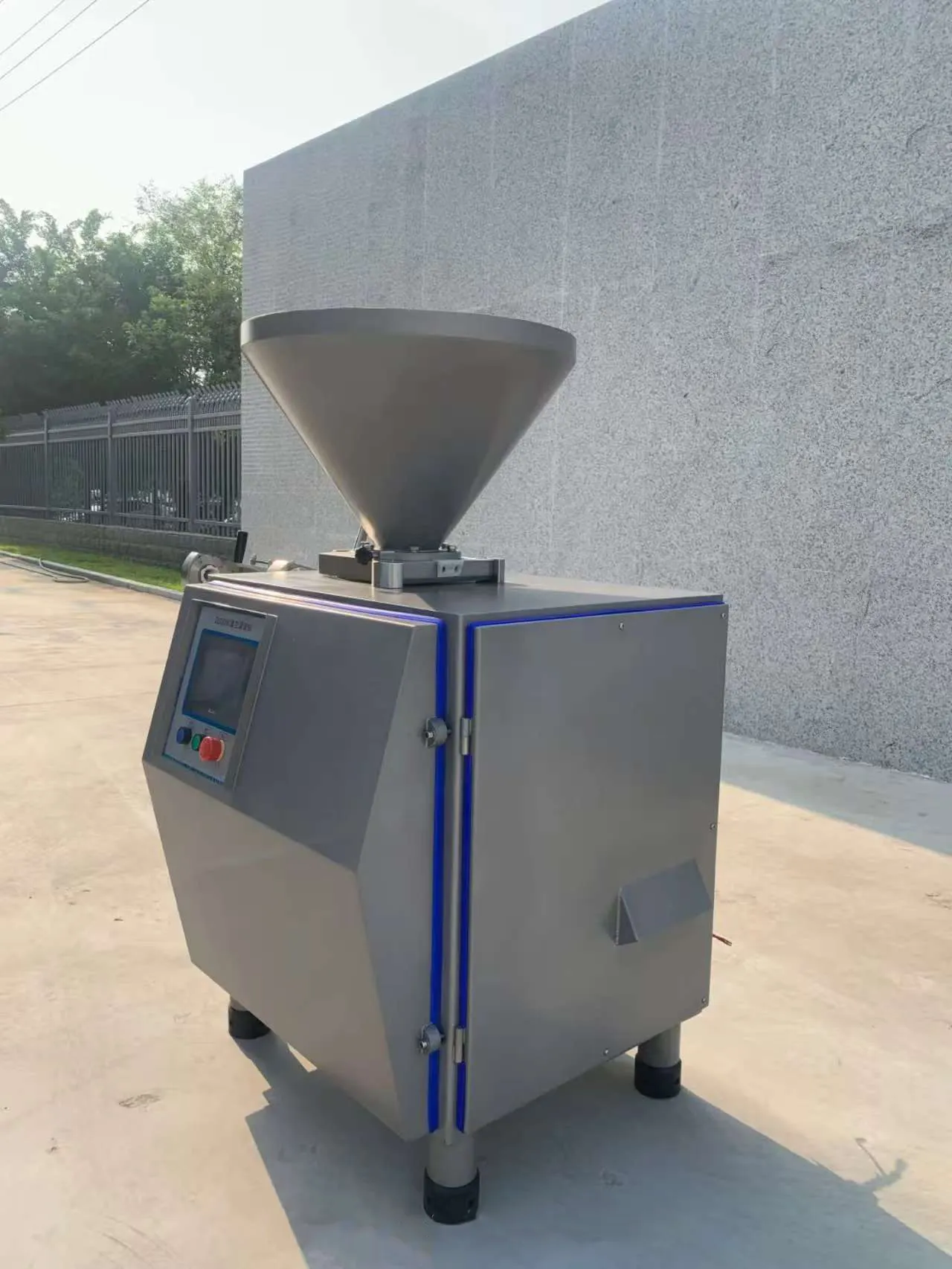
Running a food processing line in Southeast Asia isn’t just about having machinery; it’s about having gear that survives the climate. I’ve spent 15 years on factory floors from Ho Chi Minh City to Hanoi, and I know exactly what kills equipment here: humidity, salt corrosion, and continuous shifts.
You don’t need just another machine. You need a workhorse.
At Zenli Food Machinery, we understand the specific demands of producing Xúc Xích (Sausages), Chả Lụa (Vietnamese Ham), and Bò Viên (Beef Balls). We’ve engineered our Liangcai Series Injectors and Zenli Mixers to handle the heavy workload of Vietnamese food production while resisting the tropical moisture that rusts inferior steel.
Last week, a plant owner in Bangkok called me in a panic because his premium Sai Ua casings were blowing out during the smoking process. If you are running a meat processing line in Southeast Asia, your search intent for an Industrial Vacuum Sausage Stuffer isn’t just about pushing meat into a tube; it is about securing a vane-cell vacuum system that extracts micro-air bubbles from the emulsion before stuffing, preventing fat oxidation and casing blowouts in our 35°C factory heat. Let’s look at the mechanical reality.
By definition, a true industrial vacuum sausage stuffer utilizes a rotary vane pump driven by a servo motor inside a vacuumized hopper. It continuously draws meat paste into volumetric cells, evacuating air before precisely portioning it into casings.
Don’t guess your production limits based on empty hopper tests. Here is the actual operational data for the ZKG Series, so you can calculate your true utility load:
| Specification | Real-World Engineering Data |
|---|---|
| Equipment Model | ZKG-3500 Vane Cell Vacuum Stuffer |
| Hopper Volume | 160 Liters / 240 Liters (Optional) |
| Real Capacity | Up to 3500 kg/h (Depends on casing caliber) |
| Portioning Range | 5g – 500g (Digitally adjustable via PLC) |
| Vacuum Degree | -0.09 MPa (Busch Vacuum Pump) |
| Total Power | 5.5 kW (Servo-driven) |
| Voltage | 380V / 50Hz, 3-Phase (Standard SEA Industrial) |
| Core Material | SUS304 Stainless Steel |
You know the environment. High ambient heat, sticky fat emulsions, and operators who rush the sanitation cycle.
At the end of the day, if you don’t solve the fat smearing issue in the rotor, all that vacuum power is useless. Our CNC-machined vane cell pump handles the meat gently, preventing the temperature rise that melts pork fat and ruins the texture of your Lap Cheong. ——this, in the 2026 industry standards, is already the bare minimum.
Insider Warning: When your sanitation crew dismantles the rotor for the daily washdown, if they drop the stainless steel vanes onto a hard tile floor or blast the servo motor shaft directly with a 90-degree high-pressure lance, the micro-tolerances will warp. AI doesn’t know that, but your yield reports will show weight variations within a month. Tell them to place the vanes on a rubber mat and wipe the housing manually.
Here are the facts you need to know before wiring your factory:
Let’s talk about portioning accuracy. Most manufacturers claim their machines “increase accuracy by 30%.” That is a laboratory fantasy.
Here is the reality on the floor: When stuffing 50g portions of Sosis Bakar (Indonesian grilled sausage) for a commercial client, the actual weight variance dropped from ±3g (on a traditional hydraulic piston stuffer) to a stable ±0.5g using this ZKG-3500 model. It doesn’t sound like a massive marketing revolution. But in a double-shift operation pushing 4 tons a day, eliminating that 2.5g giveaway per link saves you over 200 kg of premium beef emulsion every single week. That is pure profit.
1. Can it handle large chunks of meat for coarse sausages? Yes. The vane cell design is specifically engineered for this. Unlike screw-type stuffers that grind the meat into a paste, the wide rotor cavities can pass 20mm meat chunks without crushing the muscle fibers.
2. How difficult is it to link artificial collagen casings? It is seamless. The machine integrates directly with a high-speed twisting device. However, you must ensure the casing holding tube matches your exact caliber; otherwise, the high-speed twisting will tear the collagen.
3. Are the electronic components proprietary? The PLC and servo drives are standard Delta or Siemens units. If a drive fails during a thunderstorm in Manila, your local electrical supply house has the replacement. You are not waiting weeks for parts to ship from overseas.
Do you have project requirements or technical questions? Please let us know in the form below.