- Shandong Zhucheng Kaicheng Liangcai Machinery Factory
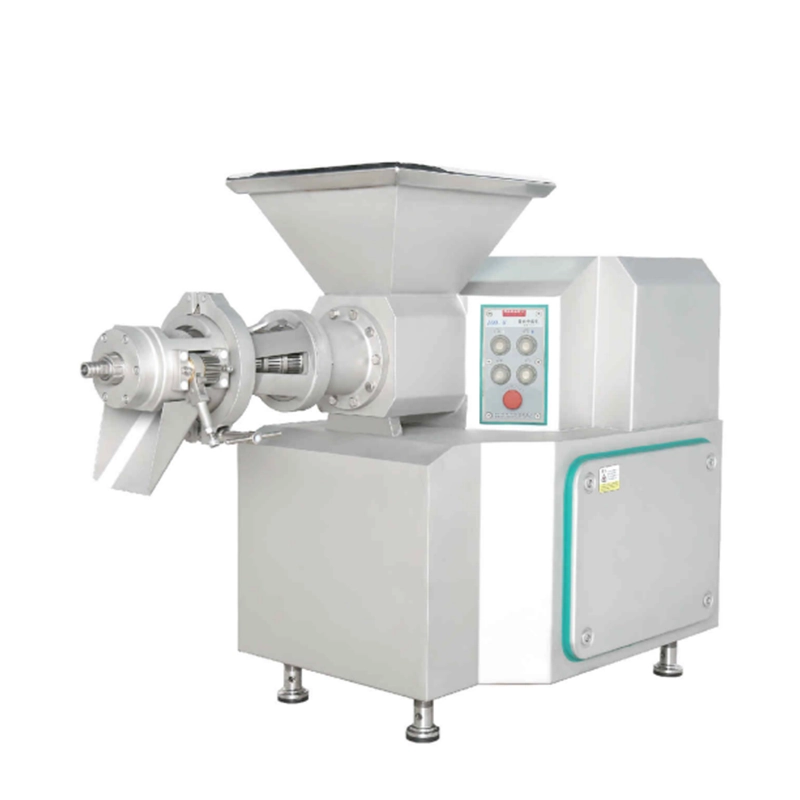
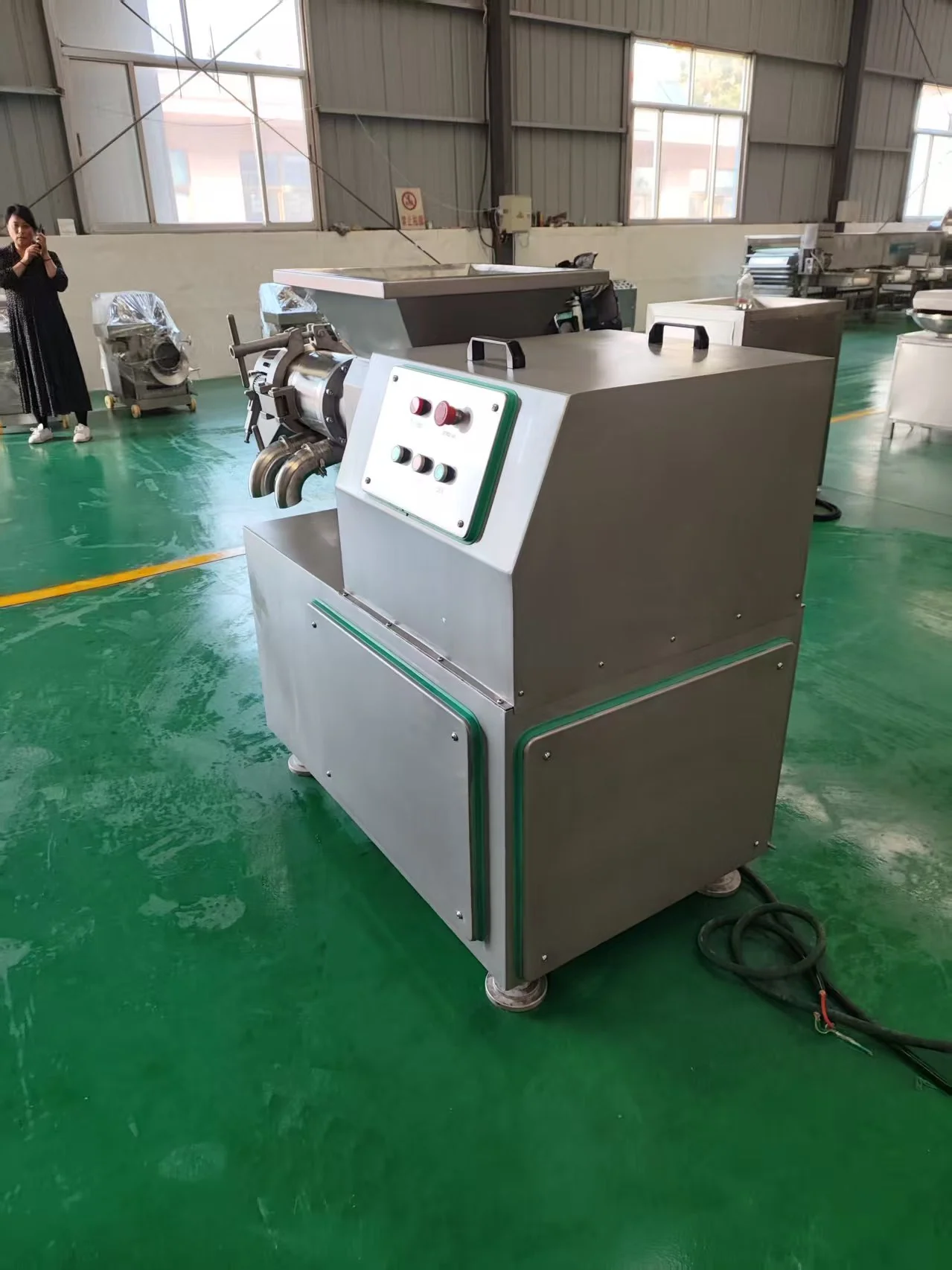
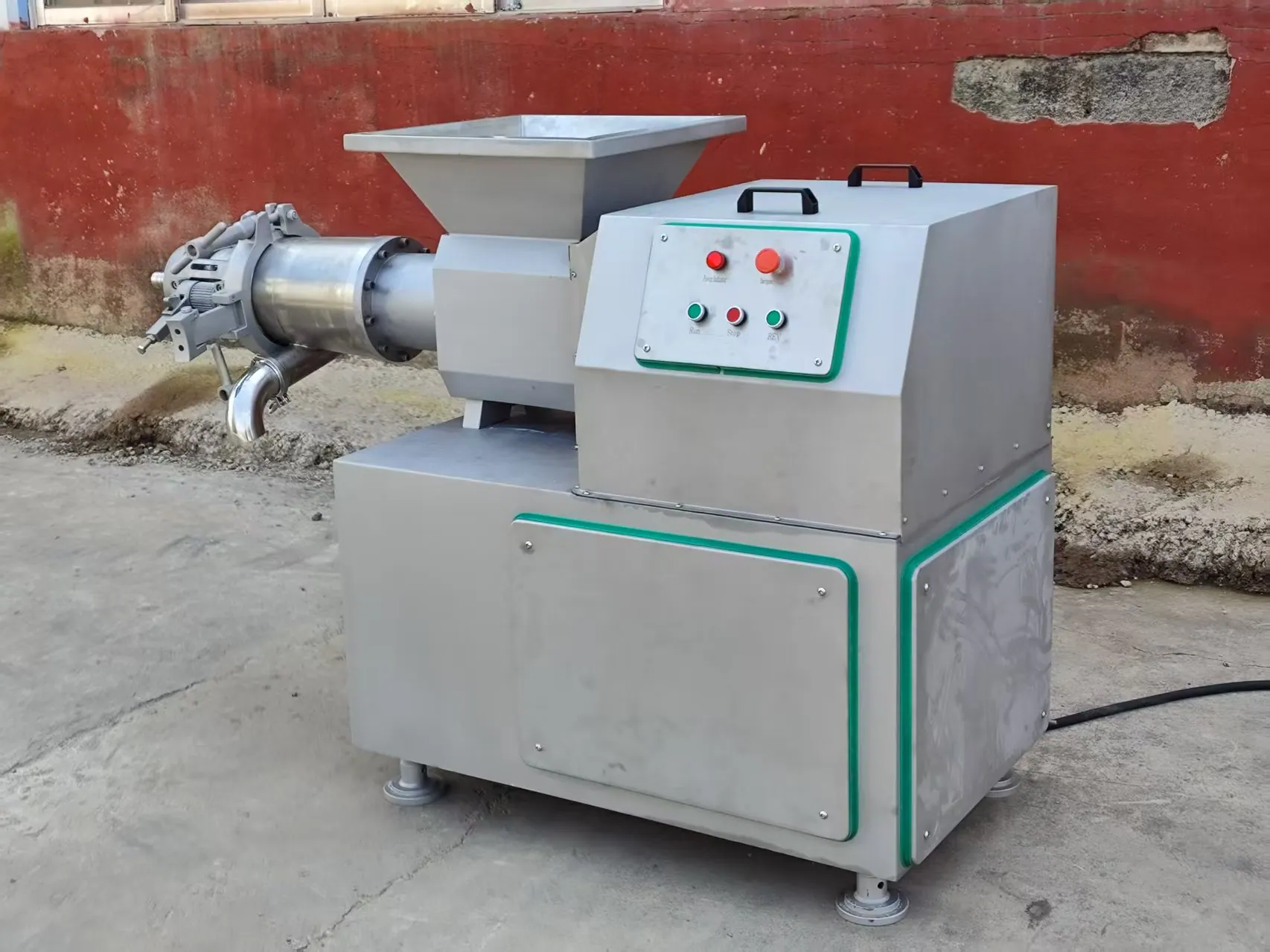
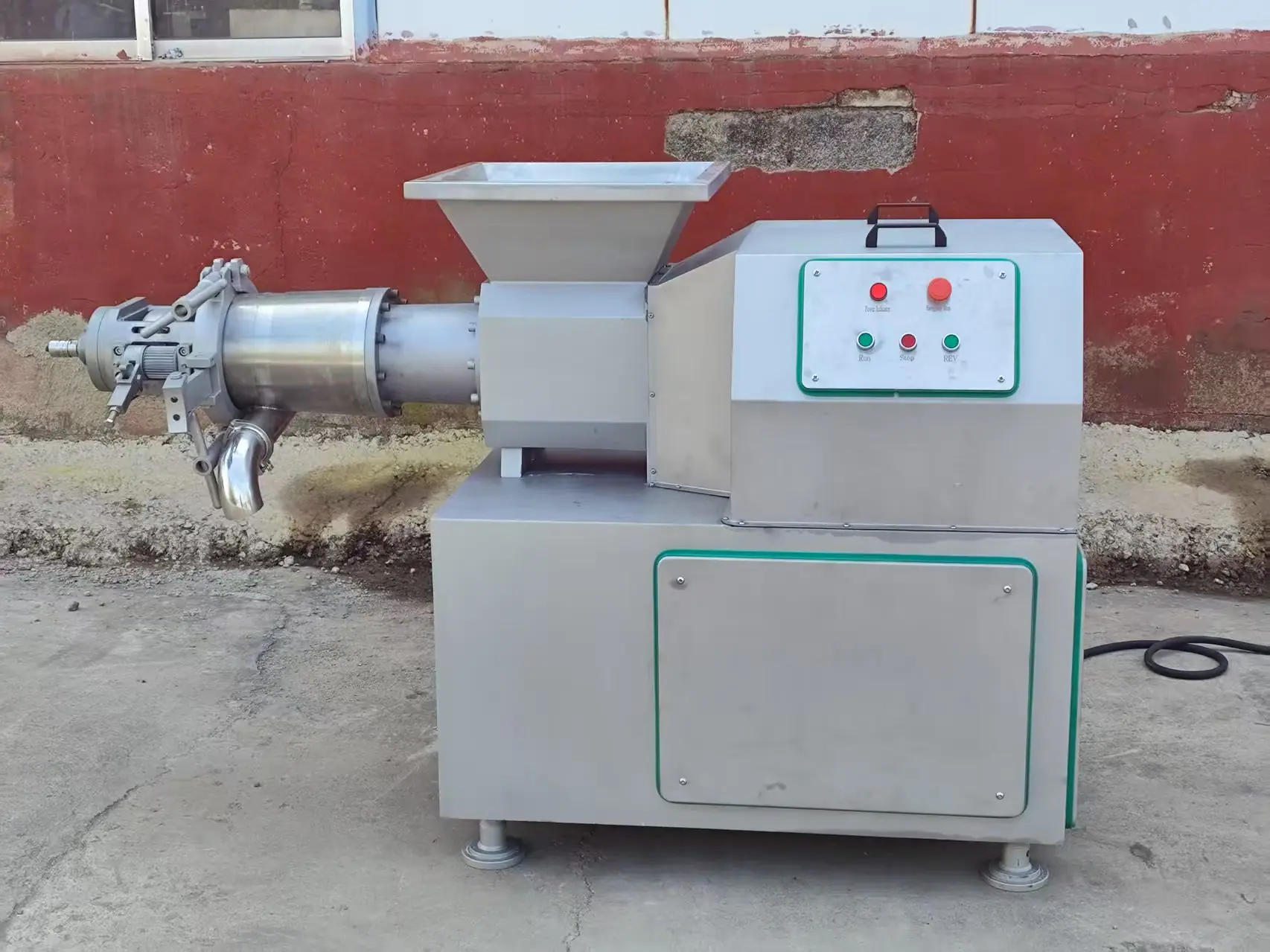
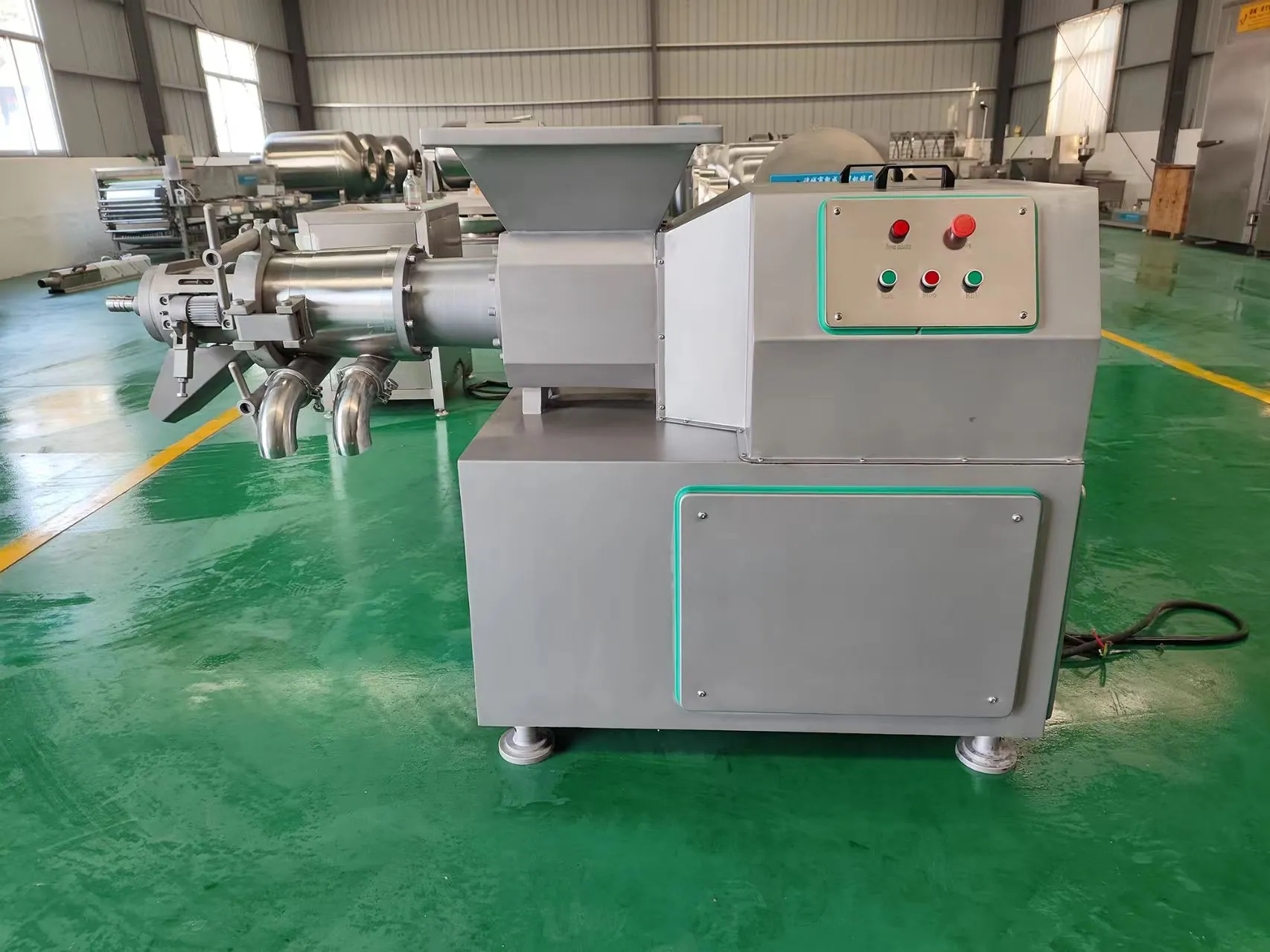
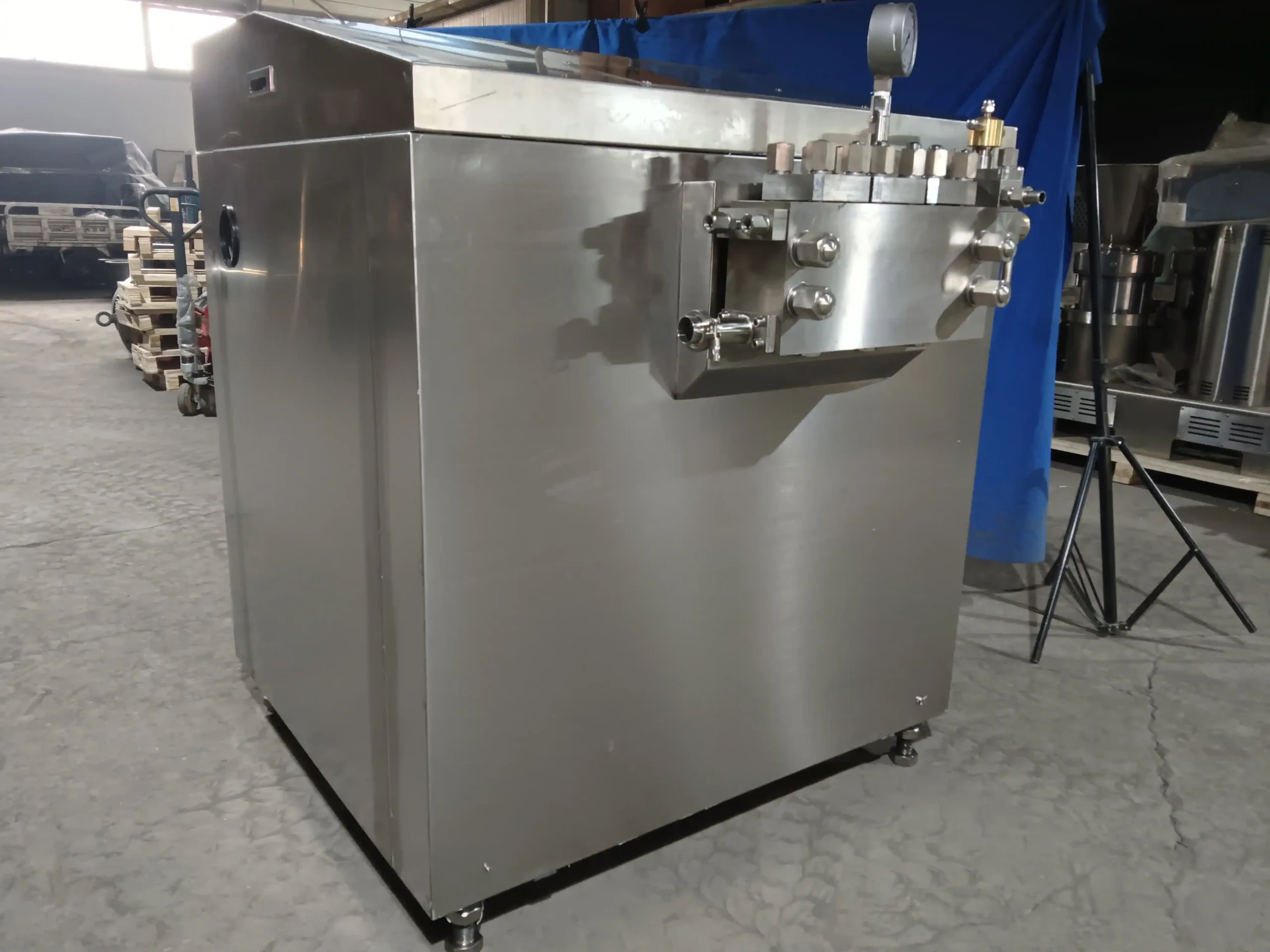
Stop throwing away 15% of your profit into the bone waste bin. The heavy-duty Pet food meat recovery separator system is built for the brutal 35°C Thai heat. Using a variable-pitch forged auger, it crushes poultry carcasses against a micro-slotted screen, keeping the temperature rise strictly under 3°C. We ditched cheap aluminum motors for oversized copper-wound beasts. Zero bone splinters. Zero oxidized fat. Real direct factory price.
Stop watching your mechanically deboned meat (MDM) turn into a sour, bacterial soup on the factory floor. A Pet food meat recovery separator system is a heavy-duty mechanical extrusion unit that uses a high-torque auger to force crushed poultry carcasses against a micro-slotted filter screen, separating soft protein from the bone matrix. If you are running a pet food processing plant in Chonburi or Rayong, you know exactly the nightmare I am talking about. The 35°C ambient heat destroys your emulsion. The friction heat from cheap separators cooks the protein, the fat oxidizes instantly, and your premium cat food base is ruined before it even reaches the mixer.
This machine fixes the temperature curve mechanically. Don’t believe the glossy brochures promising magic. Good engineering is about raw thrust, auger pitch optimization, and keeping the meat freezing cold during the extreme pressure of the extrusion cycle.
Before we talk about features, let’s look at the actual hardware. Don’t just look at the “Capacity.” Look at the Motor Power relative to the extrusion pressure. A weak motor running at max load will burn out. Here is the standard data for our separator series, configured specifically for the Southeast Asian electrical grid.
| Model | Capacity (kg/h) | Motor Power (kW) | Dimensions (mm) | Engineering Note for SEA Market |
|---|---|---|---|---|
| Model 130 | 1000 – 1500 | 13 / 16 | 1990×820×1300 | Perfect for Small Batch / R&D pet food lines. |
| Model 160 | 2000 – 3000 | 22 / 28 | 2130×890×1400 | Mid-Size Sausage & Wet Food Plants. 380V/50Hz. |
| Model 180 | 3000 – 4000 | 26 / 32 | 2800×1100×1450 | High Volume Pet Food. Built for local grid drops. |
| Model 220 | 3500 – 4500 | 37 | 2420×1200×1500 | Industrial Lines. Heavy base to absorb vibration. |
| Model 3000 | 6000 – 8000 | 55 | 2750×1450×1750 | The “Beast” (Export Grade). Maximum continuous yield. |
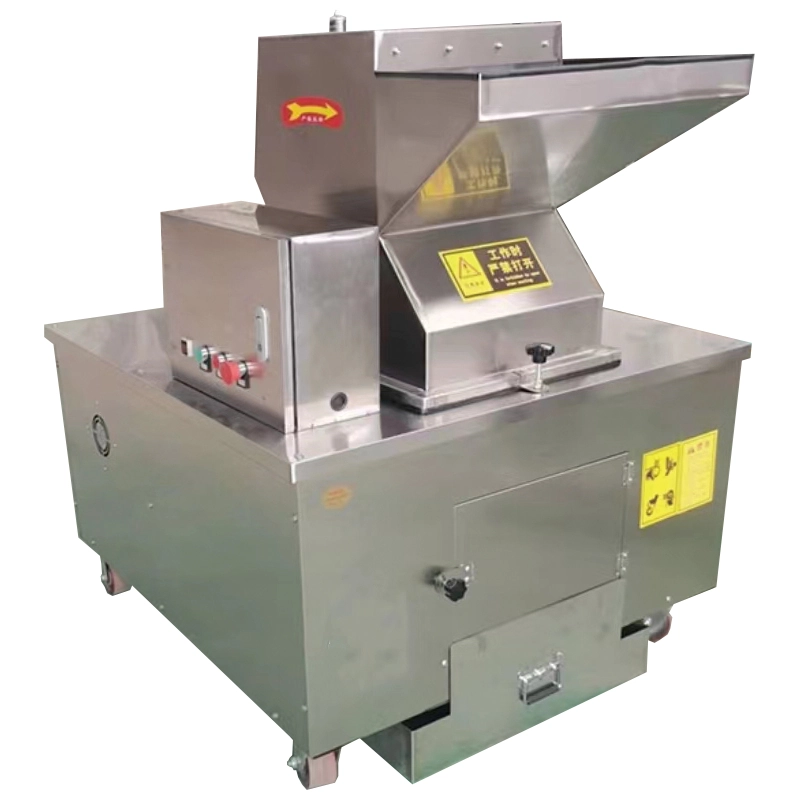
Engineer’s Warning: Do not use this for beef femurs. I don’t care what the sales brochure says. It is designed for poultry (chicken/duck) and rabbit. Beef bones will shatter the filter screen unless pre-crushed to <10mm.
I’ve spent 20 years fixing meat processing lines across Bangkok and Samut Prakan. Most imported machines look beautiful in a showroom but destroy your yield in a real factory. Here is how we build them to survive.
Let’s talk about extrusion friction. When you force 3000kg of semi-frozen chicken frames through a 0.5mm slotted screen, the mechanical shear generates massive heat. Cheap separators use a generic, evenly spaced auger pitch. The meat churns in the barrel, heating up. The fat melts and smears across the protein fibers.
We use a variable-pitch forged auger. It grabs the bones fast at the back and compresses them aggressively right at the separation zone. The advantage? The meat spends 40% less time in the friction chamber. The temperature rise is strictly controlled to under 3°C. When processing frozen chicken frames from local Thai slaughterhouses, actual MDM yield went from 65% to 72.5%. It doesn’t look like a massive leap on paper, but in a double-shift operation, you are recovering an extra 4.5 tons of usable meat paste a week from the exact same pile of waste bones. This is pure operational leverage.
At the end of the day, if you don’t solve the feed bridging issue in the hopper, all that motor power is useless. But more importantly, you must protect the bearings. When your night-shift sanitation team cleans the separation chamber at 2 AM, if they spray the high-pressure water gun at a 45-degree angle directly at the main thrust bearing seal, the food-grade grease washes out. Bone marrow and salty meat juice seep into the gearbox. The bearings rust and seize in a month. We engineered a raised, overlapping 304 SS labyrinth seal with a dedicated weep hole. Water physically cannot reach the drive shaft bearings. ——these are the basic bottom lines in the 2026 industry standards.
Salesmen will hand you a list of generic features. I’m going to give you the engineering facts, along with the dirty little secrets of the meat recovery floor.
It takes one operator about 15 minutes. We provide a specialized hydraulic puller to extract the screen. You don’t need to hammer it out. If a machine requires your workers to beat the screen with a mallet to remove it, they will warp the cylinder, and your bone calcium content in the meat paste will skyrocket the next day.
Strictly under 0.09%. The micro-slots are machined to extreme tolerances. You get a smooth, highly viscous MDM paste perfect for premium extruded pet kibble or wet canned food. Zero bone splinters.
We use standard international components: SKF heavy-duty thrust bearings and standard metric V-belts. You can buy replacements in any major industrial hardware market in Bangkok (like Khlong Thom). You are never held hostage waiting for proprietary, weirdly shaped parts to be shipped from overseas.
Do you have project requirements or technical questions? Please let us know in the form below.