- Shandong Zhucheng Kaicheng Liangcai Machinery Factory
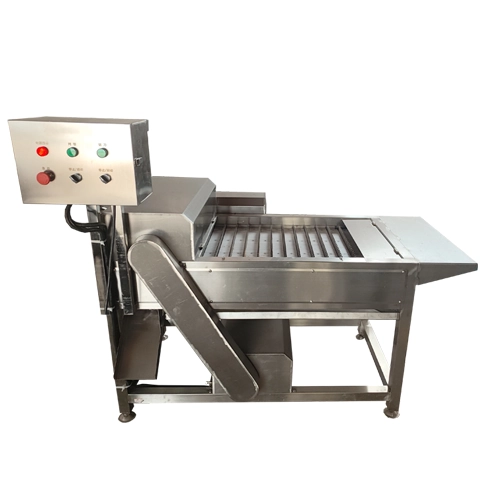
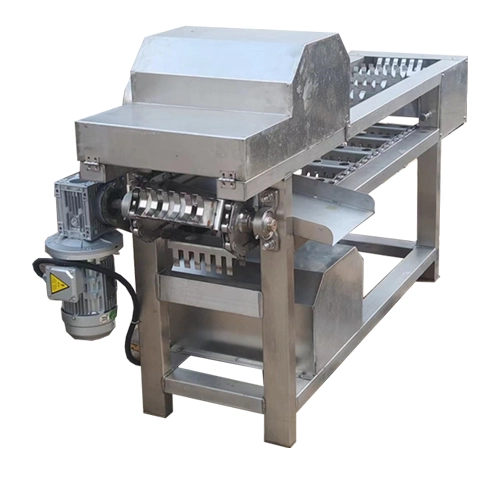
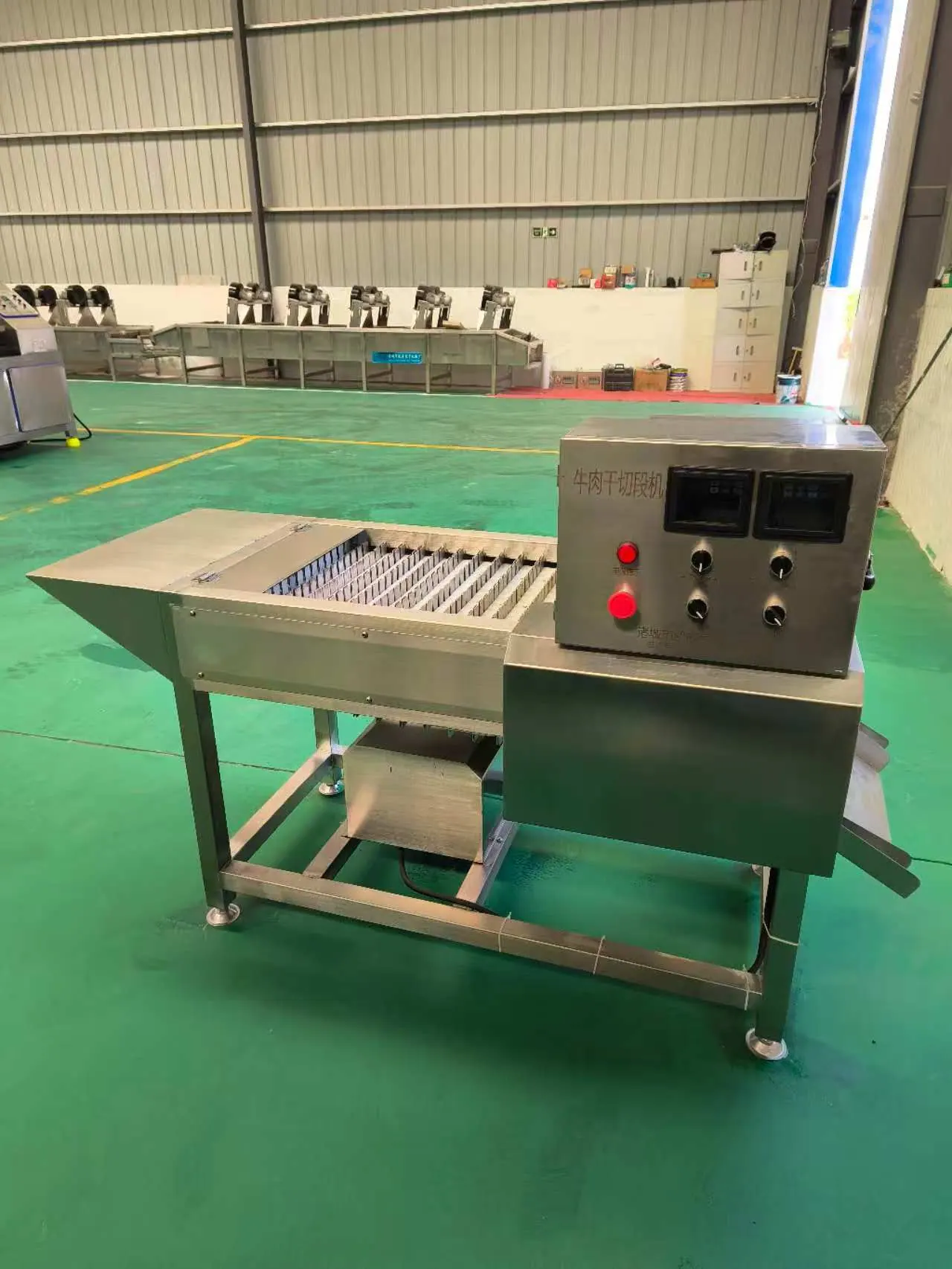
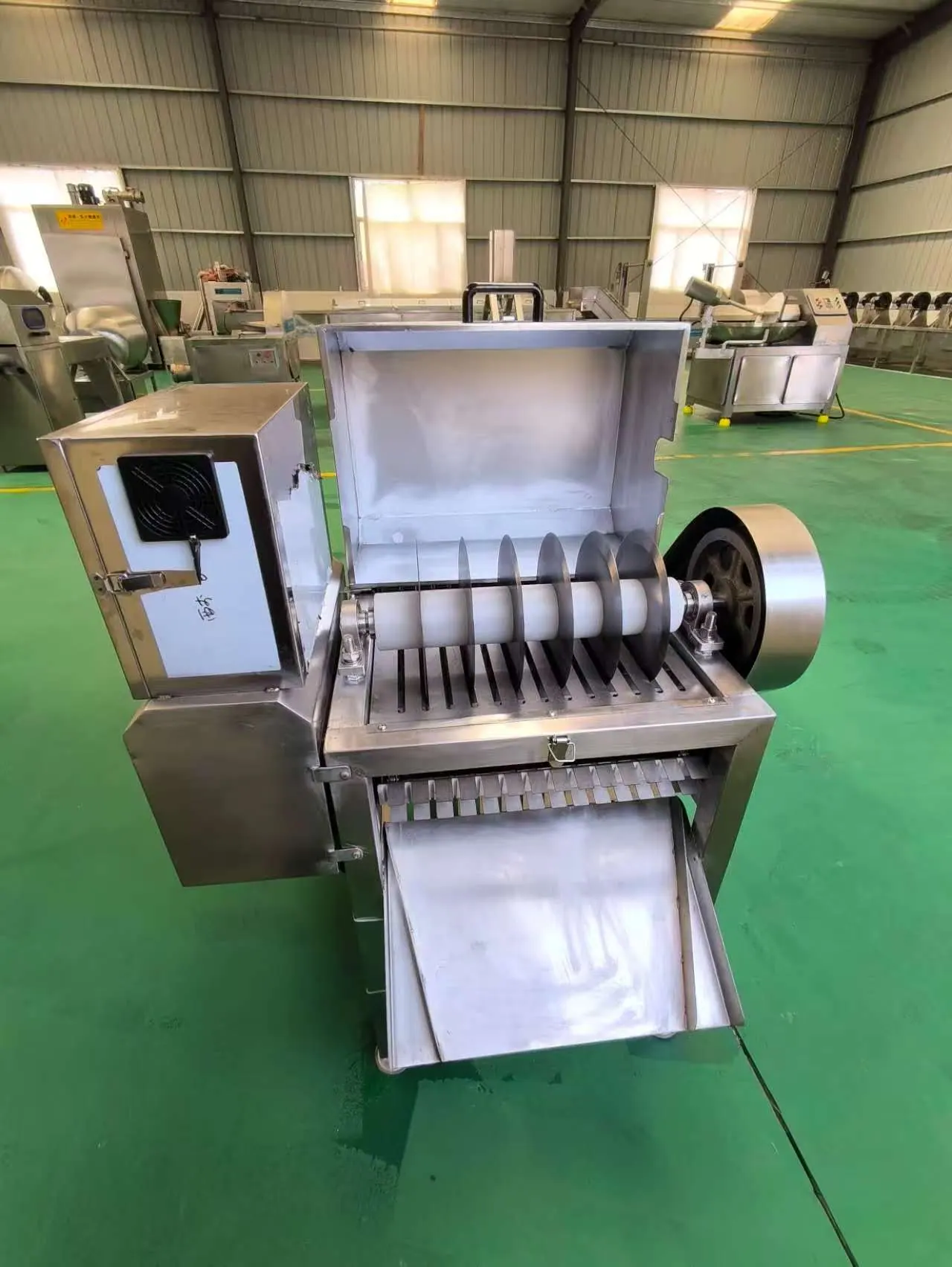
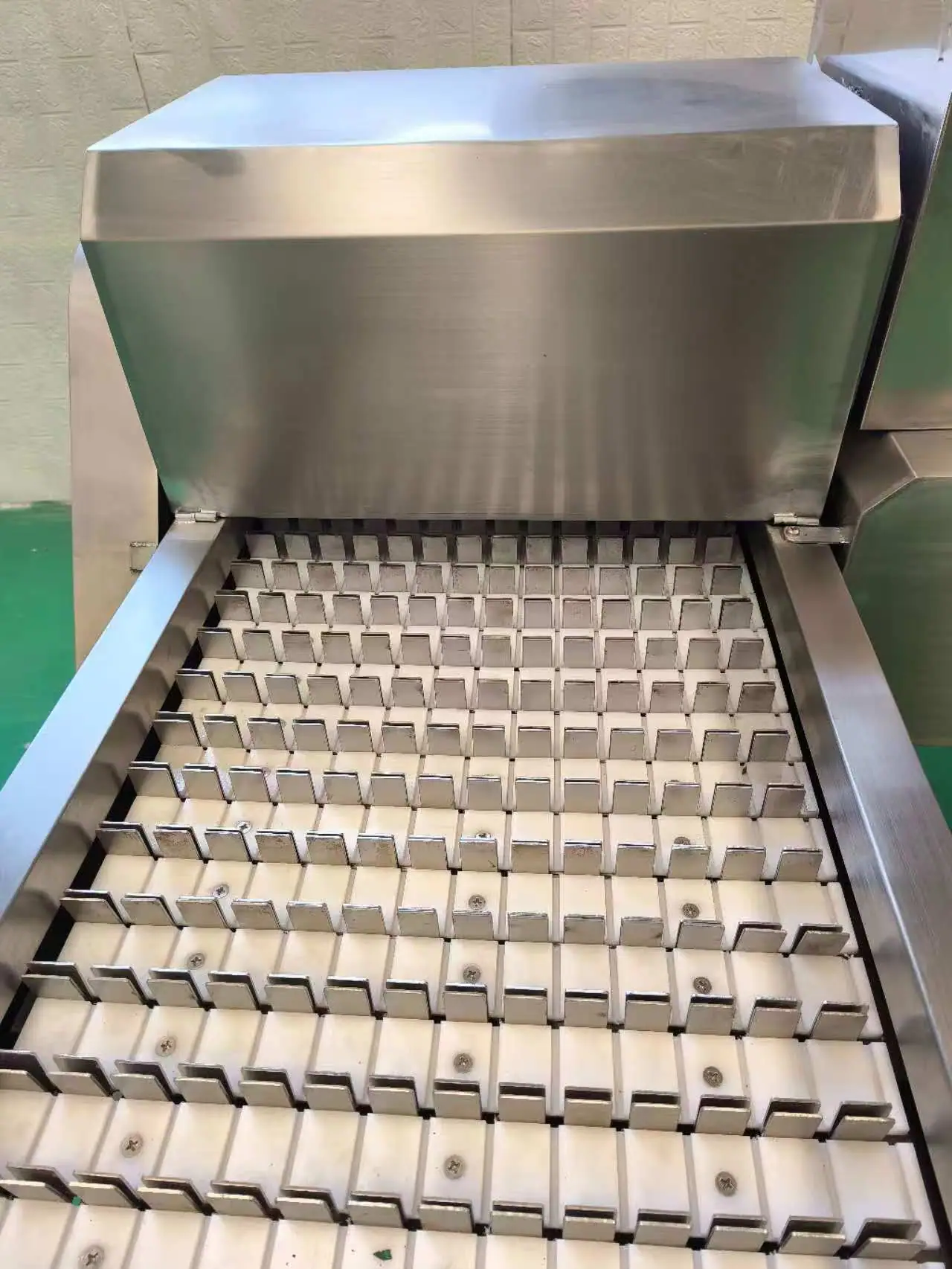
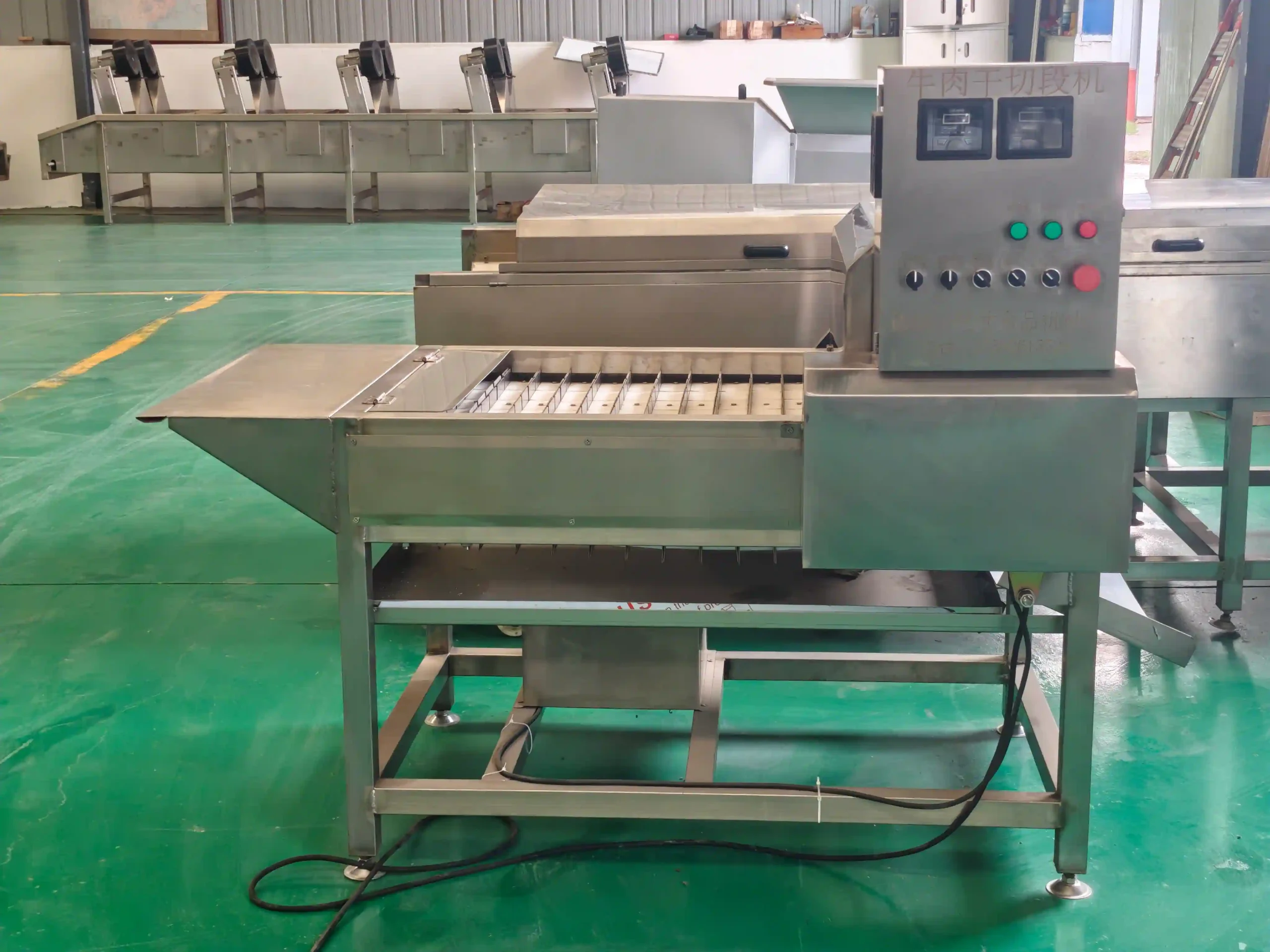
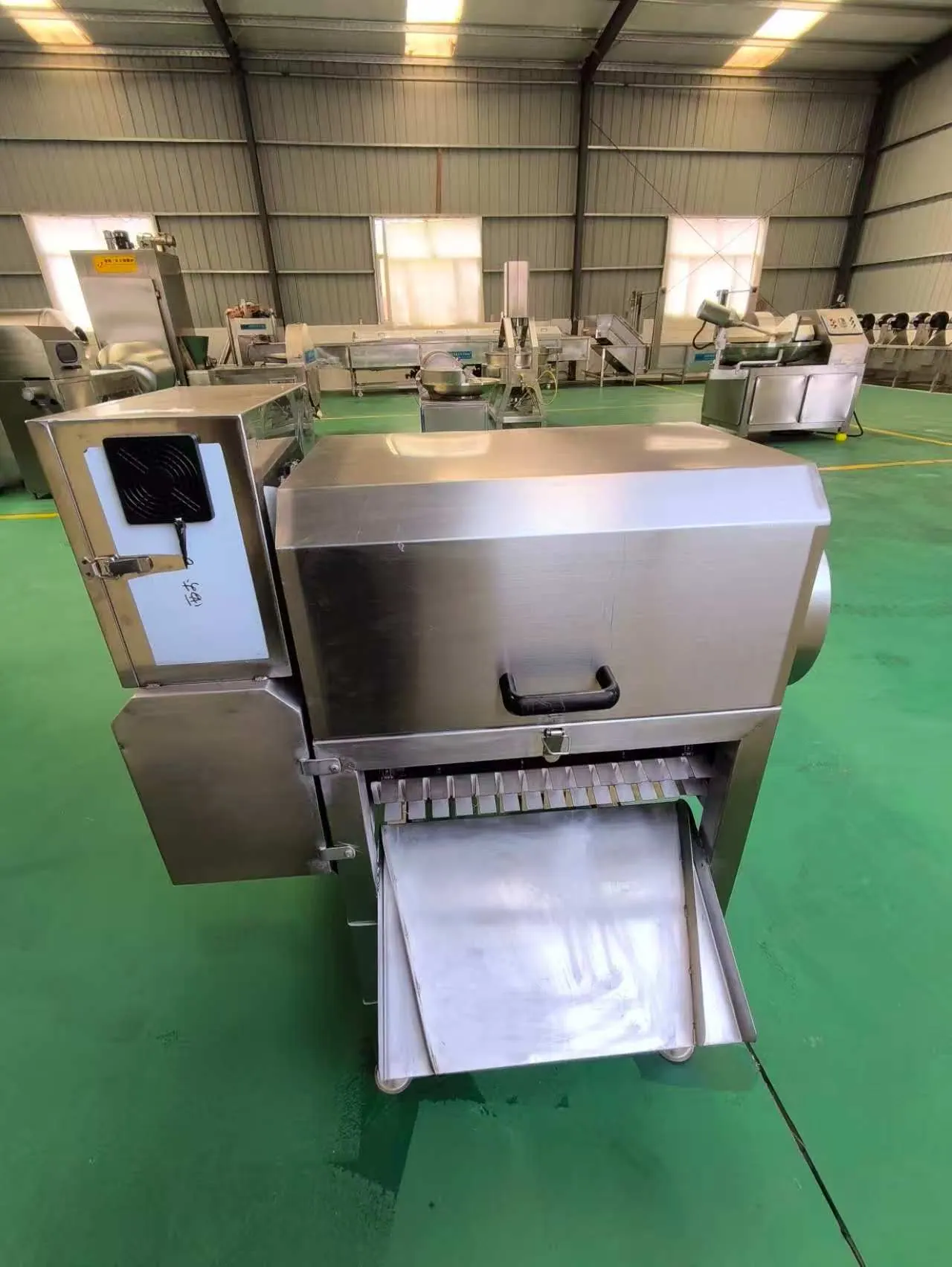
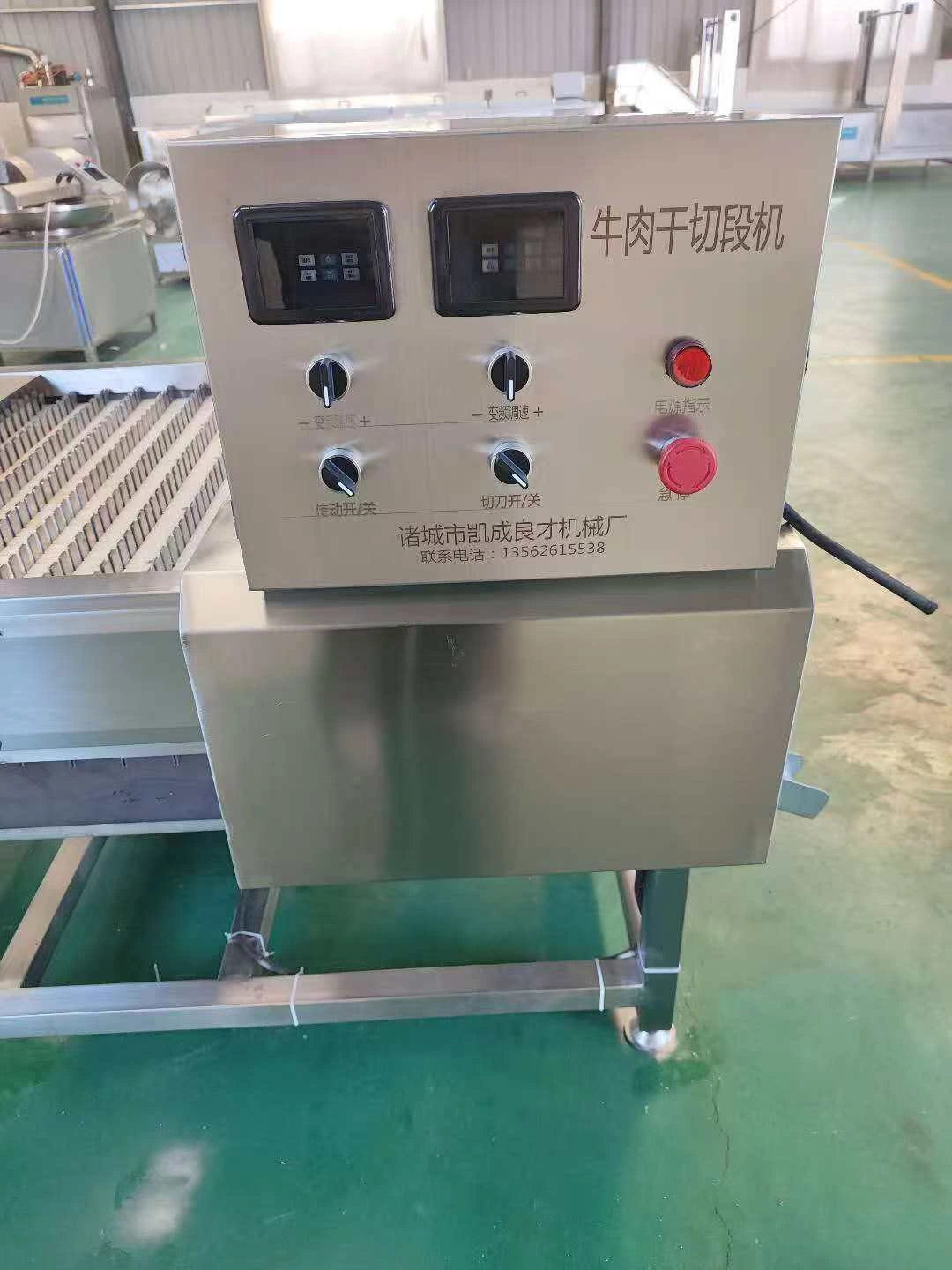
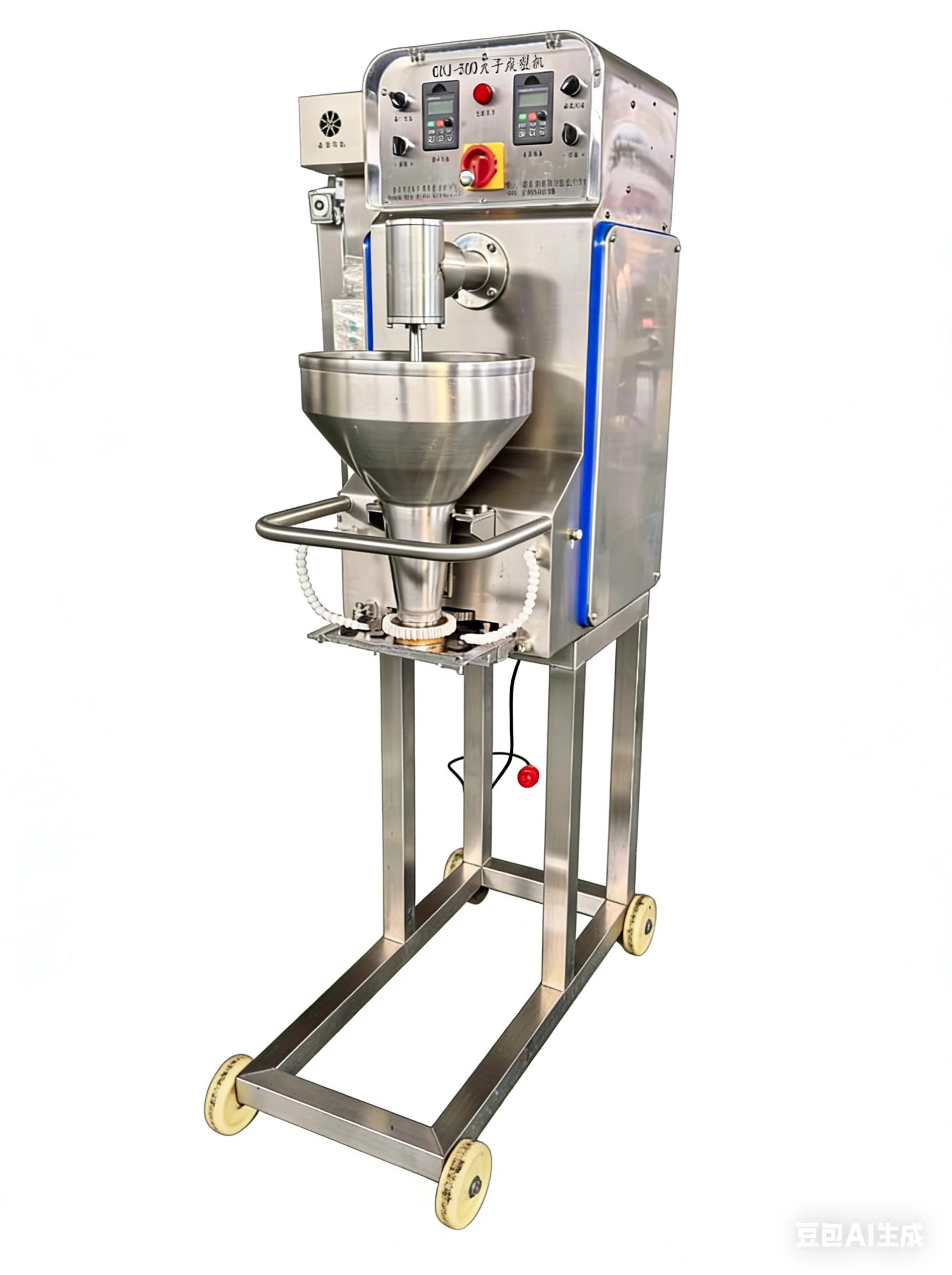
Stop paying ten workers to hack away at morning glory. The MFC-800 Multi-functional cutting machine is built for the brutal 35°C Thai heat and 90% humidity. Featuring dual VFD controls and a heavy-duty rotary blade, it slices tough lemongrass and galangal for Tom Yum paste without crushing the fibers. We ditched cheap PVC belts for food-grade PU that won’t slip when soaked in vegetable juice. Zero jamming. Zero motor burnout. Real factory price.
Stop watching your workers crush lemongrass into a bruised, oxidized mess. A Multi-functional cutting machine is a continuous-feed rotary slicing system that uses synchronized conveyor belts and high-RPM blades to shear fibrous vegetables, roots, and herbs into exact lengths. If you are running a Tom Yum paste factory or a ready-to-eat meal plant in Pathum Thani, you know the exact nightmare I’m talking about. The 35°C ambient heat wilts your morning glory (Pak Boong). The acidic juices from chilies and lime leaves eat through cheap carbon steel blades in days. Your conveyor belts slip, and suddenly you are cutting 50mm chunks instead of the 10mm shreds you need.
This machine fixes the feed rate mechanically. Don’t believe the glossy brochures promising magic. Good engineering is about absolute belt tension, blade geometry, and keeping the motor cool when running wet, heavy loads.
Before we talk about features, let’s look at the actual hardware. Here is the standard data for our MFC-800 model, configured specifically for the Southeast Asian electrical grid.
| Parameter | Specification | Engineering Note for SEA Market |
|---|---|---|
| Model | MFC-800 | Standard industrial size for commercial kitchens & plants. |
| Capacity | 500 – 800 kg/h | Varies based on vegetable density and target cut length. |
| Cutting Length | 60-100 mm | Digitally adjustable via dual independent VFDs. |
| Power & Voltage | 1.5 kW | 220V / 50Hz | Single-phase Thailand standard. Plugs into standard heavy-duty outlets. |
| Dimensions | 1200 x 600 x 1050 mm | Heavy 304 SS base frame to absorb high-RPM blade vibration. |
| Material | SUS304 Stainless Steel | Resists stress corrosion cracking from acidic chili juices. |
Note: These parameters represent the true continuous running capacity. We don’t quote theoretical dry-run speeds that snap your drive chains.
I’ve spent 20 years fixing vegetable processing lines across Bangkok and Samut Sakhon. Most imported machines look beautiful in a showroom but destroy your yield in a real factory. Here is how we build them to survive.
Let’s talk about cutting galangal and lemongrass. When you feed dense, fibrous roots into a rotary blade, the resistance is immense. Cheap cutters use a single motor with a mechanical gearbox to drive both the belt and the blade. When the blade hits a tough root, the RPM drops, the belt keeps pushing, and the machine jams.
We use dual independent Variable Frequency Drives (VFDs). You dial in the exact speed for the feeding belt and a separate, relentless RPM for the cutting blade. The advantage? You get mathematically perfect, clean shears without bruising the plant cells. When cutting fibrous lemongrass for Tom Yum paste, actual clean-cut yield went from 450 kg/hr to 610 kg/hr. It doesn’t look like a massive leap on paper, but in a double-shift operation, you are saving 2.5 tons of crushed, unsellable herb waste a week. This is pure operational leverage.
Say it with me: at the end of the day, if you don’t solve the blade shaft seal issue, all that VFD precision is useless. When your sanitation team cleans the discharge chute at 2 AM, if they spray the high-pressure water gun at a 45-degree angle directly at the rotary blade’s main bearing, the acidic vegetable juice gets blasted past the rubber gasket. The bearing rusts and seizes in a month. We engineered a sloped, overlapping 304 SS deflector plate. Water physically cannot reach the bearings. ——these are the basic bottom lines in the 2026 industry standards.
Salesmen will hand you a list of generic features. I’m going to give you the engineering facts, along with the dirty little secrets of the food processing floor.
No. This is a section and slice cutter. It cuts long beans for Som Tum into 30mm sections, or slices cucumbers into coins. If you need to cut carrots into perfect 10x10mm cubes, you need a specialized 3D dicing machine. Don’t try to force one machine to do everything; it will do both jobs poorly.
It takes one operator about 2 minutes. We use a quick-release tensioning lever on the tail pulley. You drop the tension, slide the belt off the side, and wash it in the sink. You don’t need a wrench or a mechanic.
We use standard international components: Omron VFDs, Schneider electrics, and standard metric PU belts. You can buy replacements in any major industrial hardware market in Bangkok (like Khlong Thom). You are never held hostage waiting for proprietary circuit boards to be shipped from overseas.
Do you have project requirements or technical questions? Please let us know in the form below.