Many buyers start their search for a meat bone separator machine on B2B platforms by comparing price, capacity, and the word automatic in product titles. That is understandable, but it is not enough. A poultry processor does not buy this machine for the name on the listing. The factory buys it to recover usable meat from chicken frames, backs, necks, or similar raw material while keeping the output stable, clean, and suitable for the next production step.
This article is written for buyers who are already comparing chicken meat bone separator, poultry meat bone separator, mechanical deboning machine, and chicken deboning machine suppliers. The goal is not to repeat a general product description. The goal is to give a practical checklist for choosing a machine that fits your raw material, output plan, cleaning routine, and finished product.
Many buyers start their search for a meat bone separator machine on B2B platforms by comparing price, capacity, and the word automatic in product titles. That is understandable, but it is not enough. A poultry processor does not buy this machine for the name on the listing. The factory buys it to recover usable meat from chicken frames, backs, necks, or similar raw material while keeping the output stable, clean, and suitable for the next production step.
This article is written for buyers who are already comparing chicken meat bone separator, poultry meat bone separator, mechanical deboning machine, and chicken deboning machine suppliers. The goal is not to repeat a general product description. The goal is to give a practical checklist for choosing a machine that fits your raw material, output plan, cleaning routine, and finished product.
Why Alibaba Titles Are Useful but Not Enough
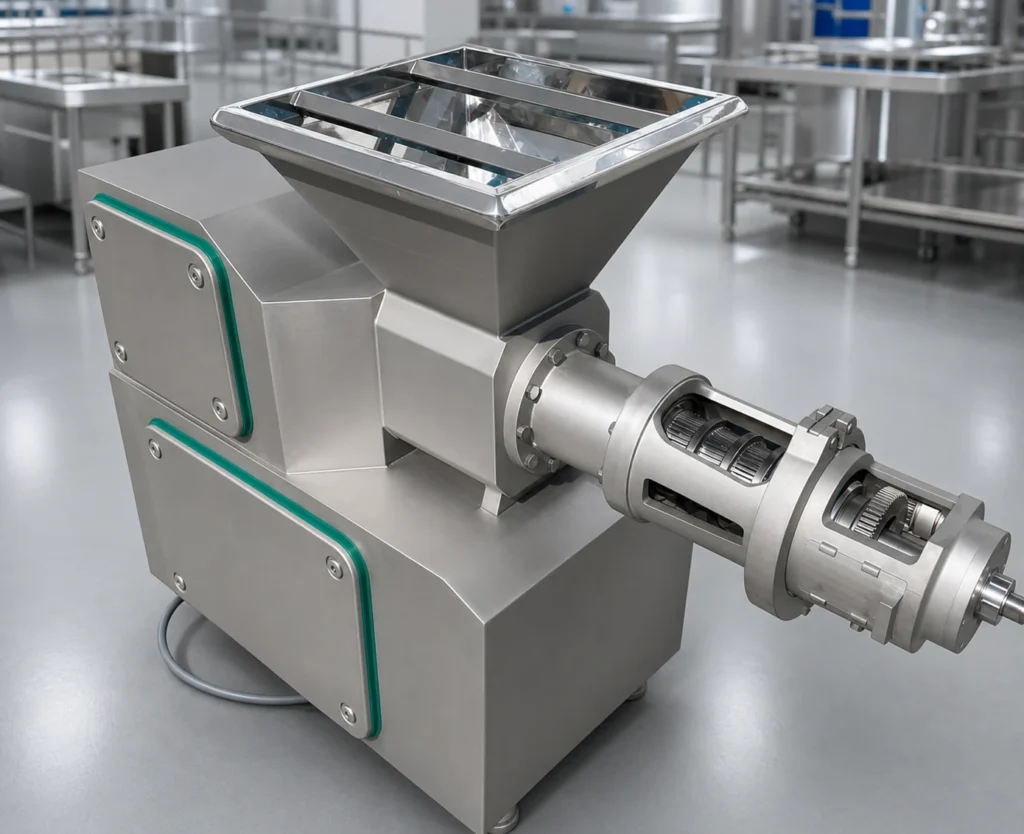
Competitor listings often use long titles such as commercial chicken meat bone separator machine, poultry fresh meat separator, automatic mechanical deboning machine, or stainless steel meat bone separating machine. These words are useful because they show how suppliers describe the equipment to international buyers. They also reveal common search intent: buyers want a machine for poultry processing, meat recovery, and further processing applications.
The problem is that these titles mix several meanings together. Chicken deboning machine may refer to a poultry leg deboner, a breast deboning line, or a meat bone separator that produces meat paste. Meat grinder is another common confusion, but a grinder does not separate bone from meat. A serious buyer should read beyond the title and confirm the actual process: what raw material goes in, what output comes out, and how the machine is cleaned after production.
Start with Raw Material, Not Machine Price
The first question is not how much the machine costs. The first question is what material your factory will process. Chicken frames after cutting, poultry backs, necks, rib bones, and trimming residues do not behave the same way. Fresh and chilled material may also perform differently. A supplier cannot responsibly recommend a model without knowing the raw material condition.
Before you ask for a quotation, prepare a simple raw material brief. List the poultry type, the main bone-in parts, whether the material is fresh or chilled, the approximate amount per hour or per shift, and the target product that will use the recovered meat. This information is more useful than asking for the cheapest automatic meat bone separator machine.
Check the Feed Area and Output Path
The hopper and feed opening look simple, but they affect daily operation. If the feed area is too small for the raw material, operators may spend too much time preparing pieces. If the machine is too open or difficult to control, feeding may become inconsistent. A good purchase discussion should include raw material size, feeding method, operator workflow, and whether upstream tables or conveyors are needed.
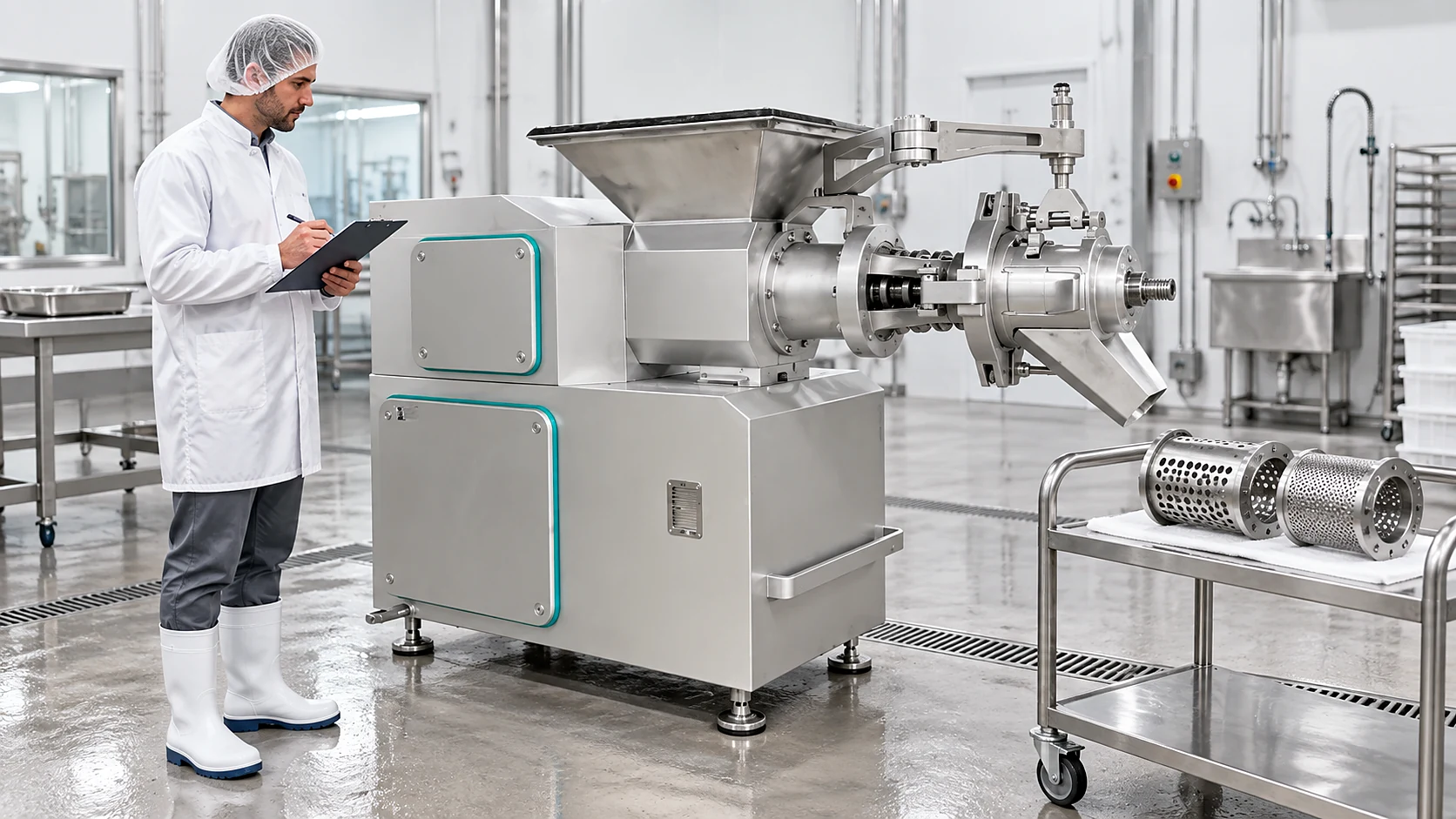
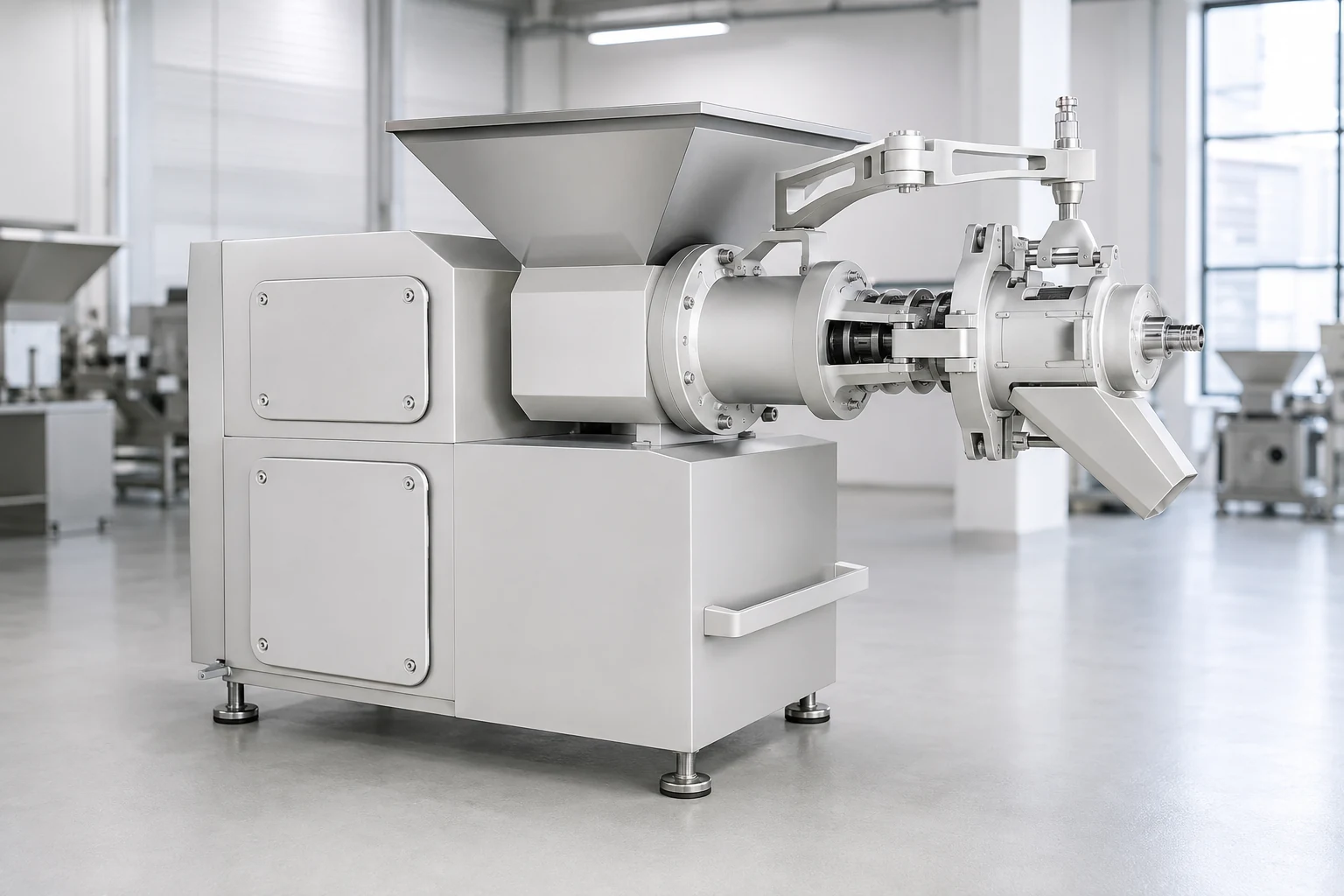
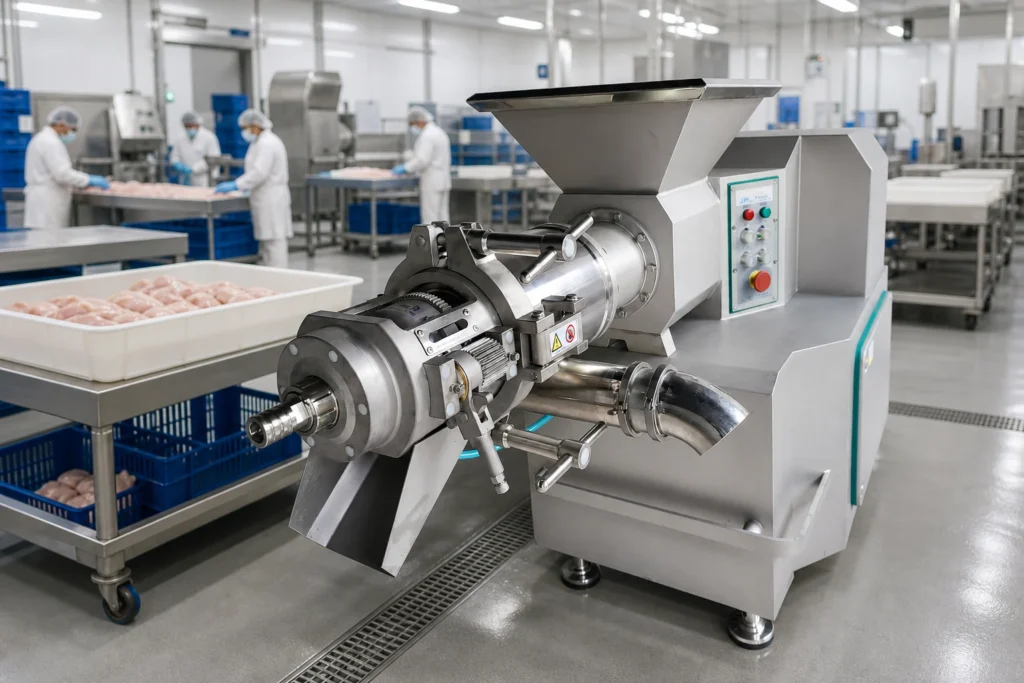
The output path matters just as much. On this type of poultry meat bone separator, one outlet is normally used for recovered chicken meat paste, while another outlet handles bone residue. Buyers should confirm the outlet layout, collection bins, and how the output will move into the next process. If the meat paste will be used for meatballs, nuggets, patties, sausage-type products, or fillings, the plant should plan collection and temperature control carefully.
Compare Structure Before Comparing Capacity
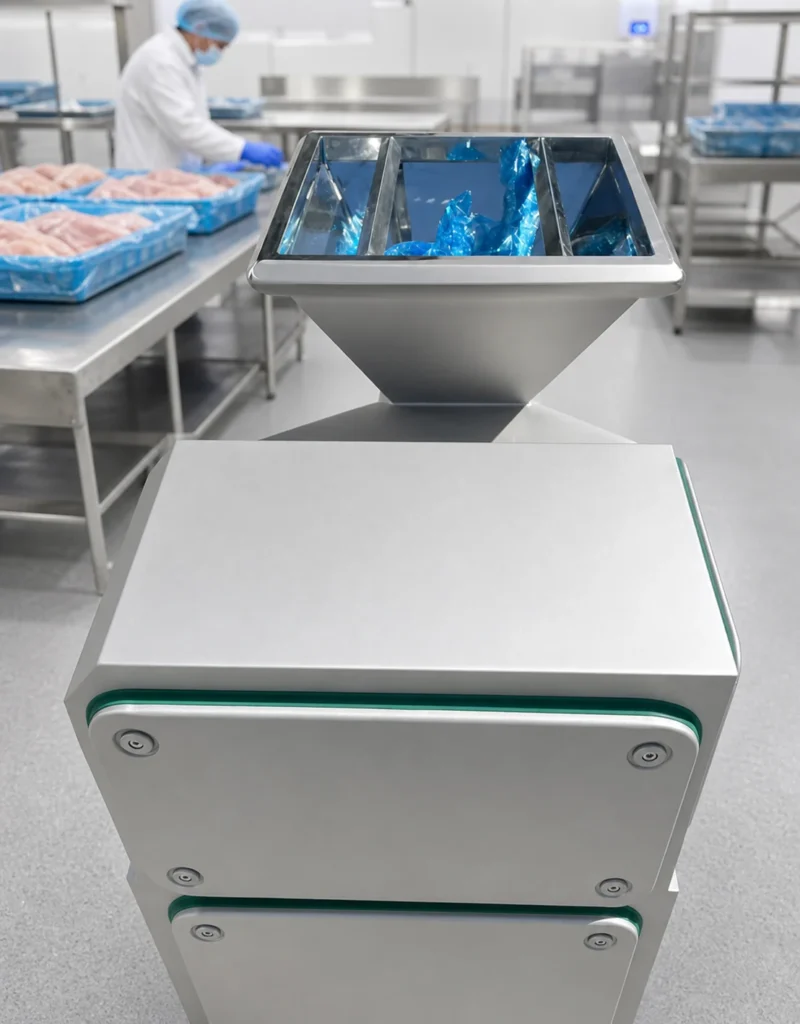
Capacity is important, but it should not be read as a fixed promise without testing. Real output depends on raw material type, trimming condition, temperature, operator feeding, and separation settings. Two machines with similar claimed capacity may perform differently in cleaning time, spare part life, output consistency, and ease of adjustment.
When comparing suppliers, look at the structure. Ask about the separation screw, screen or filter area, pressure adjustment, outlet design, sealing parts, and access for cleaning. Stainless steel construction is expected in food processing, but buyers should still confirm which food-contact areas are easy to wash and which parts need routine inspection.
Do Not Confuse a Meat Bone Separator with a Grinder
A meat grinder reduces meat size. A meat bone separator machine separates soft tissue from harder bone residue through mechanical pressure and screening. This difference matters because the final output is not whole muscle meat. It is a mechanically recovered meat paste that usually goes into further processed products. Buyers should check local food regulations and product labeling requirements before deciding the final use.
This is also why a supplier should ask what product you plan to make. A factory making chicken meatballs may need a different workflow from a factory making pet food, fillings, or nugget base material. The separator is one step in the chain, not the whole production solution by itself.
What to Ask a Meat Bone Separator Supplier
A useful supplier conversation should be specific. Ask whether the machine can be tested with your raw material or a close sample. Ask what the operator needs to adjust when the material changes. Ask how long cleaning takes after a normal shift. Ask which parts are considered wear parts, how often they may need replacement, and whether the supplier can provide videos of disassembly and cleaning.
For international buyers, also confirm voltage, phase, plug or wiring requirements, packaging, spare parts, training documents, and after-sales support. These details do not look as attractive as a high-capacity headline, but they decide whether the machine can actually run smoothly after arrival.
A Practical Quotation Checklist
Before requesting a final quotation, prepare the following information: poultry type, bone-in raw material, material temperature, estimated hourly or shift volume, target product, available voltage, factory layout, cleaning method, and whether you need supporting equipment such as tables, conveyors, mixers, meatball forming machines, or packaging equipment.
This checklist helps the supplier recommend a suitable mechanical deboning machine instead of simply sending the lowest price. It also helps the buyer compare offers more fairly. A cheap machine that does not fit the raw material may become expensive after downtime, output problems, or cleaning delays.
Final Recommendation for Poultry Processors
If you are choosing a meat bone separator machine for poultry processing, do not begin and end with price. Start with your raw material, output use, cleaning routine, and operator workflow. Then compare machine structure, supplier support, and testing options. The best choice is the machine that fits your daily production, not the listing with the longest title.
Dingfeng Food Machinery can help buyers review poultry processing requirements, compare equipment options, and plan a practical workflow for meat recovery and further processing. You can visit the Dingfeng Food Machinery homepage or use the contact page to send raw material details and production goals.
FAQ About Meat Bone Separator Machines
What is a meat bone separator machine used for?
It is used to recover soft meat from bone-in poultry material such as chicken frames, backs, necks, or similar raw material. The recovered meat paste is usually used for further processed products.
Is a chicken deboning machine the same as a meat bone separator?
Not always. A chicken deboning machine can mean several different machines. A meat bone separator specifically separates meat paste from bone residue, while some deboning machines remove bones from legs, thighs, or breast meat.
Can recovered chicken meat paste be used for meatballs or nuggets?
It may be used in formed or further processed products, but the final application depends on local regulations, product formulation, hygiene control, and the buyer’s quality requirements.
What information should I send before asking for a price?
Send the raw material type, fresh or chilled condition, estimated production volume, target product, voltage, factory layout, and cleaning requirements. This helps the supplier recommend a suitable model.
Why should I test the machine before buying?
A test shows whether the machine fits your actual raw material. It also helps you check output condition, bone residue, feeding stability, cleaning access, and operator workflow before making a purchase decision.