- Shandong Zhucheng Kaicheng Liangcai Machinery Factory
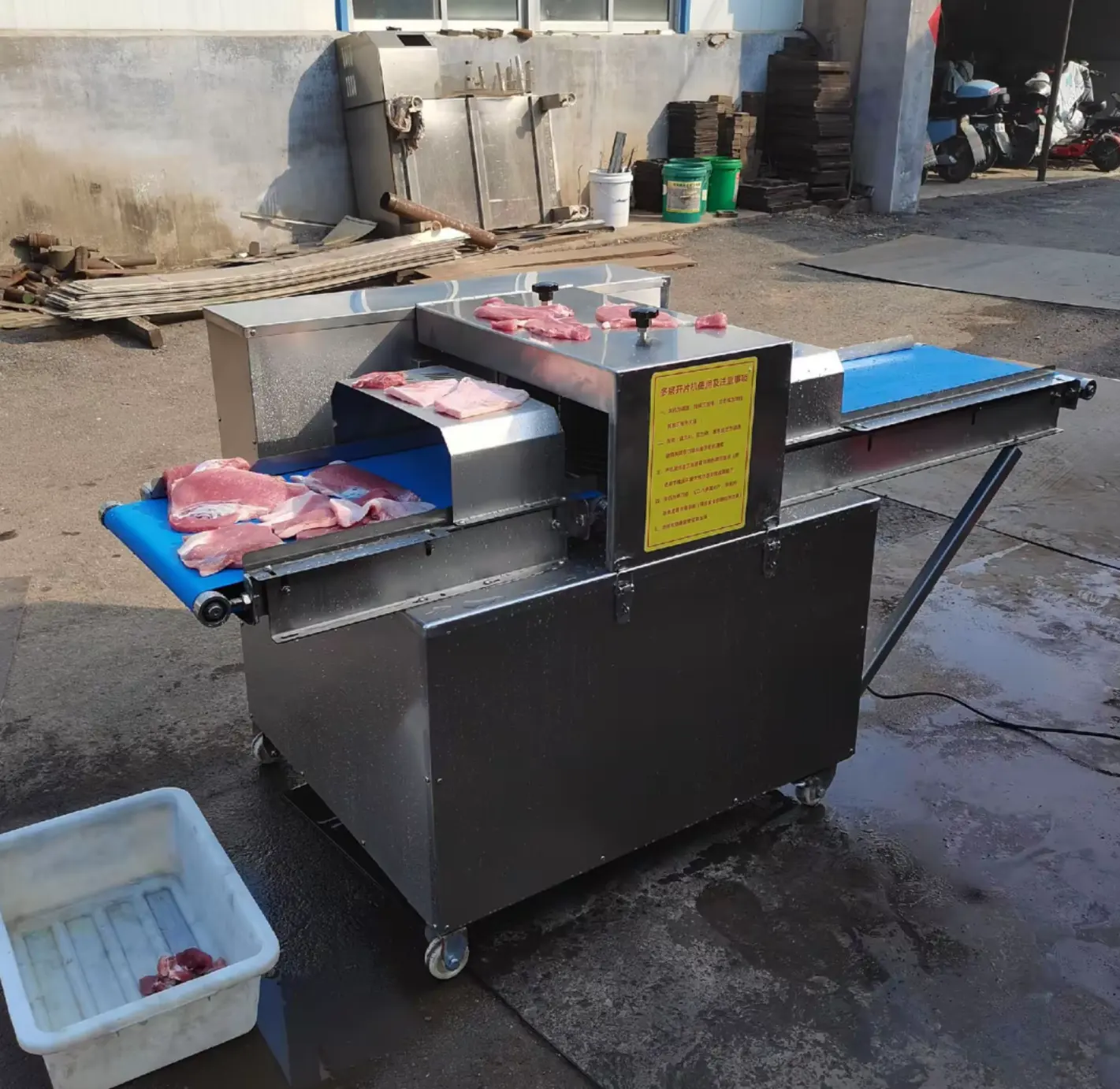
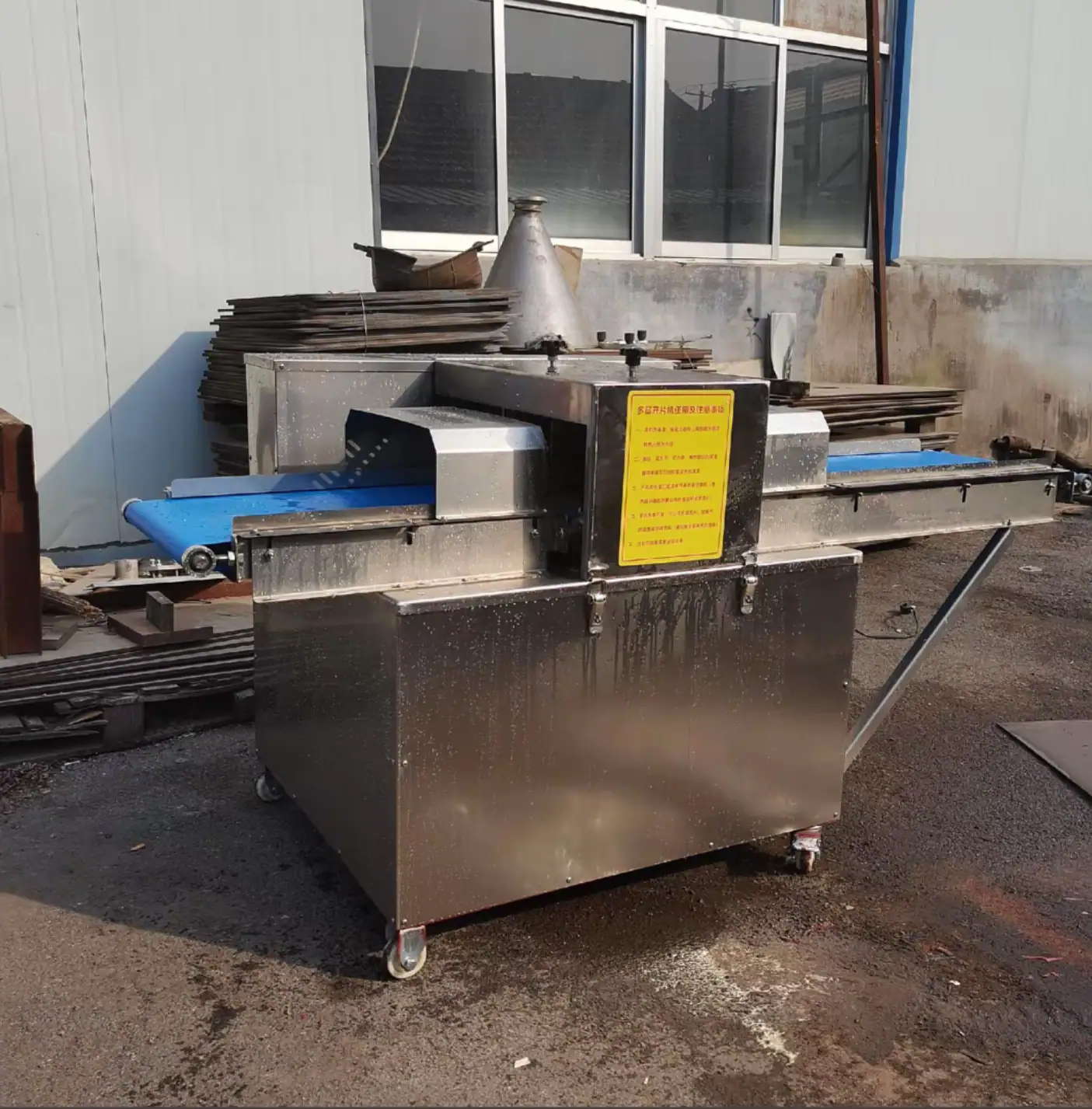
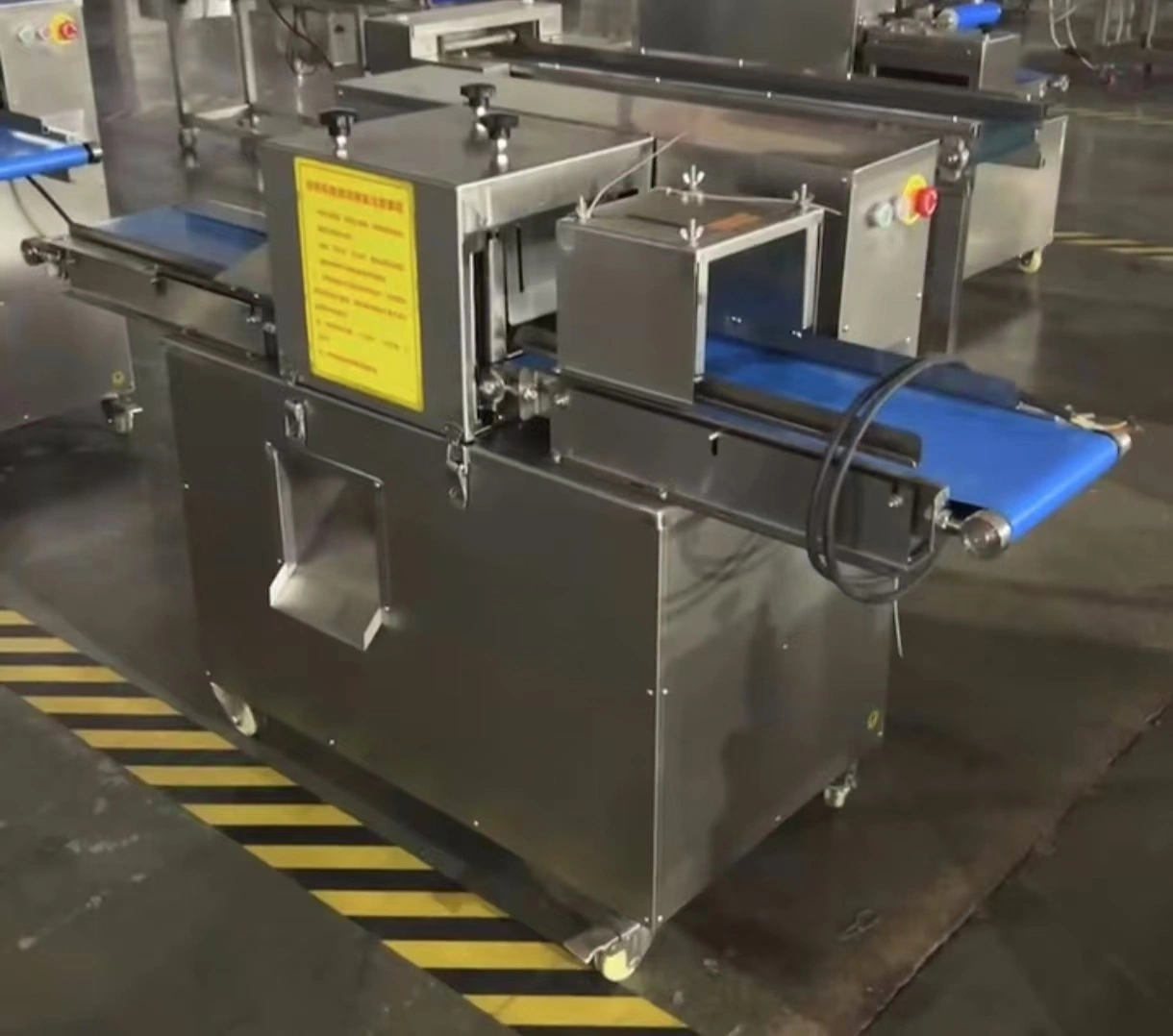
Stop watching your profit margins get shredded by inconsistent hand-cutting and unreliable equipment. If you are running a high-volume meat processing facility or a busy central kitchen in Southeast Asia, finding an Automatic Fresh Meat Slicer that actually matches your search intent—meaning it doesn’t overheat the meat, rust in the monsoon season, or jam during peak hours—is your top priority. Let’s get straight to the facts.
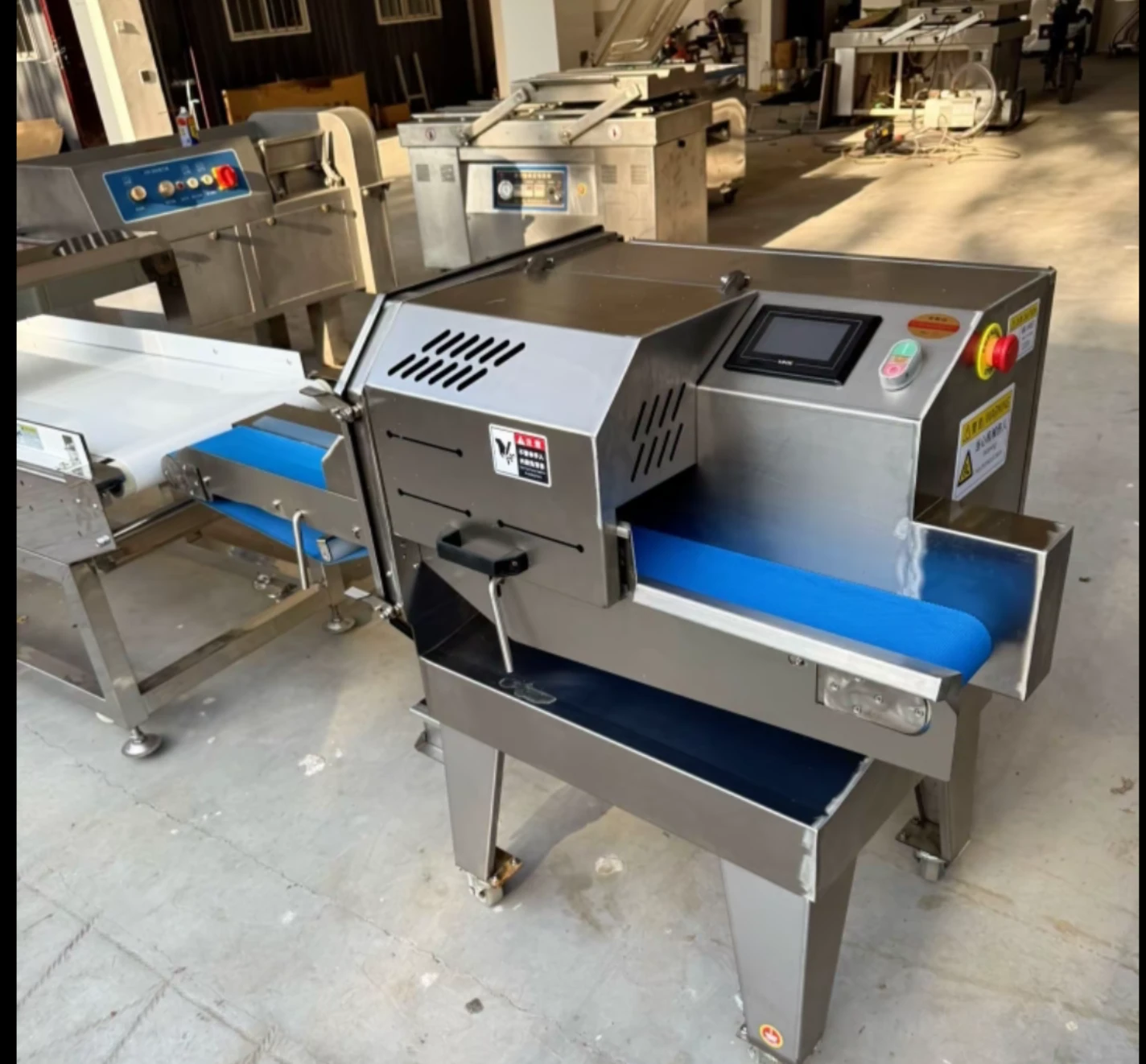
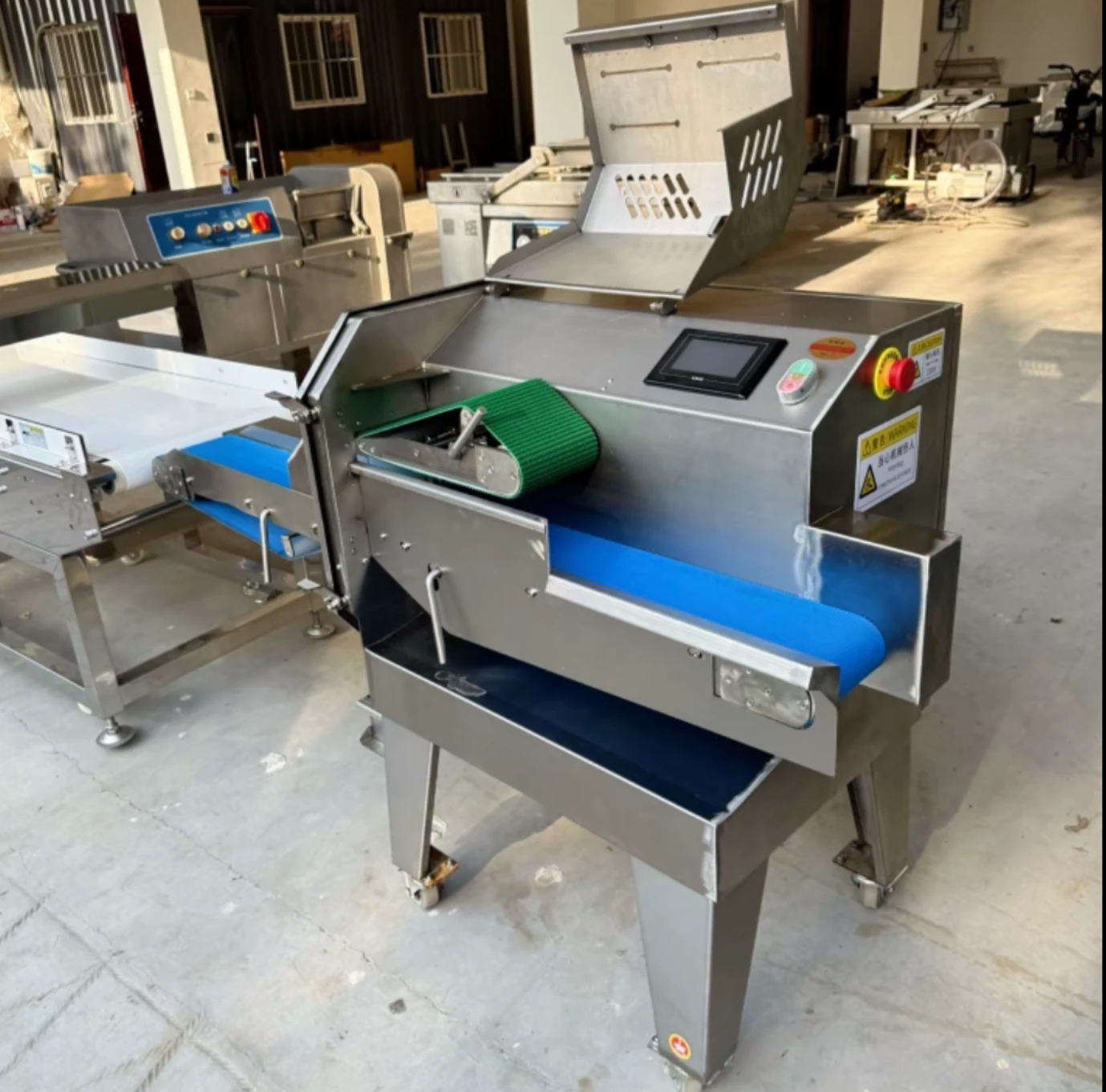
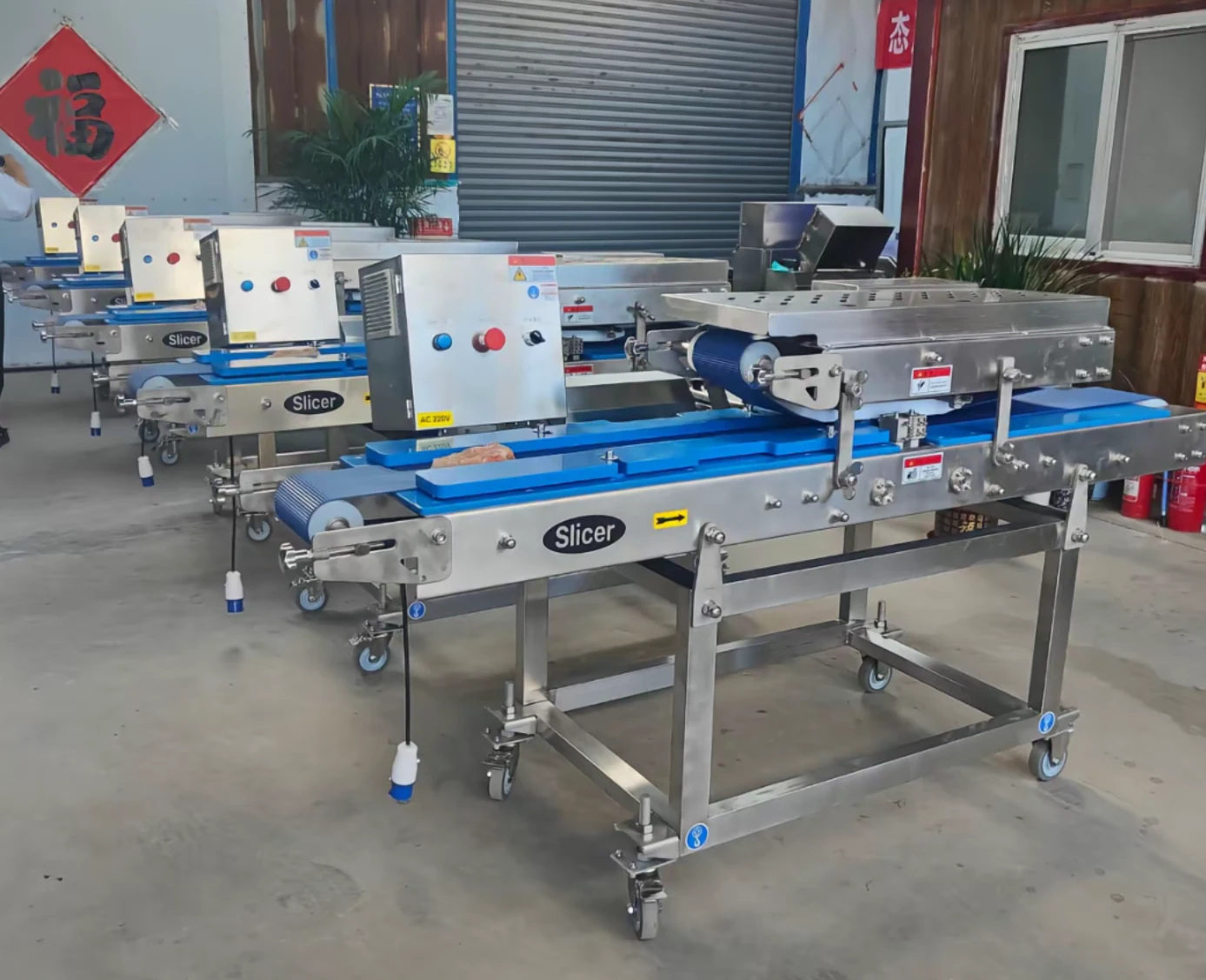
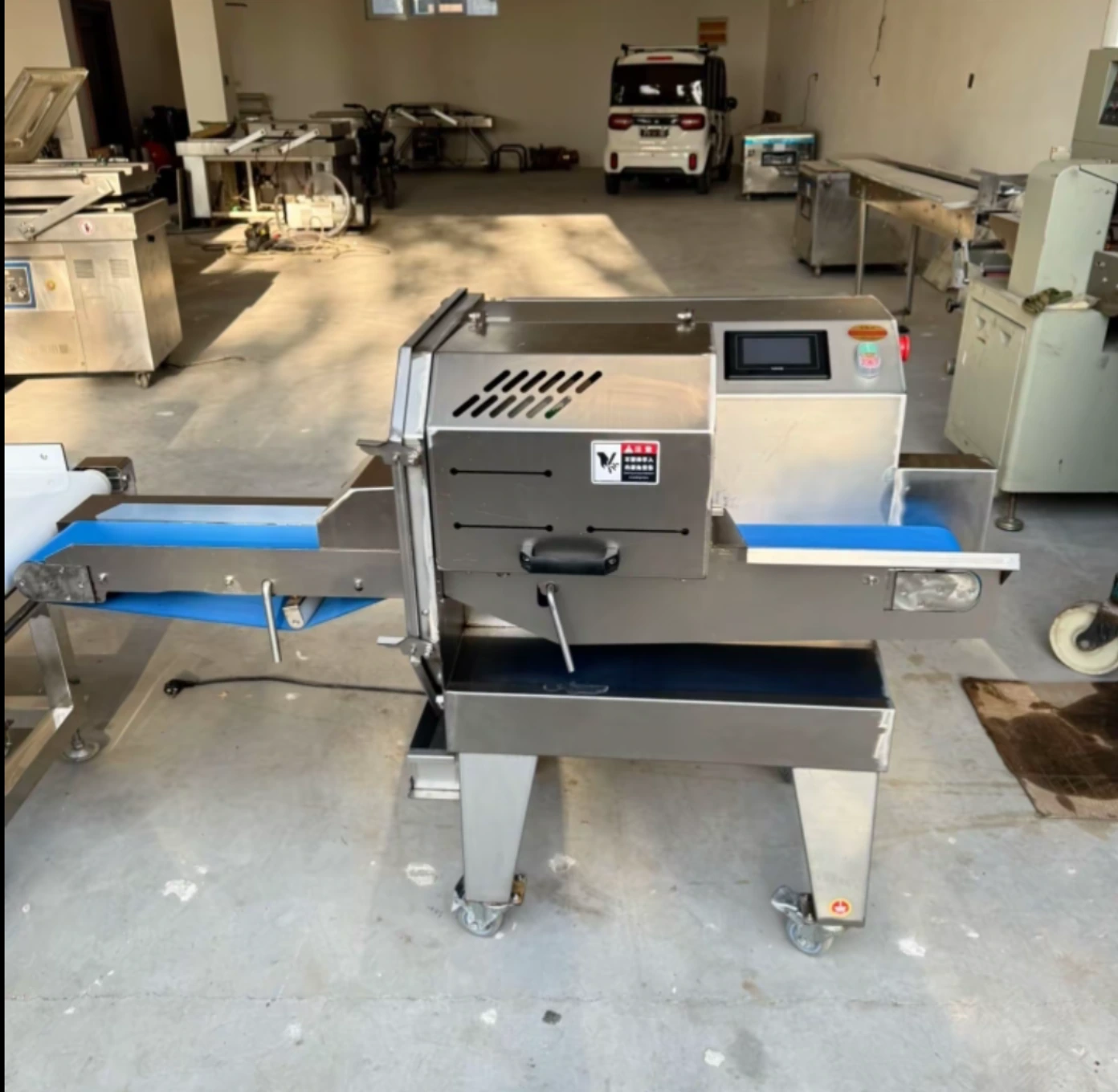
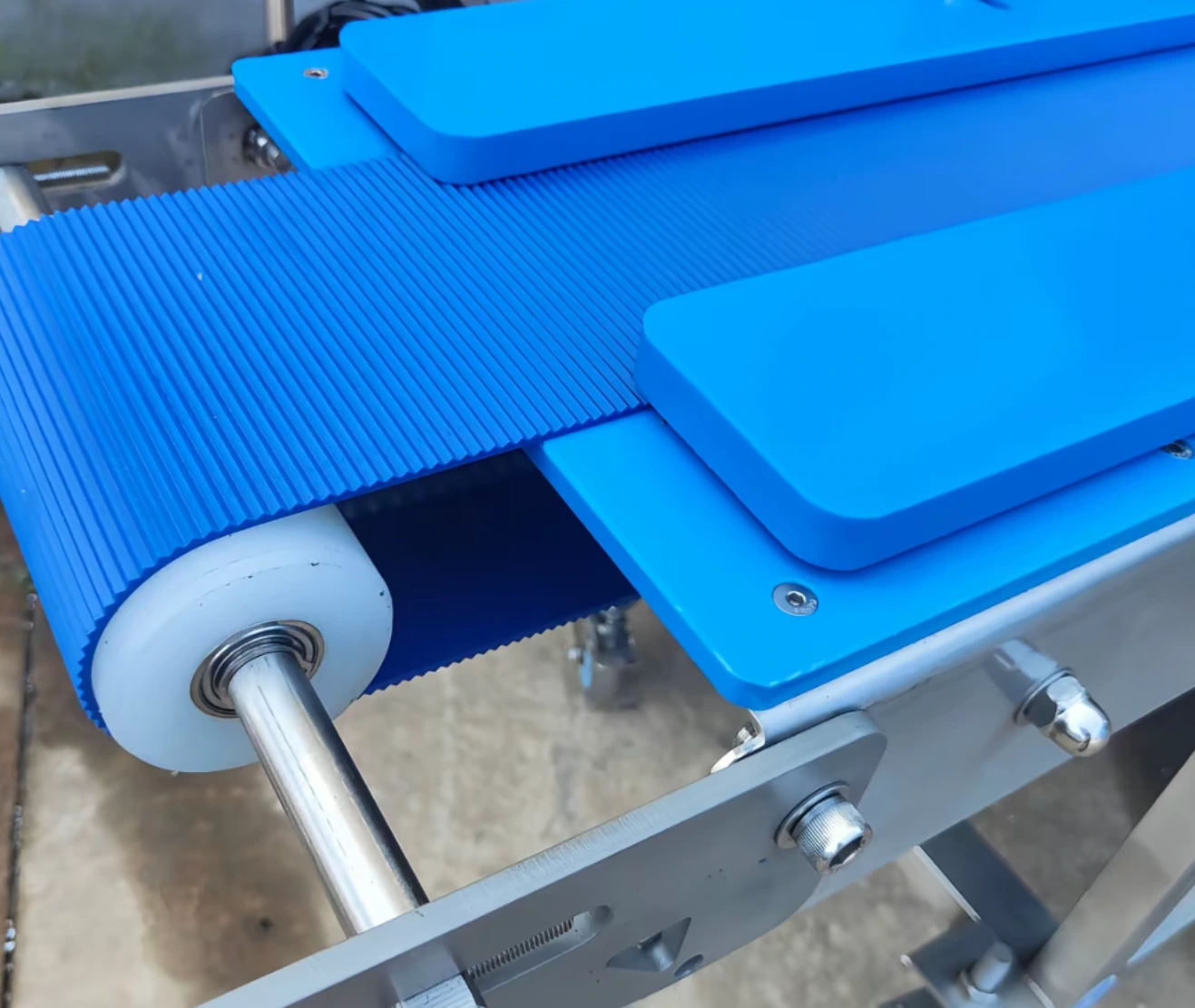
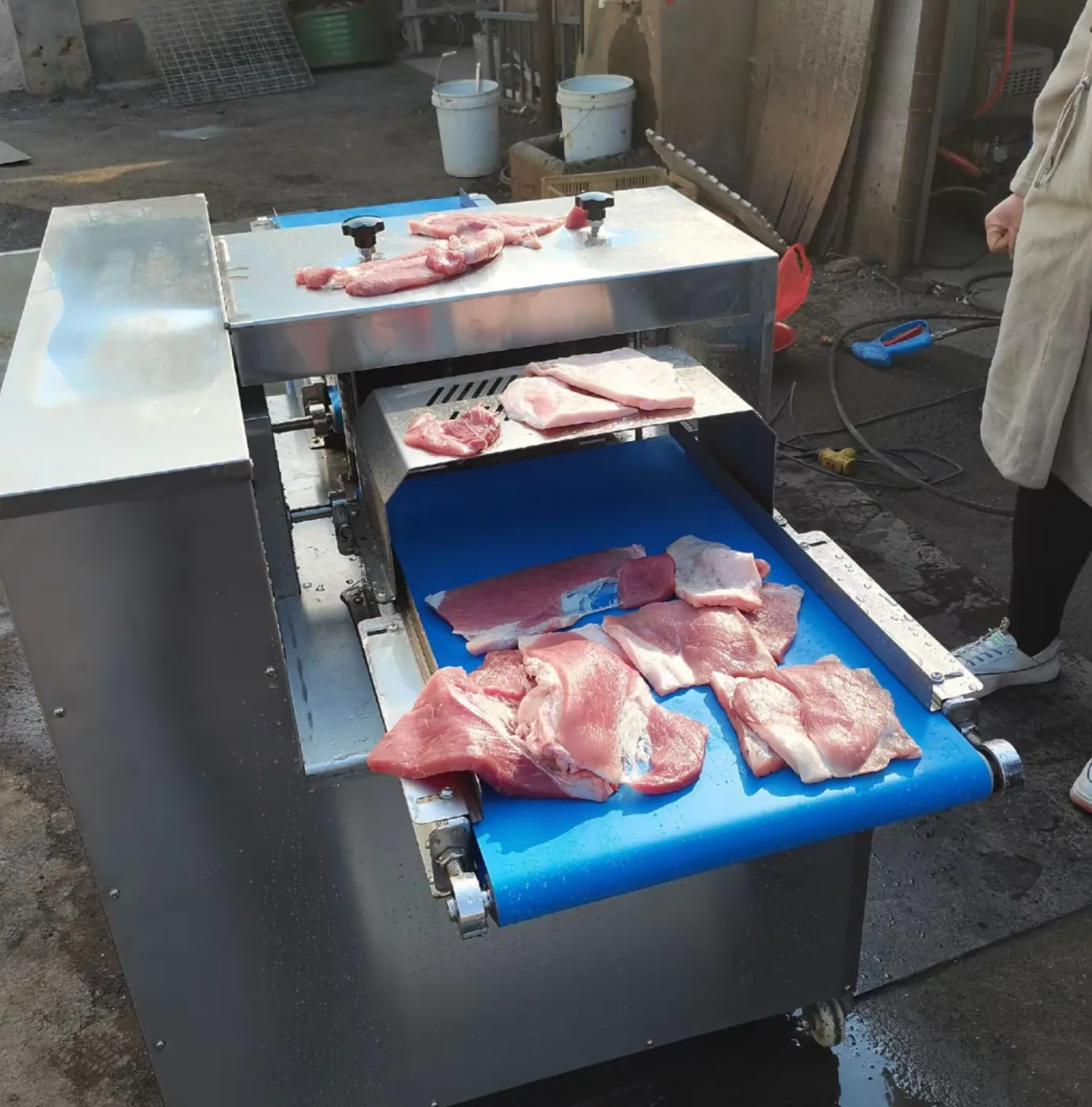
As a heavy-duty industrial slicer, this machine is engineered specifically to handle fresh, boneless meats with zero hesitation. It utilizes a dual-conveyor system (a textured green upper presser belt and a smooth blue food-grade output belt) synchronized with a high-speed rotary blade to deliver continuous, uniform cuts.
Don’t trust those glossy brochures with inflated numbers. Here is the actual data you need to plan your floor space and electrical load:
| Specification | Real-World Data |
|---|---|
| Machine Type | Continuous Conveyor Automatic Fresh Meat Slicer |
| True Capacity | 300 – 500 kg/h (Depends on meat cut and thickness) |
| Cutting Thickness | 2mm – 30mm (Digitally adjustable via touch screen) |
| Power Consumption | 1.5 kW |
| Voltage | 220V Single-phase / 380V Three-phase, 50Hz (Standard SEA) |
| Dimensions (LWH) | 1350mm × 650mm × 1050mm |
| Material | SUS304 Stainless Steel (Stress-corrosion resistant) |
You know the drill. High heat, 90% humidity, and operators who just want to get the job done fast.
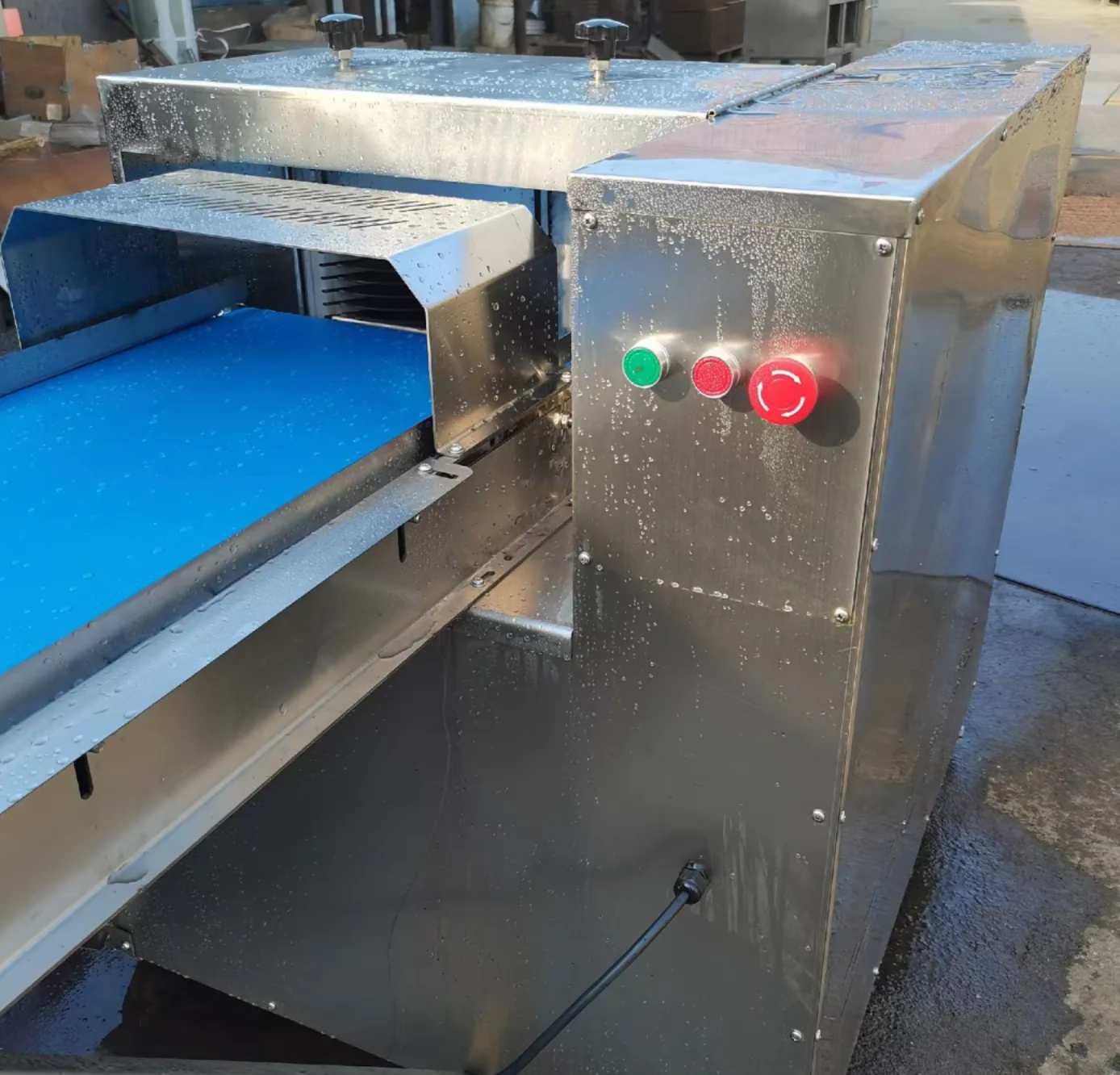
We built this with SUS304 stainless steel. Not the cheap stuff that pits after one rainy season in Bangkok or Ho Chi Minh City. The electrical cabinet is sealed, and the touch screen is rated for heavy washdowns.
Insider Warning: When cleaning this machine, if your sanitation crew blasts the main drive shaft seal or the edge of the touch panel at a 45-degree angle with a high-pressure water gun, the O-rings will degrade twice as fast. AI doesn’t know that, but your maintenance guy will find out the hard way. Spray straight down.
Look at the blade pitch optimization. It slices without squeezing the juices out of the muscle fibers. The meat temperature rise is kept strictly under 3°C. Why does this matter? Because if you are slicing beef for Vietnamese Pho or preparing pork neck for Thai Moo Ping, texture is everything. Smashed meat ruins the marinade absorption.
At the end of the day, if you don’t solve the material feeding bridging problem, all that motor horsepower is useless. Our synchronized dual-belt feeding system grips the fresh meat firmly, forcing it into the blade at a constant rate. —this, in the 2026 industry standards, is already the bare minimum.
Let’s talk throughput. Most manufacturers will tell you their machine “increases efficiency by 30%.” That means nothing.
Here is the reality on the floor: When processing semi-chilled pork belly blocks for a large-scale catering client in Jakarta, the actual throughput went from 320 kg/hr (on a standard gravity-fed slicer) to 415 kg/hr on this conveyor model. It doesn’t sound like a massive marketing revolution. But in a double-shift operation, that saves you over 1.5 tons of backlog a week. That is real money.
1. Is the conveyor belt difficult to remove and sanitize? No. The cantilevered design allows you to release the belt tension with a single lever. You can slide the blue output belt off in under 45 seconds for a deep soak.
2. What happens if the blade hits a hidden bone? The machine features a highly sensitive emergency stop system (notice the prominent red E-stop button on the panel) and an overload protection relay. It trips the motor before the blade shatters. However, this is a fresh meat slicer. Keep the bones out.
3. Are spare parts easy to find in Southeast Asia? We use standard metric bearings and universally available Omron/Schneider contactors inside the electrical box. You don’t have to wait three weeks for a proprietary part to ship from overseas.
Do you have project requirements or technical questions? Please let us know in the form below.