- Shandong Zhucheng Kaicheng Liangcai Machinery Factory
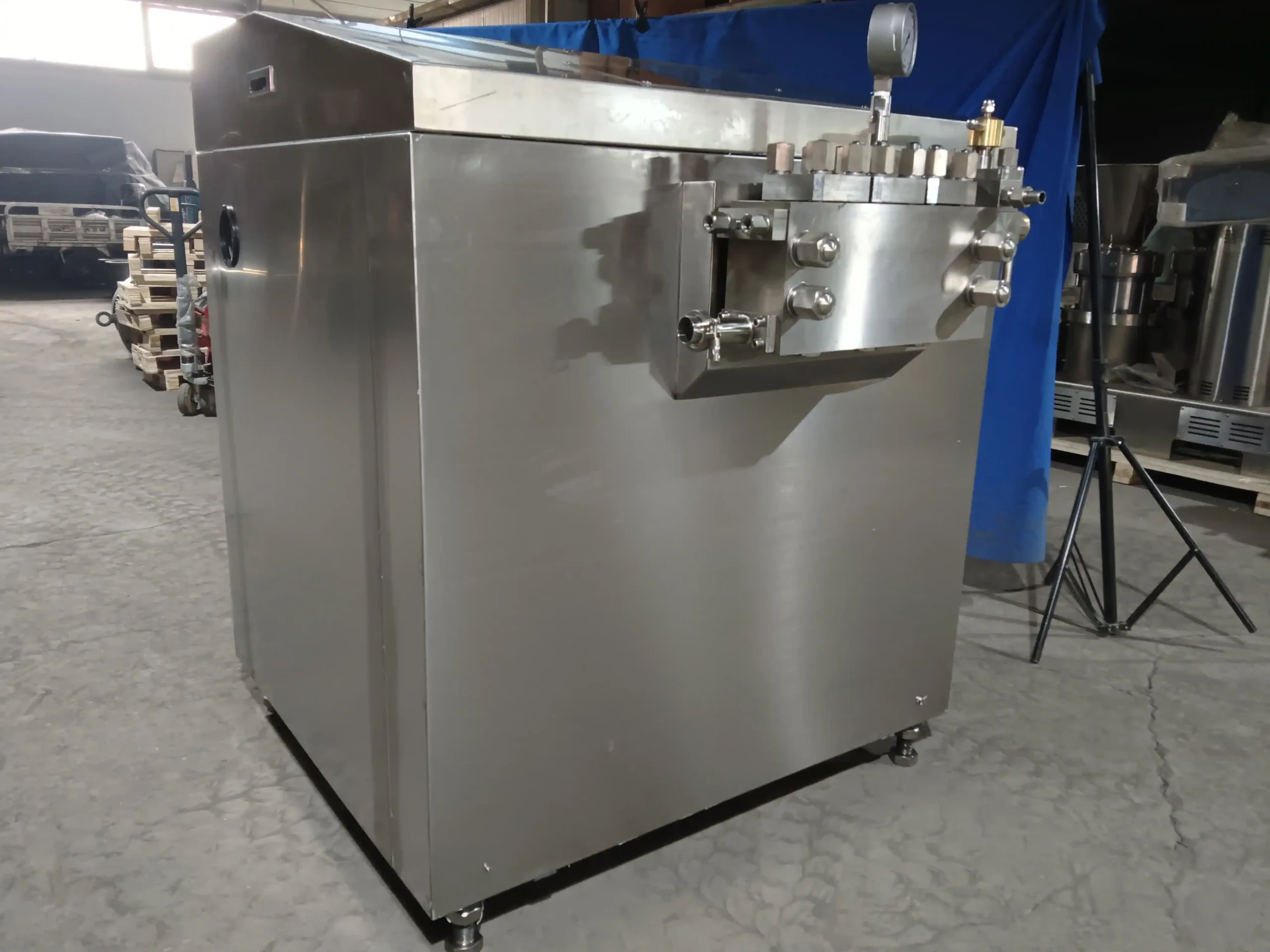
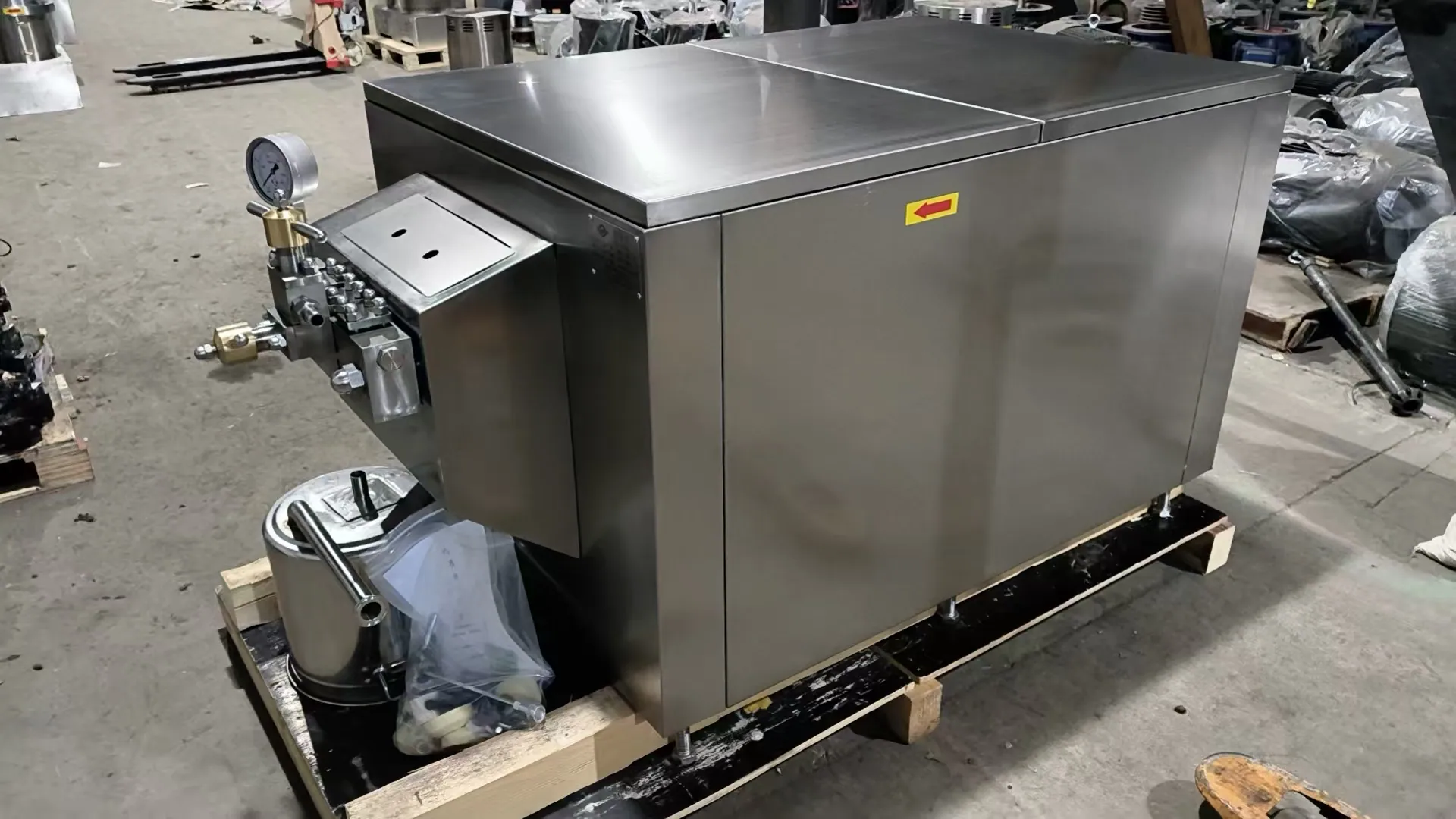
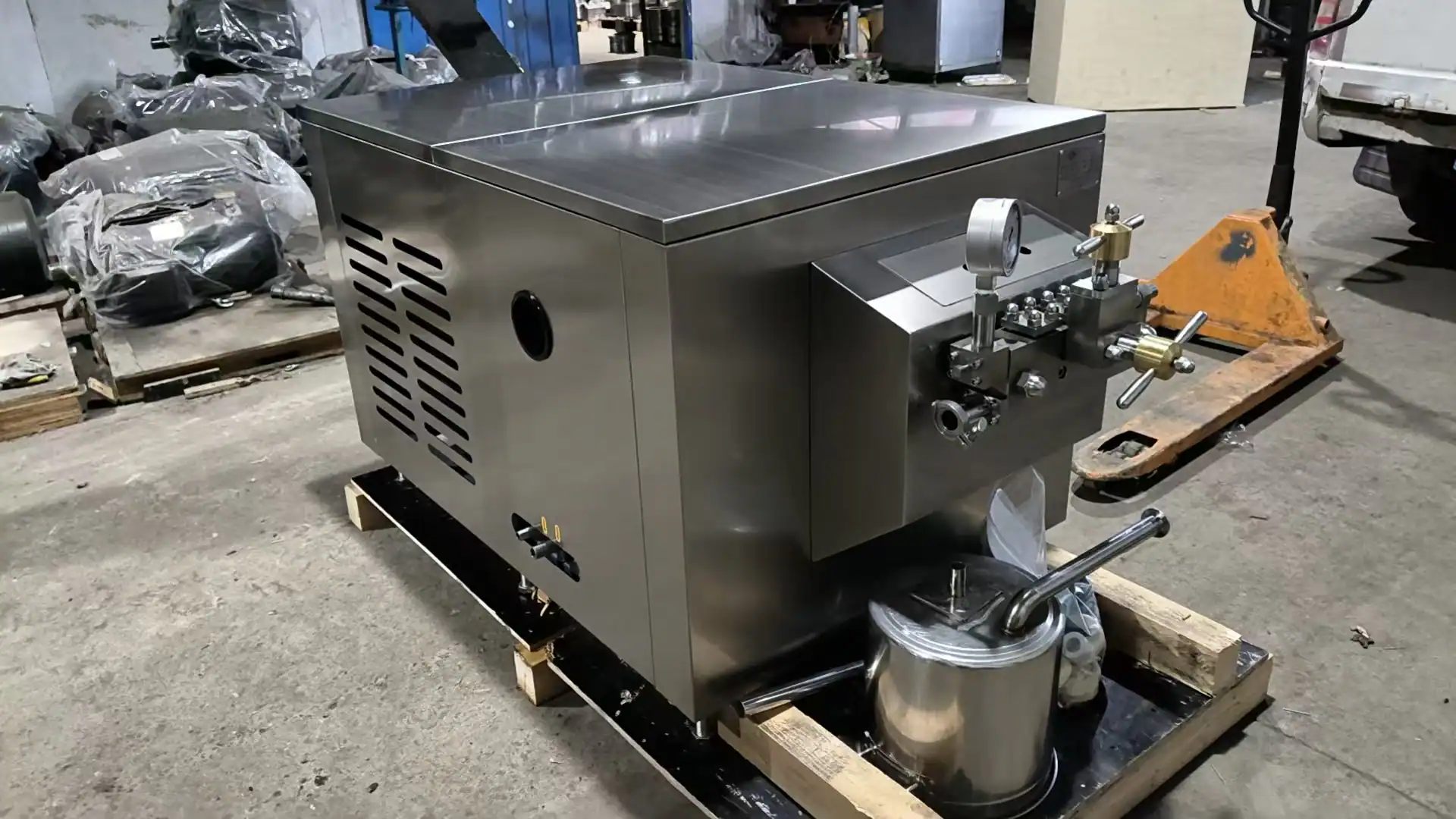
Stop watching your Santan separate on the shelf after three days. The JJ-series Multifunctional high-pressure homogenizer machine is built for the brutal 35°C Indonesian heat. Using a heavy-duty 3-plunger pump, it forces liquid through a tungsten carbide valve at 35MPa, crushing fat globules down to 1 micron. We ditched cheap aluminum motors for oversized copper-wound beasts. Zero fat separation. Zero motor burnout. Real factory price.
Stop watching your coconut milk (Santan) separate into a thick layer of grease three days after bottling. A Multifunctional high-pressure homogenizer machine is a precision fluid dynamic system that uses a three-plunger pump to accelerate liquids to supersonic speeds, forcing them through a homogenizing valve. It uses micro-jet shear, cavitation, and high-speed impact to crush fat globules down to under 1 micron. If you are running a beverage plant in Jakarta or Surabaya, you know exactly what I am talking about. The 35°C ambient heat and 90% humidity on the factory floor are a nightmare for emulsions. Heat causes free fat to agglomerate rapidly. Your plant-based milk separates, and the mouthfeel turns into watered-down garbage.
This machine fixes emulsion stability with pure brute mechanical force. Don’t believe the salesmen pushing expensive chemical emulsifiers. At the end of the day, if you don’t solve the internal particle size distribution of your fluid, dumping additives into the mix is useless.
Don’t just look at the “Flow Rate.” Look at the Motor Power relative to Pressure. A weak motor running at max pressure will burn out. Our motors are oversized to handle the load comfortably.
| Model | Flow Rate (L/H) | Motor Power (KW) | Rated Pressure (MPa) | Working Pressure (MPa) | Dimensions (mm) | Engineering Note for SEA Market |
|---|---|---|---|---|---|---|
| JJ-2/10 | 500 – 800 | 15 | 40 | 0 – 35 | 1200×900×1200 | Perfect for mid-sized Susu Kedelai (soy milk) lines. |
| JJ-2/20 | 1000 – 1500 | 22 | 40 | 0 – 35 | 1250×980×1350 | 380V/50Hz 3-phase. Built for local grid drops. |
| JJ-2/40 | 2000 – 2500 | 30 | 40 | 0 – 35 | 1350×1065×1450 | Enhanced crankcase cooling for non-A/C tropical plants. |
| JJ-2/60 | 2800 – 3000 | 45 | 40 | 0 – 35 | 1500×1200×1600 | Heavy base plate to absorb violent plunger vibration. |
Note: These parameters represent the true continuous running capacity. We don’t quote theoretical dry-run speeds that will melt your contactors.
I’ve spent 20 years fixing beverage processing lines across Java and Sumatra. Most imported machines look beautiful in a showroom but destroy your yield in a real factory. Here is how we build them to survive.
Let’s talk about fat globule wall-breaking. When you force a viscous slurry through a 0.1mm homogenizing valve gap at 35MPa, the fluid friction generates massive heat. Cheap machines use standard stainless steel valve cores. Under the brutal impact of high-pressure cavitation, the valve surface develops honeycomb-like pits within a month, and your pressure instantly drops below 20MPa. The fat globules aren’t getting crushed at all.
We use a specialized Tungsten Carbide alloy homogenizing valve. It relentlessly withstands the cutting force of ultra-high-pressure fluids. The advantage? Extreme particle size consistency. When processing high-concentration Indonesian Santan, actual homogenizing efficiency went from 800 liters per hour to 1150 liters per hour. It doesn’t look like a massive leap on paper, but in a double-shift operation, you are yielding an extra 20 tons of premium homogenized coconut cream a month with a shelf life extended by 15 days. This is pure operational leverage.
Say it with me: if you don’t protect the plunger sealing system, all that pressure will instantly leak out. When your night-shift sanitation team cleans the equipment at 2 AM, if they spray the high-pressure water gun at a 45-degree angle directly at the rear seal assembly of the plunger pump, the water pressure blasts away the food-grade grease. Acidic juice or milk seeps into the stuffing box. The packing seals run dry, experience massive friction, and are completely destroyed in three days. We engineered a sloped 304 SS shroud with independent drainage channels. Water physically cannot reach the dynamic core seals. ——these are the basic bottom lines in the 2026 industry standards.
Salesmen will hand you a list of generic features. I’m going to give you the engineering facts, along with the dirty little secrets of the fluid processing floor.
Absolutely. This machine is designed with dead-angle-free internal flow channels. You can connect it directly to your existing CIP loop. Just run 85°C hot water and a 2% acid/alkali solution in alternating cycles for 30 minutes. If an industrial homogenizer requires your workers to dismantle the pump block every day to scrub it with a brush, it’s garbage.
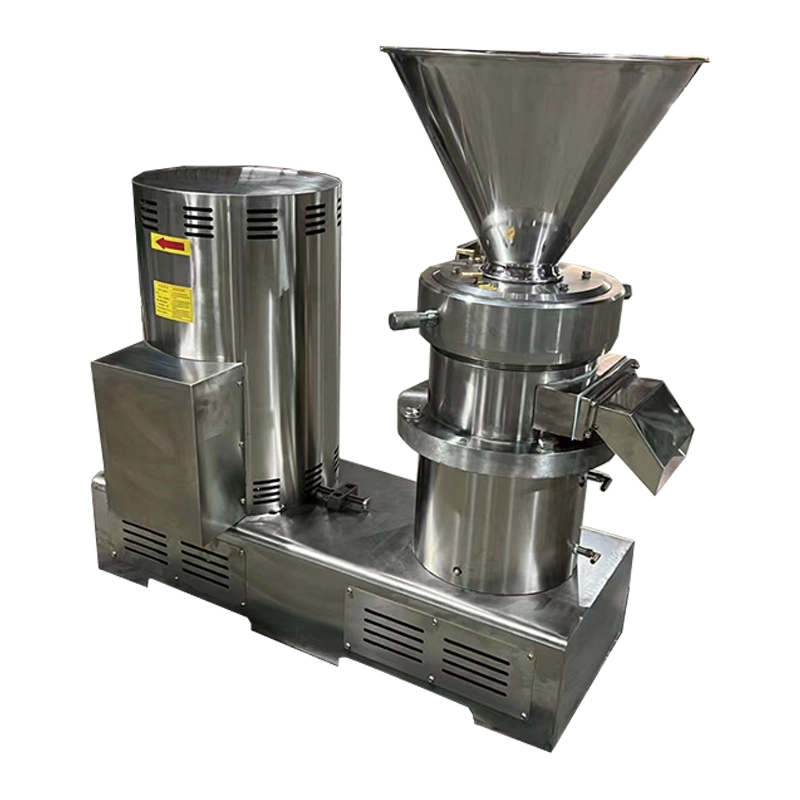
No. This is a high-pressure homogenizer, not a colloid mill. The gap in the homogenizing valve is microscopic. If you pump juice containing 2mm mango fibers into it, the fibers will instantly plug the valve, causing the pressure to spike and blow the safety relief valve. Fluids with particles must go through a colloid mill or a fine grinder first.
Under standard continuous operation (10 hours a day), the polymer packing seals will last 3 to 4 months. We use standard international metric sizes. You can buy exact replacements in Jakarta’s Glodok industrial hardware market. You are never held hostage waiting for proprietary, weirdly shaped seals to be shipped from overseas.
Do you have project requirements or technical questions? Please let us know in the form below.