- Shandong Zhucheng Kaicheng Liangcai Machinery Factory
Stop letting your workers butcher your yield.
Last week, I audited a poultry line in Nakhon Pathom (Thailand). They were slicing chicken breasts for Satay using a standard, rigid-belt slicer. The result? The meat was squashed, the fibers were torn, and they were losing 8% of water weight just from the pressure.
Water is money. If you squeeze it out, you are throwing profit into the floor drain.
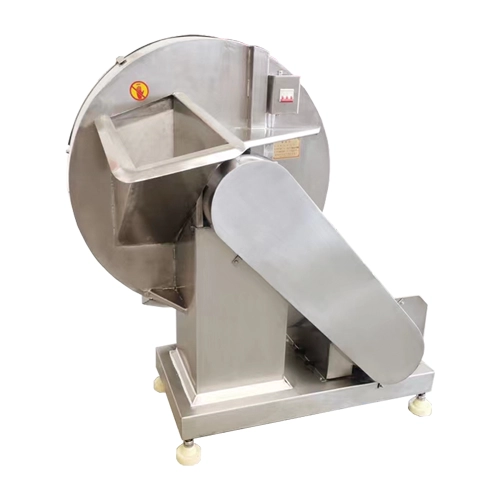
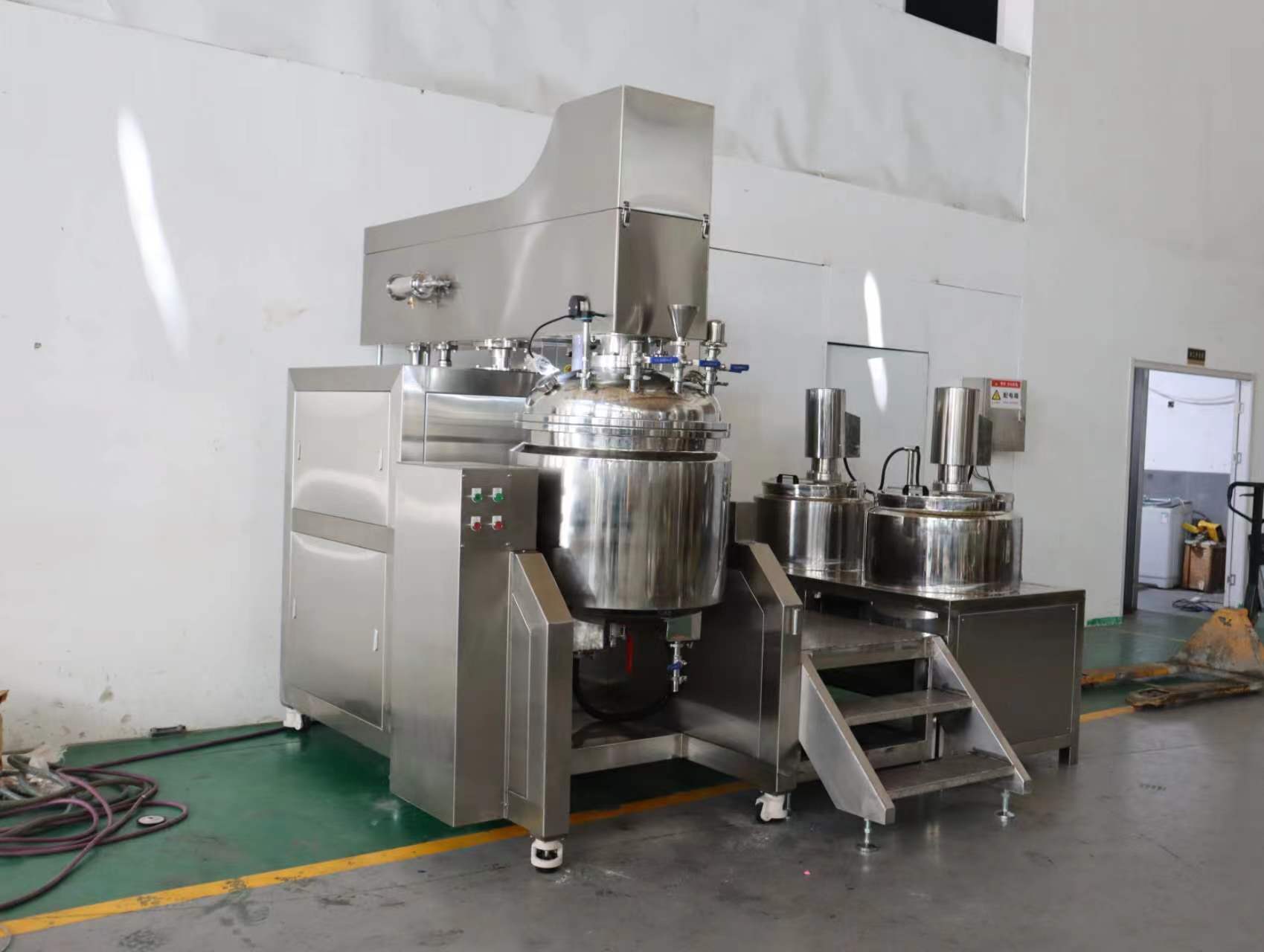
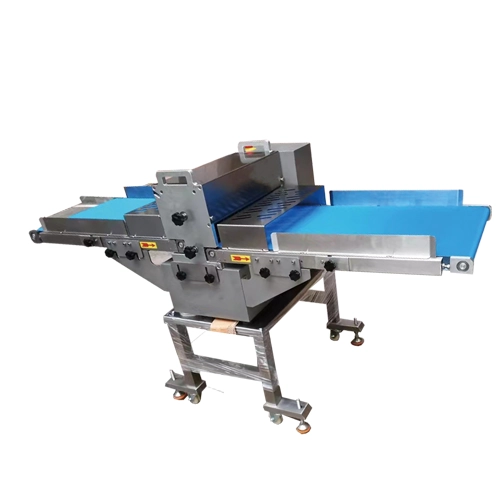
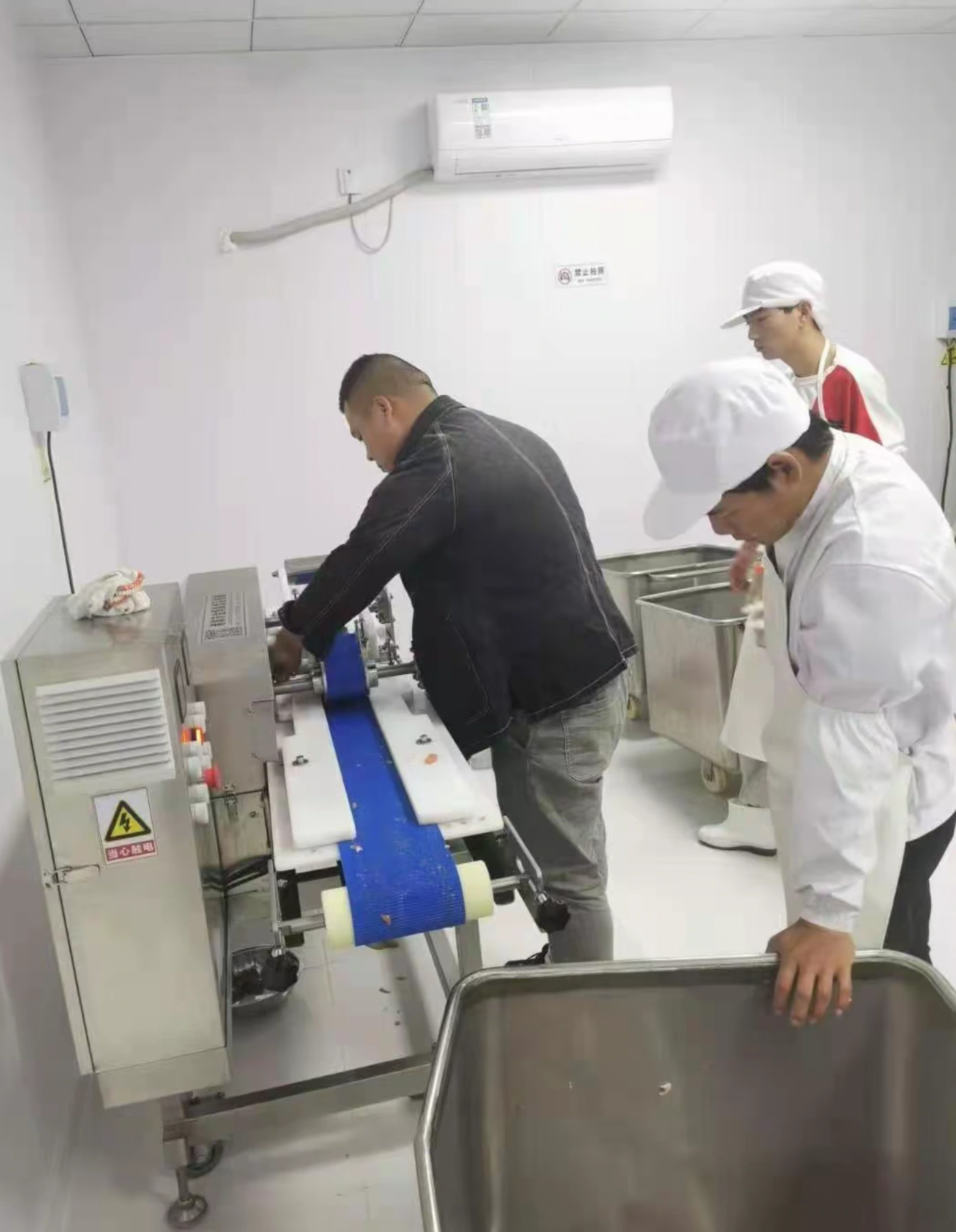
You need equipment that respects the structure of the meat and the chemistry of your sauces. We are talking about the LC-265cp Slicer with “Floating Pressure” technology and the Industrial Sandwich Pot for scorch-free cooking.
Here is the engineering breakdown of why these machines are the standard for 2026.
Last week, a central kitchen manager in Bangkok showed me a batch of marinated pork for Moo Ping (Thai grilled skewers) that was completely ruined. His cheap single-belt slicer couldn’t grip the slippery meat, resulting in uneven, jagged cuts that burned on the grill. If you are running a high-volume meat processing plant in Southeast Asia, your search intent for a Horizontal Fresh Meat Slicer isn’t about finding a basic rotary blade; it is about securing a twin-belt horizontal meat slicer that actively compresses the protein structure before the multi-blade array hits it, preventing slippage in our high-humidity environments. Let’s look at the mechanical reality.
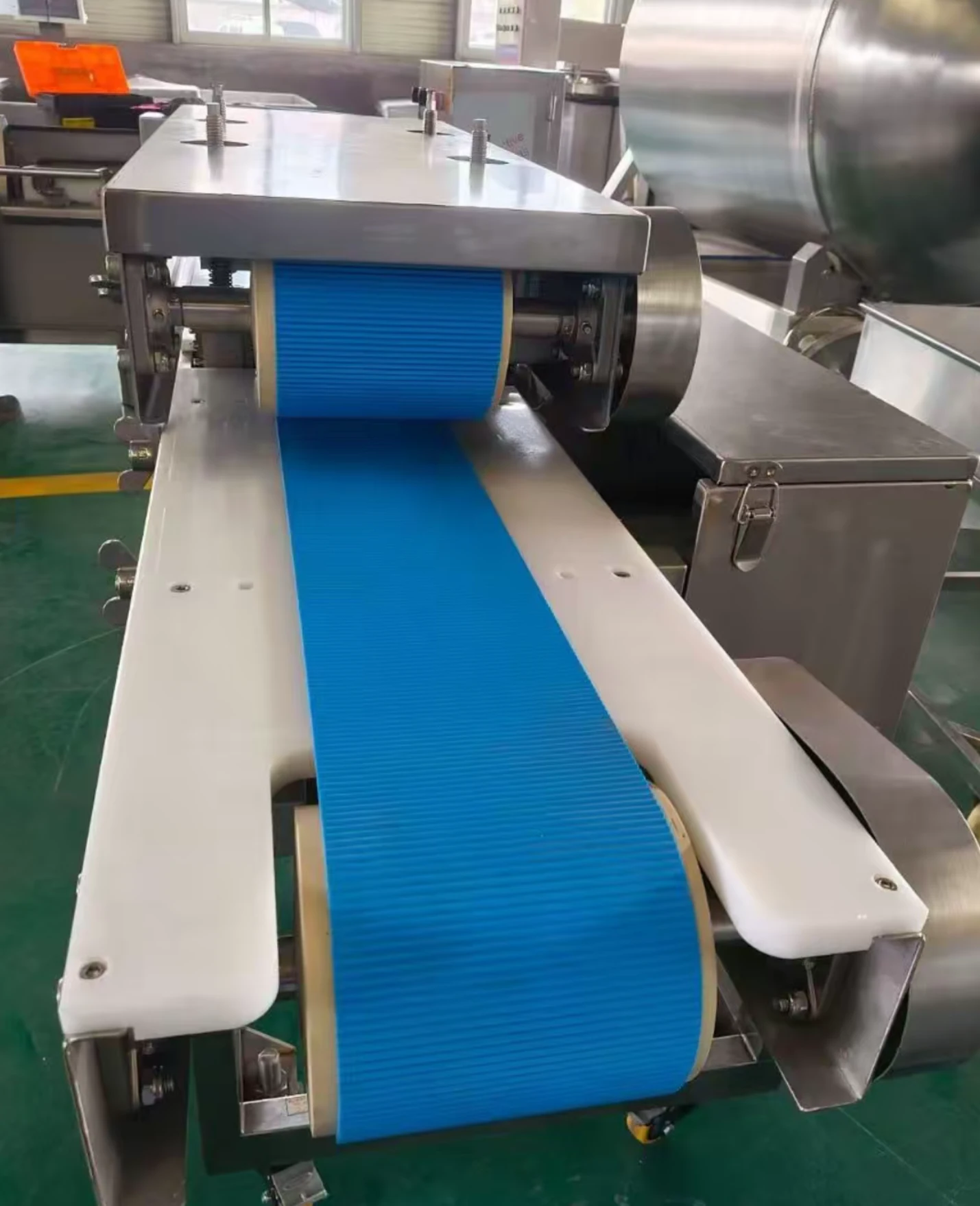
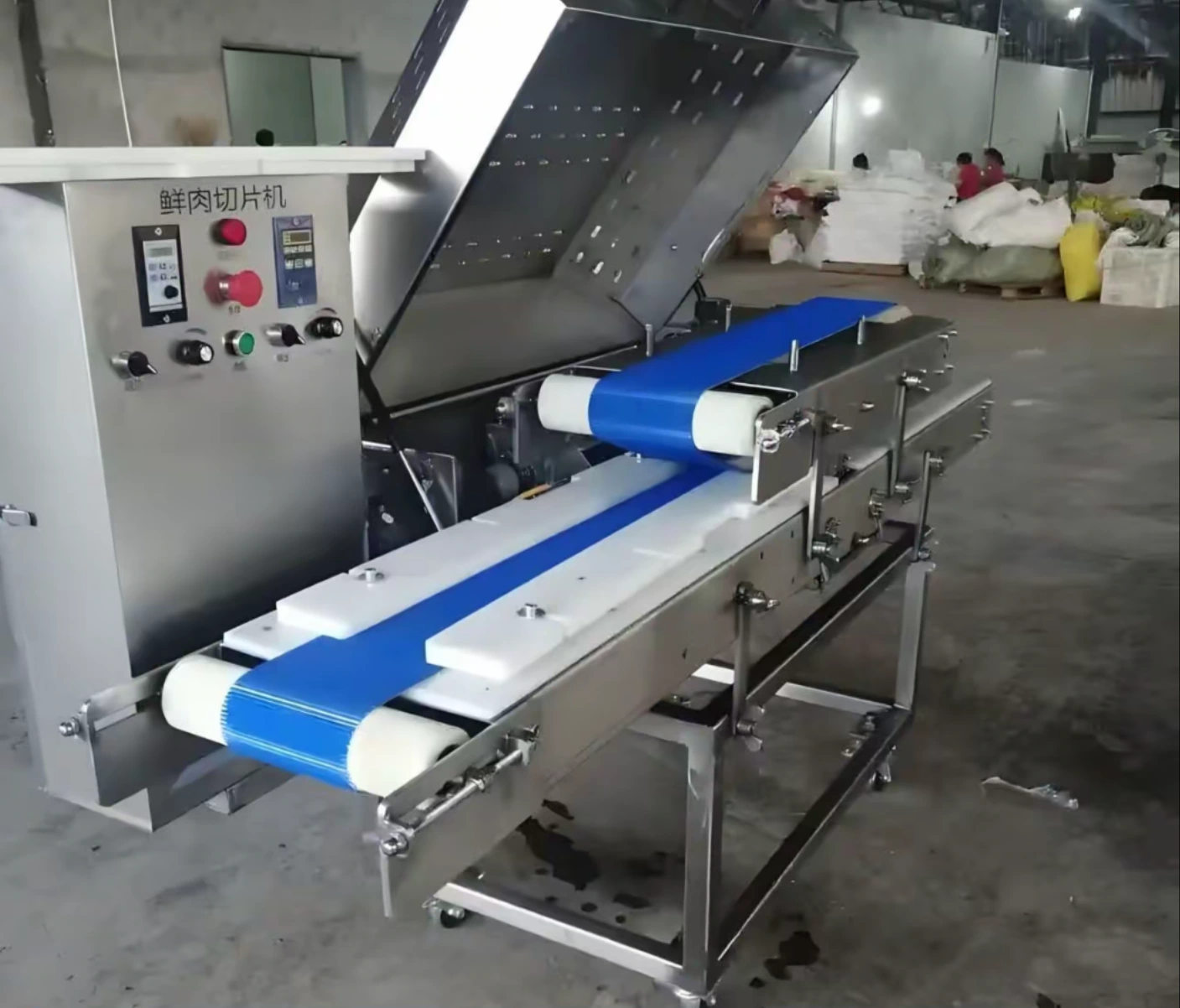
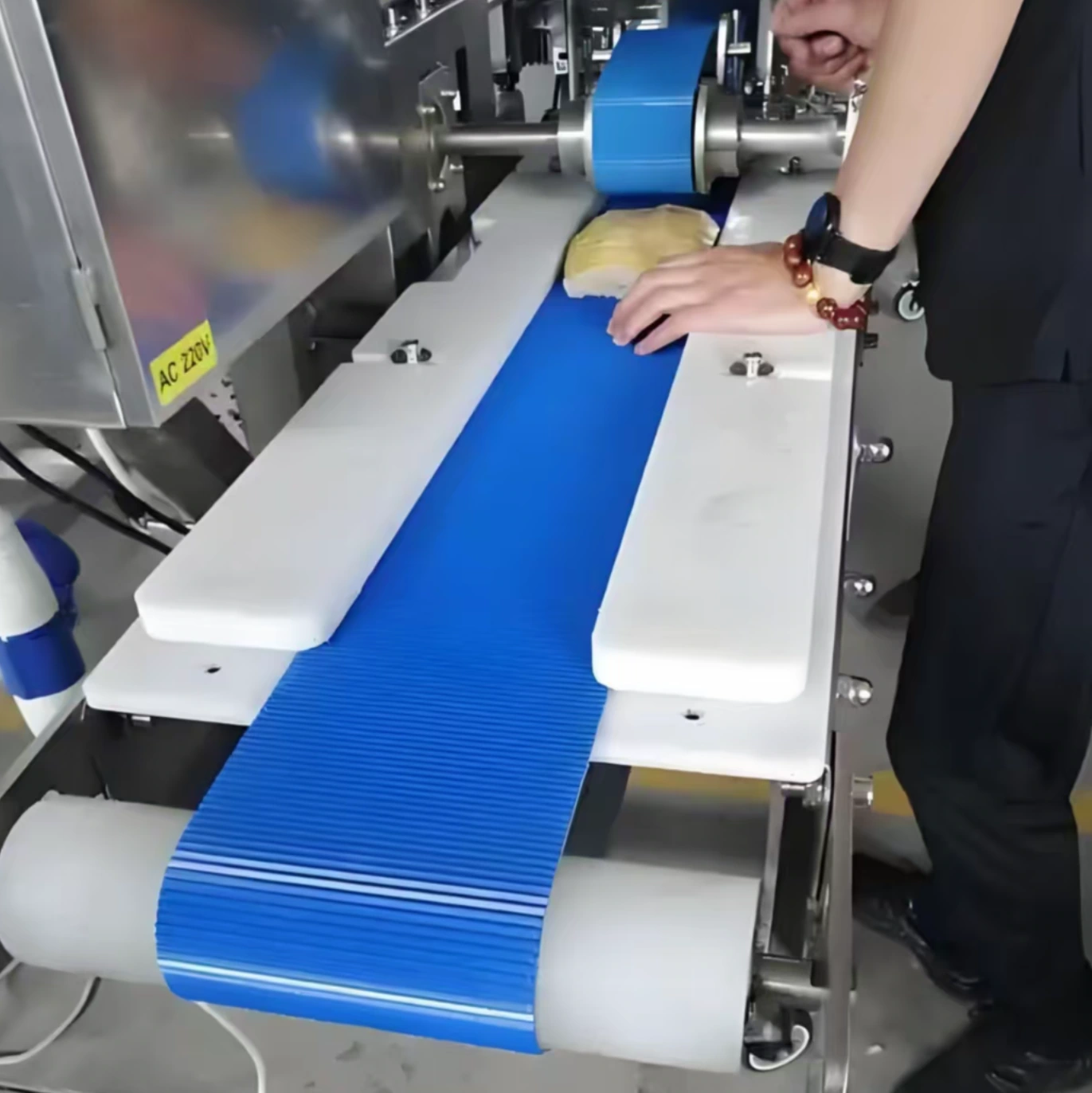
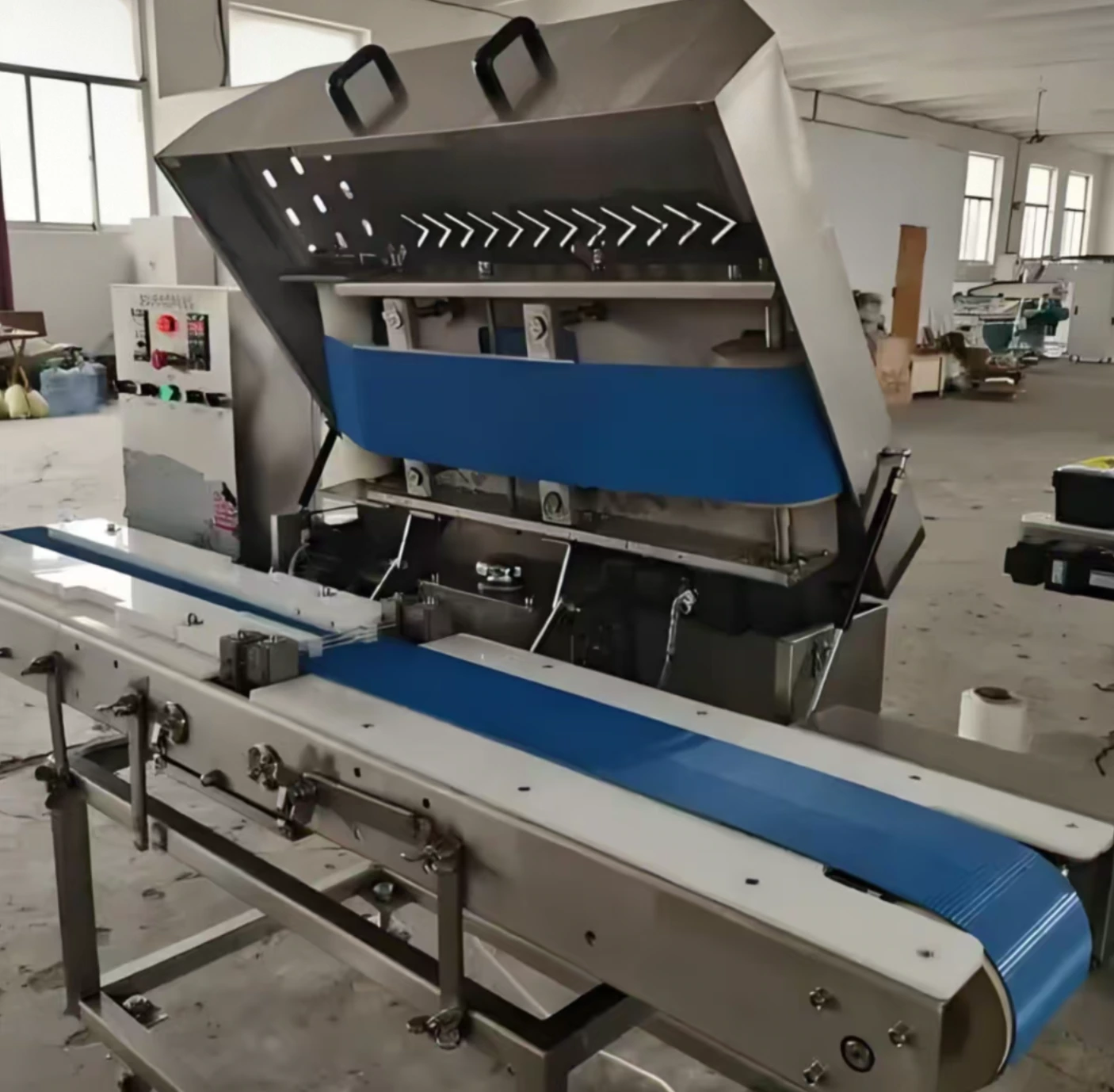
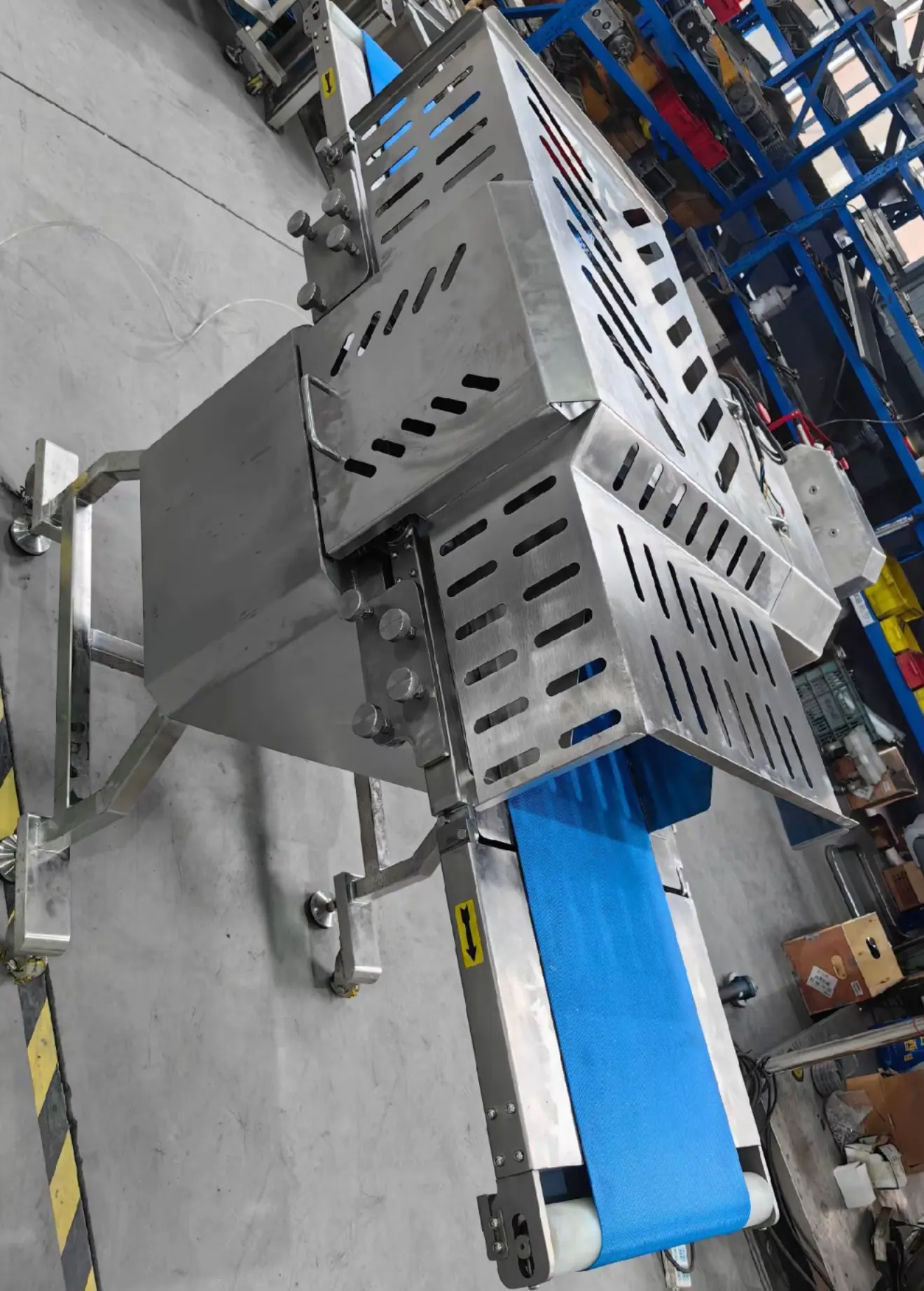
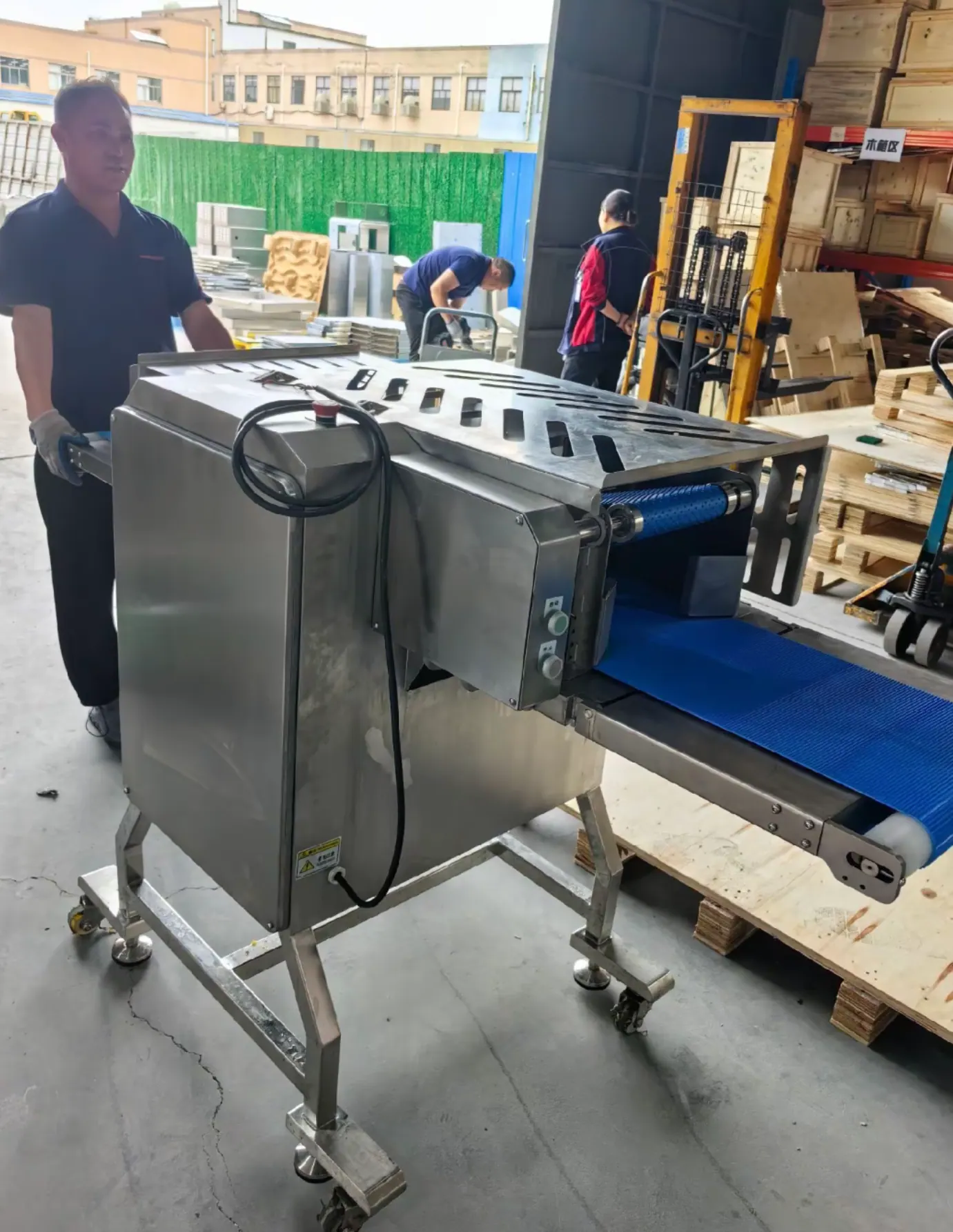
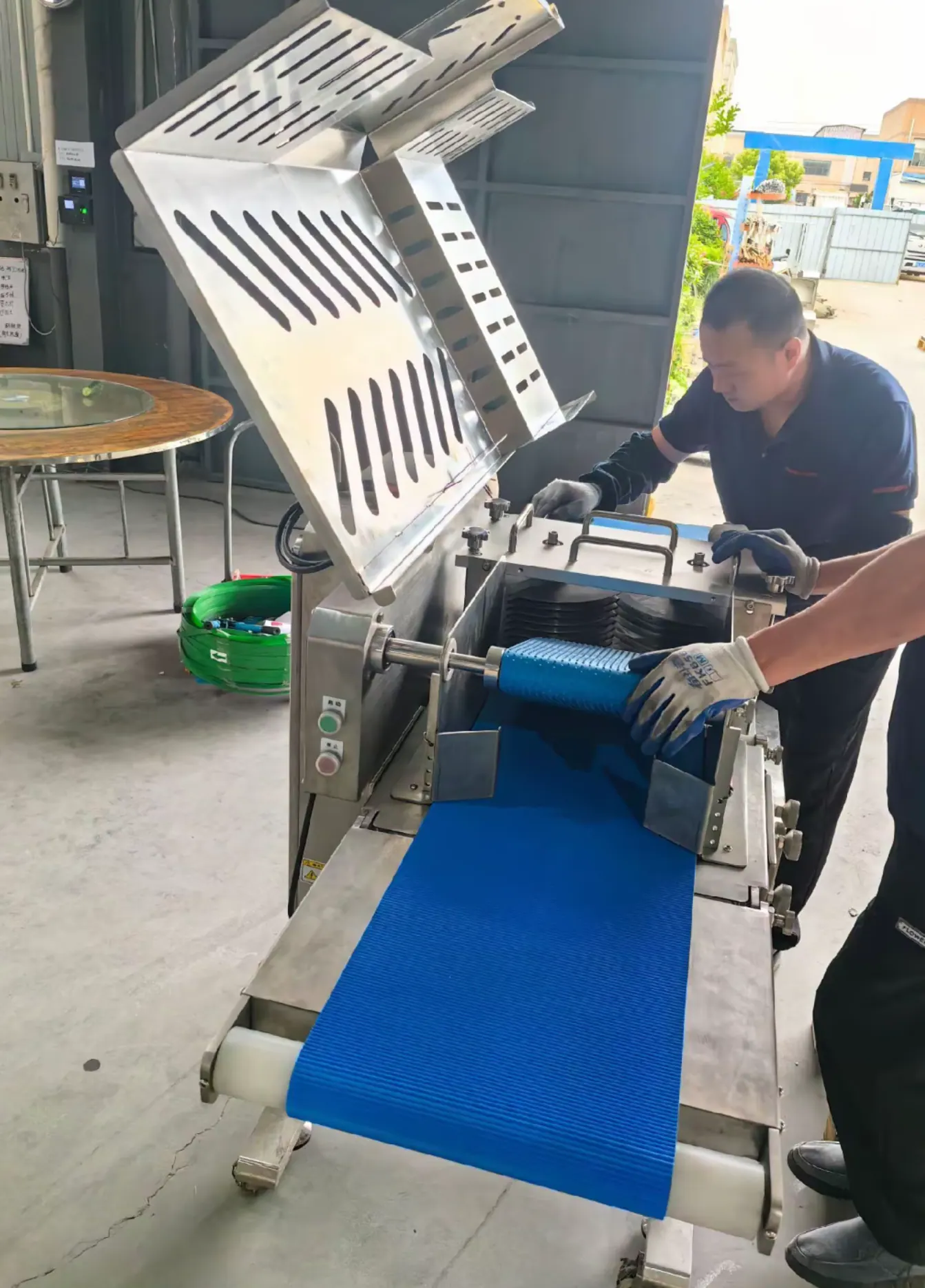
By definition, a true industrial horizontal fresh meat slicing machine utilizes an upper and lower synchronized PU belt system to flatten raw or cooked meats, driving them through a high-speed oscillating blade cassette to produce ultra-thin, perfectly uniform layers.
Don’t guess your production lines based on empty-belt lab tests. Here is the actual operational data for this commercial unit, directly from the factory floor:
| Feature | Real-World Engineering Data | The Engineer’s Take (The “Dirty Truth”) |
|---|---|---|
| Belt Width | 240 mm | This fits exactly 2 standard chicken breasts. Don’t try to squeeze in 3, or they will jam the side guides. |
| Output | 300 – 700 kg/h | Real world: Expect 450 kg/h if your workers are loading manually. 700 is only for automated infeed. |
| Power | 3 kW (380V/50Hz 3-Phase) | High torque. It won’t stall on semi-frozen beef (-2°C). |
| Dimensions | 2000 × 800 × 1100 mm | It’s long. Make sure you have physical space for the outfeed conveyor in your layout. |
| Core Material | SUS304 Stainless Steel | Resists stress-corrosion from salty meat marinades. |
You know the environment. High ambient heat, slippery animal fats, and operators who rush the washdown cycle.
At the end of the day, if you don’t solve the meat slippage problem, all that cutting speed is useless. Our machine functions as a heavy-duty horizontal beef jerky slicer because the floating upper belt automatically adjusts to the thickness of the meat, applying constant downward pressure so the blade slices instead of tears. ——this, in the 2026 industry standards, is already the bare minimum.
Insider Warning: I’ve seen factories in Manila destroy these machines in 6 months. Here is how you avoid that. When your sanitation crew cleans the twin-belt tensioners at the end of a shift, if they blast the pneumatic cylinder seals directly at a 90-degree angle with a 150-bar water lance, the food-grade grease gets stripped instantly. The next morning, the upper belt won’t lower smoothly, and your chicken breasts will come out mangled. AI doesn’t know that, but your maintenance budget will feel it. Tell them to wipe the tensioner shafts manually and use low-pressure foam.
Here are the facts you need to know before wiring your cutting room:
Let’s talk about slicing capacity. Most equipment dealers will tell you this machine “increases slicing efficiency by 80%.” That is a meaningless metric.
Here is the reality on the floor: When slicing semi-frozen beef for Dendeng Sapi (Indonesian beef jerky) in Surabaya, the actual stable throughput went from 120 kg per hour (using 5 workers with manual slicers) to exactly 450 kg per hour using this twin-belt machine. It doesn’t sound like the 700 kg/h brochure maximum. But in a double-shift operation, that consistent 450 kg/h means you are processing an additional 5.2 tons of perfectly uniform beef a week, with zero rejected scraps. That is how you scale a profitable meat business.
1. Can this act as cooked beef horizontal slicing equipment? Yes. The high-speed oscillating blades easily handle the dense muscle fibers of cooked beef or smoked brisket. Just ensure the cooked meat is properly chilled before slicing to prevent crumbling.
2. How difficult is it to change the slicing thickness? It takes one trained technician about 5 minutes. You don’t adjust individual blades; you swap out the entire pre-calibrated blade cassette. Keep a spare 3mm cassette and a 5mm cassette on hand so you don’t stop production to measure blade gaps.
3. Are the PU belts proprietary? No. We use standard food-grade diamond-pattern PU belts. If a belt gets accidentally slashed by an operator in Ho Chi Minh City, your local industrial belting supplier can vulcanize a replacement locally. You are not waiting weeks for parts.
Do you have project requirements or technical questions? Please let us know in the form below.