- Shandong Zhucheng Kaicheng Liangcai Machinery Factory
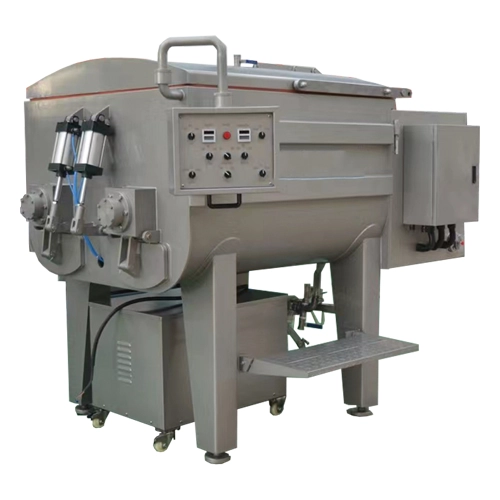
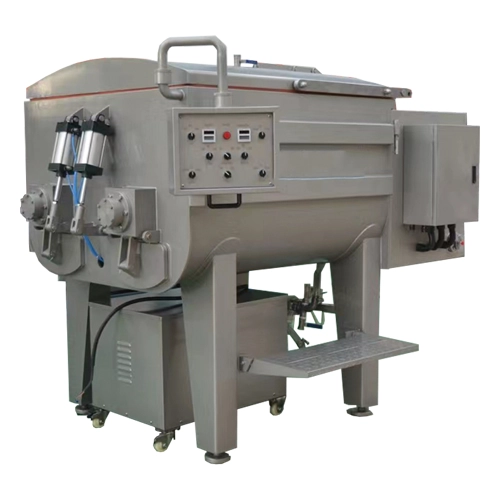
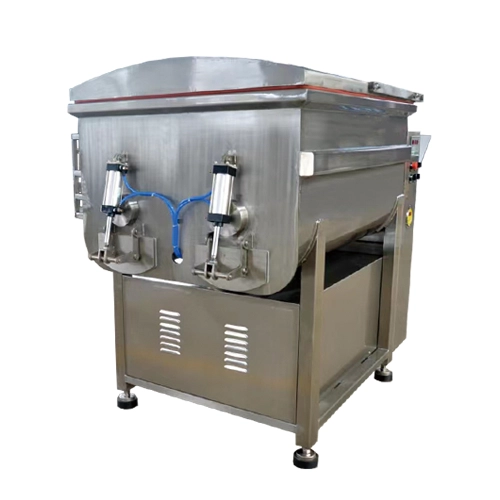
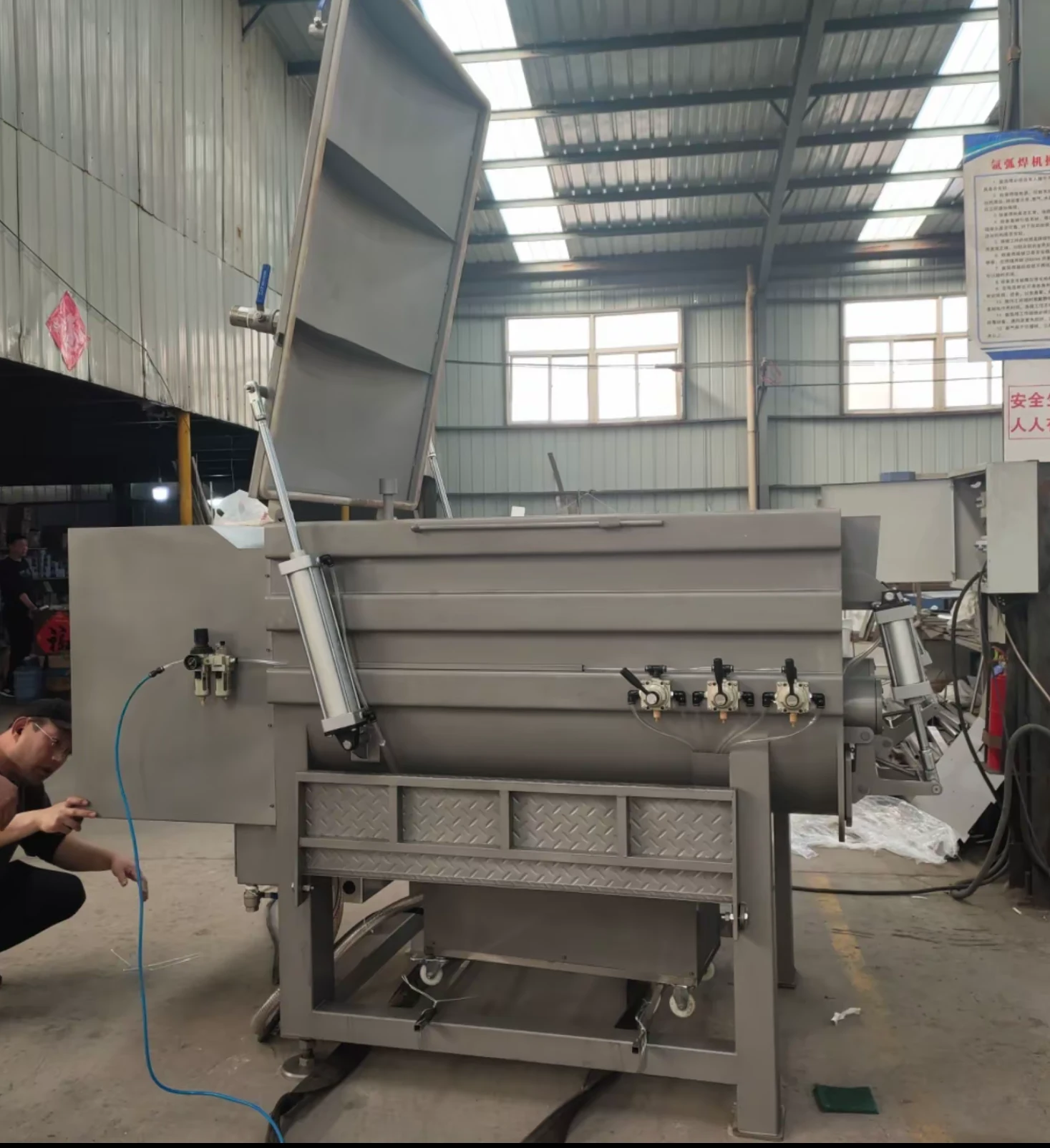
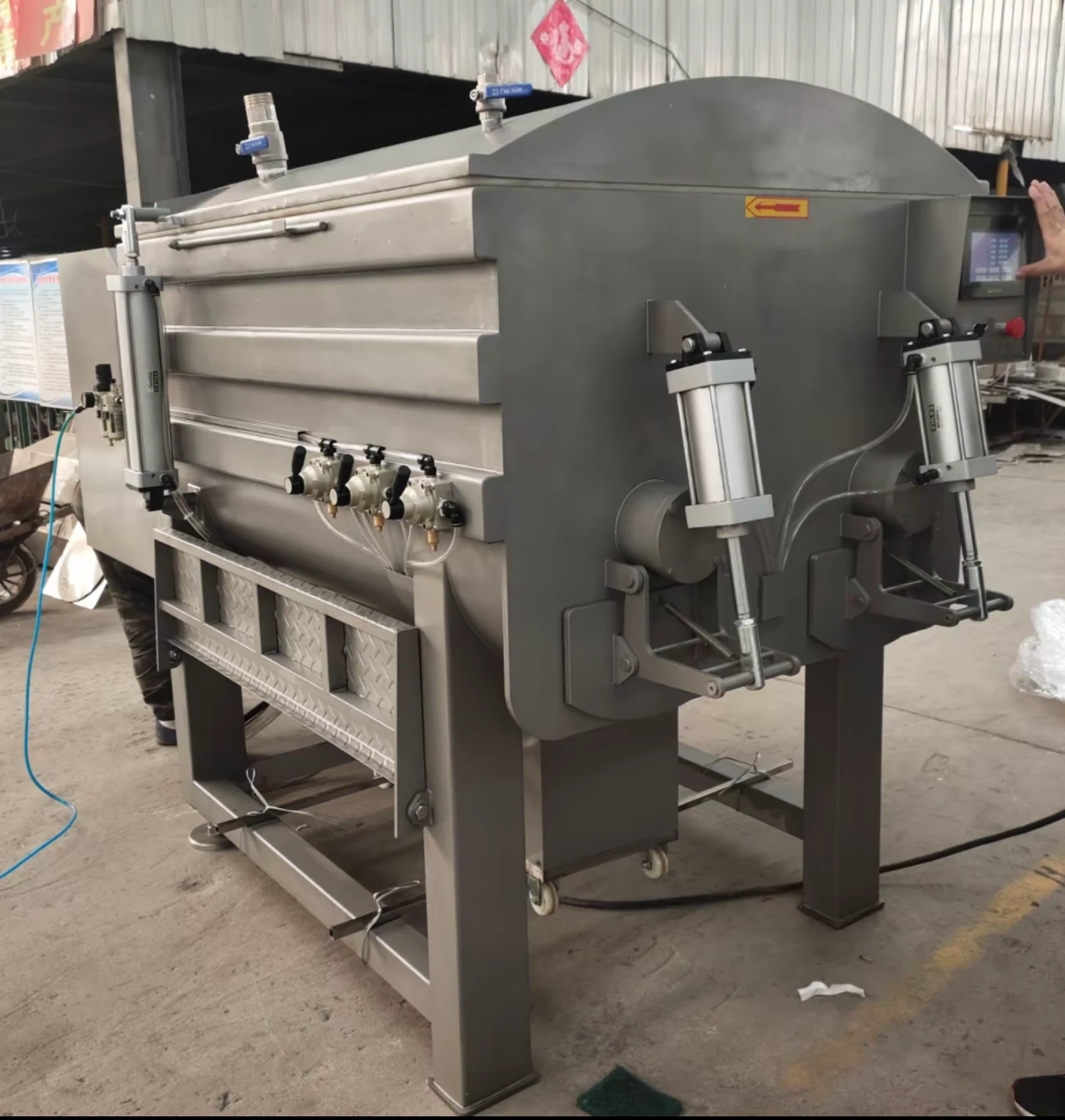
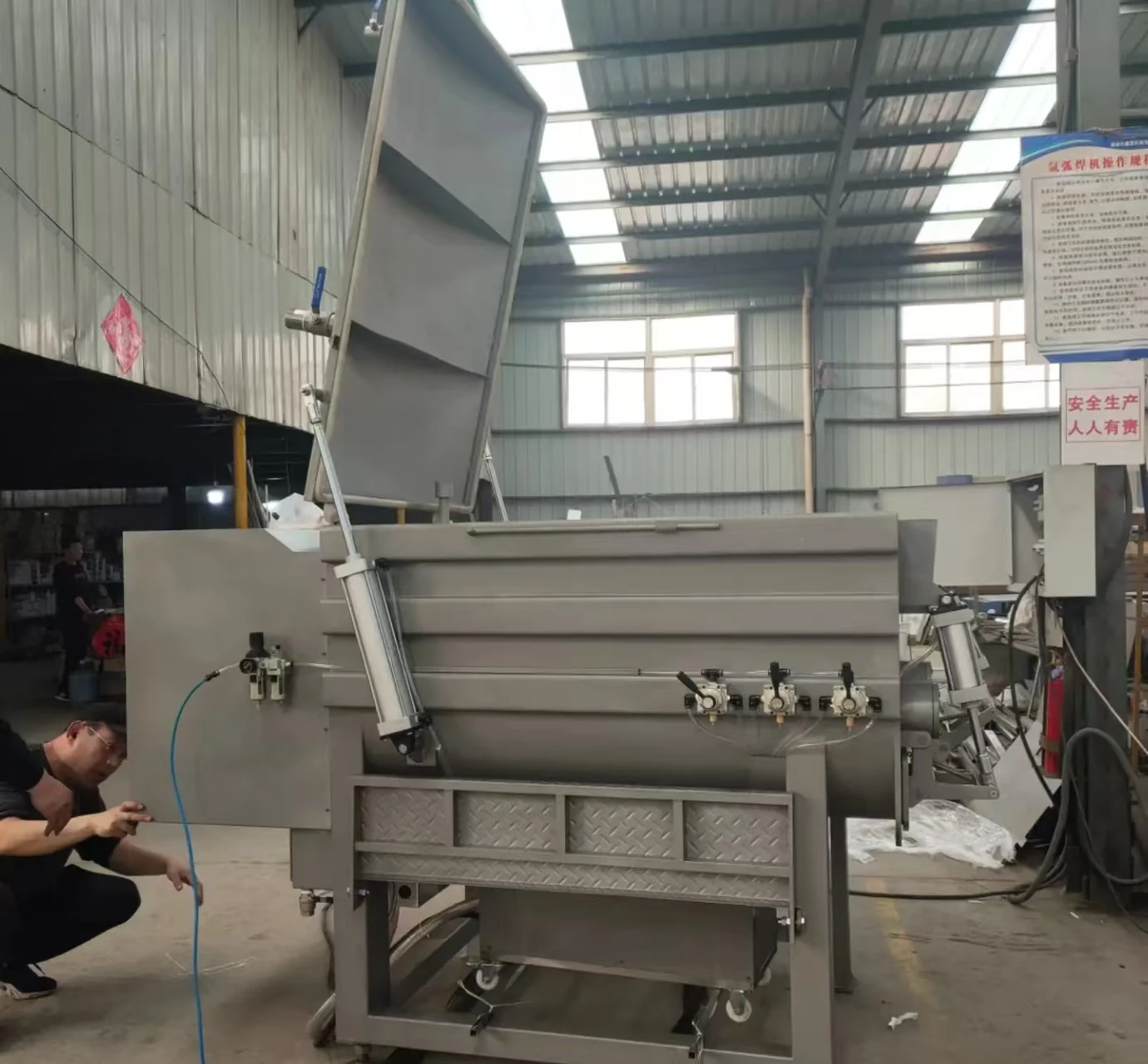
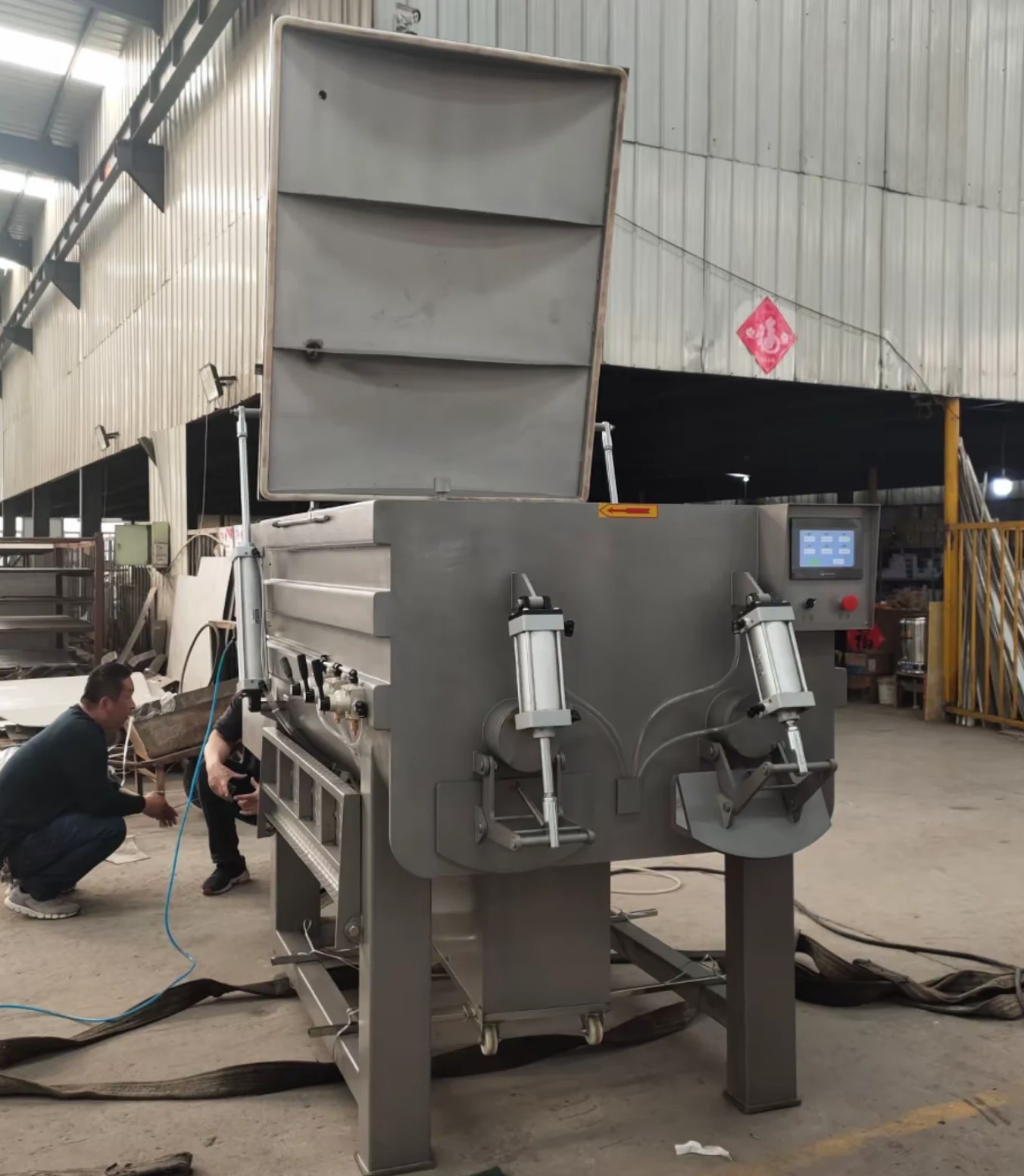
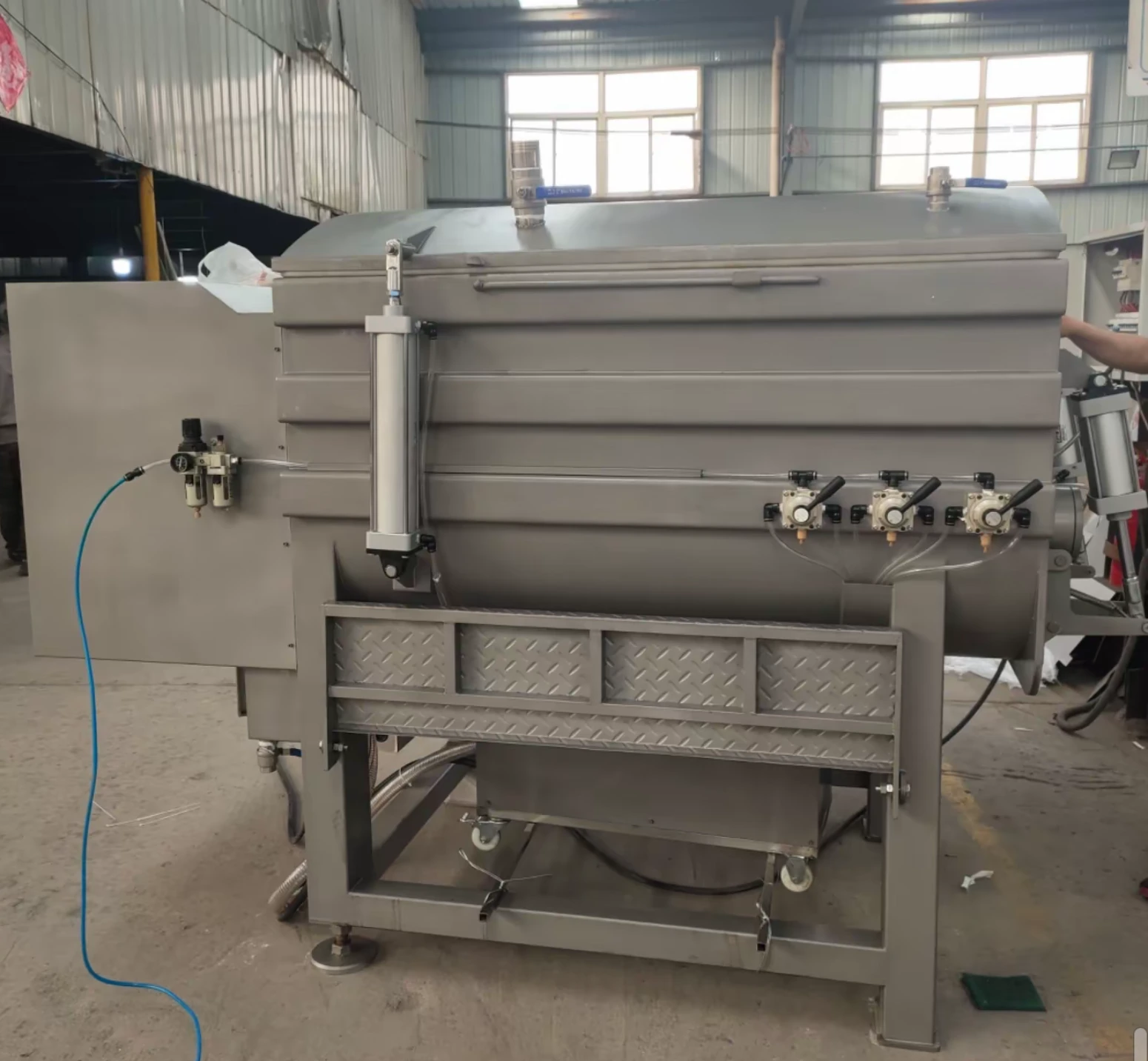
Stop losing yield to air pockets in the 35°C Thai heat. The ZB-300 Industrial Vacuum Meat Mixer Machine pulls a deep -0.08Mpa vacuum while dual interlocking paddles massage your minced pork. Built for Moo Yor and Sai Krok Isan, it forces protein extraction without oxidizing the fat. We ditched cheap rotary vanes for a genuine Busch pump, ensuring your emulsion stays perfectly dense. Zero air bubbles. Zero spoilage. Real factory price.
Stop wondering why your sausages burst on the grill. An Industrial Vacuum Meat Mixer Machine is a heavy-duty blending system that uses dual interlocking shafts to massage minced meat and spices inside a sealed, negative-pressure tank. If you are running a Sai Krok Isan (Thai fermented sausage) or Moo Yor plant in Samut Prakan, you know the exact nightmare I’m talking about. The 35°C ambient heat accelerates fat oxidation the second air hits your meat. The trapped oxygen breeds bacteria. Your emulsion gets spongy, and when the casing hits the hot oil, the air expands and blows the sausage wide open.
This machine ends that cycle. Don’t buy the glossy brochure lies about “perfect mixing.” Good engineering is about absolute vacuum integrity, paddle geometry, and forcing the meat protein to absorb 20% more ice water without breaking.
Before we talk about features, let’s look at the actual hardware. Here is the standard data for our ZB-300 model, configured specifically for the Southeast Asian electrical grid.
| Parameter | Specification | Engineering Note for SEA Market |
|---|---|---|
| Model | ZB-300 | Standard industrial size for medium/large meat plants. |
| Capacity | 200 – 250 kg / batch | 5 to 10 minutes per batch depending on meat viscosity. |
| Vacuum Degree | -0.04 to -0.08 MPa | Fully adjustable via digital pressure switch. |
| Power & Voltage | 4.0 kW (Mix) + 1.5 kW (Pump) | 380V / 50Hz, 3-phase. Built for local grid fluctuations. |
| Dimensions | 1500 x 1100 x 1650 mm | Heavy base frame to absorb shifting loads during mixing. |
| Material | SUS304 Stainless Steel | 6mm thick tank wall to prevent collapsing under vacuum. |
Note: These parameters represent the true continuous running capacity. We don’t quote theoretical dry-run speeds that snap your gearboxes.
I’ve spent 15 years fixing meat processing lines across Bangkok and Chonburi. Most imported machines look beautiful in a showroom but destroy your yield in a real factory. Here is how we build them to survive.
Let’s talk about myosin. When you mix 200kg of minced pork at atmospheric pressure, you are whipping air into the fat. Cheap mixers just stir the meat. We pull a -0.08 MPa vacuum. The negative pressure physically expands the meat fibers like a sponge. The advantage? The protein absorbs the marinade and ice water instantly. When mixing seasoned pork for Moo Yor, actual water retention went from 12% to 18.5%. It doesn’t look like a massive leap on paper, but in a double-shift operation, you are yielding an extra 130 kg of sellable product a day from the exact same amount of raw meat. This is pure operational leverage.
At the end of the day, if you don’t solve the shaft seal issue, all that vacuum power is useless. When your sanitation team cleans the mixing tub at 2 AM, if they spray the high-pressure water gun at a 45-degree angle directly at the main shaft bearing seals, the food-grade grease washes out. The next time you pull a vacuum, salty meat juice gets sucked straight into the bearings. The bearings rust and seize in a month. We engineered a quadruple-lip PTFE seal with a dedicated air-bleed gap. Water physically cannot reach the drive shaft bearings. ——these are the basic bottom lines in the 2026 industry standards.
Salesmen will hand you a list of generic features. I’m going to give you the engineering facts, along with the dirty little secrets of the meat processing floor.
It takes one operator about 30 seconds. The inline vacuum filter sits outside the machine on a quick-release tri-clamp. You don’t need a wrench. If a machine requires you to unbolt a back panel to clean a clogged meat filter, your workers simply won’t do it, and your vacuum pump will choke and die.
Yes. The vacuum expansion works perfectly for hydrating textured vegetable protein (TVP) or mixing sticky taro pastes for desserts. The negative pressure forces the water into the soy fibers twice as fast as atmospheric mixing.
We use standard international components: Schneider electrics and standard metric pneumatic fittings. You can buy replacements in any major industrial hardware market in Bangkok (like Khlong Thom). You are never held hostage waiting for proprietary circuit boards to be shipped from overseas.
Do you have project requirements or technical questions? Please let us know in the form below.