- Shandong Zhucheng Kaicheng Liangcai Machinery Factory
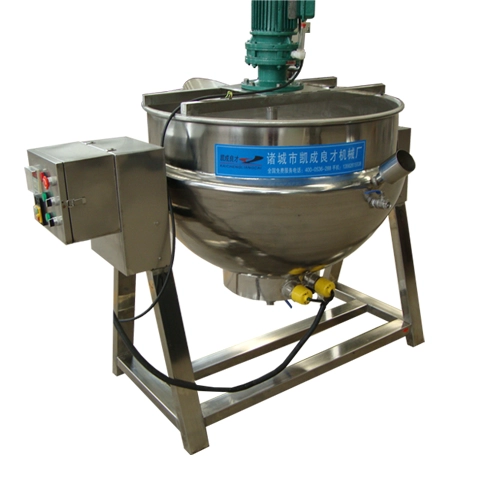
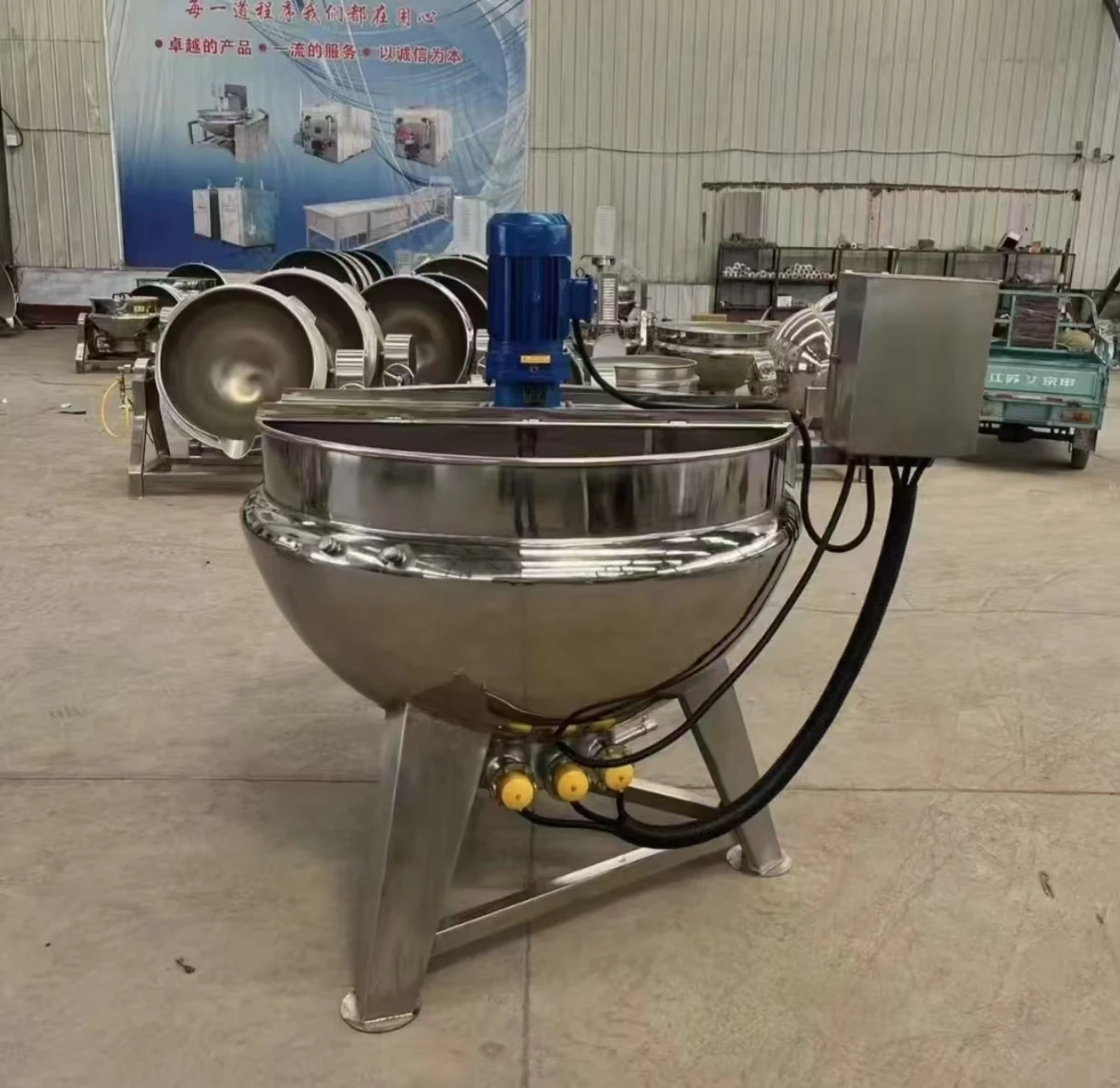
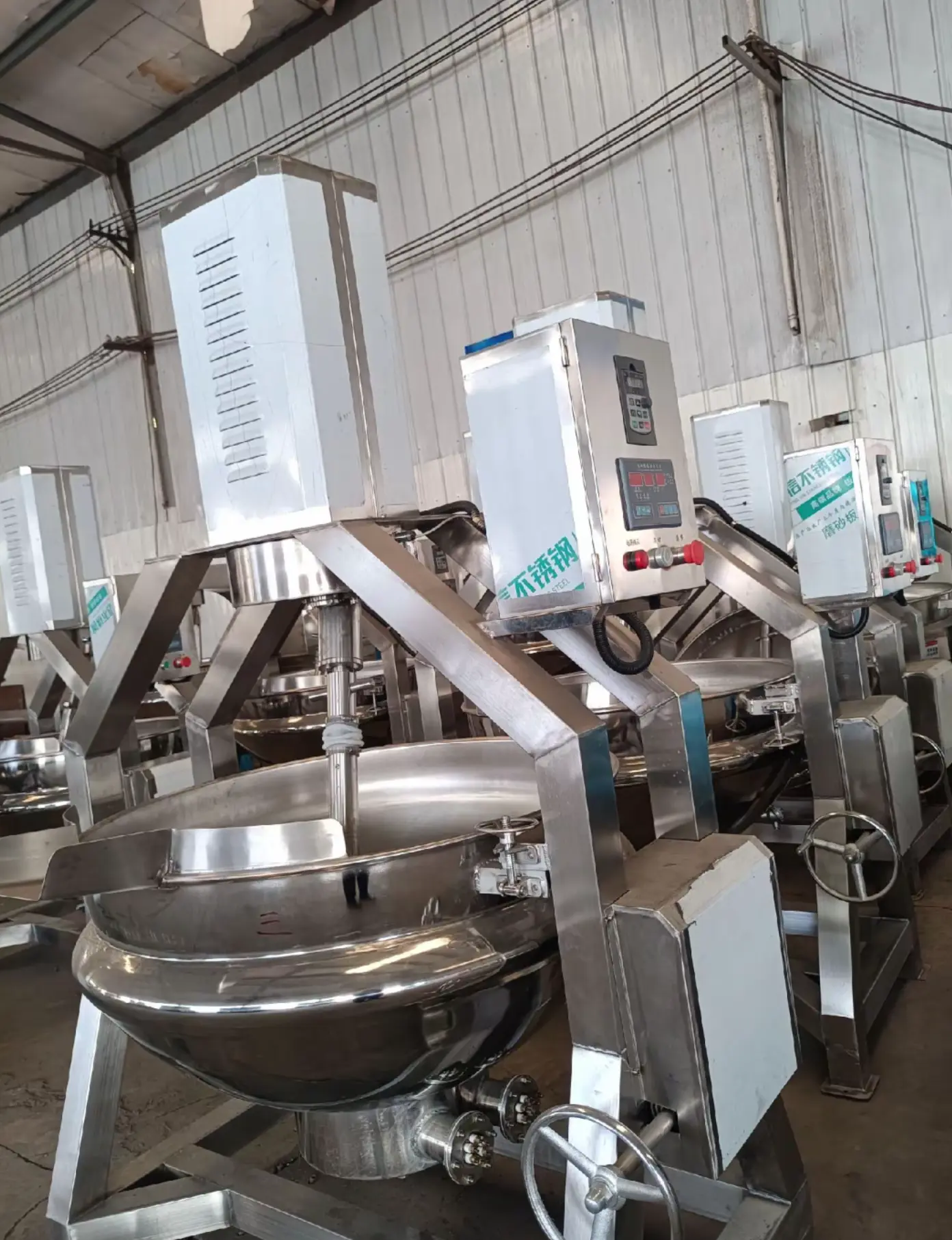
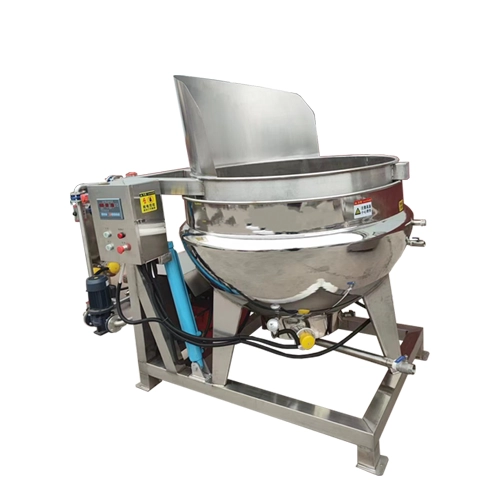
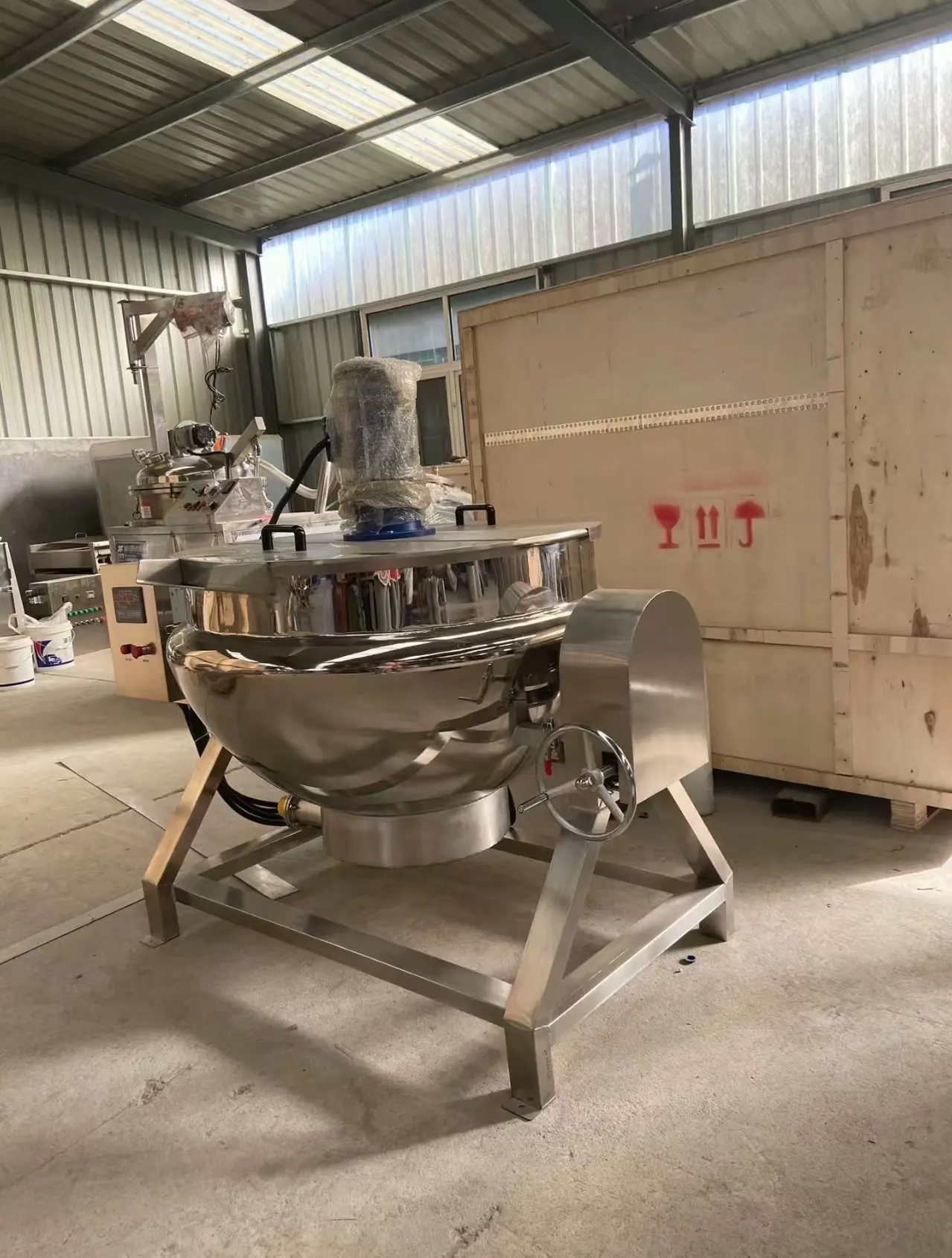
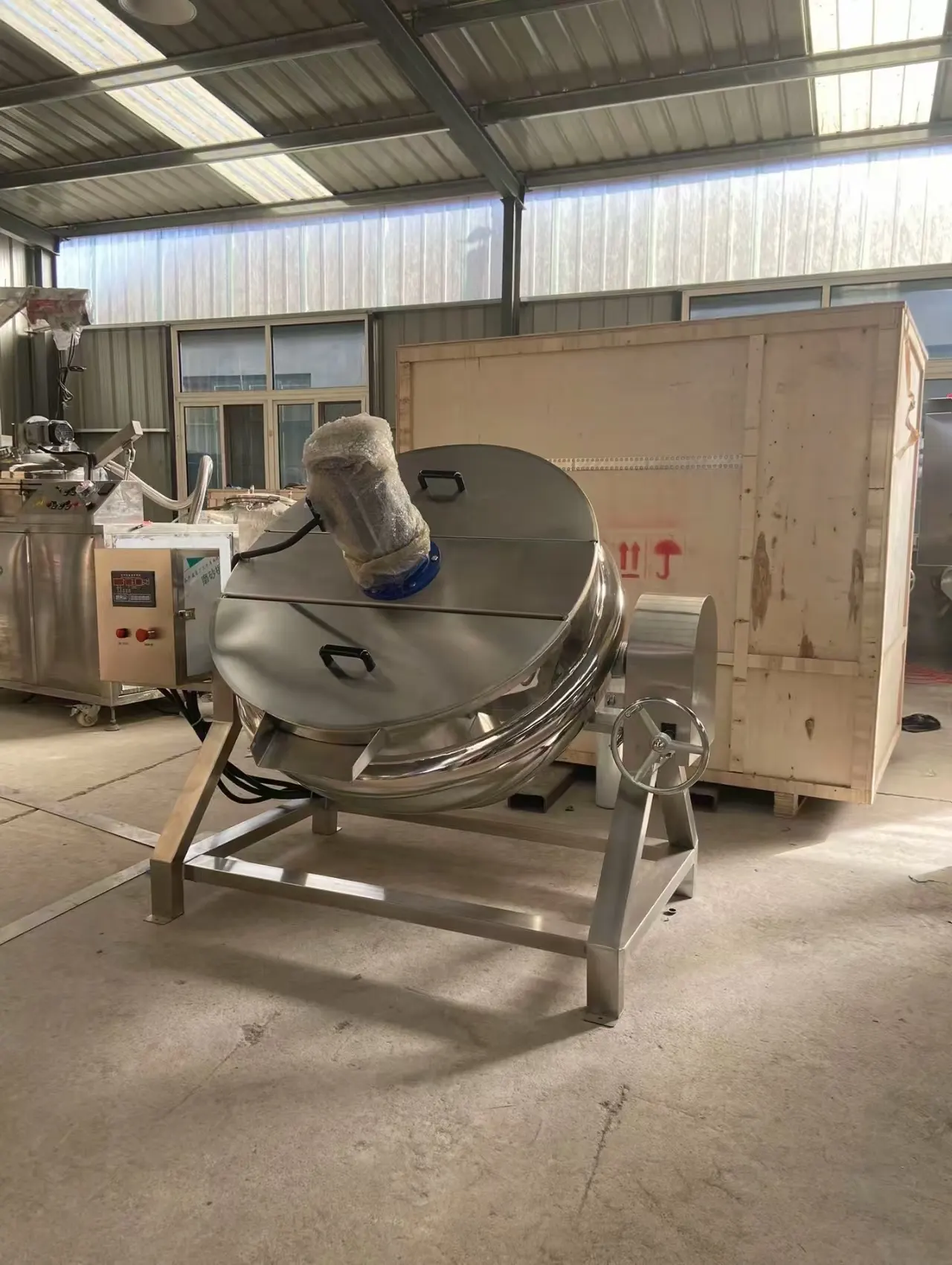
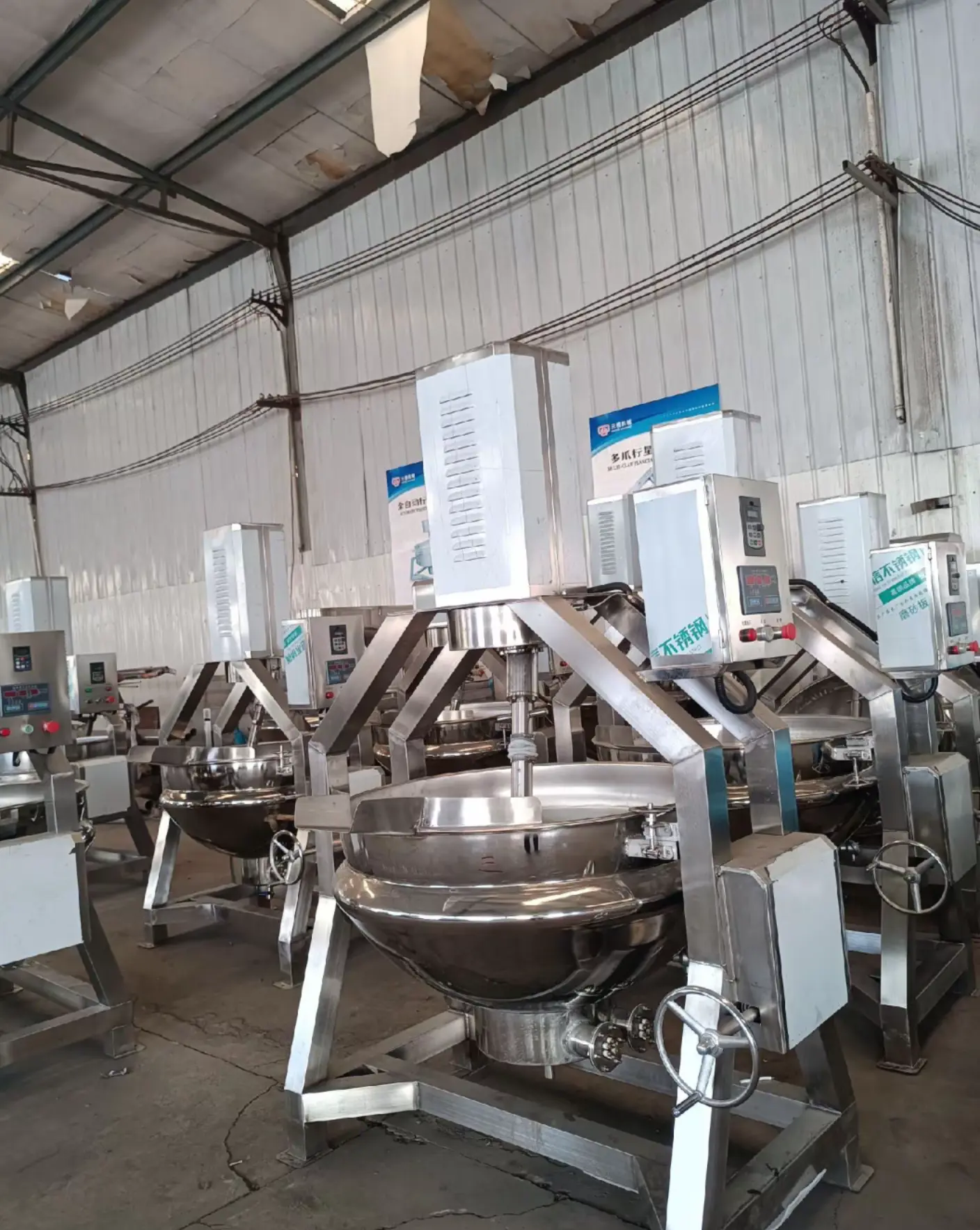
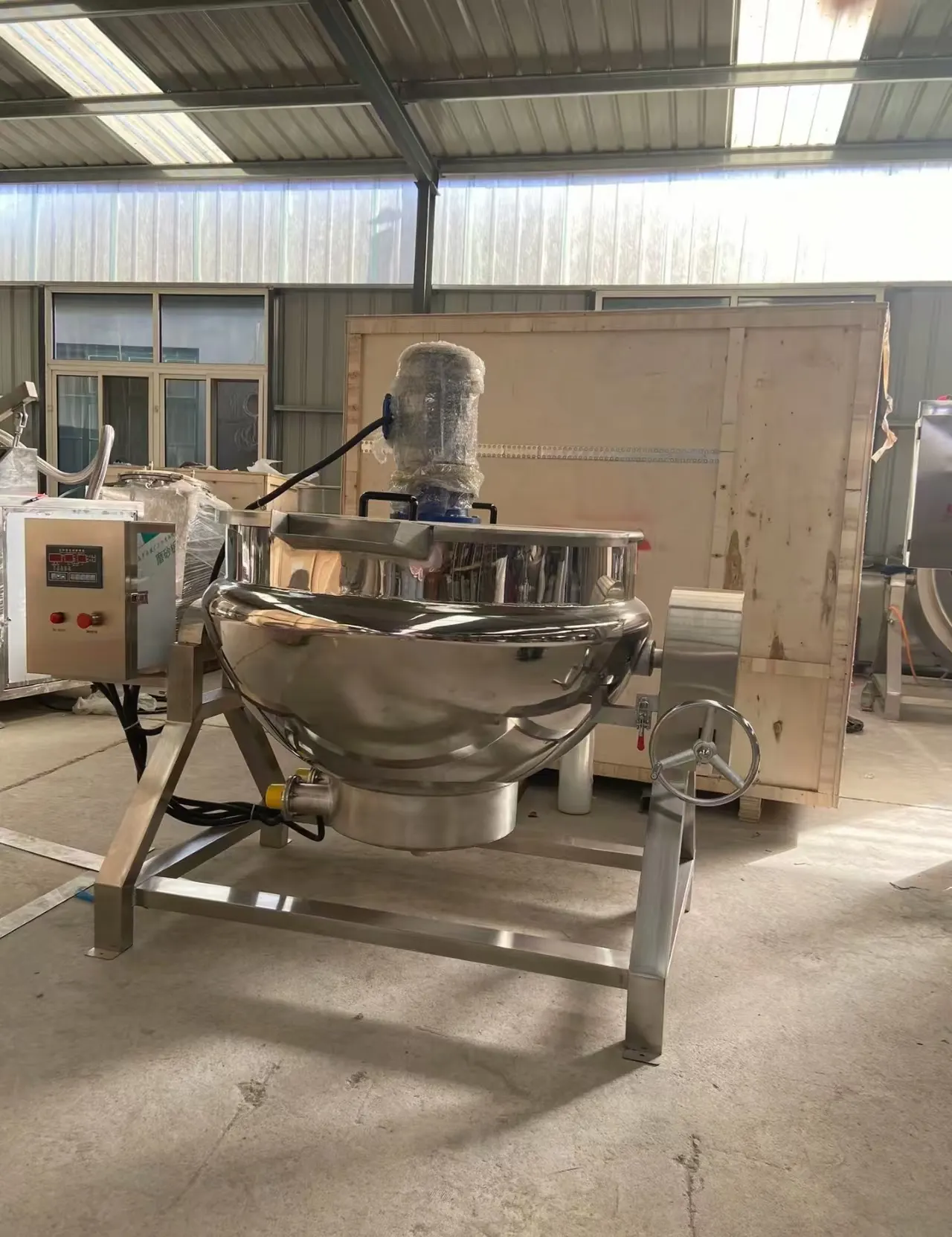
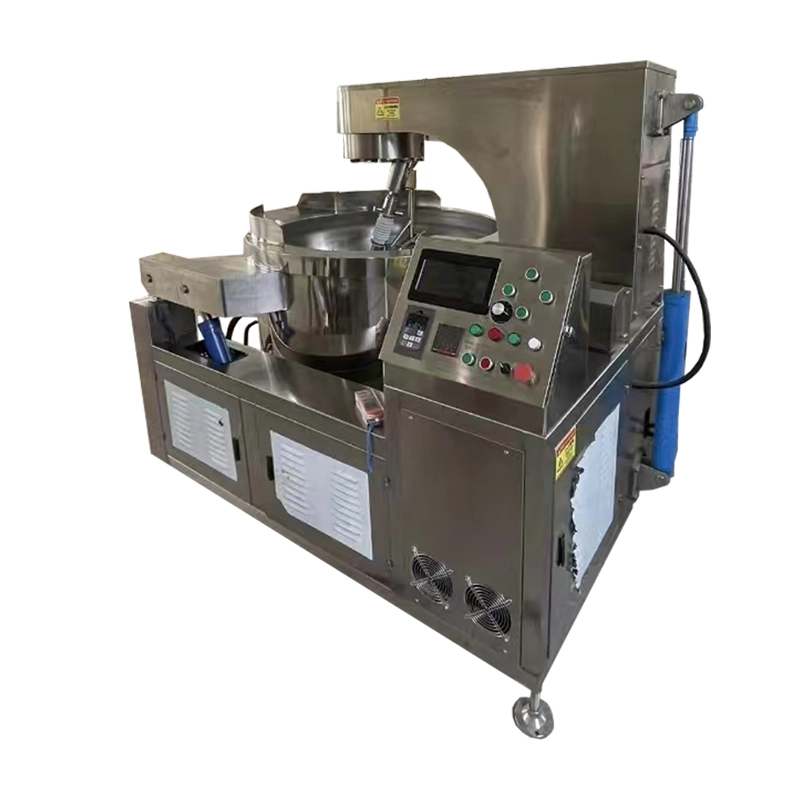
Looking for a reliable Industrial tilting jacketed kettle with agitator? Engineered for the brutal 35°C Southeast Asian climate, our kettles deliver 100L to 600L of scorch-free cooking. Featuring 4mm 304 SS liners, planetary Teflon scrapers, and heavy-duty tilting gears, it maximizes yield for thick curry and chili paste lines. Stop burning your ingredients and wasting manual labor. Get direct factory pricing and local support today.
Stop watching your expensive coconut milk and chili paste turn into a scorched, bitter mess. An Industrial tilting jacketed kettle with agitator is a double-walled thermal processing vessel that uses steam, thermal oil, or electromagnetism to heat the jacket, while a planetary mixer continuously scrapes the inner bowl to prevent burning. If you are running a Massaman Curry or Nam Prik Pao (Thai chili jam) processing plant in Samut Sakhon, you know exactly the nightmare I am talking about. The 35°C ambient heat and 90% humidity are brutal on your workers. Manual stirring is a joke. The moment your worker stops stirring a 300-liter batch of thick curry paste to wipe the sweat off their forehead, the sugar caramelizes and burns to the bottom. Your entire batch is ruined.
This machine fixes thermal transfer with pure mechanical precision. Don’t believe the salesmen pushing thin-walled pots. At the end of the day, if you don’t solve the scraper-to-wall tolerance, all that heating power is useless.
Don’t just look at the “Volume.” You need to look at the Liner Thickness and the Agitator Motor Power. A thin liner will warp under high heat, and a weak motor will stall when your paste thickens. Here is the real data for our standard models, based on actual factory floor specs.
| Pot Volume | Pan Inner Diameter | Outside Diameter | Liner Thickness | Outer Thickness | Mixing Power | Material Output Mode | Engineering Note for SEA Market |
|---|---|---|---|---|---|---|---|
| 100L | 700mm | 800mm | 3mm | 3mm | 0.75 kW | Tilting / Slope | Perfect for R&D or small Tom Yum batches. |
| 200L | 800mm | 900mm | 3mm | 3mm | 0.75 kW | Tilting / Slope | Standard size for commercial restaurants. |
| 300L | 900mm | 1000mm | 3mm | 3mm | 1.1 kW | Tilting / Slope | Mid-size commercial sauce processing lines. |
| 400L | 1000mm | 1100mm | 3mm | 3mm | 2.2 kW | Tilting / Slope | Upgraded torque for thick, sticky pastes. |
| 500L | 1100mm | 1200mm | 4mm | 3mm | 2.2 kW | Tilting / Slope | 4mm liner prevents thermal shock warping. |
| 600L | 1200mm | 1300mm | 4mm | 3mm | 2.2 kW | Tilting / Slope | Heavy-duty worm gear for safe discharging. |
Engineer’s Warning: The 500L and 600L models use a 4mm inner liner. Never buy a 600L kettle with a 2mm liner. The thermal expansion will crack the welds in six months.
I’ve spent 20 years fixing food processing lines across Bangkok and Chiang Mai. Most imported machines look beautiful in a showroom but destroy your yield in a real factory. Here is how we build them to survive.
Let’s talk about boundary layers. When you cook high-sugar Nam Prik Pao at 160°C, the fluid touching the metal wall burns in seconds. Cheap kettles use fixed paddles that leave a 5mm gap between the blade and the wall. The paste sticks, burns, and ruins the flavor profile of the whole batch.
We use spring-loaded, food-grade Teflon scrapers. They press tightly against the CNC-machined inner bowl, scraping the boundary layer clean every single rotation. The advantage? Absolute thermal control. When cooking high-sugar chili jam, actual continuous yield went from 280 kg/batch to 315 kg/batch. It doesn’t look like a massive leap on paper, but in a double-shift operation, you are saving exactly 420 kg of burnt, unsellable paste a week from the exact same raw materials. This is pure operational leverage.
Say it with me: if you don’t protect the agitator’s top gearbox, the motor is dead. When your night-shift sanitation team cleans the kettle at 2 AM, if they spray the high-pressure water gun at a 45-degree angle directly at the main agitator shaft seal, water bypasses the primary flange. Acidic lime juice and water seep into the planetary gears. The grease washes out, and the gearbox seizes in a month. We engineered a raised, overlapping 304 SS umbrella shield with a dedicated weep hole. Water physically cannot reach the drive shaft bearings. ——these are the basic bottom lines in the 2026 industry standards.
Salesmen will hand you a list of generic features. I’m going to give you the engineering facts, along with the dirty little secrets of the sauce processing floor.
It depends on your factory. If you already have an industrial steam boiler, choose steam—it is the fastest and cheapest to run. If you don’t have a boiler but need high temperatures (up to 260°C) for frying chili paste, choose Electric Thermal Oil.
Yes, but you must tell us before ordering. Standard 304 SS is fine for general foods, but for highly acidic boiling liquids, we will upgrade your inner liner to 316L Stainless Steel to prevent long-term pitting corrosion.
Under standard continuous operation (10 hours a day), the Teflon scraper pads will last 6 to 8 months. They are simple wear parts attached by stainless steel pins. You can replace them by hand in 5 minutes. No special tools are required.
Do you have project requirements or technical questions? Please let us know in the form below.