- Shandong Zhucheng Kaicheng Liangcai Machinery Factory
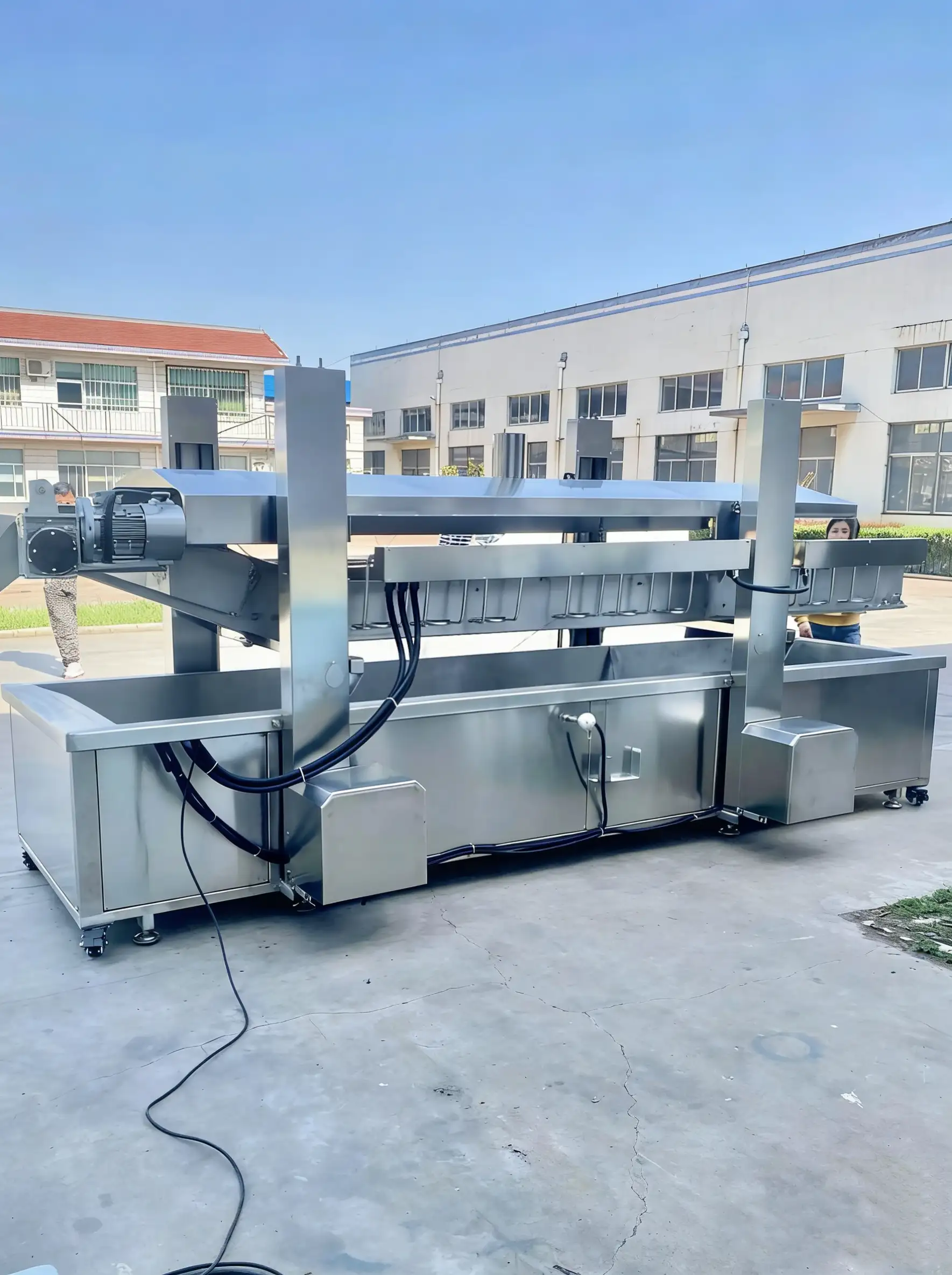
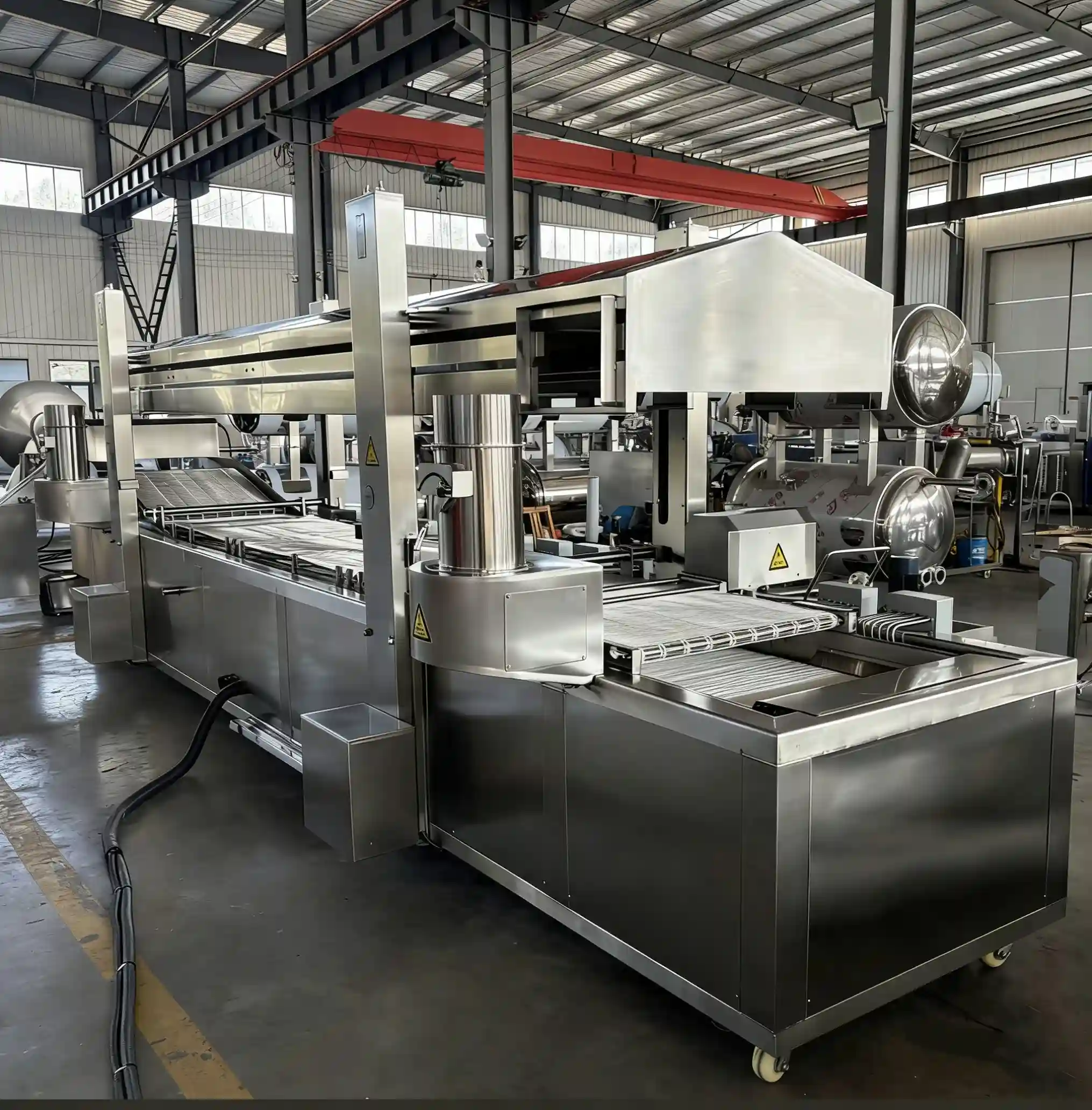
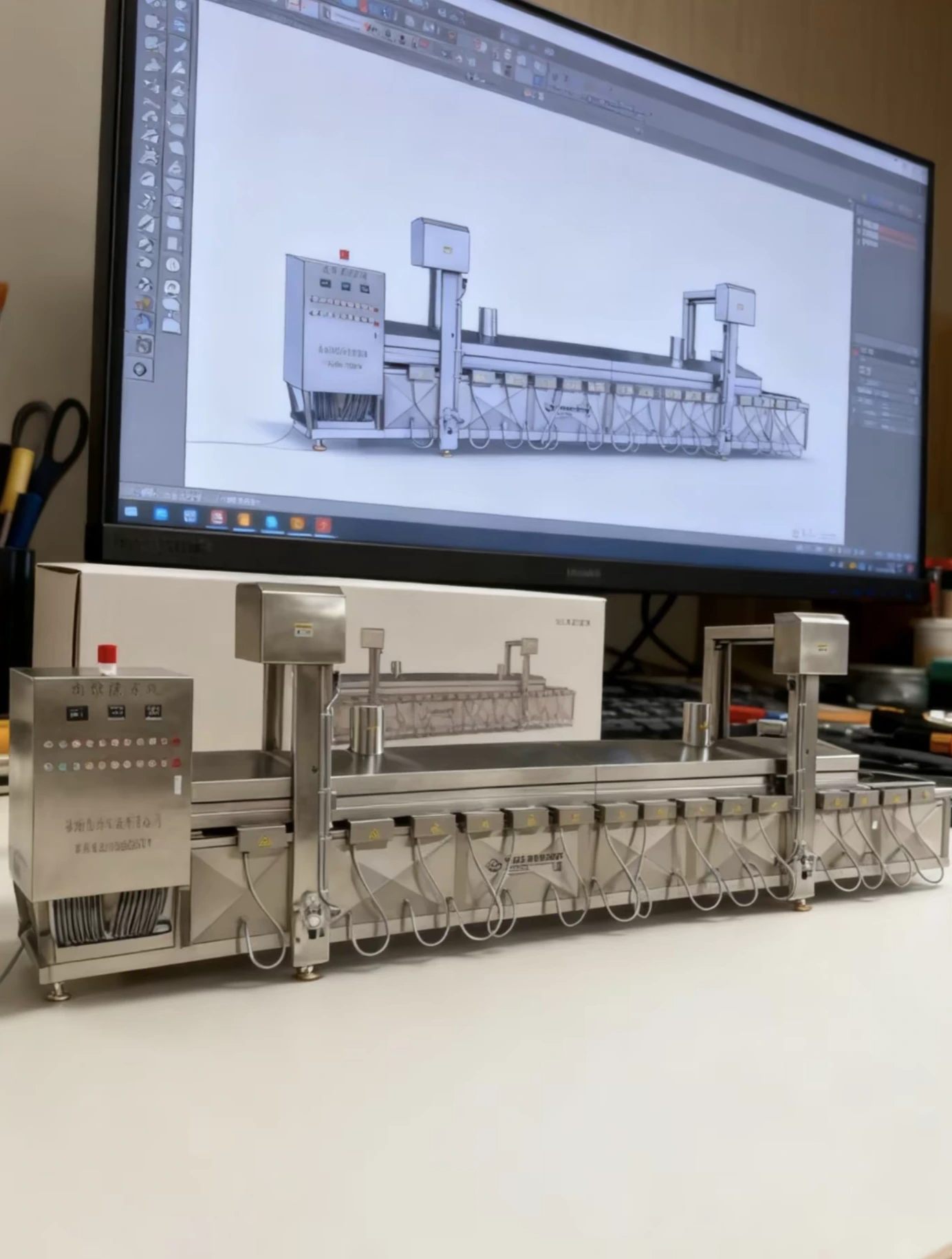
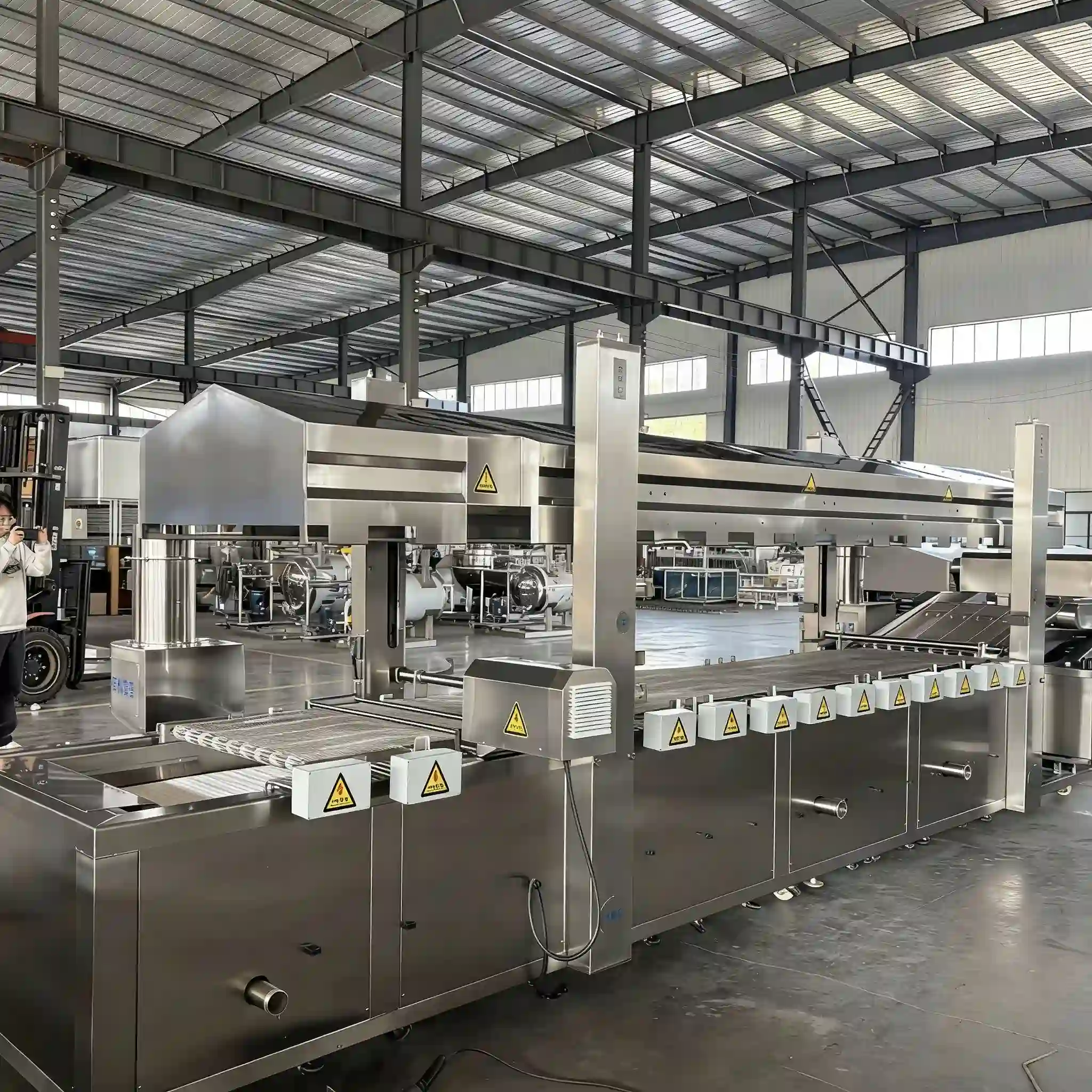
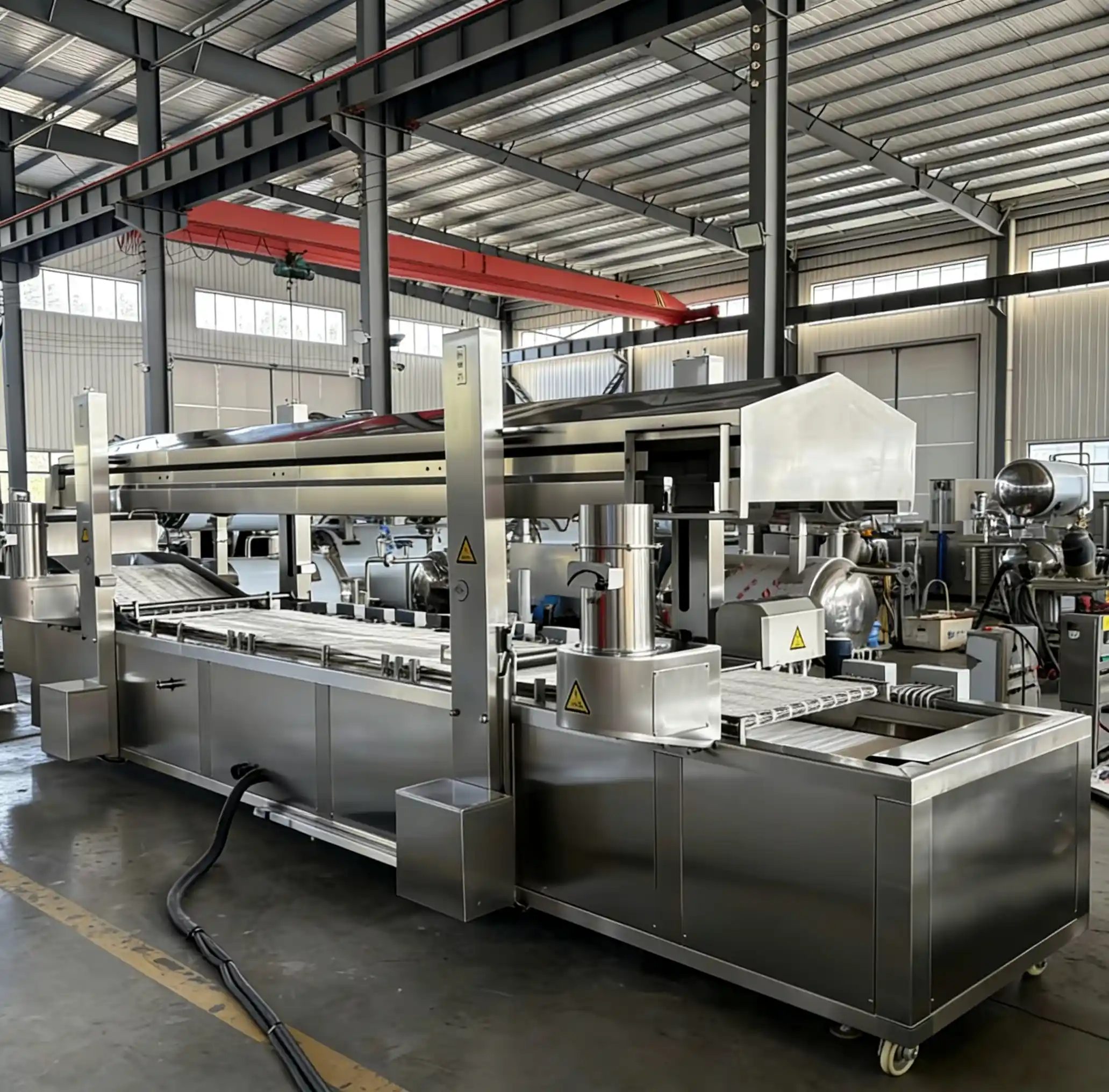
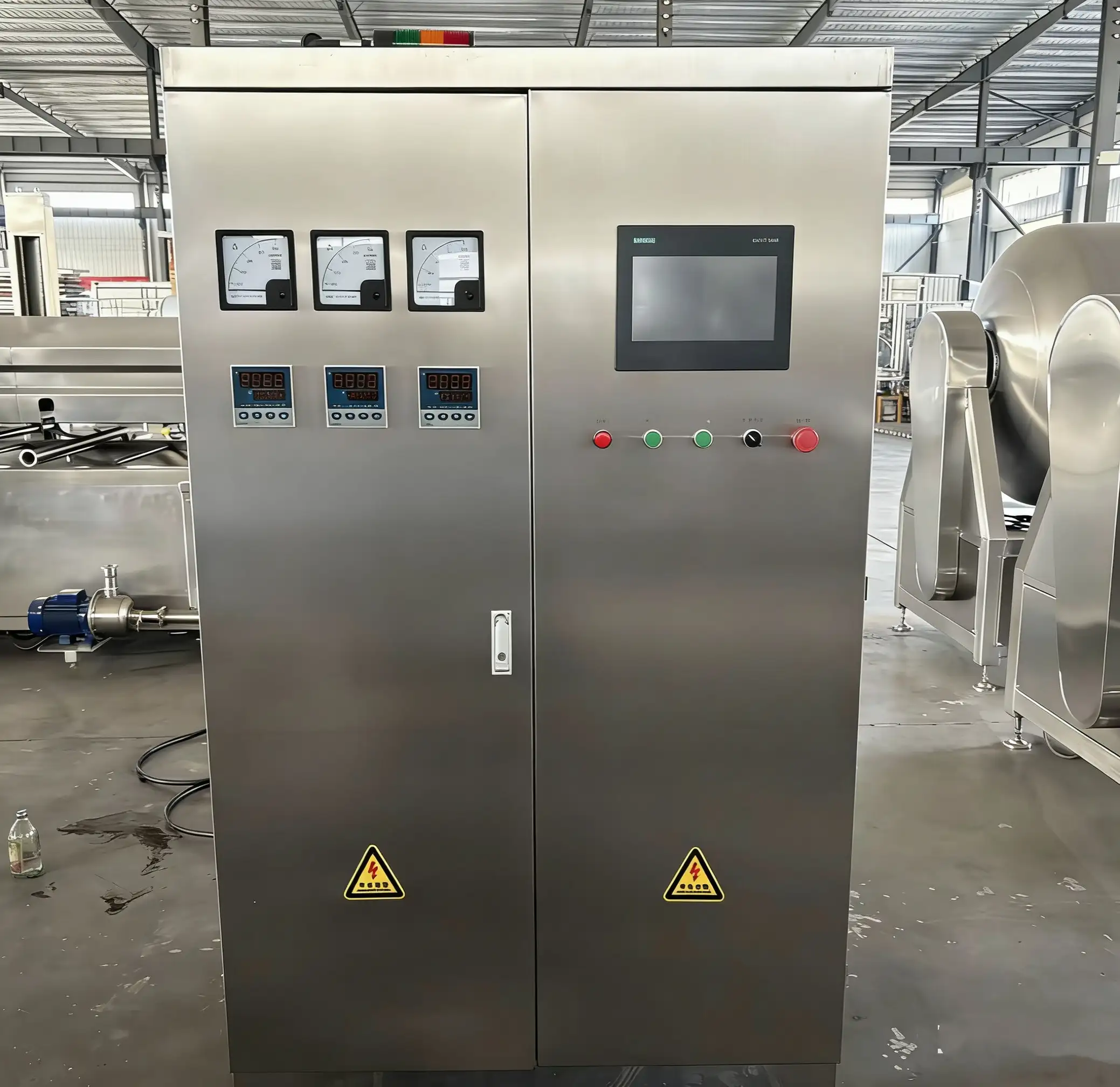
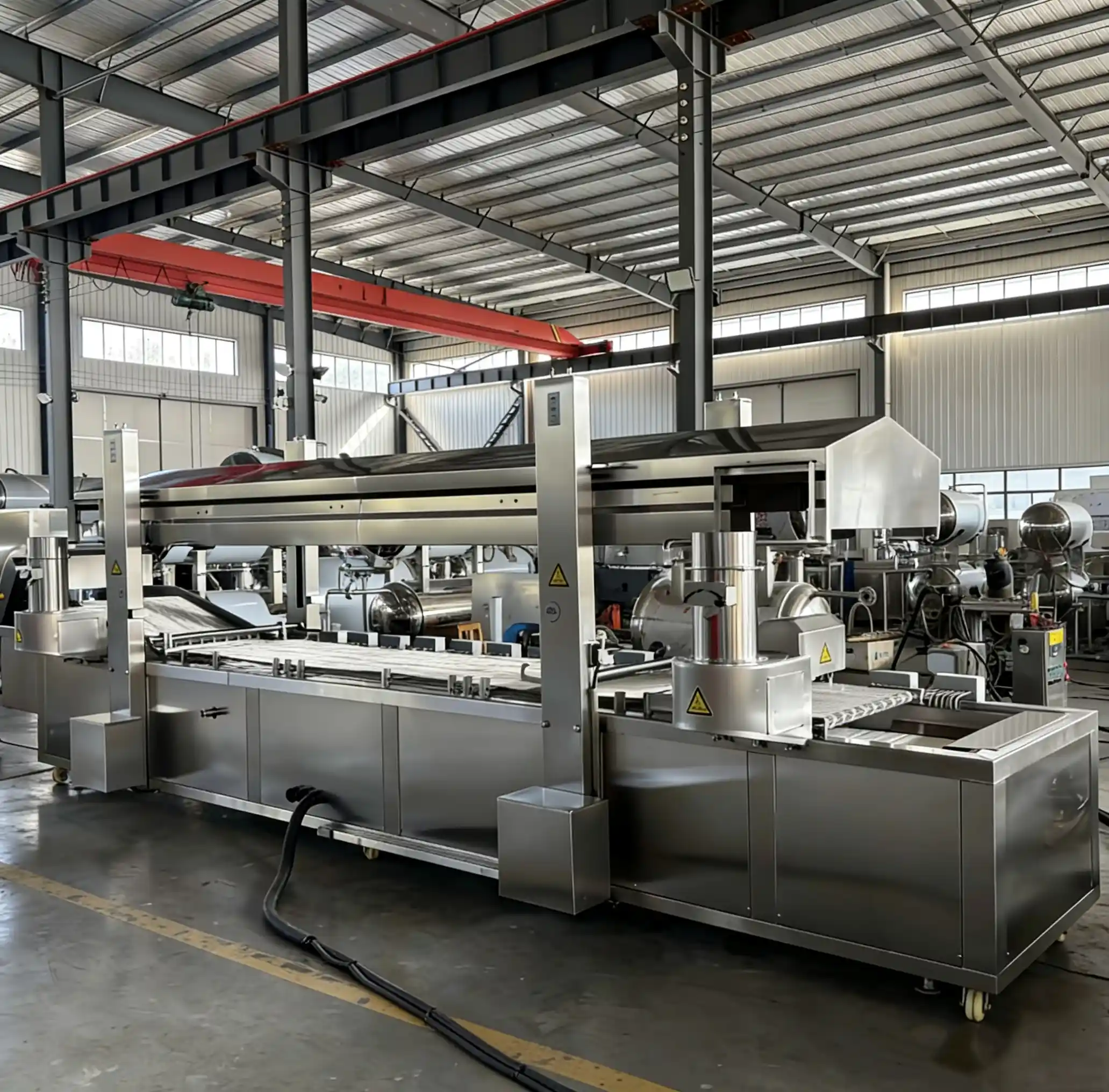
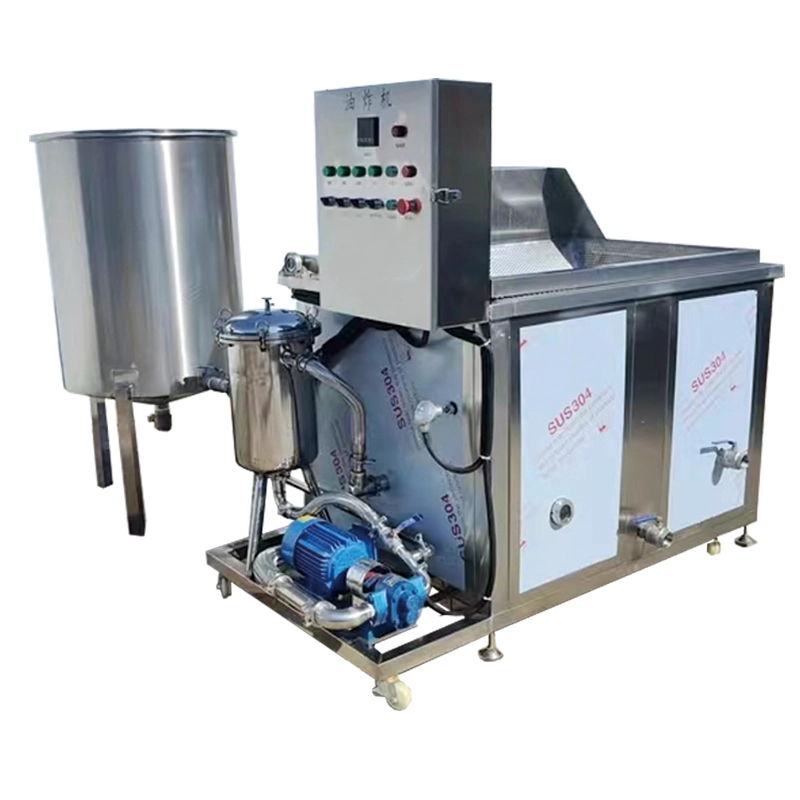
This industrial continuous deep frying machine line is used for chips, nuts, coated meat, seafood snacks, spring rolls, and other fried food products. The line provides controlled frying time, stable oil temperature, residue filtration, and practical cleaning access, making it suitable for hot and humid food factories in Southeast Asia. It is a solid choice for snack manufacturers, central kitchens, and industrial food processing plants that need steadier output and better oil management.
This is not a countertop fryer stretched into a bigger frame. It is a continuous frying system built for factories that need repeatable color, controlled frying time, cleaner oil circulation, and smoother line integration. For buyers in Indonesia, Vietnam, and Thailand, the line is especially suitable for fried snacks, banana chips, cassava chips, coated chicken, fish products, peanuts, broad beans, tempura-style items, spring rolls, samosa-type snacks, and other products that cannot afford unstable frying conditions. One bad shift can darken a whole batch. Oil cost goes up first. Complaints arrive later.
Most brochures talk about “uniform frying.” Fine. That phrase is cheap. What matters is how the line achieves it.
A continuous frying line works only when four variables stay under control at the same time:
Miss one of them and your color drifts, texture gets inconsistent, and oil life shortens faster than the production manager expected. Say it plainly: if your system cannot manage residue and heat recovery, larger burner power alone solves nothing.
The line moves products through hot oil at a controlled speed using a conveyor system, often paired with upper pressing mesh for floating products.
That matters for mixed product categories. Chips behave differently from coated chicken. Fish balls behave differently from peanuts. A decent frying line respects those differences.
Depending on the project, the line may use electric heating, gas heating, diesel, or thermal oil systems.
For Southeast Asia, gas-heated and hybrid systems often make practical sense where electricity cost is high and production shifts run long.
Let’s strip away the marketing noise and talk like people who have cleaned fryers at midnight.
Product moves through oil on a controlled conveyor path.
That is where the margin sits. Not in the brochure. In the reject rate.
A proper line removes crumbs and fine burnt particles from the frying zone rather than letting them circulate endlessly.
This is a big one. Factories underestimate oil loss constantly.
Main food-contact sections usually use stainless steel, commonly 304 in key areas where hot oil, steam, salt, and cleaning cycles attack the metal.
Hot oil and high humidity make weak material choices show up fast. No mystery there.
A fryer that performs nicely in a showroom can fall apart in a real Indonesian or Vietnamese workshop. Humidity, ambient heat, unstable incoming product moisture, and aggressive cleaning habits expose every shortcut in fabrication and layout.
This line is built for production environments where moisture is always present.
This is not just for “snacks.” Buyers in Southeast Asia usually want line flexibility.
Common applications include:
The line can also fit products for export markets where color consistency, oil pickup, and texture matter more than flashy machine specs.
Typical power configurations can be adapted for:
Ignore voltage planning and burner matching, and you end up blaming the machine for problems caused during installation. That happens more often than suppliers admit.
A frying line is a system. Not a tank with a motor.
The feeding stage controls how evenly the product enters oil.
If the front end feeds unevenly, the rest of the line spends the whole shift compensating for it.
This is the thermal heart of the line.
Many factories pair the fryer with de-oiling and cooling sections.
This is especially useful for chips, coated snacks, nuts, and crispy products that need cleaner surface appearance.
Here is the fact list that separates solid projects from expensive guessing.
| Fact | Why It Matters | Industry Reminder |
|---|---|---|
| Continuous conveyor frying | Controls product residence time more reliably than manual batch work | If the belt speed is adjustable but the feed density is not managed, your frying time on paper means very little |
| Residue filtration / slag removal | Slows oil degradation and reduces black specks on product | If crumbs stay in the hot zone too long, oil quality collapses quietly before operators notice color drift |
| 304 stainless steel in key food-contact areas | Better resistance to hot oil, moisture, and salt exposure | Stainless is not magic; poor welding and unpolished dead corners still trap carbonized residue |
| Upper mesh or pressing system for floating foods | Keeps light products submerged for stable frying | Skip this on floating products and half the batch cooks unevenly—this in 2026 is already the baseline |
| Heating source customization | Matches energy cost and plant utility conditions | Cheap burner selection often looks smart until thermal recovery lags under real load |
| Integrated discharge / de-oiling option | Reduces manual handling and surface oil carryover | If discharge height does not match your next machine, workers invent bad workarounds within a week |
That last column? That is where money leaks out.
This is the part buyers remember after commissioning.
When operators use a metal scraper too close to the sensor sheath during shutdown cleaning, temperature feedback starts drifting slowly. Not enough to trigger an alarm. Enough to shift color batch by batch. Then everyone argues about seasoning or raw material moisture while the real issue sits in the probe reading.
Yes, people do this all the time. Especially after sticky coated products. It speeds up seal damage, pushes moisture where it should not go, and shortens bearing life. The machine is washable. It is not asking to be pressure-punished.
Small habits. Big repair bills.
Let’s use a familiar product: cassava chips in Indonesia.
A medium snack plant running semi-manual frying was processing around 180–220 kg per hour, but output kept swinging because oil temperature dipped hard every time feed density changed. Product color varied. Breakage increased during busy shifts. After moving to a continuous frying line with controlled conveying, filtration, and matched de-oiling, practical throughput settled around 320–360 kg per hour on the same product profile. On paper, that looks like a clean improvement. In reality, the bigger win came from oil management and labor redistribution: the factory cut one full manual frying position per shift and reduced dark-batch complaints enough to keep distribution in two regional supermarket chains. Over one month, the extra sellable output and lower reject loss added up to roughly 4.2 tons of product that previously would have been downgraded or delayed.
That is how real plants measure value. Not with slogans.
This line can be configured for a wide range of fried products.
For Southeast Asia, that flexibility matters. Plants rarely live on one SKU forever.
A frying line can make money. It can also consume money fast if nobody respects maintenance discipline.
Say it directly: if your team treats oil like an unlimited utility instead of a process medium, your fryer will expose that weakness immediately.
Common maintenance items include:
Keep critical parts in stock locally. Waiting for cross-border shipping during peak production is not a strategy.
The machine must match your plant, not just your quotation sheet.
If your line layout forces workers to manually bridge every transfer point, you didn’t buy a production line. You bought a bigger headache.
These are the questions serious buyers ask before they place the order.
It can be used for cassava chips, banana chips, potato chips, peanuts, broad beans, coated chicken, seafood snacks, spring rolls, fish products, and many other fried foods.
Yes. Stainless steel food-contact construction and practical structural design help the line handle hot and humid workshop conditions found in Indonesia, Vietnam, and Thailand.
Yes. Frying time is generally controlled through conveyor speed adjustment, allowing different products to stay in the oil for different durations.
It can be configured with slag removal, residue filtration, and oil circulation systems. This is strongly recommended for factories that run continuous production and care about oil life.
No, but it must be cleaned correctly. Residue zones, conveyor surfaces, and sensor areas need regular maintenance. High-pressure spraying on seals and sensitive components should be avoided.
Depending on the project, electric heating, gas heating, diesel heating, or thermal oil heating can be selected based on production scale and local energy cost.
Typical options include 220V / 50Hz and 380V / 50Hz. Three-phase industrial setups are common for larger lines.
Residue load, frying temperature stability, incoming product moisture, and filtration discipline. If you let crumbs burn in the oil continuously, oil life drops much faster.
Yes. Many buyers combine the fryer with de-oiling, cooling, seasoning, and packaging systems to create a more complete production line.
A lot of factories think they need “a fryer.” What they really need is process control. Stable frying time. Stable color. Reasonable oil consumption. Manageable cleaning. Predictable output. That is what this industrial continuous deep frying machine line delivers when the system is properly matched to the product.
For Southeast Asian processors making cassava chips, banana chips, fried snacks, coated meat products, seafood items, and prepared foods, this line gives you a more controlled way to scale production without surrendering product consistency. And if you are still judging frying equipment by tank size and heater power alone—well, that is exactly how plants end up with expensive steel and unstable product.
That, in 2026, is already the baseline.
Do you have project requirements or technical questions? Please let us know in the form below.