- Shandong Zhucheng Kaicheng Liangcai Machinery Factory
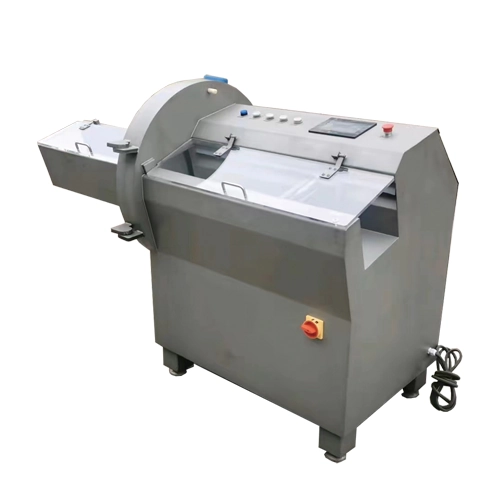
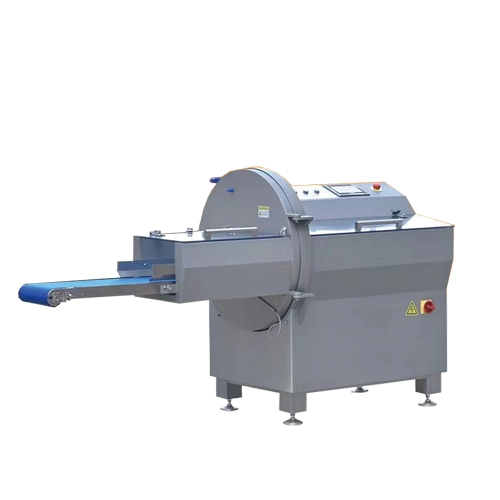
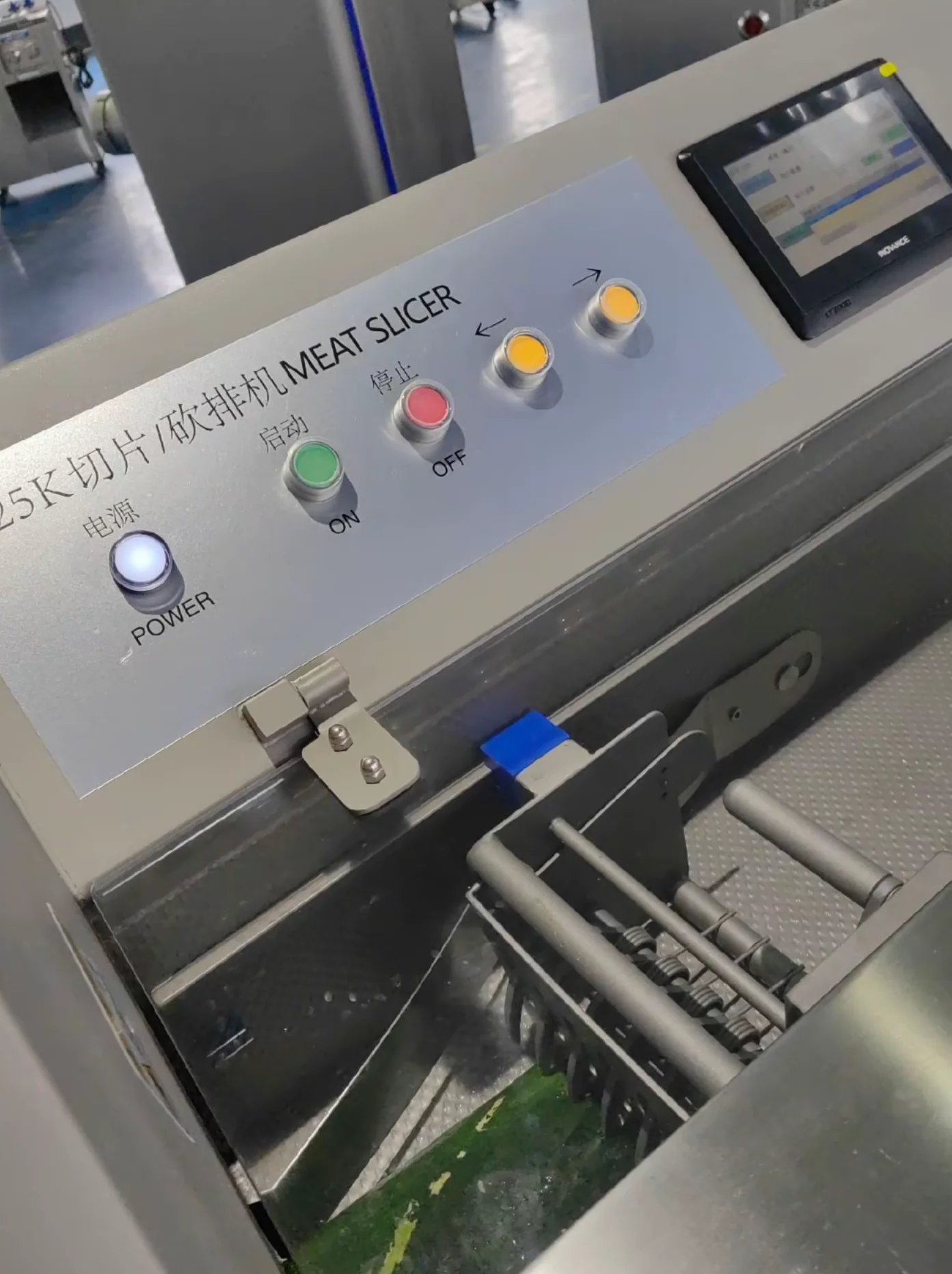
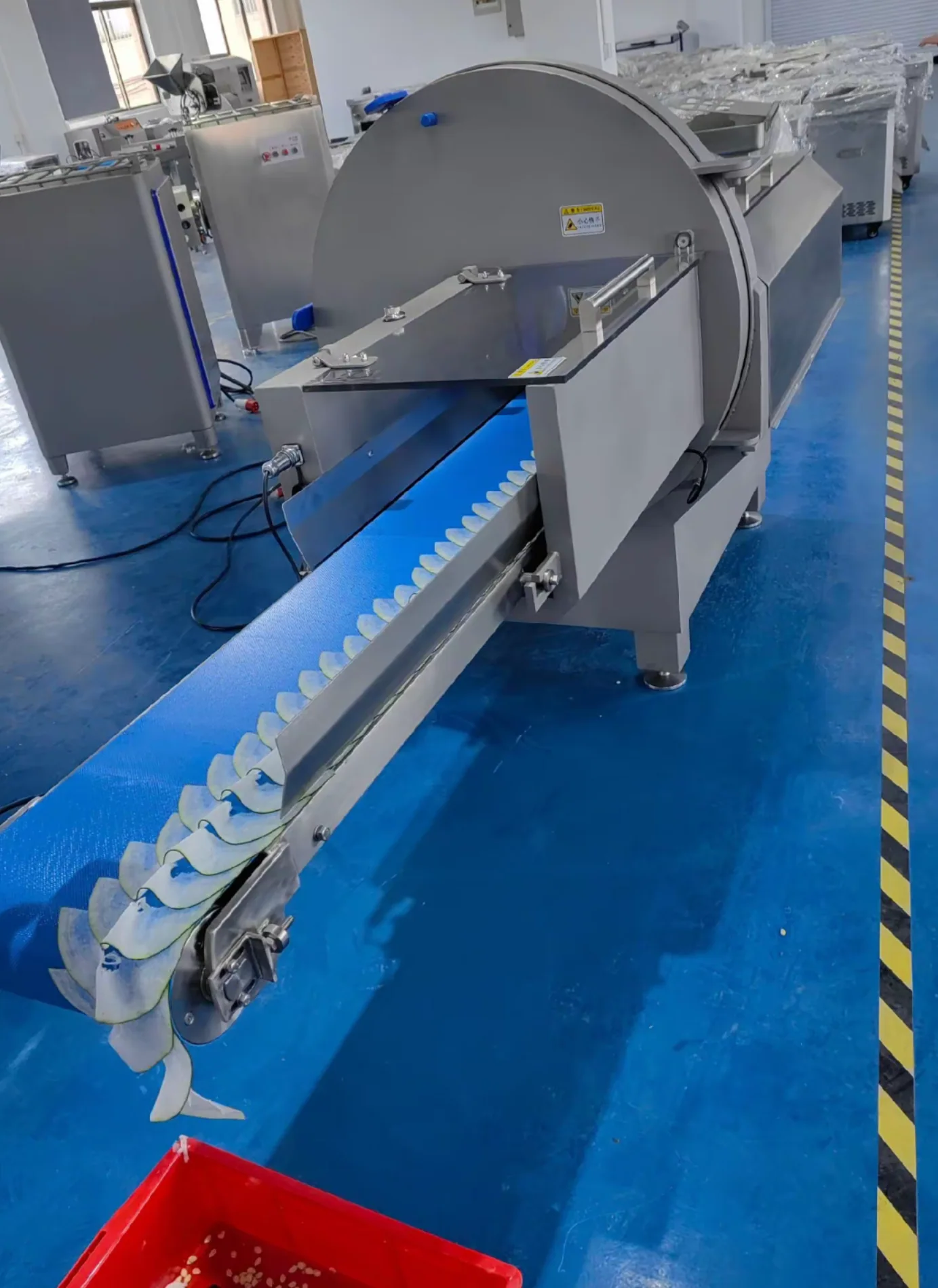
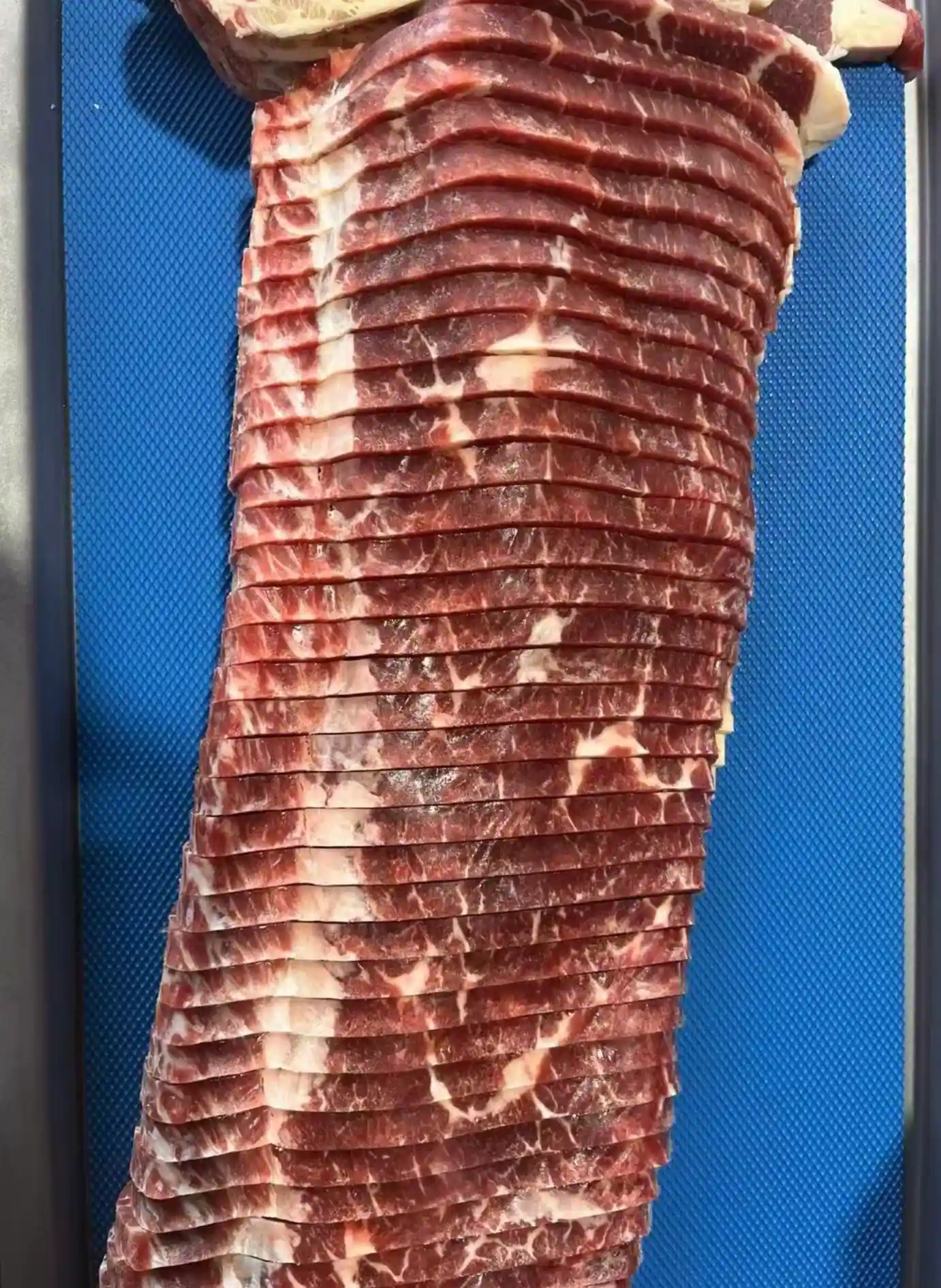
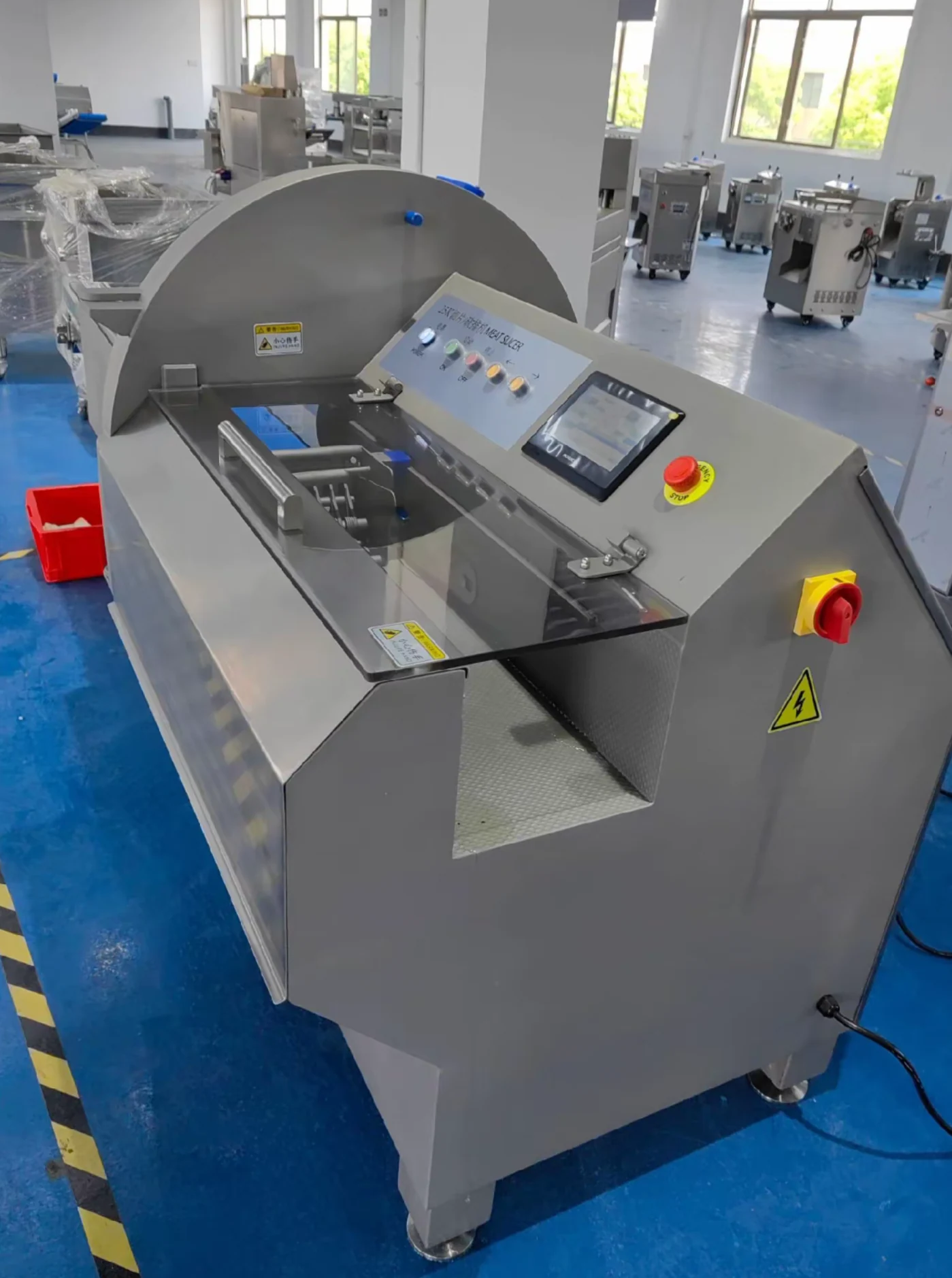
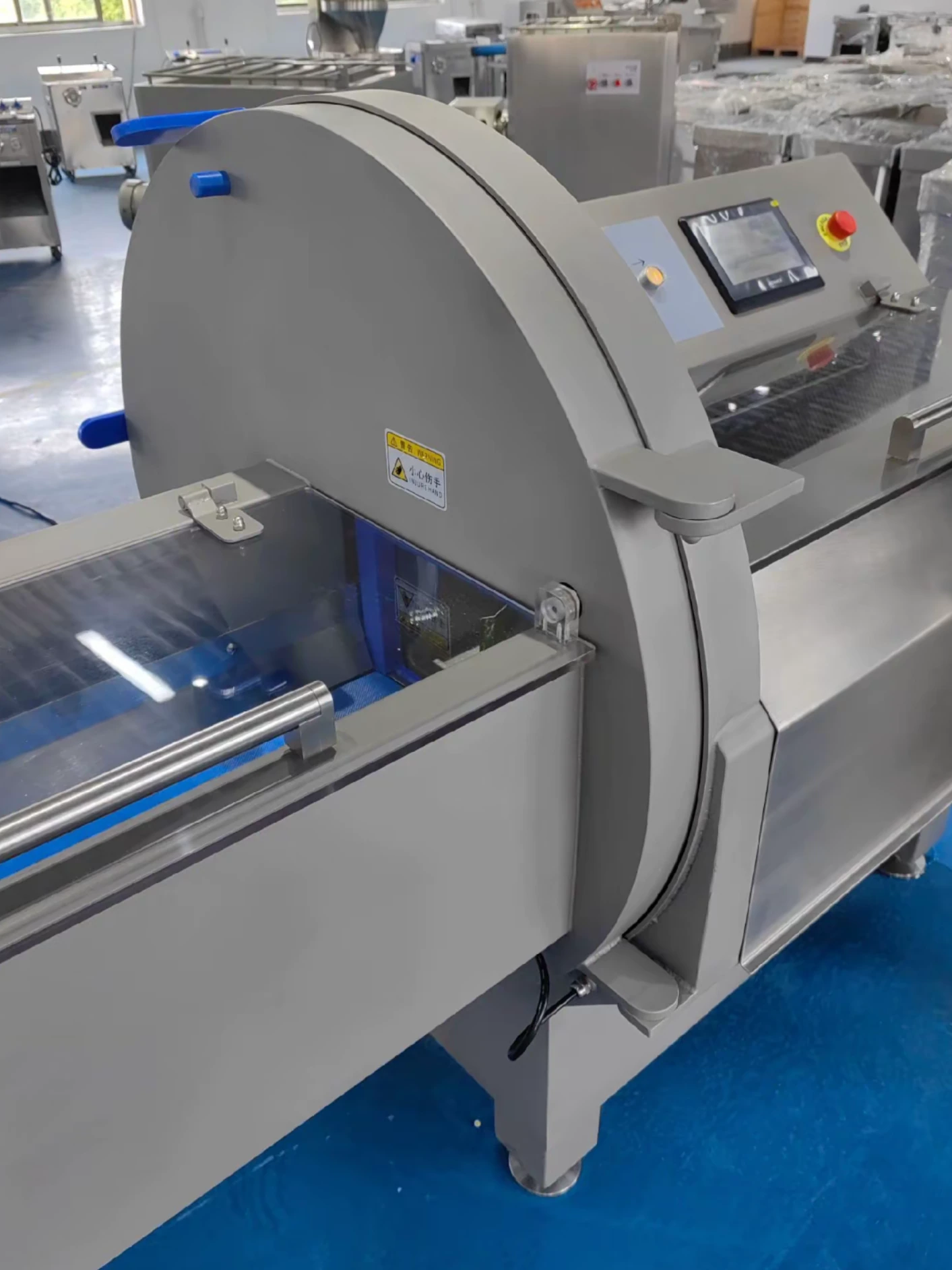
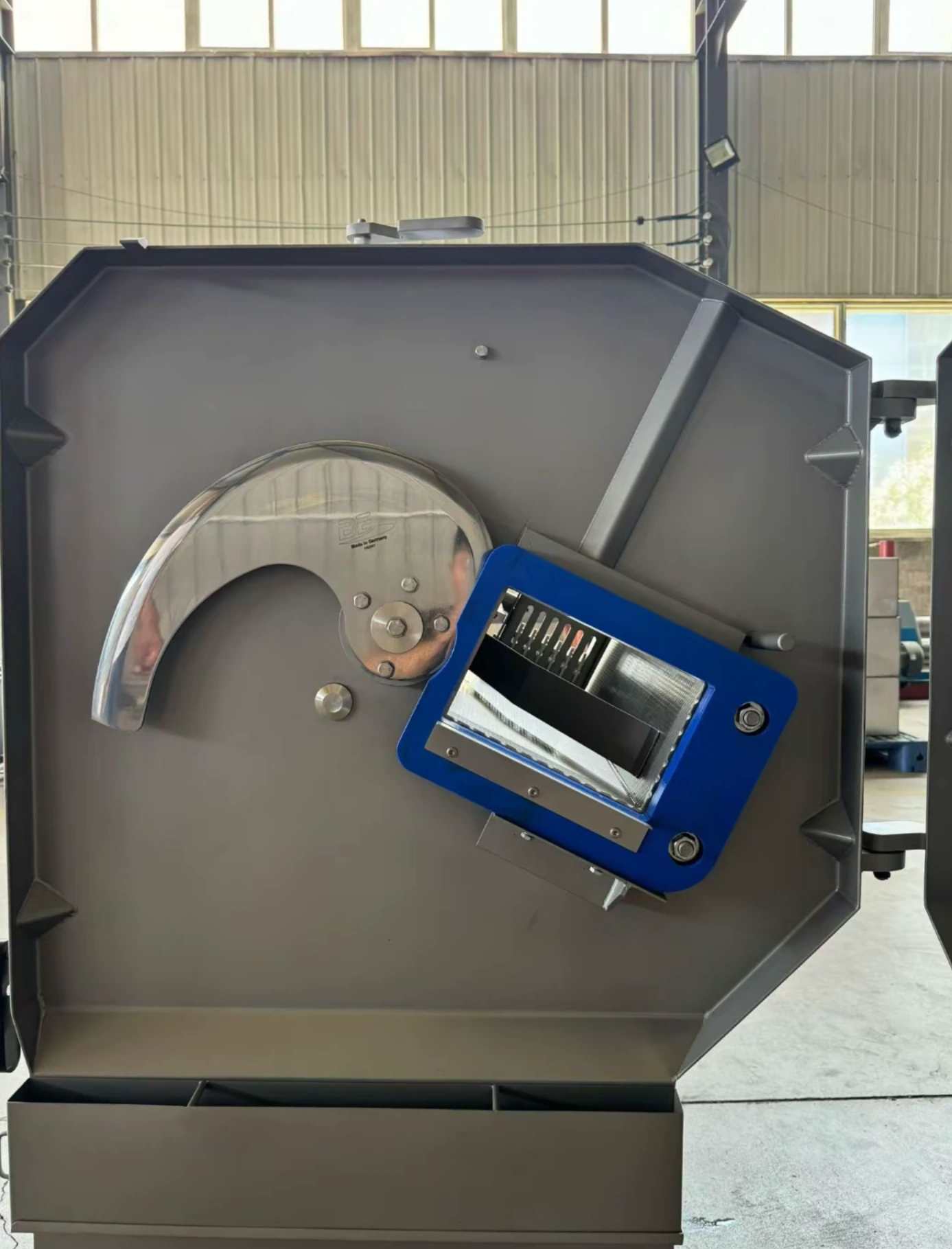
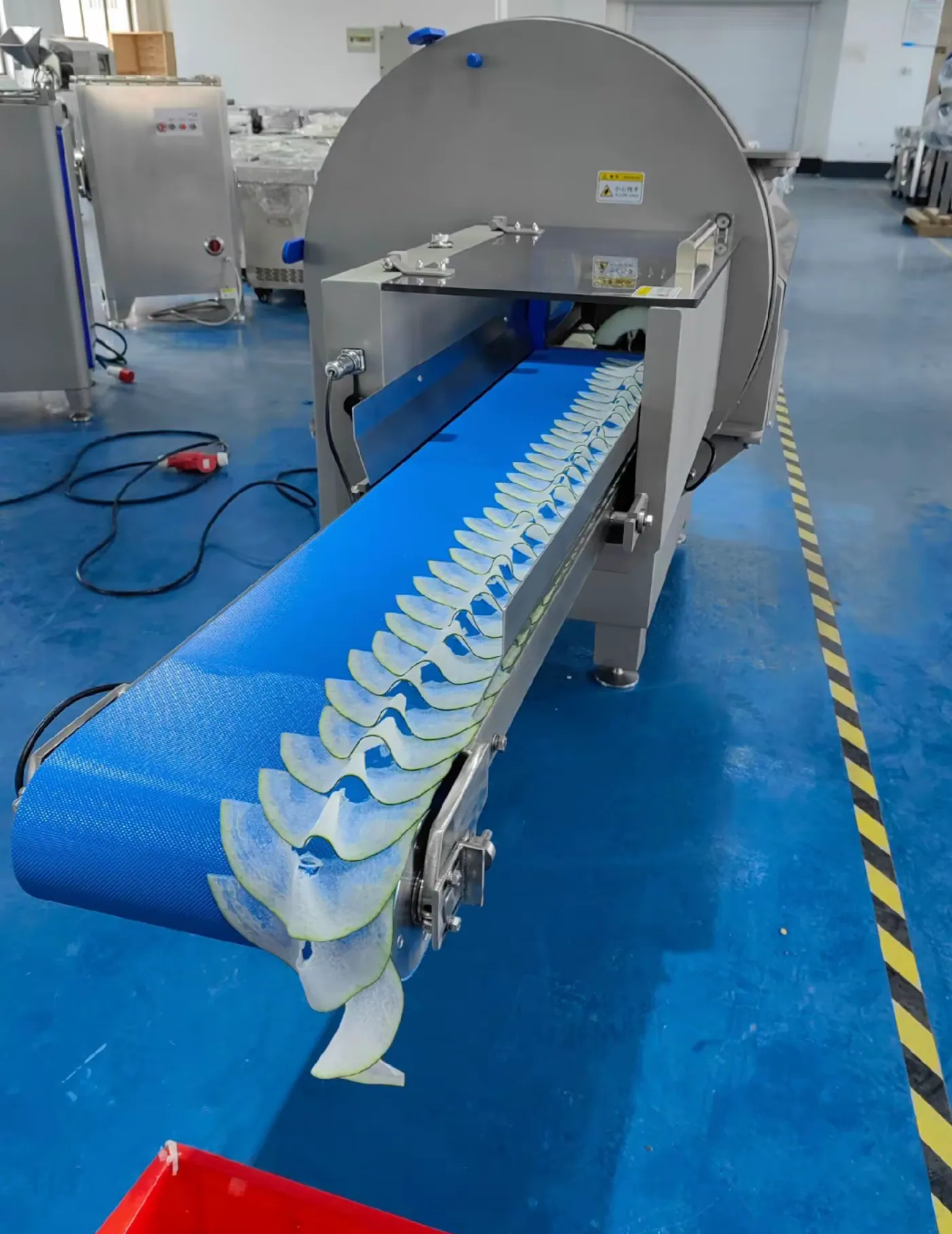
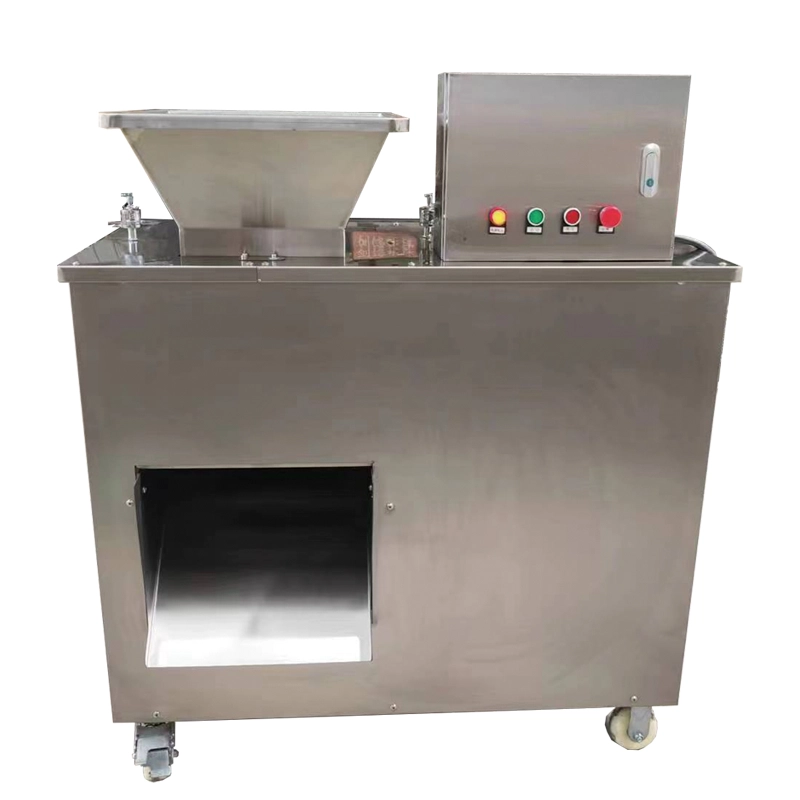
Stop giving away free meat because your manual band saws can’t hit exact weights. The MPC-400 Industrial Meat portion Cutter Machine is built for the brutal 35°C Malaysian heat. Featuring a Siemens servo-driven gripper and a 200 cuts/min sickle blade, it slices -4°C bone-in mutton for Kambing Bakar with zero bone splinters. We ditched cheap pneumatic pushers for absolute pulse-control precision. Stop the giveaway. Real factory price.
Stop watching your profit margin walk out the door in the form of overweight meat portions. An Industrial Meat portion Cutter Machine is a heavy-duty, servo-driven slicing system that uses a high-speed rotating sickle blade to cut bone-in or boneless meat into exact millimeter-thick portions. If you are running a Kambing Bakar (grilled mutton) or Ayam Chop processing plant in Kuala Lumpur or Johor Bahru, you know exactly what I am talking about. Manual band saws leave bone dust everywhere. The meat thaws in the 35°C ambient heat, gets slippery, and your operators start cutting 120g portions instead of your target 100g. That 20g giveaway per chop is bankrupting you.
This machine fixes the weight variance mechanically. Don’t believe the glossy brochures promising zero waste. Good engineering is about absolute servo-motor pulse control, aggressive meat gripping, and keeping the blade RPM high enough to shear bone without shattering it.
Before we talk about features, let’s look at the actual hardware. Here is the standard data for our MPC-400 model, configured specifically for the Southeast Asian electrical grid.
| Parameter | Specification | Engineering Note for SEA Market |
|---|---|---|
| Model | MPC-400 | Standard industrial size for medium/large meat plants. |
| Cutting Speed | 150 – 200 cuts/min | Varies based on meat density and bone thickness. |
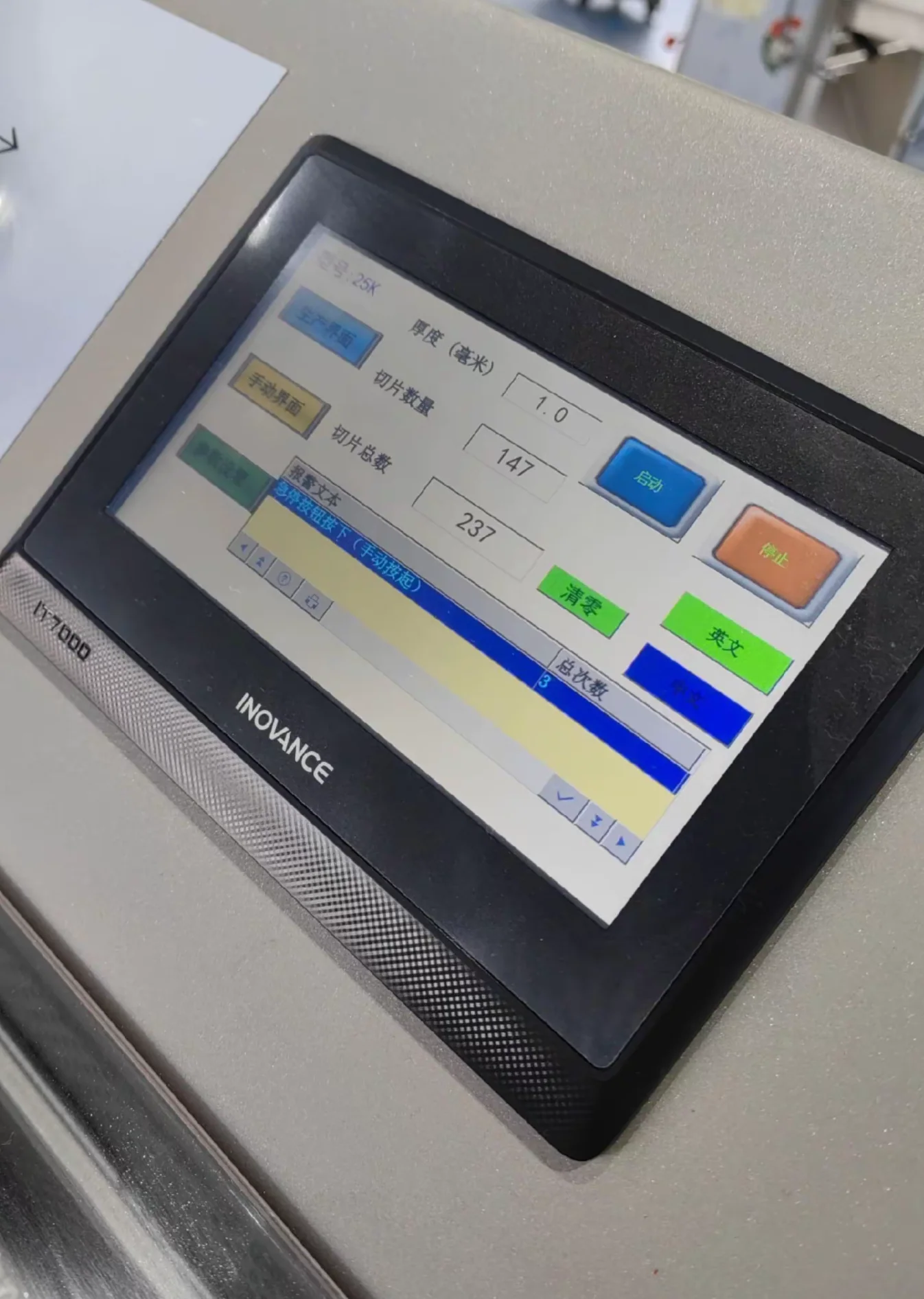
| Cutting Thickness | 1 – 32 mm | Digitally adjustable via PLC touchscreen. |
| Power & Voltage | 3.5 kW | 415V / 50Hz | 3-phase Malaysia standard. Built for local grid drops. |
| Feeding System | Siemens Servo Motor | Absolute encoder for sub-millimeter positioning. |
| Dimensions | 1800 x 850 x 1400 mm | Heavy 304 SS base plate to absorb violent blade strikes. |
Note: These parameters represent the true continuous running capacity. We don’t quote theoretical dry-run speeds that burn out your contactors.
I’ve spent 20 years fixing meat processing lines across Selangor and Penang. Most imported machines look beautiful in a showroom but destroy your yield in a real factory. Here is how we build them to survive.
Let’s talk about the feeding carriage. When you push a 4kg block of -4°C frozen mutton into a spinning blade, the kickback is violent. Cheap cutters use pneumatic pushers or stepper motors. When your factory air compressor drops pressure, the meat slips backward by 2mm right before the blade hits. You get a wedge-shaped cut.
We use a closed-loop Siemens servo motor driving a precision ball screw. It locks the meat in place with relentless holding torque. The advantage? You get mathematically perfect parallel cuts. When cutting -4°C frozen mutton racks for Kambing Bakar, actual yield of target-weight portions went from 82% to 96.5%. It doesn’t look like a massive leap on paper, but in a double-shift operation, you are saving 350 kg of meat giveaway a week. This is pure operational leverage.
At the end of the day, if you don’t solve the servo motor housing seal issue, all that cutting speed is useless. When your sanitation team cleans the cutting chamber at 2 AM, if they spray the high-pressure water gun at a 45-degree angle directly at the feeding carriage rail, the water bypasses the standard rubber gasket and shorts the encoder. The servo dies in a month. We engineered a sloped, overlapping 304 SS shroud with a dedicated drip edge. Water physically cannot reach the electronics. ——these are the basic bottom lines in the 2026 industry standards.
Salesmen will hand you a list of generic features. I’m going to give you the engineering facts, along with the dirty little secrets of the meat processing floor.
No. This is a high-speed portion cutter, not a butcher’s knife. If you try to cut fresh, 10°C chicken breasts with this, the meat will deform under the blade and you will get a shredded mess. The meat must be tempered (semi-frozen) to between -3°C and -5°C for the blade to shear it cleanly.
Under normal continuous use with bone-in products, the blade needs honing every 2 to 3 weeks. We provide a specialized honing jig with the machine. You don’t need to send it out to a machine shop. It takes a mechanic 10 minutes to restore the factory edge.
We use standard international components: Siemens PLCs, Siemens Servos, and standard metric ball screws. You can buy replacements in any major industrial hardware market in Kuala Lumpur (like Jalan Pasar). You are never held hostage waiting for proprietary circuit boards to be shipped from overseas.
Do you have project requirements or technical questions? Please let us know in the form below.