- Shandong Zhucheng Kaicheng Liangcai Machinery Factory
- support@yourdomain.tld
- +86 18053662153
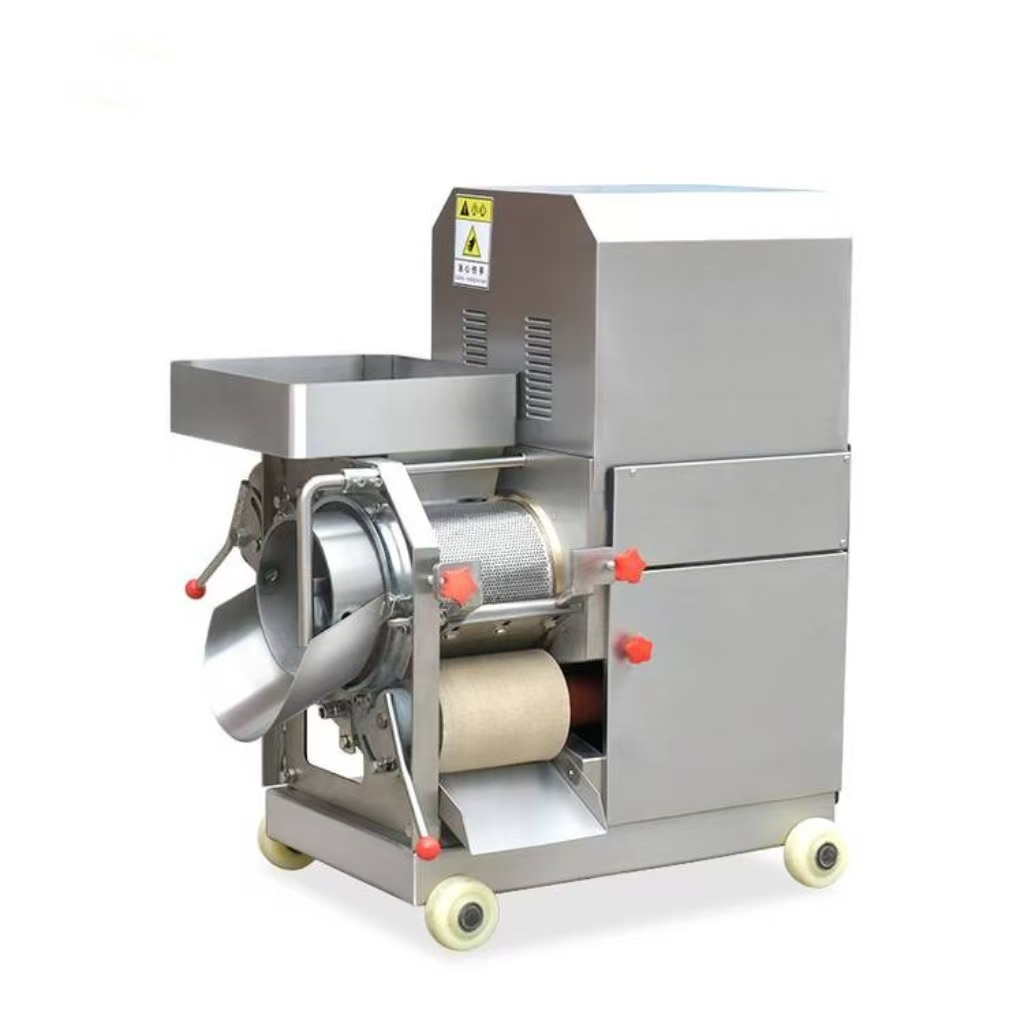
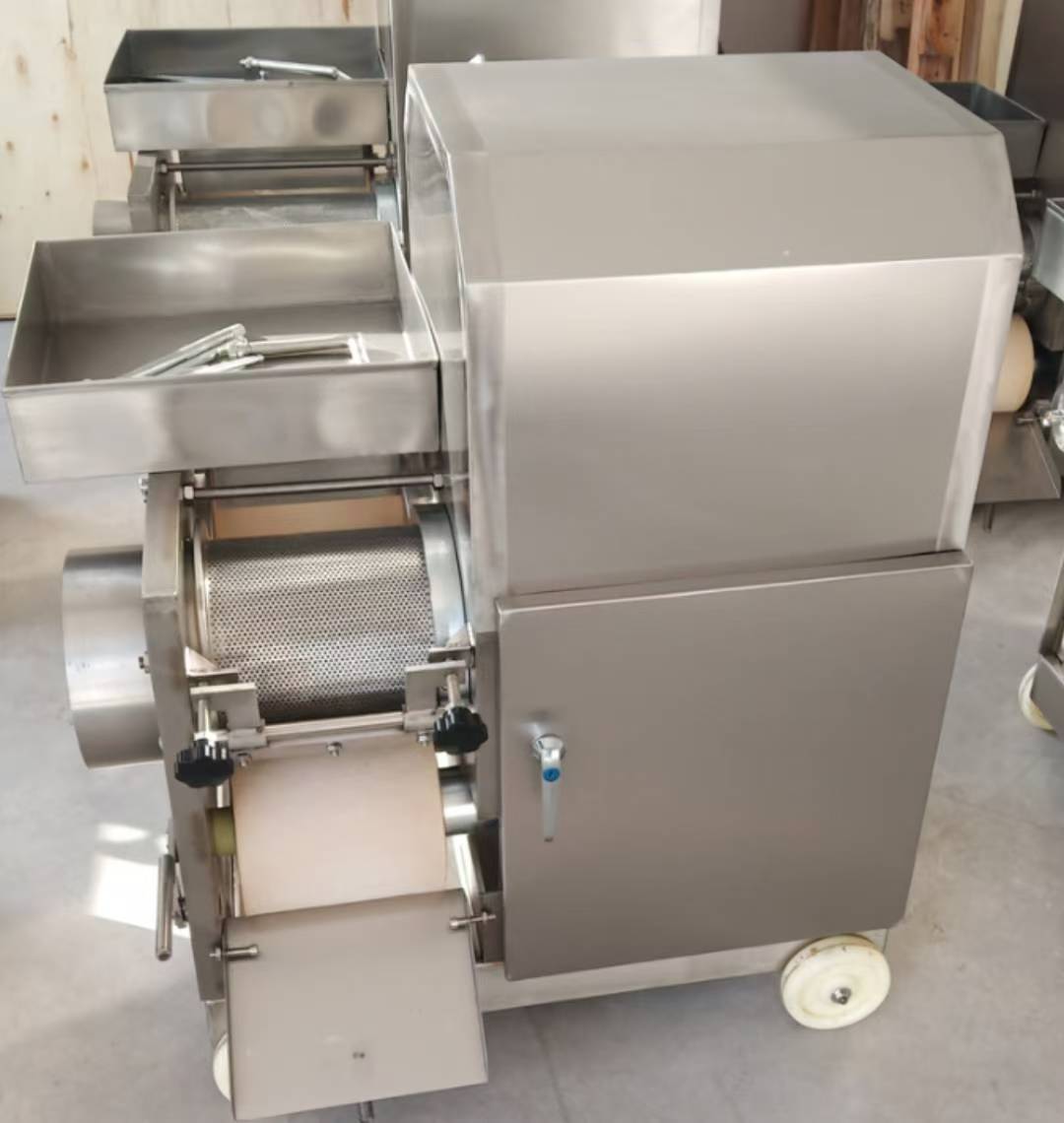
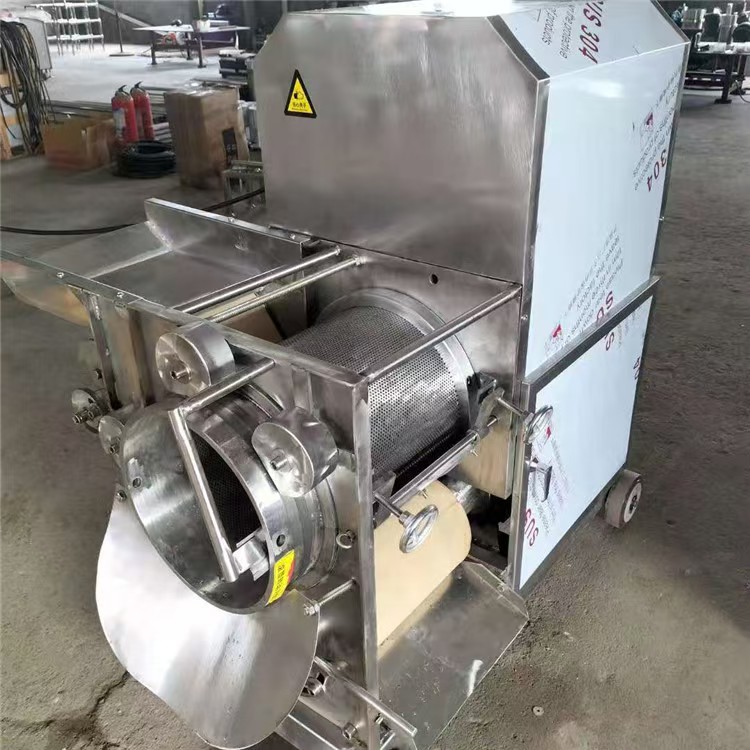
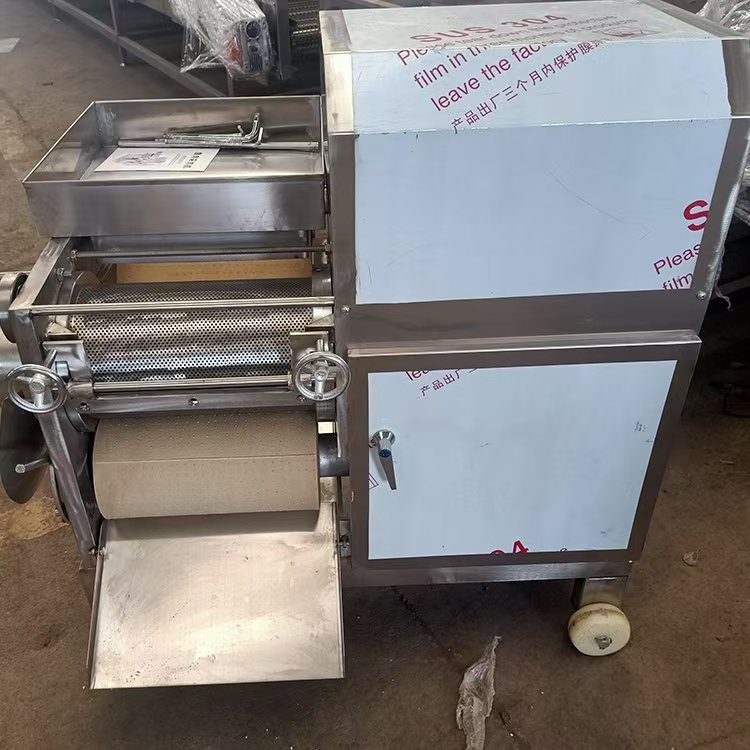
His biggest supermarket client had just rejected a 2-ton shipment of Bakso (meatballs). Why? A single, tiny bone fragment was found in a sample. That is the nightmare.
You can have the best recipe in the world, but if your deboning process relies on tired workers or weak machinery, you are gambling with your reputation.
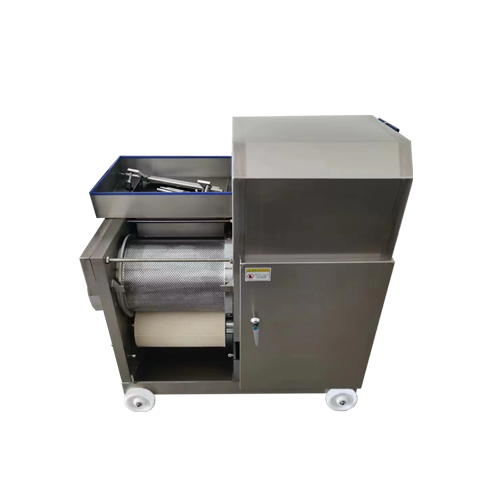
The XJT-180A and XJT-300A are not just “meat grinders.” They are differential-pressure harvesters designed to extract pure protein while rejecting the calcium and collagen networks (bones and skin) that ruin your texture.
If you are making Bakso, Chả cá (Vietnamese fish cake), or Pempek, listen closely. This is how you stop bleeding yield.
Let me give you a piece of advice that isn’t in the manual. When you wash this machine at the end of the shift, never let the meat drum dry out before scrubbing. The moment that fish protein dries inside the micro-perforations, it turns into cement.
Also, do not spray the rubber belt with high-pressure hot water (above 60°C). It ruins the elasticity of the rubber, and you’ll be replacing a $200 belt in three months instead of twelve.
The spec sheet says the XJT-300A handles 300kg/h.Let’s be honest about what that means.
If you are feeding it large, headless mackerel, yes, you will hit 300kg/h. But if you are running small “trash fish” (common for fish meal or lower-grade surimi) without heading them, your feed rate drops because the machine has to work harder to reject the larger skull mass.
| Feature | XJT-180A (The Starter) | XJT-300A (The Workhorse) | The Engineer’s Note |
| Voltage | 220V / 380V | 220V / 380V | If you have 3-phase (380V), use it. Single-phase motors struggle with startup torque when the belt is wet. |
| Power | 1.5 kW | 2.2 kW | The 2.2kW isn’t just faster; it resists jamming when a large spine enters the nip point. |
| Real Yield | ~150kg/h | ~260kg/h | Based on 70% efficiency due to operator loading speed. |
| Footprint | 860×800mm | 950×850mm | Compact enough to fit in a small shophouse kitchen. |
Pro Tip: The “Production” listed is input weight, not output meat. For most local fish species (like Tilapia or Mackerel), expect a meat recovery rate of roughly 65-75% depending on freshness.
I’ve seen machines from Europe rust out in six months because they couldn’t handle the humidity in Vietnam or the salt air in Indonesia.
Q: How often do I need to replace the rubber belt?A: In a single-shift operation (8 hours/day), a good belt lasts 6-9 months. If you over-tighten it to try and get “more yield,” it will snap in 3 months. It’s a balance.
Q: Can I put whole fish in?A: Technically, yes. But for the best quality white meat (surimi), you should remove the head and guts first. If you put the guts in, the paste will be darker and bitter. If you are making pet food? Sure, throw the whole thing in.
Q: Is it hard to clean?A: The belt and drum can be disassembled. It takes about 15 minutes. If you don’t clean the scraper blade properly, bacteria will grow there overnight—this in 2026’s food safety standard is an instant factory shutdown.
Q: Why is the meat coming out mushy?A: Your fish is too warm. Use semi-frozen fish or add ice to the mix. The machine generates heat; you must counteract it.
Every hour your workers spend picking out bones with tweezers is an hour they aren’t producing product. The XJT Series pays for itself in labor savings alone within the first 4 months.
[Ask for the Current Price List & Spare Belt Bundle]