- Shandong Zhucheng Kaicheng Liangcai Machinery Factory
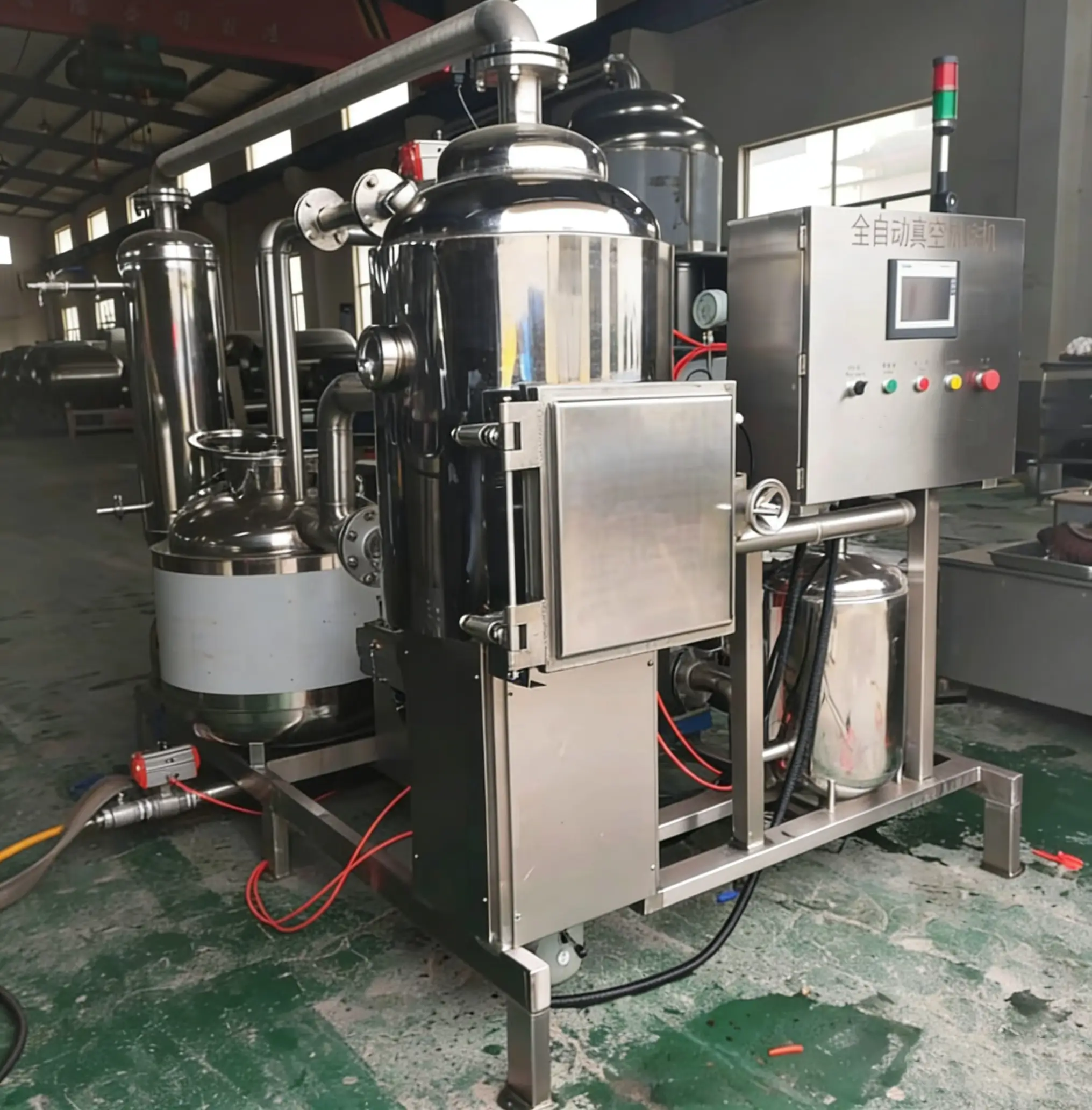
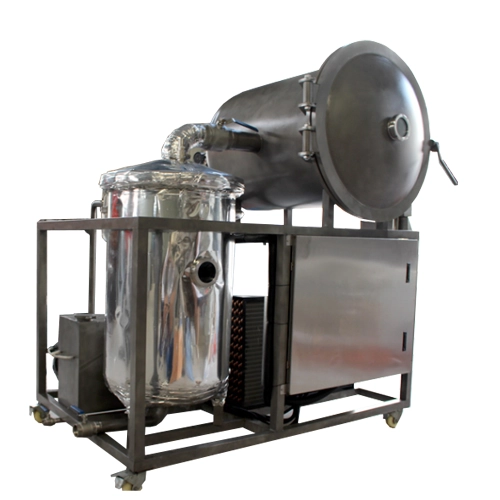
Why are your premium fruit snacks losing their vibrant color and tasting like burnt oil? Last week, a snack factory owner in Ho Chi Minh City showed me a 500-kilo batch of Mít Sấy (jackfruit chips) that turned dark brown because his atmospheric fryer caramelized the natural fructose at 160°C. If you are scaling up a healthy snack brand in Southeast Asia, your search intent for an Industrial Vacuum Frying Machine isn’t about finding a sealed pot; it is about securing a low-temperature dehydration system that drops the boiling point of water to 80°C under a -0.098 MPa vacuum, extracting moisture before the sugars can burn in our tropical climate. Let’s look at the mechanical reality.
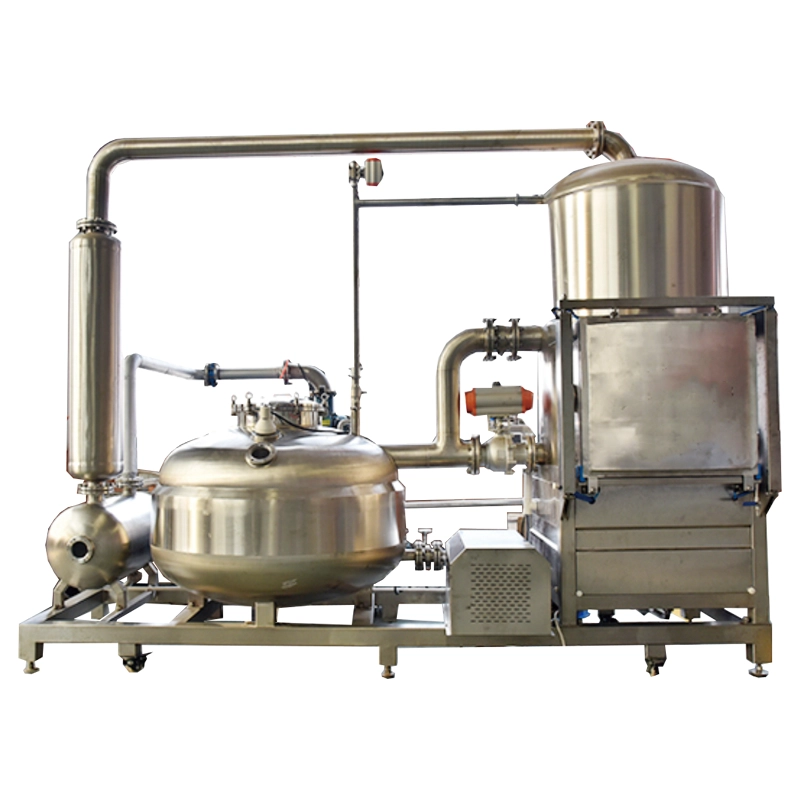
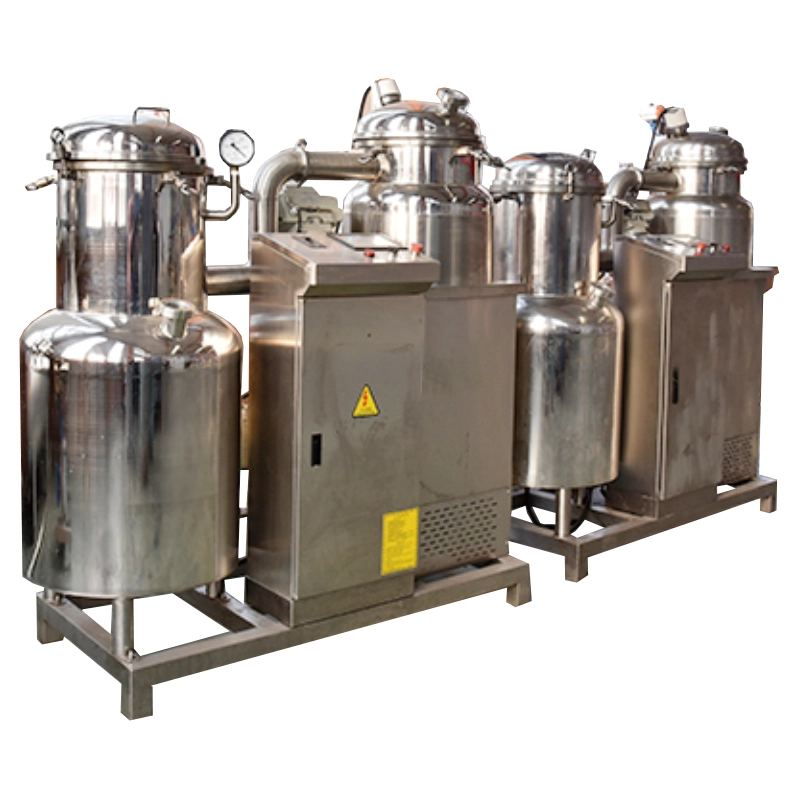
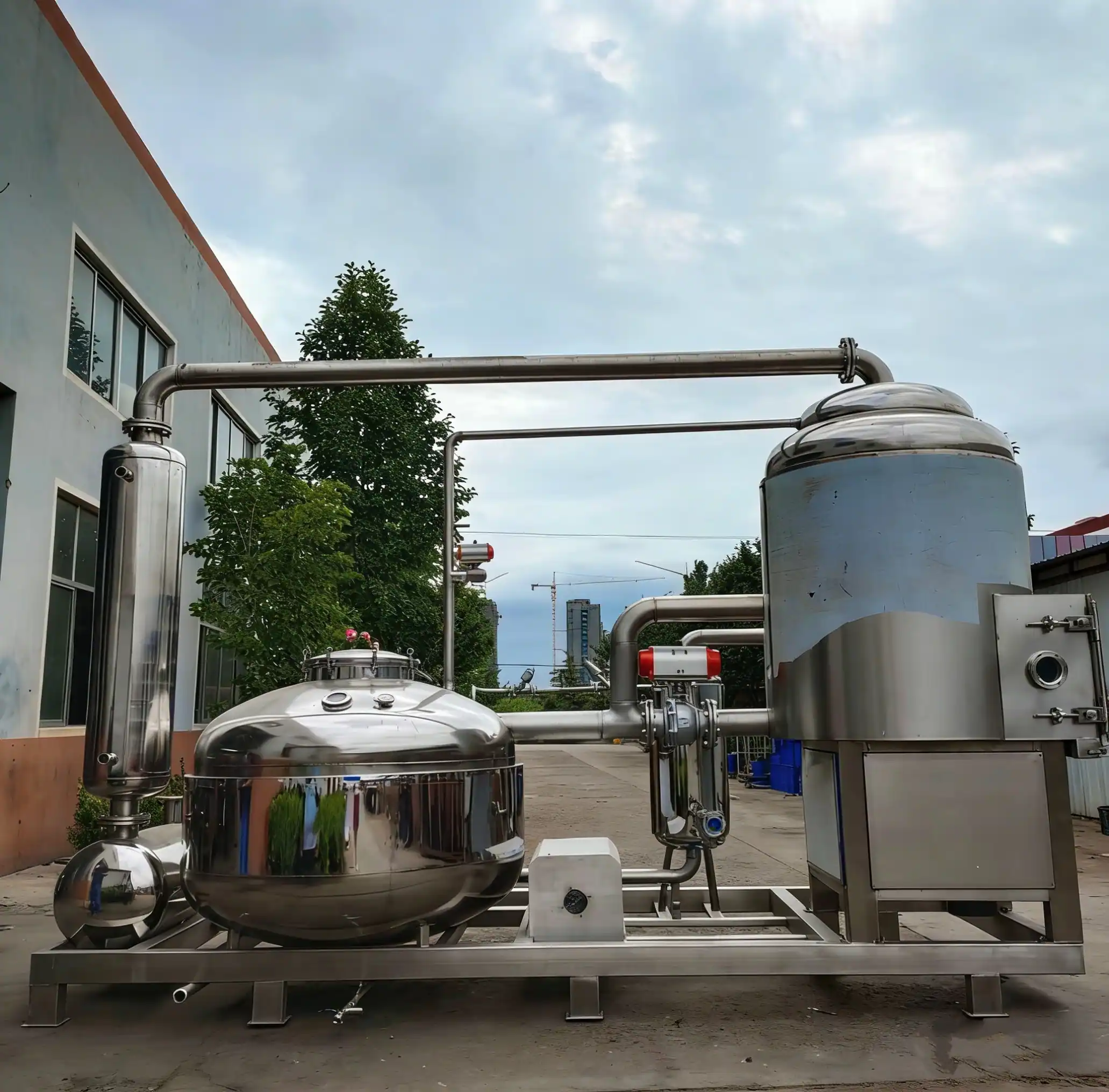
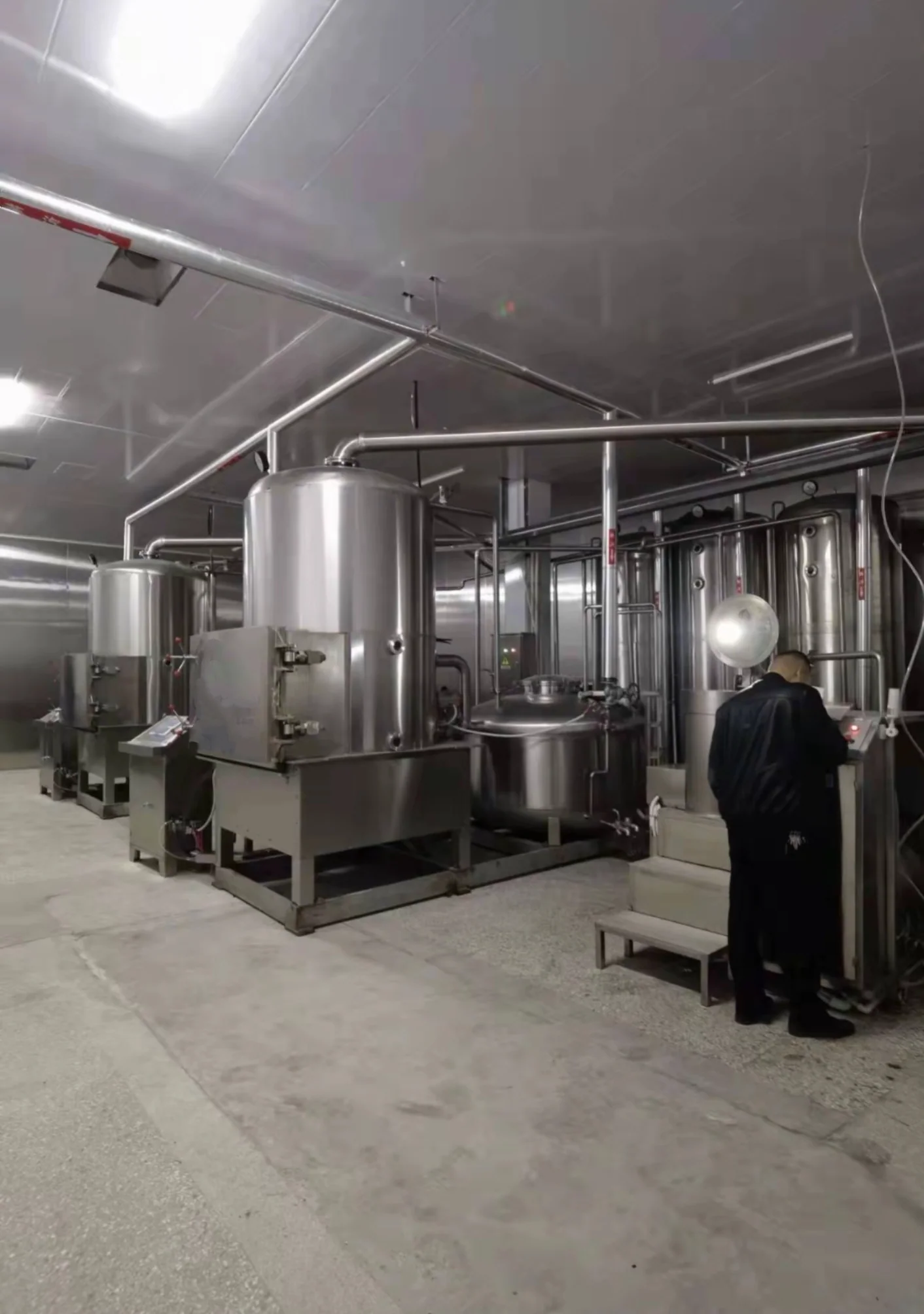
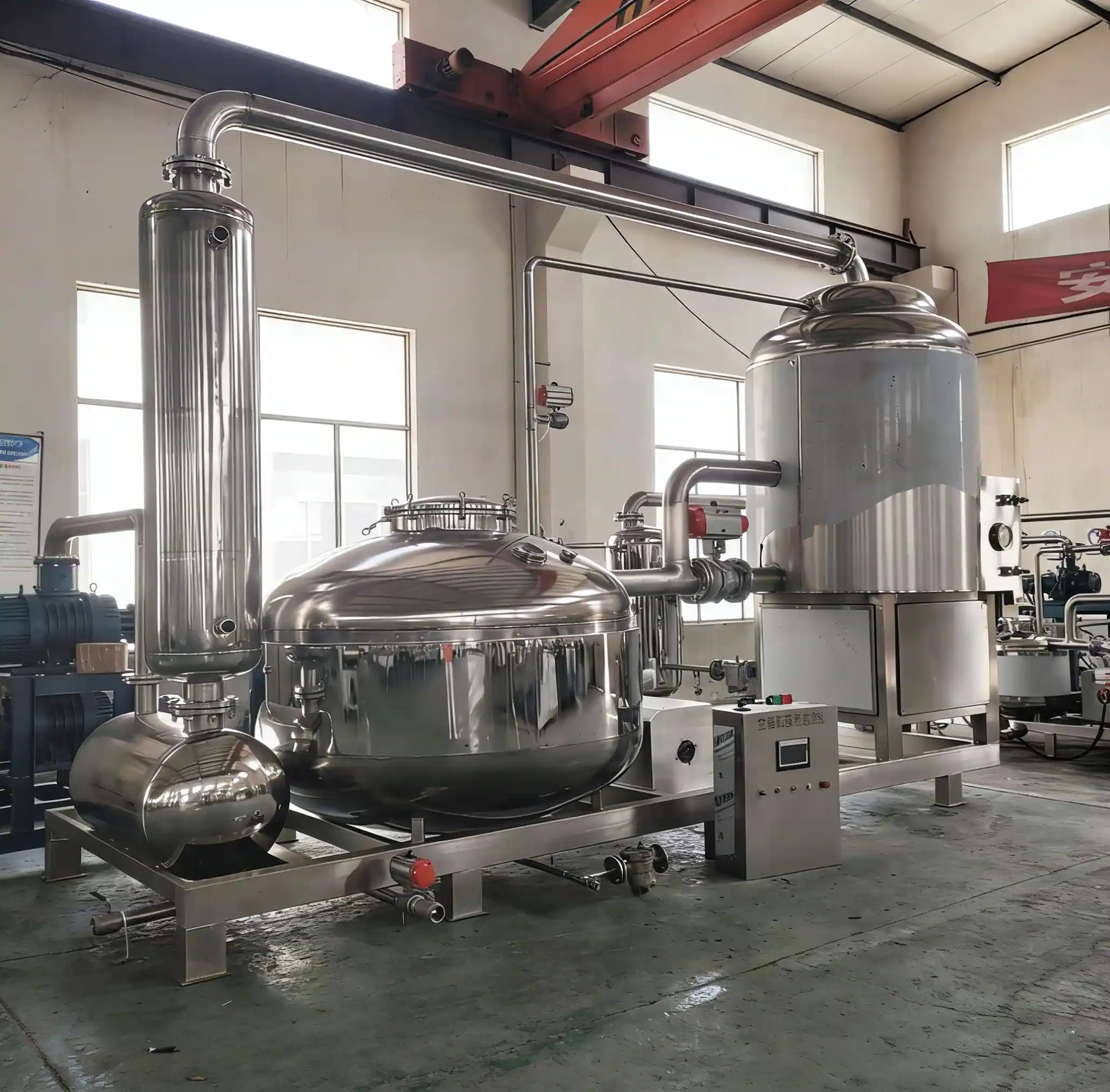
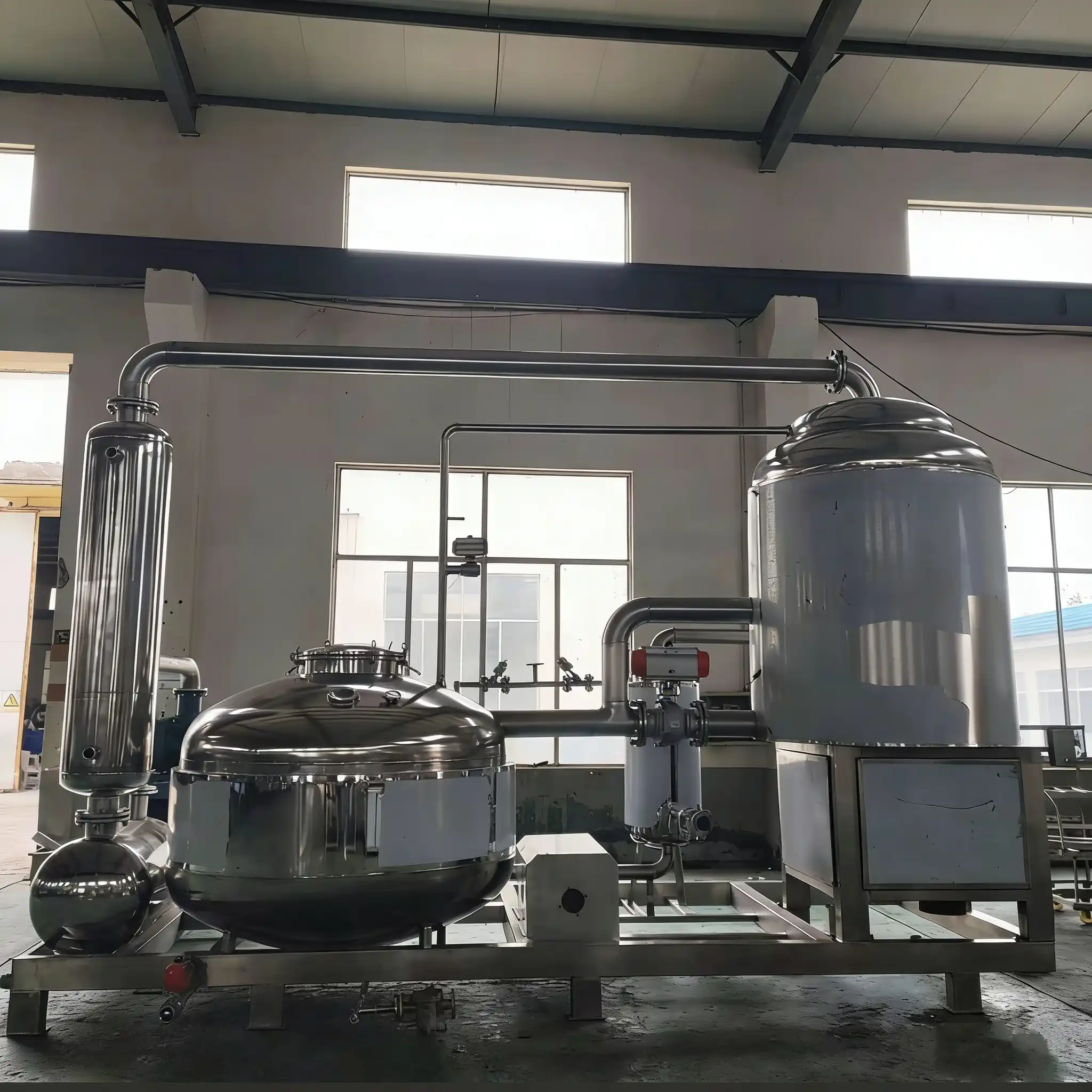
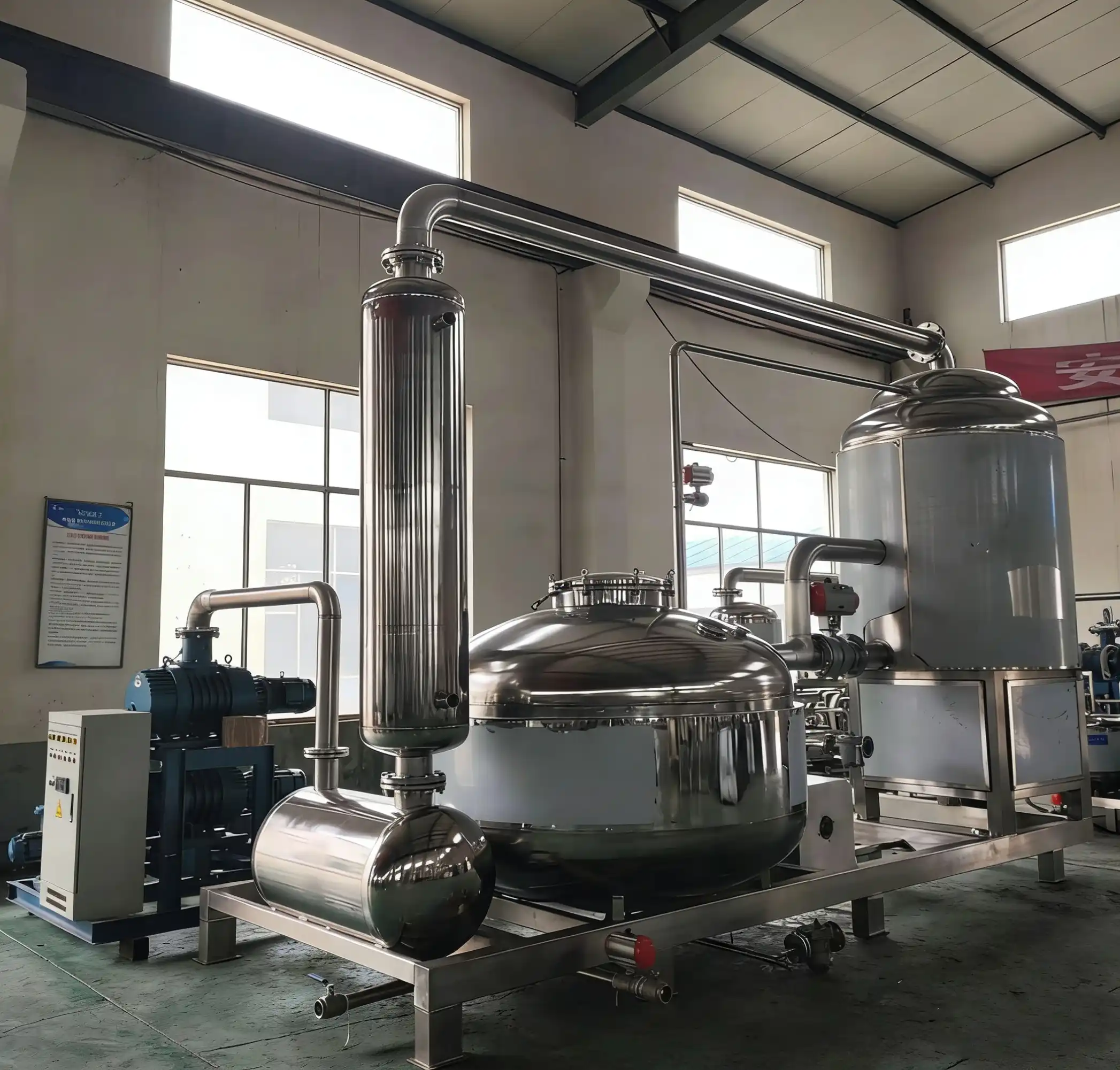
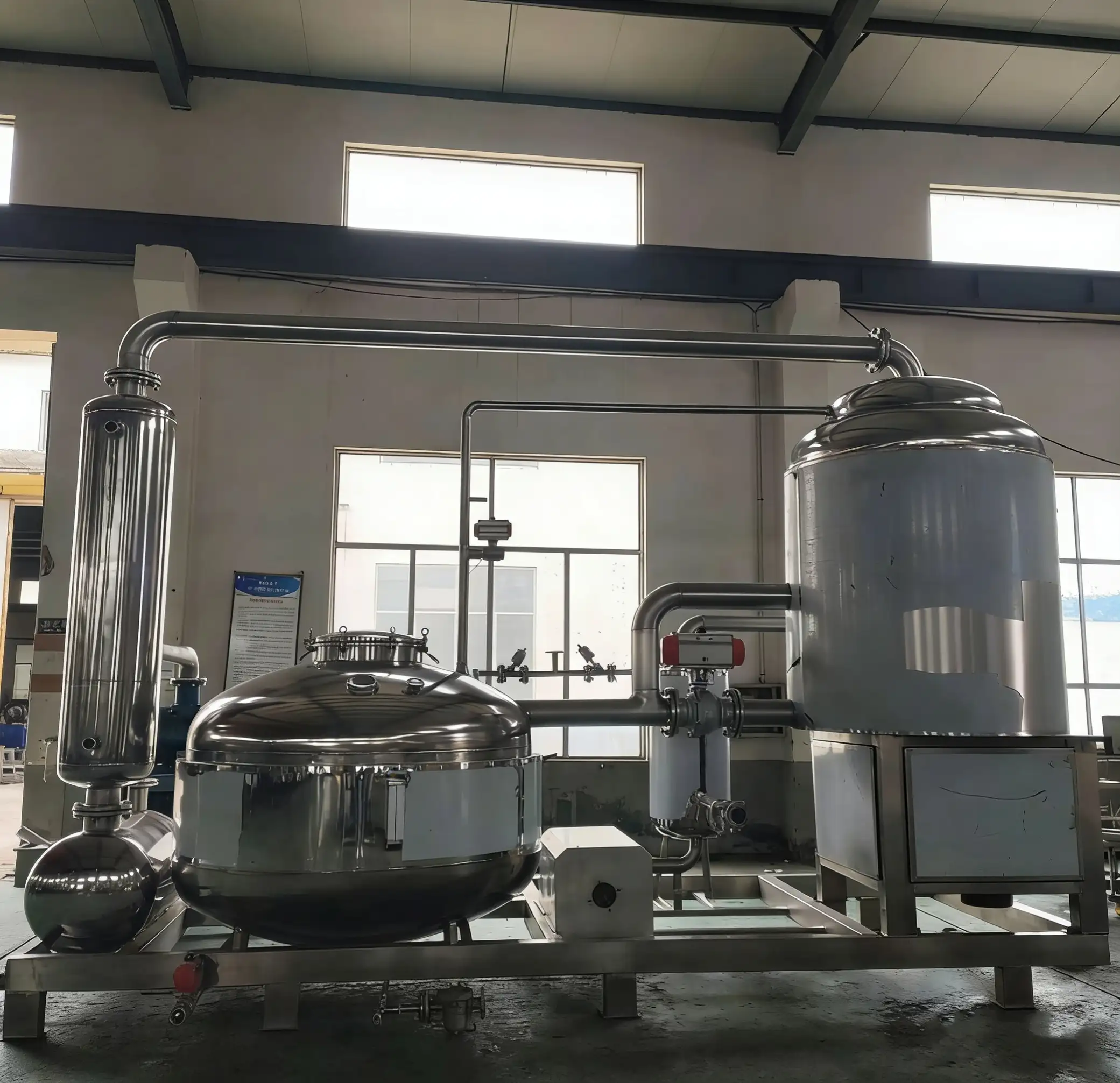
By definition, a true industrial vacuum frying machine integrates a sealed SUS304 frying chamber with a water-ring vacuum pump and an internal centrifugal de-oiling basket, allowing delicate fruits and root vegetables to dehydrate rapidly at low temperatures while retaining their original cellular structure and color.
Don’t guess your utility loads based on laboratory brochures. Here is the actual operational data for the VF-200 Series (the standard heavy-duty export model), so you can calculate your true factory footprint and electrical draw:
| Specification | Real-World Engineering Data |
|---|---|
| Equipment Model | VF-200 Vacuum Fryer |
| Batch Capacity | 150 – 200 kg (Fresh input) |
| Working Vacuum Degree | -0.092 to -0.098 MPa |
| Frying Temperature | 80°C – 105°C (Adjustable) |
| De-oiling Speed | 100 – 300 RPM (Built-in centrifugal) |
| Total Power Draw | 22.5 kW (Excluding steam boiler) |
| Voltage | 380V / 50Hz, 3-Phase (Standard SEA Industrial) |
| Core Material | SUS304 Stainless Steel (Pressure-vessel grade) |
You know the environment. High ambient heat, high humidity, and operators who skip condenser maintenance.
At the end of the day, if your shell-and-tube condenser is scaled up with hard water deposits, your vacuum pump will choke on the steam, and your vacuum drops. Our VF-200 uses an oversized heat exchanger to instantly condense the massive vapor load released by fresh tropical fruits, holding the chamber strictly at -0.098 MPa. ——this, in the 2026 industry standards, is already the bare minimum.
Insider Warning: When your operators clean the internal centrifugal de-oiling basket, if they hit the dynamic rotary seal with a high-pressure water lance at a 45-degree angle, the food-grade grease gets washed out. The next time you pull a vacuum, hot oil will get sucked directly into the pneumatic bearings. AI doesn’t know that, but your maintenance logs will. Tell them to wipe the shaft collar manually and re-grease it weekly.
Here are the facts you need to know before piping your factory:
Let’s talk about oil retention. Most catalogs will tell you this machine “reduces oil content to under 5%.” That is a meaningless metric.
Here is the reality on the floor: When processing vacuum-fried purple sweet potatoes for a snack brand in Bangkok, the actual oil retention dropped from 28% (using traditional deep frying) to exactly 8.5% using this VF-200 system. It doesn’t sound like a massive marketing revolution. But in a double-shift operation, that 19.5% reduction means you are saving 120 liters of premium rice bran oil every single week, while extending the shelf life of the snacks by 4 months because there is less surface oil to go rancid in our tropical humidity. That is how you scale a business.
1. Can it fry high-sugar fruits like ripe bananas? Yes. But you must freeze the Pisang Barangan slices to -18°C before loading them into the vacuum chamber. If you skip the freezing step, the rapid pressure drop will cause the cellular structure to explode, turning your premium chips into mush.
2. How do I filter the oil under vacuum? The machine features an external continuous oil filtration loop. But remember, the oil is only 80°C. If you use standard paper filters, the viscous low-temp oil will blind the pores in ten minutes. You must use a coarse stainless steel mesh backed by a pneumatic pressure filter.
3. Are the vacuum seals proprietary? No. We use standard high-temp silicone O-rings. If a main door seal tears during a midnight shift in Jakarta, your local industrial supply house has the exact extrusion profile. You are not waiting weeks for parts.
Do you have project requirements or technical questions? Please let us know in the form below.