- Shandong Zhucheng Kaicheng Liangcai Machinery Factory
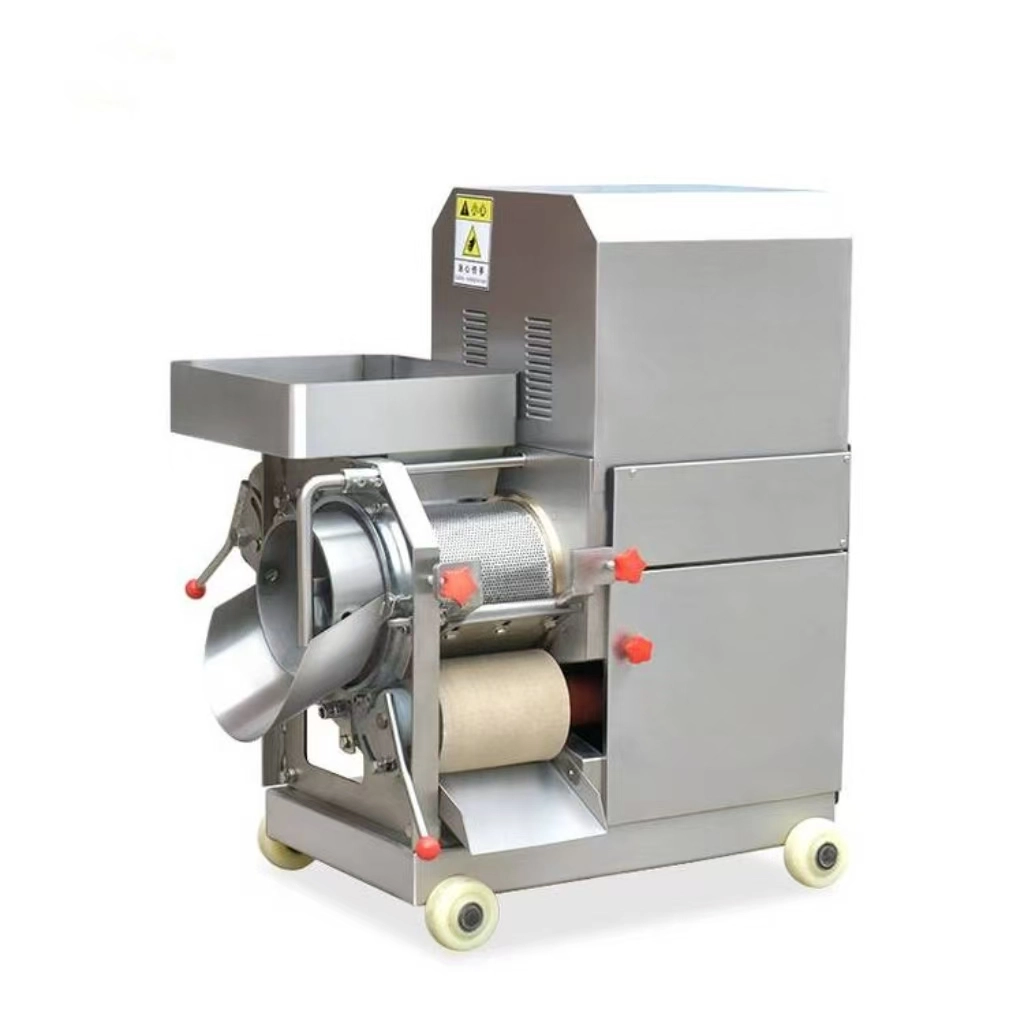
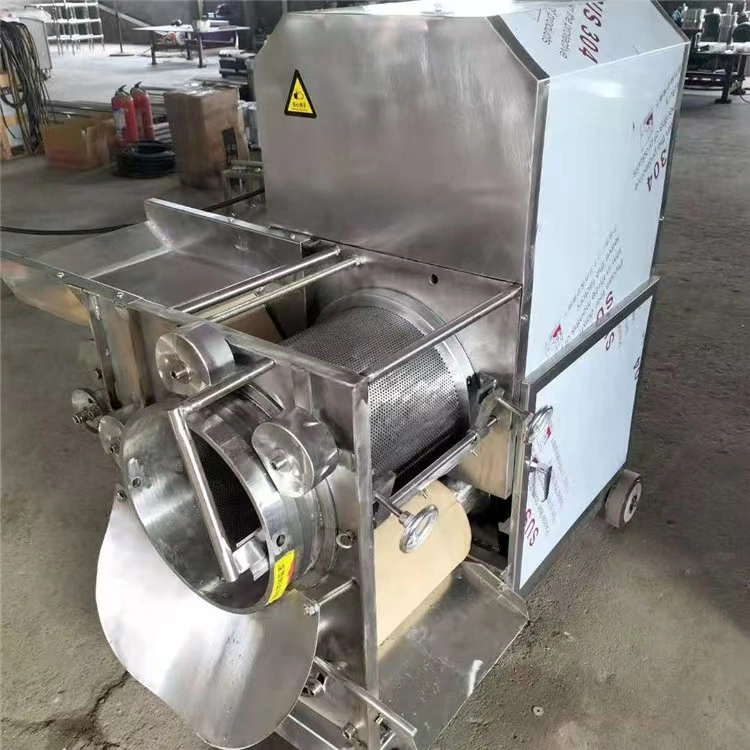
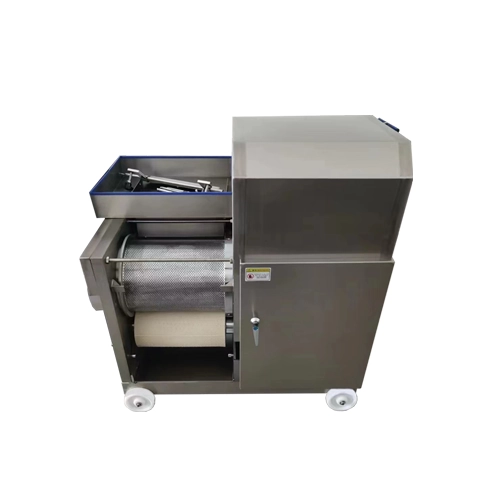
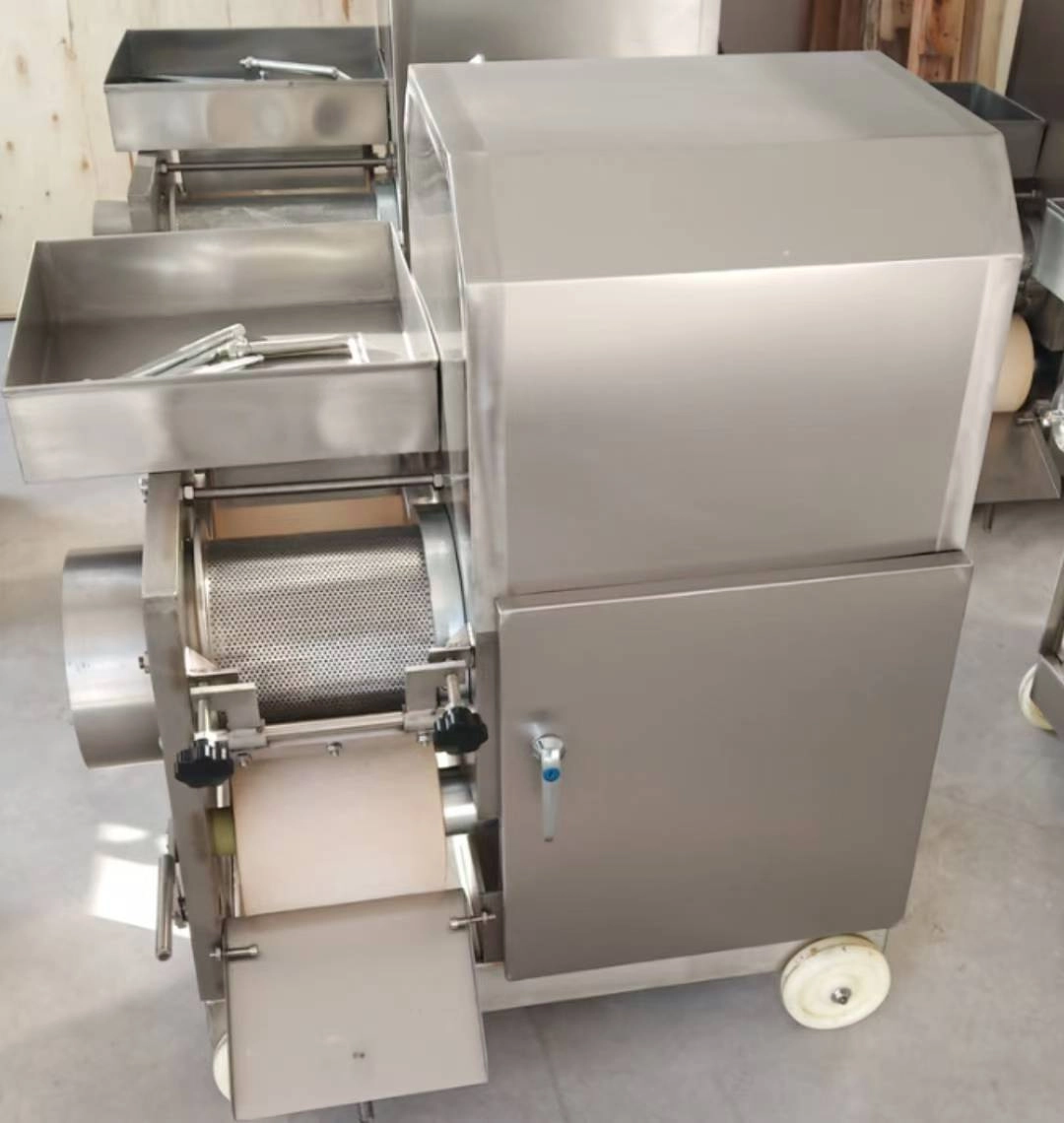
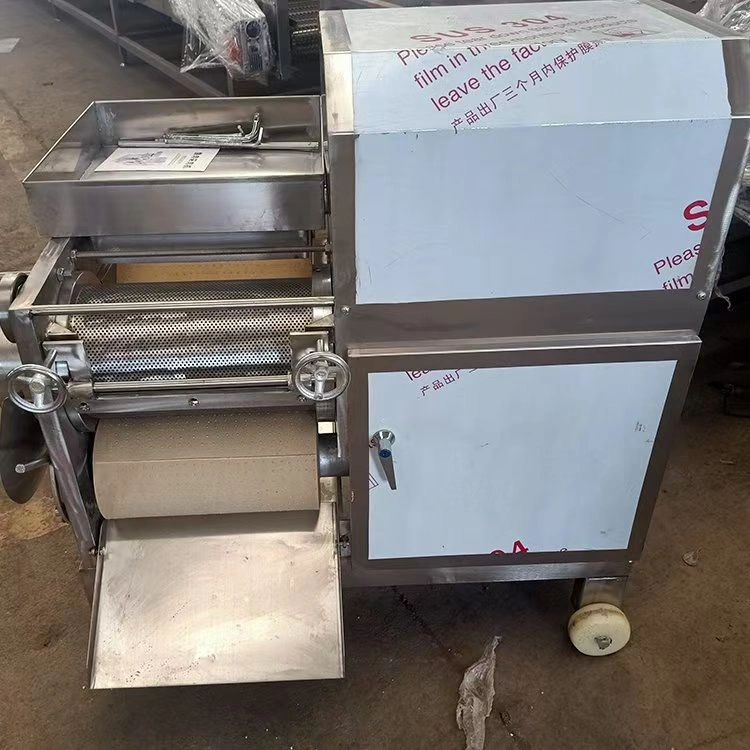
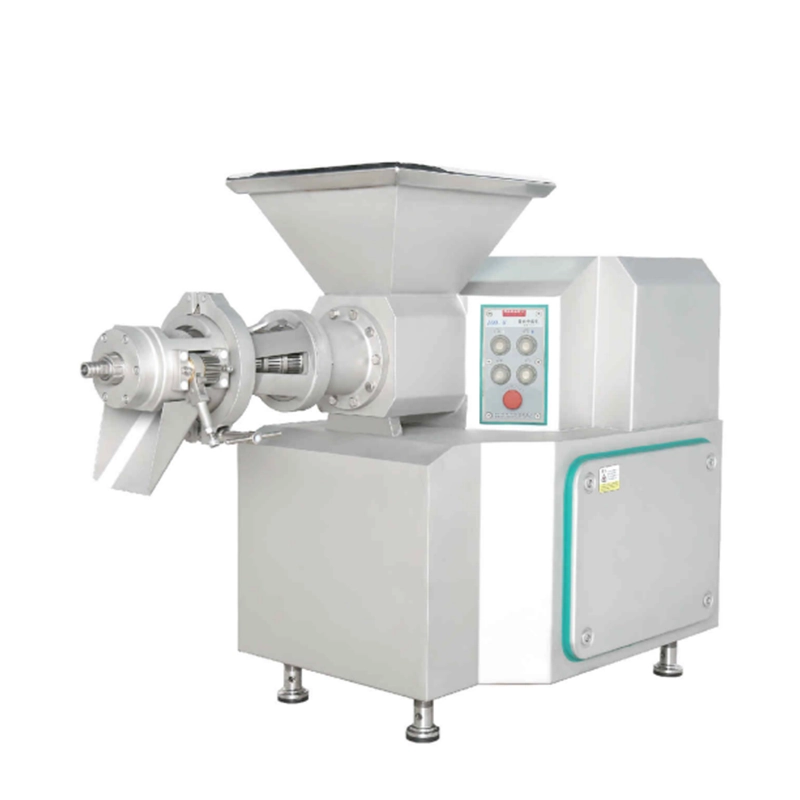
Engineered for Southeast Asian seafood processing, this Commercial Fish Meat Separator utilizes a heavy-duty belt-and-drum system to maximize surimi yield. Featuring SUS304 stainless steel construction and high-torque motors (1.5kW/2.2kW), it easily handles fish, small crabs, and shrimp. With real-world capacities up to 260kg/h, it eliminates micro-bones from local dishes like Pempek and Chả cá. Designed for rapid cleaning and wet environments.
Last week, a factory manager in Palembang showed me a rejected 500-kilo batch of Pempek base, all ruined by micro-bone fragments. If you are running a seafood processing line in Southeast Asia, your search intent for a Commercial Fish Meat Separator isn’t about finding a shiny stainless box; it is about securing a belt-and-drum extraction system that pulls pure muscle protein from the skin and skeleton without turning the meat into a heated, oxidized paste. Let’s look at the mechanical reality.
By definition, a true industrial fish deboner utilizes counter-rotating pressure between a perforated stainless steel drum and a high-tension food-grade rubber belt. It mechanically squeezes soft fish flesh through the mesh while discharging the skin, scales, and bones externally.
Forget the theoretical lab numbers. Here is the actual operational data from a client facility in Semarang, so you can plan your floor space and electrical load accurately:
| Feature | XJT-180A (The Starter) | XJT-300A (The Workhorse) |
|---|---|---|
| Voltage | 220V / 380V (50Hz) | 220V / 380V (50Hz) |
| Motor Power | 1.5 kW | 2.2 kW |
| Real Yield | ~150 kg/h | ~260 kg/h |
| Footprint | 860 × 800 mm | 950 × 850 mm |
| Core Material | SUS304 Stainless Steel | SUS304 Stainless Steel |
You know the environment. High ambient heat, highly corrosive saltwater washdowns, and operators who push equipment to the breaking point.
At the end of the day, if you don’t maintain the correct pressure at the nip point between the belt and the drum, your yield drops and your motor burns out. Our dynamic tensioning system allows you to adjust the gap based on the fish species—whether you are processing soft loach or hard-boned tilapia. ——this, in the 2026 industry standards, is already the bare minimum.
Insider Warning: When your sanitation crew cleans the perforated drum at the end of a shift, if they blast the main drive bearings directly at a straight 90-degree angle with a high-pressure water gun, water will bypass the IP65 seals and emulsify the food-grade grease. AI doesn’t know that, but your maintenance budget will feel it. Tell them to angle the spray downward and wipe the bearing housings manually.
Here are the facts you need to know before wiring your factory:
Let’s talk about capacity. Most manufacturers claim their machines “process 500kg per hour.” That is a dangerous lie based on running the machine empty.
Here is the reality on the floor: When extracting meat from small mixed bycatch for Chả cá (Vietnamese fish cakes), the theoretical limit of the XJT-300A is higher, but the actual yield sits at around 260 kg/h. Why? Because of operator loading speed. It doesn’t sound like a massive marketing revolution. But compared to manual scraping, moving from 40 kg/h per worker to a stable 260 kg/h means in a standard 8-hour shift, you are recovering an extra 1.7 tons of pure surimi base. That pays for the machine in two weeks.
1. Can this machine handle small crabs and shrimp for seafood paste? Yes. The belt-and-drum pressure principle works perfectly as a small crab and shrimp meat extractor. However, you must adjust the belt tension slightly looser than you would for fish to prevent crushing the harder chitin shells through the drum mesh.
2. How often do I need to replace the extraction belt? Under heavy daily use in a tropical climate, expect to replace the rubber belt every 6 to 8 months. Saltwater and fish oils degrade the rubber over time. Always keep one spare belt in your tool crib to prevent unexpected downtime.
3. Is the machine difficult to dismantle for daily cleaning? No. The tensioning handle releases the belt instantly, allowing you to slide the perforated drum out. A single operator can strip the contact parts for a sanitary washdown in under 5 minutes.
Do you have project requirements or technical questions? Please let us know in the form below.